Every tax season, there’s a lengthy laundry list of paperwork that needs to be handled with care. Accountants are responsible for preparing returns, double-checking the numbers, and ensuring everything is included before any record reaches a client.
While digital systems play an important role, physical paperwork still has a place in many accounting practices. Clients often appreciate receiving their completed tax documents in a professional folder that keeps everything together and easy to review.
A well-thought-out tax return folder also helps prevent damage to important documents during storage or transport. So it’s not simply about appearance; tax return folders encourage organization, enhance customer perception, and show you take pride in your work.
The right folder is not just a container for paper. It supports the daily workflow and helps present completed tax returns in a clear, organized way. Here is more on what tax return folders do.
Tax Return Folders Keep Documents Organized
Tax returnscome in several forms,including supporting schedules, letters, and financial documents. Having all these papers in one place means you’re less likely to overlook or lose anything important. Dedicated tax return folders for accountantsgive every return a clear home from the preparation stage through to the client.
Organization also saves time. You spend less time searching through loose paperwork and more time focusing on client needs. This is especially important when you’re filing a large number of returns each day in the height of tax season.
Many accountants also keep printed copies for reference or compliance purposes. A sturdy folder protects these records while making them easier to file and retrieve. When every client file follows the same system, your office stays organized and daily tasks become easier to manage.
They Provide a Professional Presentation That Builds Client Confidence

How you present your completed work is the last thing the client sees. The client notices if their tax return comes neatly presented in a folder vs. just handed over as loose papers. Having a well-designed tax return folder shows that everything was thought of.
A professionally prepared return means files are easier for clients to read. Forms stay in sequence, supporting documents remain close to the form they support, and all the information is in front of them without flipping through individual pages.
Most people will also hold on to tax returns and other supporting documentation for years; a durable tax return folder helps protect those records long after they leave your hands! Simple details like this help create a positive experience every time documents change hands.
Tax Return Folders Have the Right Features That Make Daily Work Easier
Not every folder offers the same level of convenience. Tax return folders are made out of strong material that helps prevent tears and worn edges during regular handling. They also have secure pockets to keep every document in place and reduce the risk of papers slipping out.
A folder carrying a client’s returns should comfortably hold complete tax returns without folding important pages. On top of that, the folder should have a clear layout that makes it easier to organize supporting documents and client correspondence in a logical order.
This is what dedicated tax return folders for accountants are all about. They’re a practical choice for must-have office supplies that enhance a tax accountant’s daily routine by ensuring a smooth tax-filing process and consistent document protection year-round.
Tax Return Folders Support Better Record Keeping

Consistent organization is the basis of good record keeping and management practices. With each completed return kept in folders, filing systems are easier to maintain, as staff can quickly find client records without sifting through other work or broken files.
Proper storage will also shield important papers from the usual wear and tear. To begin with, papers will appear readable, clean, and flat if they are maintained in a good folder. Thus, you may expect fewer chances for problems because of writing on broken pages.
Most accountants maintain records for multiple years to comply with legal and business obligations. A consistent filing system will make it easier to retrieve stored files when clients request reprints or additional data. Being tidy now can save you some valuable time later on.
The Right Tax Return Folder Depends on What Your Accounting Practice Needs
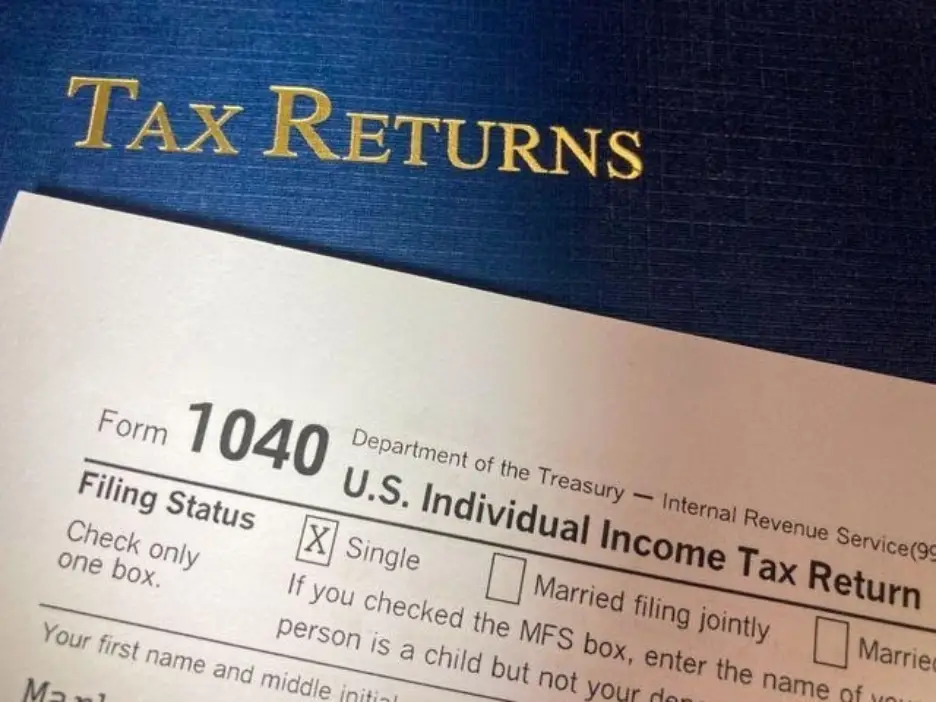
Tax return folders come in various forms, including foiled-stamped, raised-foil, and printed folders. Before opting for any, consider how many pages you usually send with each return and find a folder that can accommodate them easily.
Also, think about how your team preps and files client docs. A consistent folder size makes storage simpler and creates a uniform filing system across the office. Easy access pockets and secure document placement also improve efficiency during busy periods.
Your clients also store tax returns forever, soa folder that protects paperwork continues to provide value long after tax season ends. A tax return folder that supports your workflow while allowing clients to keep their important financial records organized is always the way to go.
Conclusion
For many accountancy practices, tax return folders remain an important tool for document management. These folders help keep paperwork together, protect essential documents, and present finished tax returns professionally. They also make it easier to manage filing systems and encourage clients to look after their records. In addition to all this, the right folder supports a tax accountant’s day-to-day work and the impression they make on their clients.