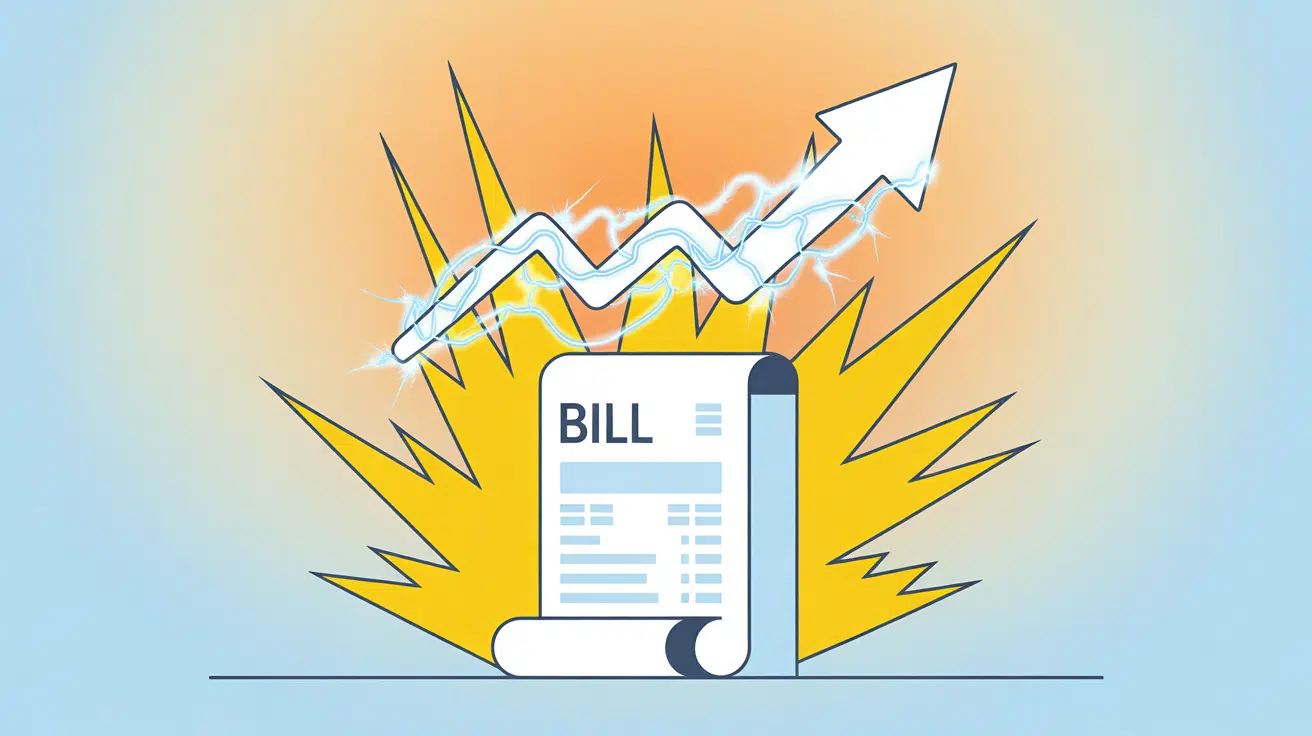
Space heaters are great, until the electricity bill shows up. That moment of shock occurs when the numbers exceed expectations.
The question that keeps coming up is: Do space heaters use a lot of electricity? And honestly, the answer is more surprising than most expect.
These little devices look harmless sitting in the corner, but they quietly pull more power than most appliances in the house.
A lot of that extra cost comes down to things that are easy to miss. So before cranking one up this winter, it’s worth knowing exactly what’s happening behind the scenes.
Why Families Keep Reaching for Space Heaters Every Winter
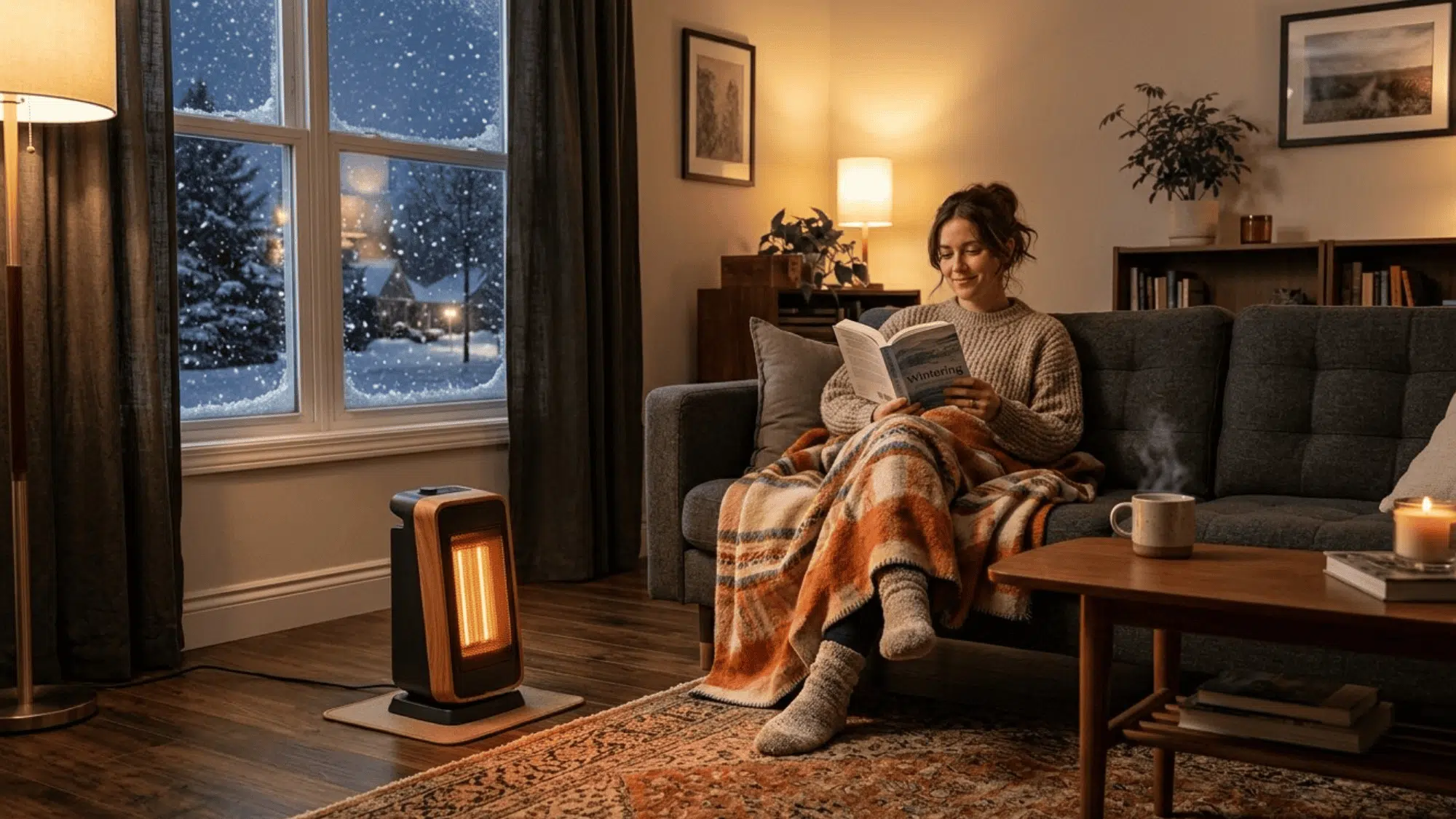
Space heaters are a simple way to stay warm without heating the whole house. They’re easy to move, quick to use, and fit well into daily routines.
- Portable and Easy to Move: You can carry them from room to room without effort.
- Heats Up Quickly: Provides warmth in minutes without long waiting time.
- Targeted Heating: Warms only the space you’re using, saving energy.
- Compact and Space-Saving: Small size makes storage easy when not in use.
- Simple to Use: No setup or technical knowledge needed to get started.
Do Space Heaters Use a Lot of Electricity?
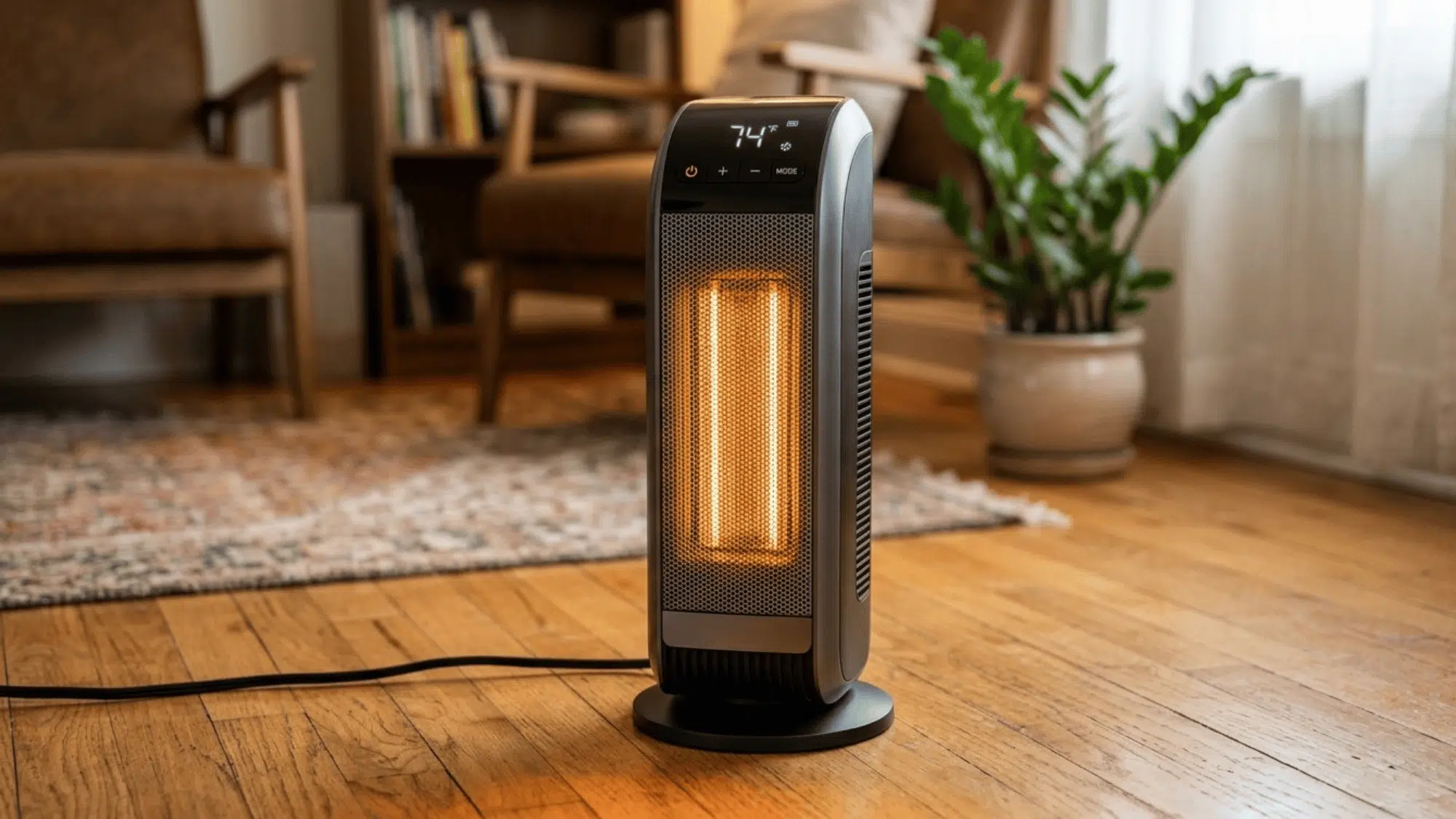
Yes, space heaters consume a significant amount of electricity. They may look small and harmless sitting in the corner of a room, but they quietly pull a lot of power every hour they run.
And once you see what’s actually going on behind the scenes, it all starts to make sense.
Space heaters run on high wattage, meaning they pull a heavy amount of power every single hour they operate. The type and size of the heater directly determine how much electricity it draws.
Here’s a clear look at the consumption across common heater types:
| Heater Type | Wattage | Daily Use (hrs) | Daily Usage (kWh) | Monthly Usage (kWh) |
|---|---|---|---|---|
| Mini Desk Heater | 400W | 4 hrs | 1.6 kWh | ~48 kWh |
| Small Ceramic Heater | 750W | 4 hrs | 3 kWh | ~90 kWh |
| Infrared Heater | 1,000W | 4 hrs | 4 kWh | ~120 kWh |
| Standard Ceramic Heater | 1,500W | 4 hrs | 6 kWh | ~180 kWh |
| Oil-Filled Heater | 1,500W | 4 hrs | 6 kWh | ~180 kWh |
| Tower Space Heater | 1,500W | 4 hrs | 6 kWh | ~180 kWh |
Note: This is based on average 4 hours of daily usage. Actual consumption may vary by model and settings.
How Space Heaters Drive Up Your Electricity Bill
High wattage is just one piece of the puzzle. The real damage to your bill often comes from everyday habits and home conditions that most people overlook.
- Long run hours: Every extra hour of use directly adds to your daily consumption and monthly bill.
- Wrong room size: A small heater in a large room runs longer and harder, drawing more power than necessary.
- Multiple heaters running together: Each unit adds its own wattage, and the combined load hits your bill all at once.
- Overnight usage: Even on low settings, 6–8 extra hours of overnight use add up significantly over a month.
- Older inefficient models: Outdated heaters draw more power to produce the same heat as modern, efficient units.
- Poor room insulation: Heat escaping through drafts and gaps forces the heater to keep cycling.
- High local electricity rates: Your per-kWh rate directly multiplies the total cost of every hour the heater runs.
Space Heaters vs. Central Heating: Which is Cheaper?
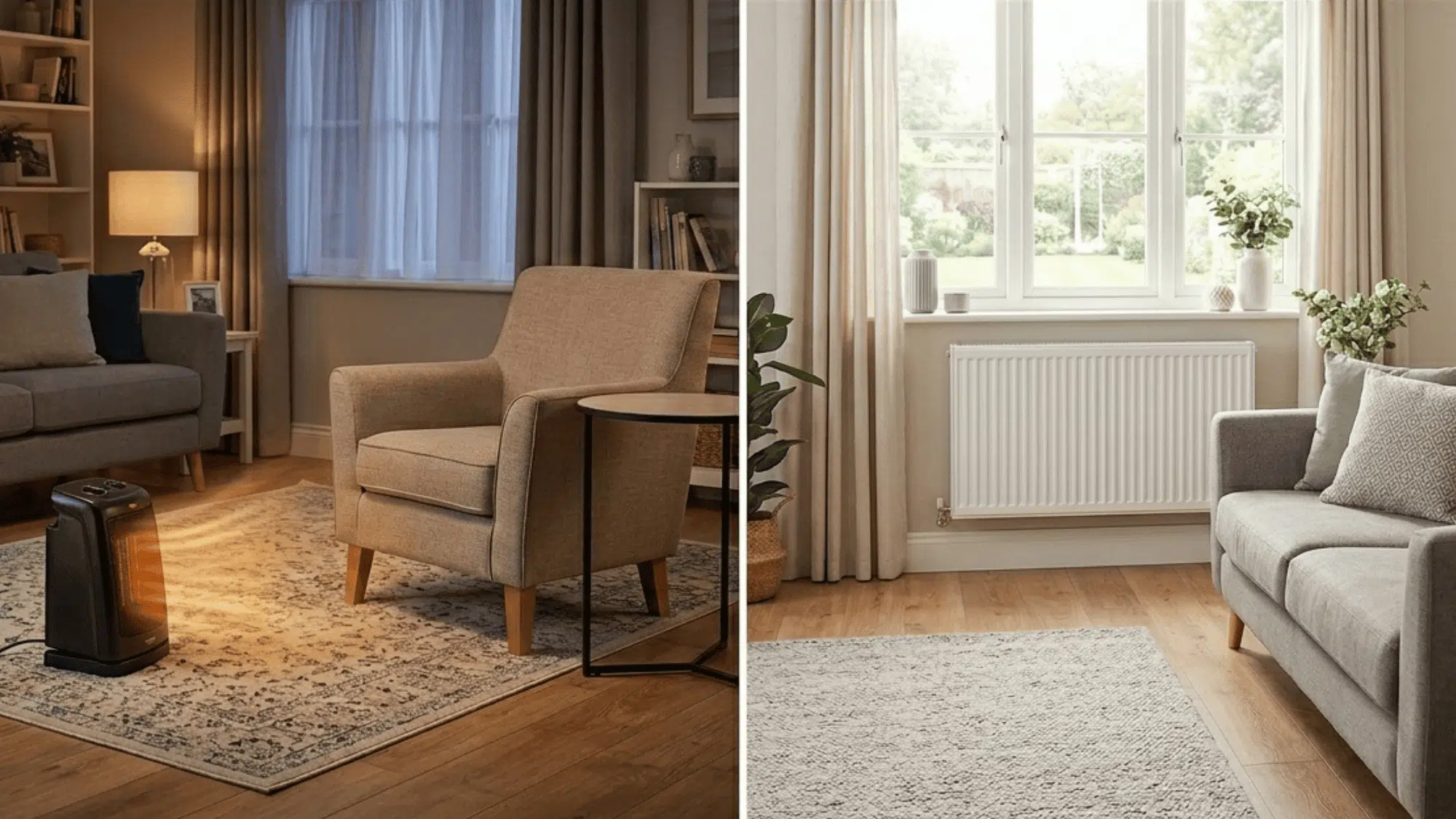
Choosing between a space heater and central heating isn’t just about comfort , it’s about what actually makes sense for your wallet.
| Factor | Space Heater | Central Heating |
|---|---|---|
| Best For | Single rooms | Whole home heating |
| Average Wattage | 750W – 1,500W | 3,500W – 7,000W |
| Daily Cost (avg use) | $0.15 – $0.60 | $1.00 – $3.50 |
| Monthly Cost (est.) | $20 – $80 | $80 – $200+ |
| Upfront Cost | $20 – $150 | $2,500 – $7,500 |
| Installation Required | No | Yes |
| Heats Multiple Rooms | No | Yes |
| Portability | Yes | No |
| Efficiency (small space) | High | Low |
| Efficiency (whole home) | Low | High |
| Maintenance Cost | Minimal | $100 – $300/year |
| Thermostat Control | Limited | Full control |
Note: Costs are estimated averages and may vary based on location, model, and usage habits.
How to Use a Space Heater Without Blowing Up Your Bill
Space heaters are only as expensive as the habits behind them. A few small changes in how you use one can keep your home warm without the painful bill at the end of the month. Here’s what actually helps:
1. Set the Thermostat
Most space heaters come with a built-in thermostat. Set it to a fixed temperature, and the heater will shut off on its own once the room is warm enough.
No more running at full power for hours straight, just the right amount of heat, exactly when needed. A small adjustment on the dial can save you more than you’d expect over a full month.
2. Close the Room Door
Close the door of whatever room you’re heating. Heat escapes fast into hallways and empty rooms, forcing the heater to keep running longer to make up for it.
A closed room warms up quicker and stays warm with far less effort. It’s one of the easiest habits to build and one of the most effective.
3. Layer Up First
Put on a sweater or an extra pair of socks before switching the heater on. This lets you run it on a lower setting and still feel comfortable. It’s a simple habit that quietly reduces how hard the heater has to work.
Less heat needed means less power used, every single time.
4. Position It Right
Don’t just drop the heater in the nearest corner. Placing it in a central spot lets warm air spread evenly across the whole room. Better placement means less runtime and better results.
A few extra seconds of thought on placement can make a noticeable difference in how efficiently the room heats up.
5. Use It as A Supplement
Keep your central heating running at a low base temperature. Then use the space heater only in the room you’re actually in. This way, no single unit is overworked, and you’re not paying to heat rooms that nobody is using.
It’s a smarter split that keeps both your comfort and your costs balanced.
6. Clean the Vents
Dust builds up on heater vents over time. When vents are blocked, the heater has to push harder just to circulate air , and that means more power is used for the same amount of warmth.
A quick wipe-down every couple of weeks keeps things running smoothly. It takes five minutes and makes a real difference in efficiency.
7. Use a Timer
Set a timer so the heater turns off after a set amount of time. It’s very easy to forget a heater is still running, especially at night.
Even cutting one extra hour of unnoticed runtime each day can lead to real savings by the end of the month. Most modern heaters have a built-in timer; use it every single time.
The Bottom Line
Space heaters are genuinely useful, but they work best when used the right way. The real problem was never the heater itself; it was the habits around it.
The whole point of asking do space heaters use a lot of electricity is to make smarter choices going forward, and now that picture is a lot clearer.
So pick the right model, follow a few simple habits, and staying warm this winter doesn’t have to mean dreading the next electricity bill. Small changes, real savings, it really is that straightforward.