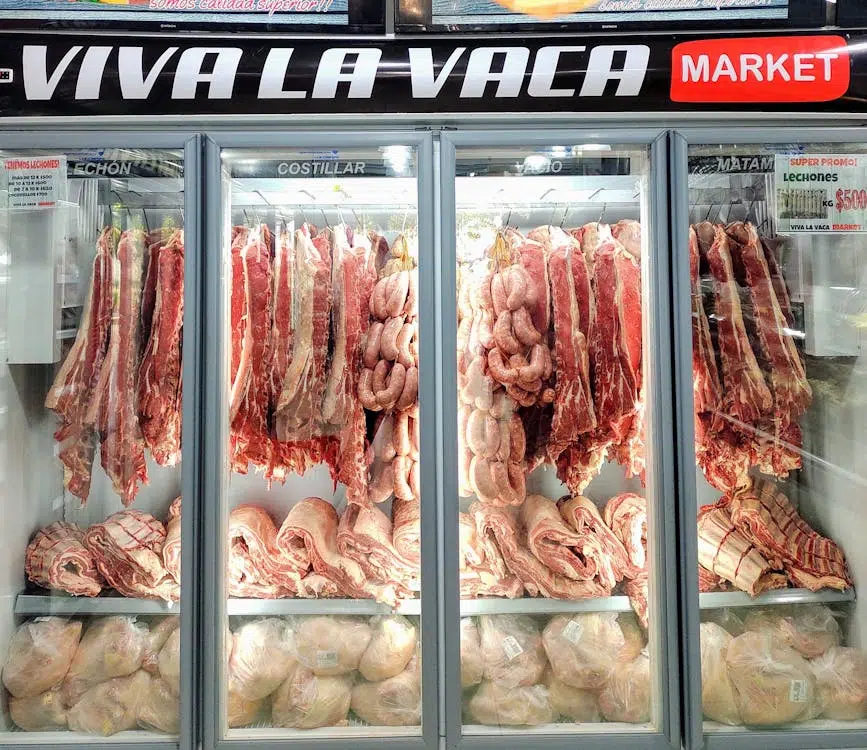
Canadian businesses and households throw away billions in spoiled food every year. The waste happens fast too. Temperatures shift a few degrees and suddenly your inventory is trash.
Most of this loss? Totally preventable. Temperature, airflow, organization. Get these three right and you’ll save serious money. Works the same whether you’re running a busy restaurant or just trying to keep your home fridge in order.
Understanding Temperature Zones and Control
Not all foods play nice at the same temperature. Fresh meat needs to stay between 28°F and 32°F. Dairy does fine at 36°F to 40°F. Produce throws a curveball though. Some varieties love the cold. Others turn to mush below 50°F.
Bacteria love one specific range. Between 40°F and 140°F, they multiply insanely fast. Food sitting in that zone for over two hours becomes a health risk. The FDA’s food safety guidelines spell it out pretty clearly. Keep things cold and keep them cold consistently.
Commercial kitchens can’t mess around with temperature swings. A few degrees of variation shortens shelf life fast. Digital thermometers help track what’s really happening at different shelf heights. Physics does its thing here. Cold air sinks, so your bottom shelves run colder than the top ones.
All that careful temperature control only works if the refrigeration system is sealed properly. Door seals wear out over time and need monthly checks. Even small gaps let warm air sneak in, forcing the compressor to run nonstop. Energy bills climb, temperature stability drops, and food safety takes the hit. Replacing worn seals early prevents bigger problems down the line.
Selecting the Right Equipment for Your Needs
Storage equipment isn’t one-size-fits-all. Solid door units work great in back areas where you’re not opening them every five minutes. Glass door coolers belong up front where customers browse. Under-counter models squeeze into tight spaces where regular units won’t fit.
Canadian businesses usually upgrade through specialized suppliers. Toronto Commercial Refrigeration carries prep tables, walk-ins, and everything between. They help match equipment to actual volume needs instead of just selling the biggest unit. Factory-direct pricing cuts costs and they ship across all provinces.
Size matters but so does how much you actually stuff inside. Overpacked units can’t circulate air properly. Hot spots develop. Products spoil unevenly. Leave two inches between items and walls minimum. Aim for 30% empty space in reach-in coolers so air can do its job.
Chest freezers beat upright models for temperature retention. Cold air is heavy. Open a chest freezer lid and it stays put. Open an upright freezer door and cold air spills out immediately. Think about how often staff needs access before picking a style.
Organizing Storage Spaces for Maximum Efficiency
Poor organization costs money in expired products and wasted labor. Staff spend half their shift hunting for items during rushes. Nobody has time for that.
Date everything when it arrives. Use waterproof markers because regular ink smears in cold environments. Put new stock behind old stock. Rotate constantly. Raw meat always goes on bottom shelves. Gravity exists and drips happen. Ready-to-eat food stays up top where contamination can’t reach it.
Color-coded labels speed up your operation. Red for meat, green for produce, blue for dairy. Staff spot what they need instantly instead of reading every label. Clear stackable containers let you see inside without opening anything. Square ones use space way better than round containers. Grab ones with tight seals to lock in moisture.
Layout matters more than most people think. Nothing should hide in corners where staff can’t see it. Review your setup every few months. Move things based on what your team grabs most often.
Maintaining Equipment for Long-Term Performance
Skip maintenance and watch small problems turn into expensive disasters. Regular cleaning prevents most issues before they start.
Wipe down interior surfaces weekly with food-safe sanitizer. Pull shelves out completely and wash them right. Buildup forces units to work harder than necessary. Condenser coils collect dust that blocks airflow. Clean them every three months with a coil brush. Units near fryers get dirtier faster because grease particles travel through air.
Manual defrost units need attention when frost hits a quarter inch thick. Ice takes up storage space and kills efficiency. Check temperatures daily. Digital systems send alerts before food safety becomes an issue. Older units need manual thermometer checks. Write down readings at consistent times so you can spot patterns.
Strange noises signal bearing problems developing. Longer run cycles mean efficiency already dropped. Fix these signs early instead of waiting for total failure.
Reducing Energy Costs Through Smart Practices
Location changes your energy consumption more than you’d expect. Keep refrigeration away from ovens, dishwashers, and sunny windows. Heat sources force compressors to work overtime. Leave six inches of clearance around units so air can flow.
Staff habits make or break energy efficiency. Opening doors constantly raises internal temps. Leaving them cracked wastes even more power. Train people to grab everything they need before opening coolers. Strip curtains on walk-ins cut losses. Auto-close hinges help too. Energy.gov resources show that proper door management drops cooling costs by 20%.
Night covers on open display cases trap cold air after closing time. They pay for themselves within months. Pull them off before opening to prevent condensation.
LED lighting produces way less heat than old fluorescent bulbs. Your cooling system fights the lights less. LEDs last years longer anyway. The upfront cost disappears fast through lower utility bills.
Making Storage Systems Work Better
Storage efficiency comes down to habits and equipment working together. Temperature control protects food safety daily. Organization speeds up service during rushes. Maintenance prevents breakdowns that shut you down.
Train staff on why these practices matter, not just what to do. People follow procedures better when they understand the reasoning behind them. Review your systems every quarter. Update anything that’s not working.