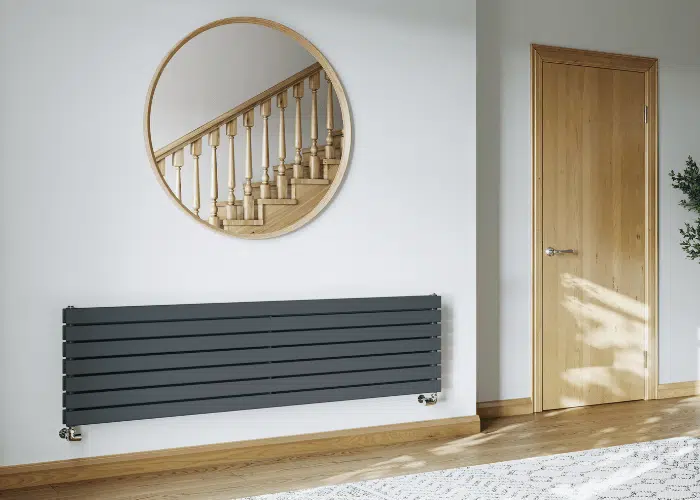
For decades, radiators have been treated as a necessary inconvenience. They were something to work around rather than work with bulky, white fixtures pushed beneath windows or hidden behind furniture, rarely considered part of the design conversation. Today, designer radiators are redefining modern home heating, proving that warmth and style no longer need to exist separately.
As interiors become more intentional and visually driven, heating has emerged as the last overlooked design element in the home. From open-plan apartments to carefully curated living spaces, radiators are finally getting a style upgrade, and homeowners are paying attention.
Why Traditional Radiators Clash With Contemporary Interiors
The problem with traditional radiators is appearance. Old-style panel radiators were designed with one goal in mind: heat output. Their boxy shape, limited finishes, and fixed placement make them difficult to integrate into modern interiors that prioritise clean lines, balance, and cohesion.
In contemporary spaces, where furniture is often low-profile and architectural features are left exposed, a bulky radiator can disrupt the room’s flow. Instead of blending in, it becomes an obstacle, something to disguise with covers or curtains. As interior design has evolved, these compromises have become outdated.
If you’re navigating this shift, you can find the right radiator for your interior from UK Radiators, especially when balancing style preferences with practical requirements.
Modern Living Has Changed How We Think About Heating
The way we live has shifted dramatically, and our homes reflect that change. Open-plan layouts, multi-use rooms, and minimal design schemes have become the norm rather than the exception. In these spaces, every visible element plays a role, and heating is no longer exempt.
Modern home heating needs to work around flexible layouts and evolving lifestyles. A radiator installed purely for convenience may no longer suit the room’s intended use. Designer radiators address this by offering alternative formats, placements, and proportions that work with the architecture instead of against it.
Heating as a Design Feature, Not a Hidden Utility
Interior designers have been instrumental in driving this shift. Increasingly, radiators are treated like lighting or furniture, selected early in the design process rather than as an afterthought. In some cases, they even become focal points.
Statement radiators, in bold finishes or sculptural forms, can visually anchor a space, especially in living rooms or hallways. In kitchens and bathrooms, decorative radiators and towel rails provide warmth while contributing to the overall aesthetic. The key difference is intention: heating is now part of the visual layout.
This change also reflects a broader design philosophy. When every element in a room is considered, nothing feels out of place. Radiators that complement flooring, cabinetry, or colour palettes help create a sense of cohesion that traditional models simply can’t offer.
Following the Latest Radiator Design Trends
Radiator design trends closely mirror broader interior design trends. Clean lines, muted tones, and thoughtful materials dominate current collections. Finishes range from soft matt neutrals to deeper, architectural colours that add contrast without overwhelming a space.
Vertical radiators continue to grow in popularity, particularly in urban homes where space is at a premium. Their proportions suit modern interiors while delivering effective heat output. Flat-panel designs appeal to those drawn to minimalist home heating, offering subtlety without sacrificing performance.
Material choice also matters. Steel, aluminium, and textured finishes add tactile appeal, elevating radiators from background fixtures to intentional design elements. These details align designer radiators with contemporary furniture and fittings rather than outdated utilities.
Performance Still Matters, And Standards Are Key
While style is a major driver behind the popularity of designer radiators, performance hasn’t been forgotten. In fact, industry standards play a crucial role in ensuring that modern radiators deliver both form and function.
Authoritative UK bodies such as the Manufacturers’ Association of Radiators and Convectors (MARC) emphasise that all radiators, including designer models and towel rails, must comply with British Standard BS EN 442. This standard ensures independent testing of heat output performance, allowing consumers and installers to choose radiators based on accurate, declared data.
MARC highlights the importance of correct heat output measurements at Delta T 50 and Delta T 30. These figures help prevent radiators from being undersized, which can affect heating efficiency, energy costs, and even carbon emissions.
Duncan Johnson, Deputy Director of Construction Products Regulation at the Office for Product Safety and Standards (OPSS), has supported MARC’s push for transparency, noting that compliant performance declarations prevent misleading claims and protect consumers from receiving inadequate heating.
Designer Radiators in Real Homes
What makes designer radiators particularly appealing is their versatility. They’re no longer limited to a single room or style. Living spaces benefit from radiators that complement furniture layouts rather than dictate them. Kitchens gain warmth without sacrificing wall space. Bathrooms transform functional towel rails into refined design features.
Professional retailers consistently note that modern radiators can serve as visual anchors while still meeting the heating needs of everyday living. The balance between aesthetics and output is what sets contemporary radiators apart from their predecessors.
Brands like UK Radiators have become part of this conversation by focusing on design-led solutions that respect both visual appeal and technical performance. Their collections reflect how far radiator design has come from novelty to a natural response to how homes are designed today.
Final Thoughts: Why Designer Radiators Are Here to Stay
The rise of designer radiators is the result of changing expectations. As homes become more curated and design-conscious, every element must earn its place. Heating is no longer invisible, and homeowners are no longer willing to compromise on aesthetics.
Modern radiators reflect a broader move toward thoughtful living, where practicality and beauty coexist. They acknowledge that comfort is about temperature and a space’s feel. In a world where interiors are increasingly personal, radiators have finally stepped into the spotlight. And it turns out, they were always capable of more than we gave them credit for.