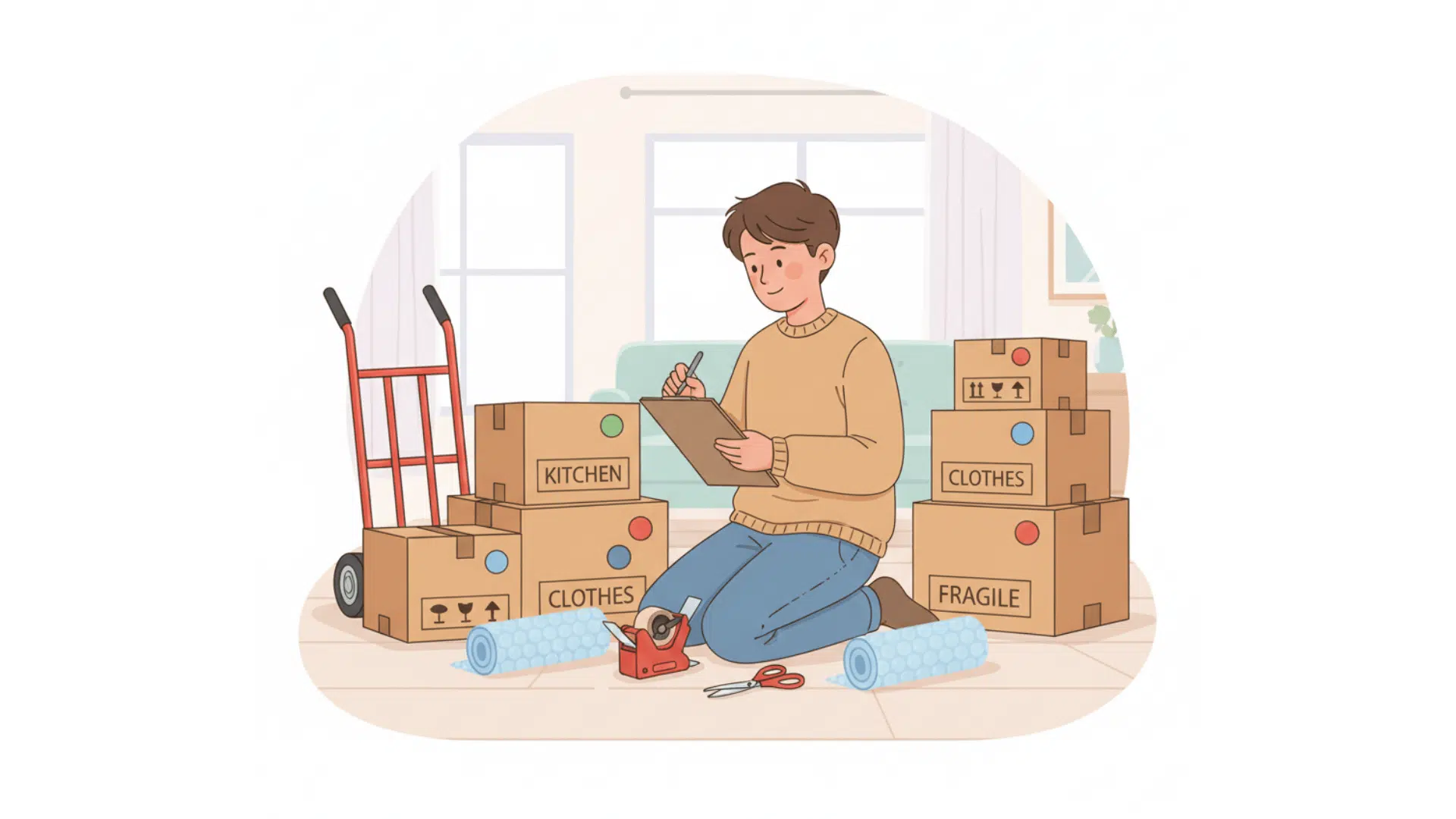
Moving to a new city is both exciting and scary. One moment you’re happy about a fresh start, and the next, you’re looking at a pile of boxes, unsure where to begin. The first 30 days are crucial for your moving experience. If you handle them well, you’ll settle in quickly. If not, you might be living out of suitcases for a long time.
Here’s what I’ve learned from too many moves to count: success isn’t just about getting your stuff from one place to another. It’s about having a game plan that keeps you sane while you’re doing it. If you’re heading to Southern California, working with experienced Pasadena movers can save you a massive headache. Trust me, the last thing you want is to be lugging furniture up three flights of stairs when you could be figuring out where the good coffee shops are.
This checklist breaks everything down week by week, so you’re not trying to do everything at once. Because let’s be honest—nobody has the energy for that after a move.
Week One: Critical Foundations (Days 1-7)
Your first week is all about survival mode. Forget perfection—you just need the basics working.
Immediate Priorities:
- Utilities and Services: Get electricity, gas, water, and internet set up ASAP. Most companies need 24-48 hours’ notice, so call before you arrive if possible. Moving in with no power or Wi-Fi is a nightmare.
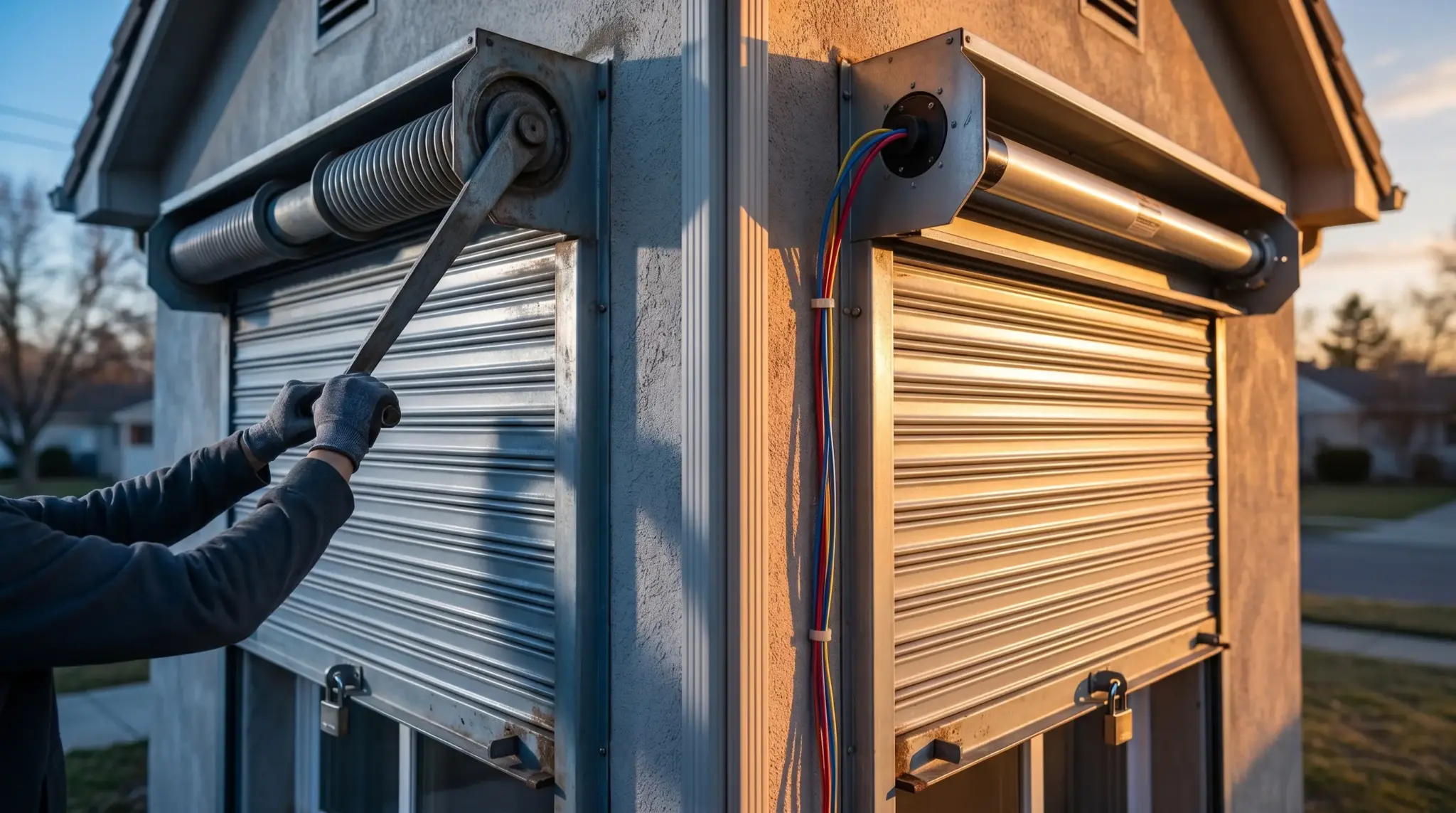
- Security First: Change those locks. You don’t know how many key copies exist. Add a video doorbell or smart locks for extra peace of mind.
- Deep Clean: Do this before unpacking. Cleaning around boxes is ten times harder. Hit the kitchen and bathrooms first.
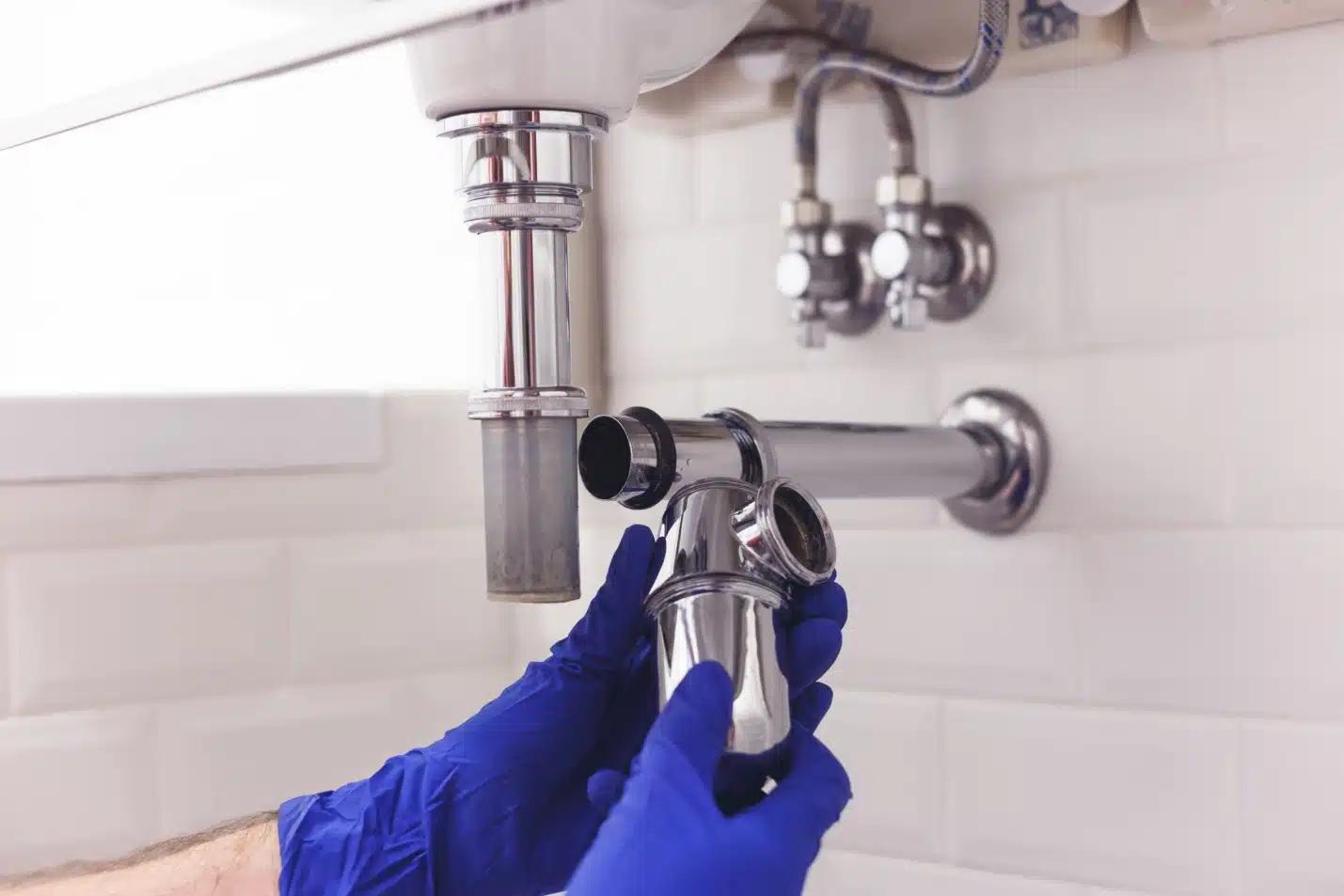
- Locate Emergency Shutoffs: Find your water valve, electrical panel, and gas shutoff now. When a pipe bursts at 2 AM, you don’t want to be Googling.
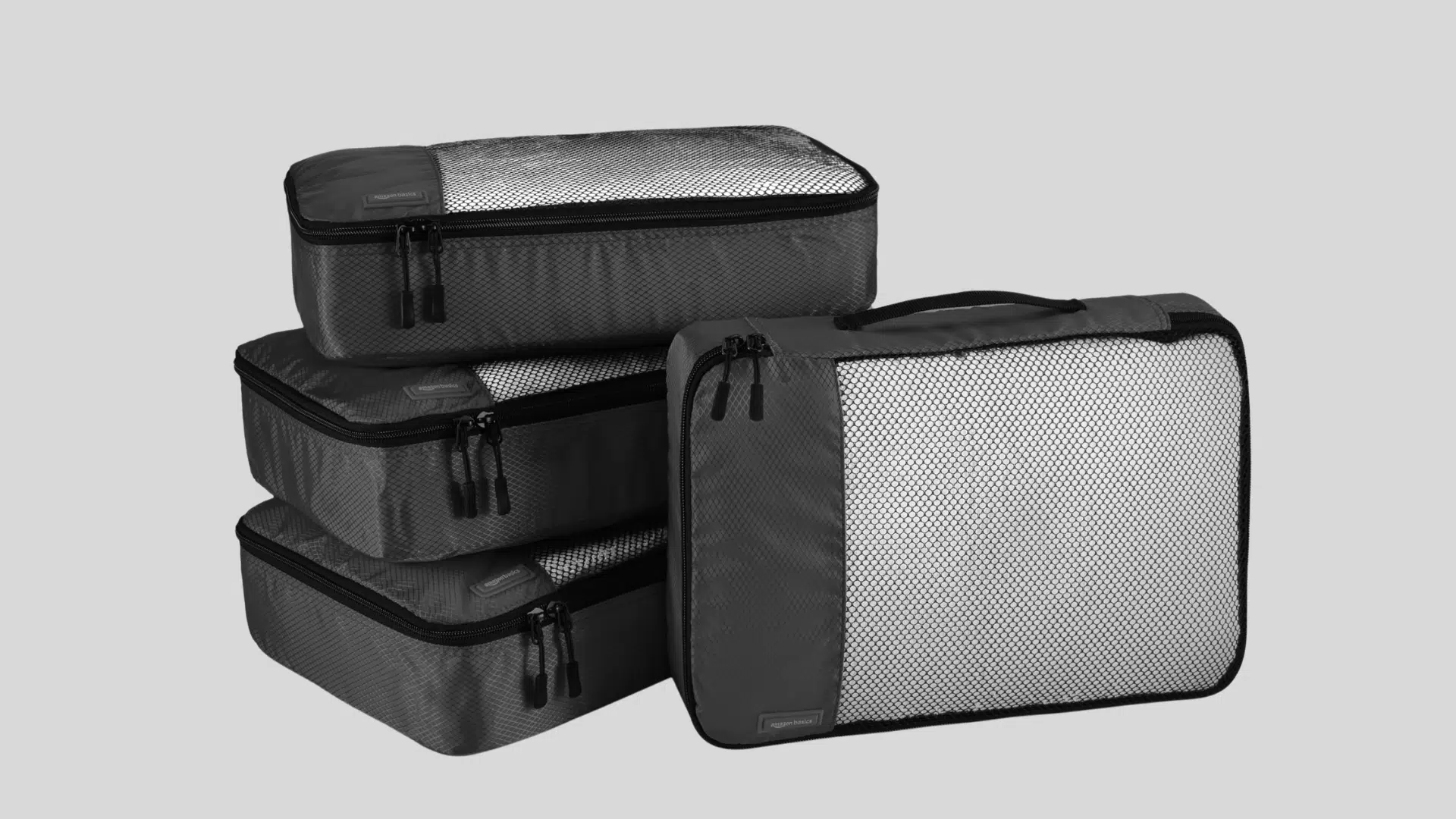
- Unpack Essentials: Start with toiletries, bedding, basic kitchen stuff, medications, and essential documents. Everything else can wait.
- Update Your Address: File with USPS, update your driver’s license, car registration, banks, and insurance. Tedious but necessary.
- Explore Your Neighborhood: Find the nearest grocery store, pharmacy, hospital, and gas station. You’ll feel more settled once you know where everything is.
Week one is always chaotic. Just get the essentials done.
Week Two: Settling In (Days 8-14)
You made it through week one. Now make this place actually livable.
Organization and Functionality:
- Kitchen Setup: Organize based on how you actually cook. Put daily-use items within easy reach. Drawer organizers and shelf risers are cheap and make a big difference.
- Bathroom Essentials: Hang shower curtains and bath mats. Check water pressure and drains—better to catch problems now.
- Closet and Storage: Set up organizers and add shelving. Create a system for seasonal stuff. Running out of room? Check out storage unit options to stay organized.
- Safety Proofing: Kids or pets? Install safety gates, outlet covers, and cabinet locks. Remove toxic plants and secure furniture.
- Test All Appliances: Run the dishwasher, test the oven, and check the fridge. Make sure the washer and dryer work.
- Set Up Work Areas: Create a dedicated workspace with good lighting and a comfortable chair.
Week two is good for meeting neighbors. They know things about the area you won’t find online.
Week Three: Personalization and Community (Days 15-21)
Now for the fun part—making this place actually feel like yours.
Making It Home:
Hang your artwork, photos, and mirrors. This makes a huge difference in how the space feels. Try different furniture arrangements until something clicks. Add throw pillows, rugs, curtains, and plants—all those cozy touches matter more than you’d think. Swap harsh light bulbs for warmer ones, or grab some smart bulbs if you want to get fancy.
Update your voter registration. Find a doctor, dentist, vet, hair stylist, and mechanic—people you’ll need eventually anyway. Explore local parks, libraries, and community centers. Join a club or group that interests you. It’s way easier to meet people when you’re all doing something together.
Week Four: Long-Term Setup (Days 22-30)
Home stretch. Week four is about tying up loose ends.
Future-Proofing Your Home:
Schedule maintenance you’ve been putting off—HVAC, gutters, whatever needs doing. It’s cheaper than emergency repairs later. Take photos of your belongings and save receipts for insurance. Set up a filing system for important documents.
Put together an emergency kit: water, food, flashlights, batteries, first-aid supplies, and copies of documents. Make an evacuation plan. Look at your organizational systems—fix what’s not working before it becomes a habit. Check your budget to make sure it still makes sense with your new costs.
By day 30, you should actually feel at home.
Special Considerations for Different Living Situations
Renters: Take photos of everything before moving in—every scuff, every stain. Save yourself the deposit drama later. Read your lease and be cool to your landlord.
Homeowners: If you skipped the home inspection, get one now. Start a maintenance schedule and emergency repair fund. Something will break eventually. Check out these tiny home floor plans if you’re considering downsizing.
Families with Children: Enroll kids in school, find a pediatrician, and research activities for them. Help them explore the neighborhood—new places can be scary for kids.
The Importance of Professional Moving Services
Everything in this checklist assumes you’ve actually gotten your stuff to your new place in one piece. And that’s easier said than done if you’re trying to DIY the whole move yourself.
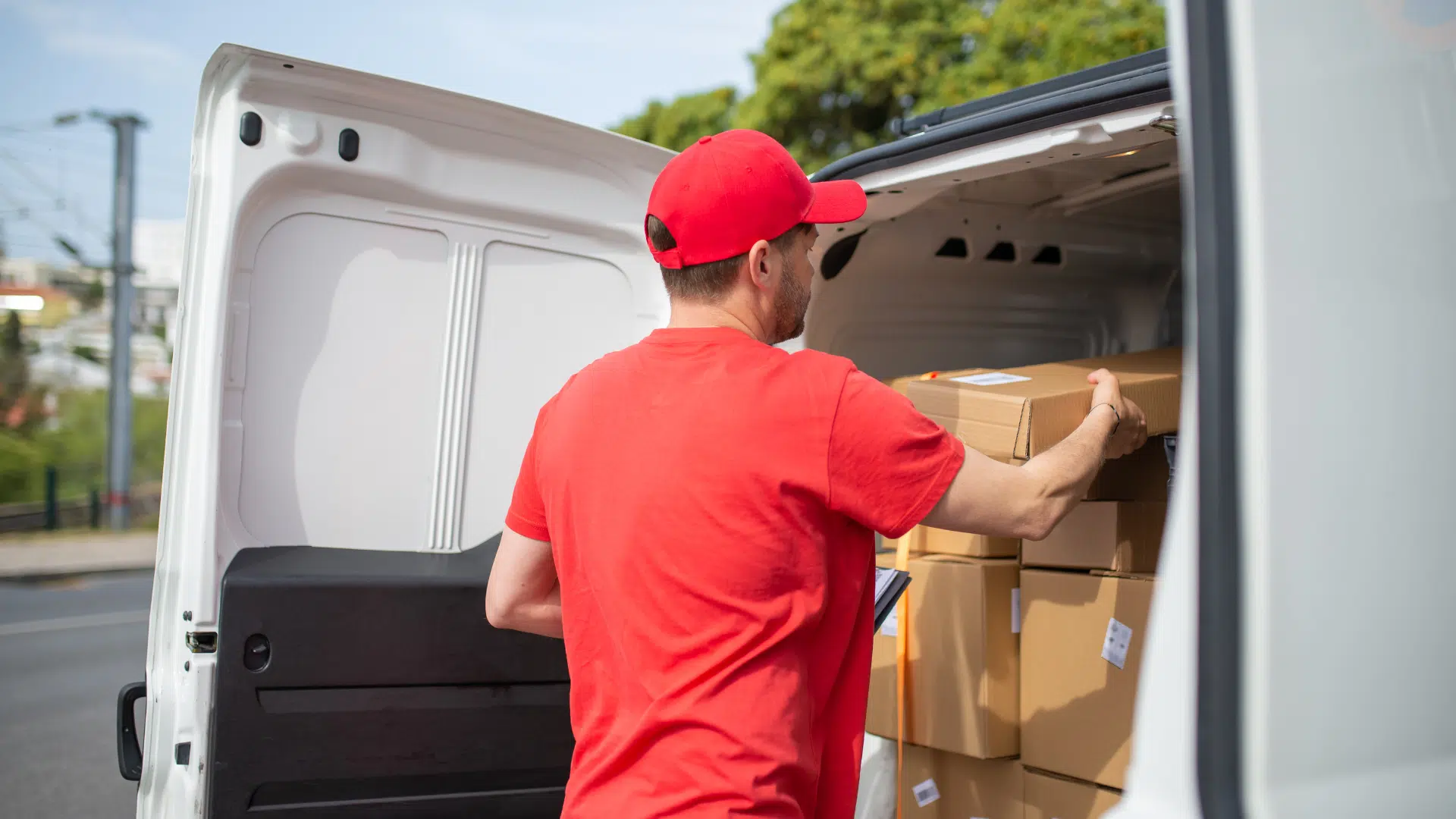
Professional movers aren’t just about lifting heavy boxes (though that alone is worth it). They know how to pack fragile items so they don’t break, they’ve got the right equipment, and they can knock it out in a few hours that would take you all day. Plus, you’re not exhausted and sore for the entire first week, which means you have the energy to tackle all this other stuff.
Companies like Mario Moving Company get that moving isn’t just about transporting your belongings from A to B. It’s about helping you start your new chapter without losing your sanity.
Final Thoughts
The first 30 days in a new city are very important. If you handle them well, you’ll feel settled quickly. If not, it could take you months to catch up.
Everyone adjusts differently. Some people unpack in two days and feel at home right away. Others need a few months to feel comfortable. Don’t compare your timeline to anyone else’s. Just go through this checklist at your own speed, celebrate small achievements (like finding a good coffee shop), and ask for help when you need it.
Before you know it, you won’t remember what it was like to be the new person. You’ll just feel at home.