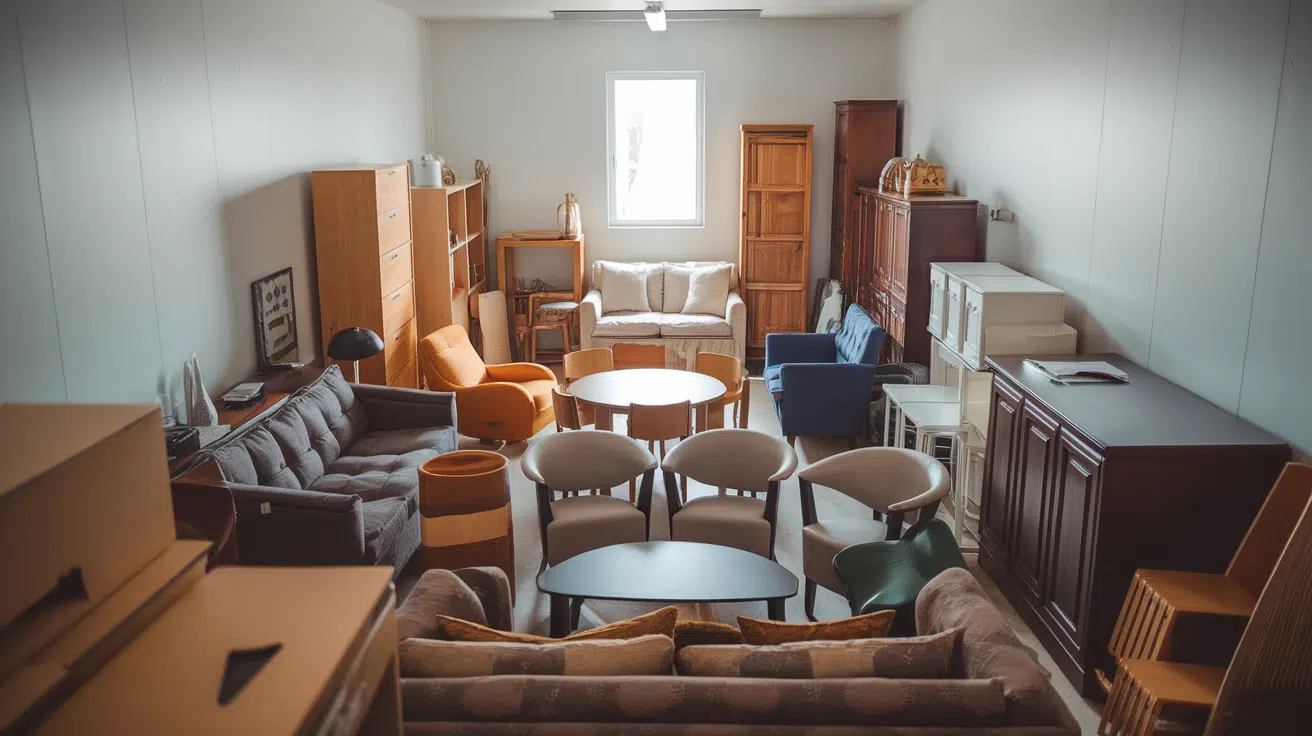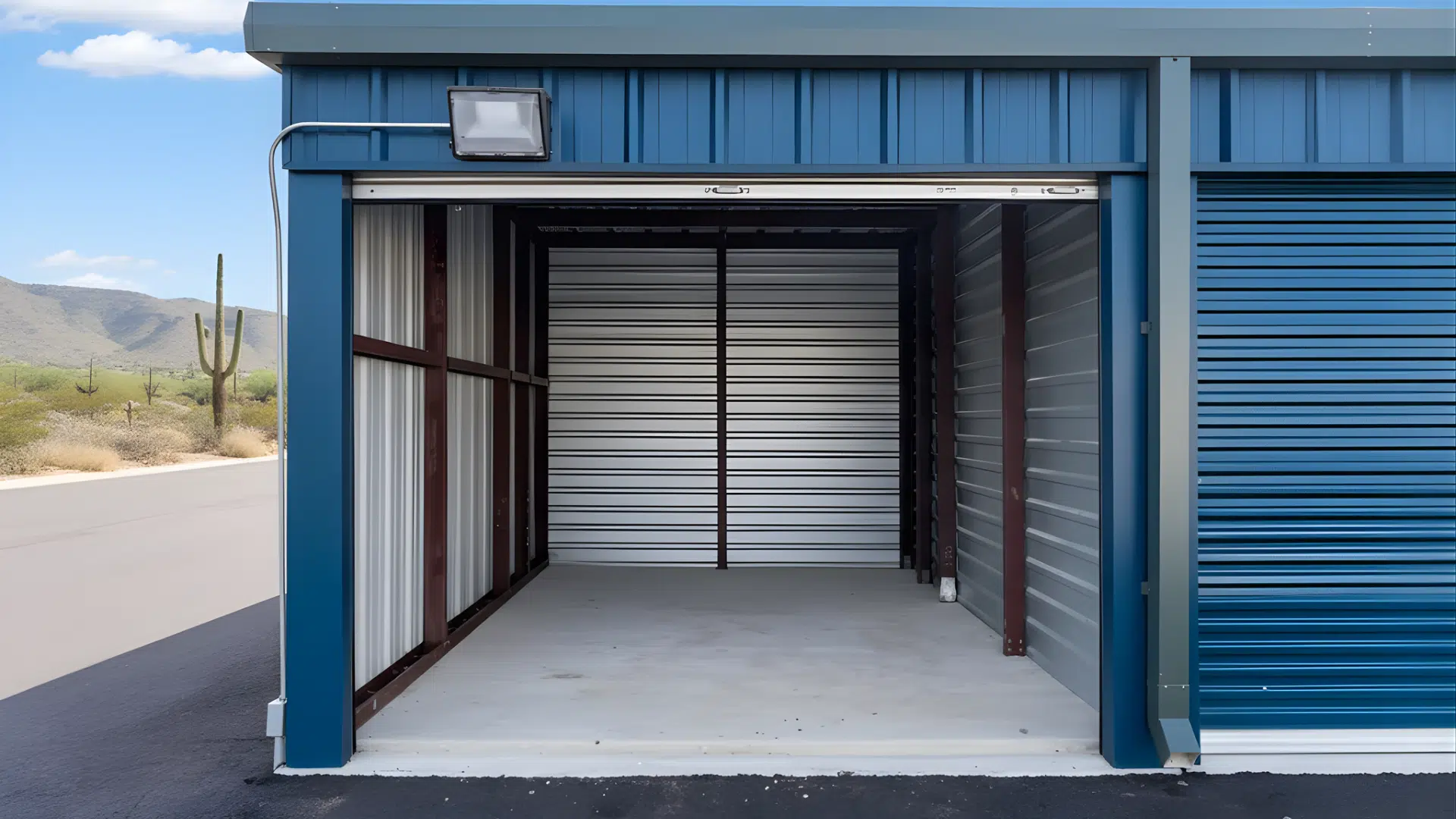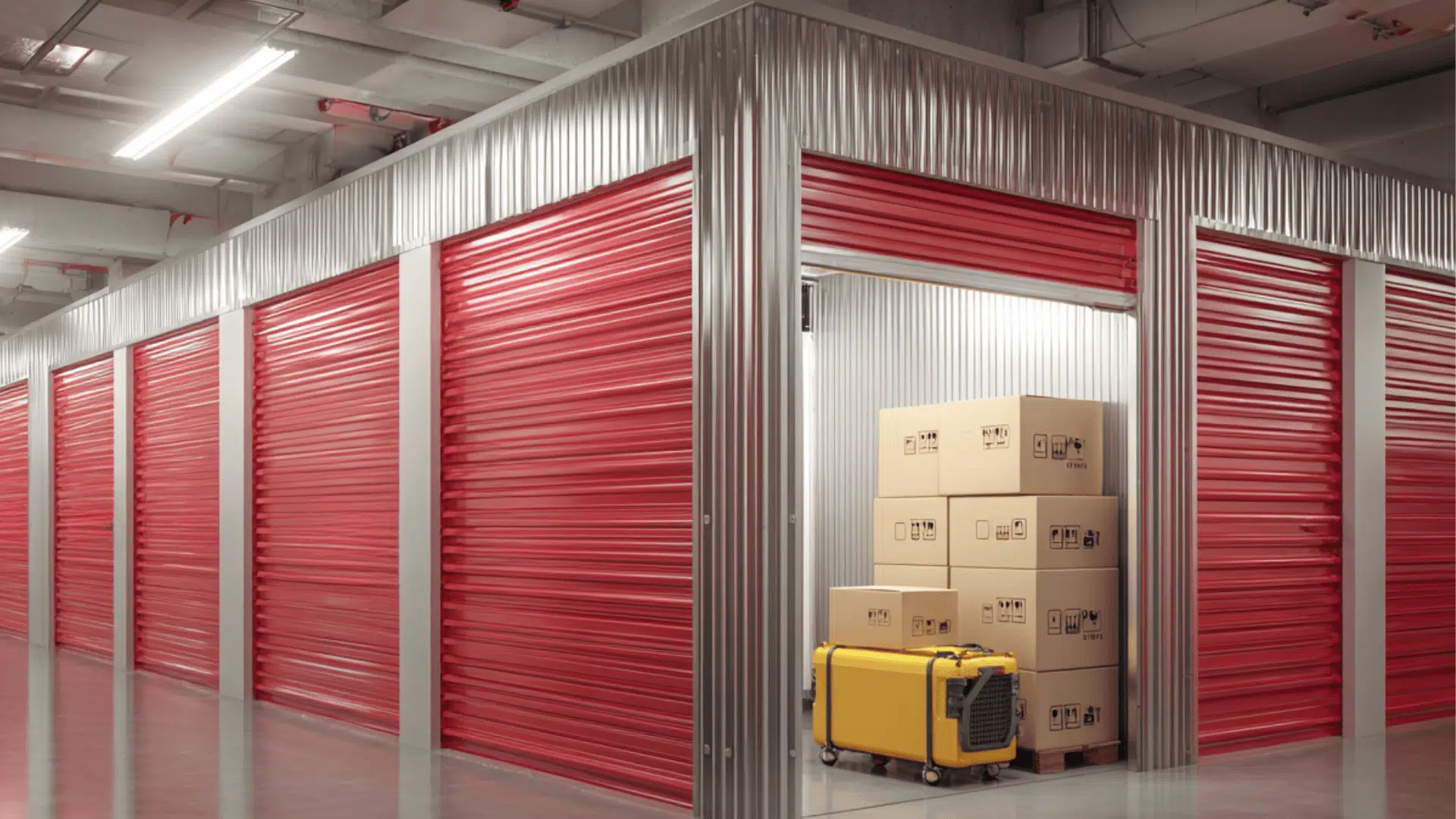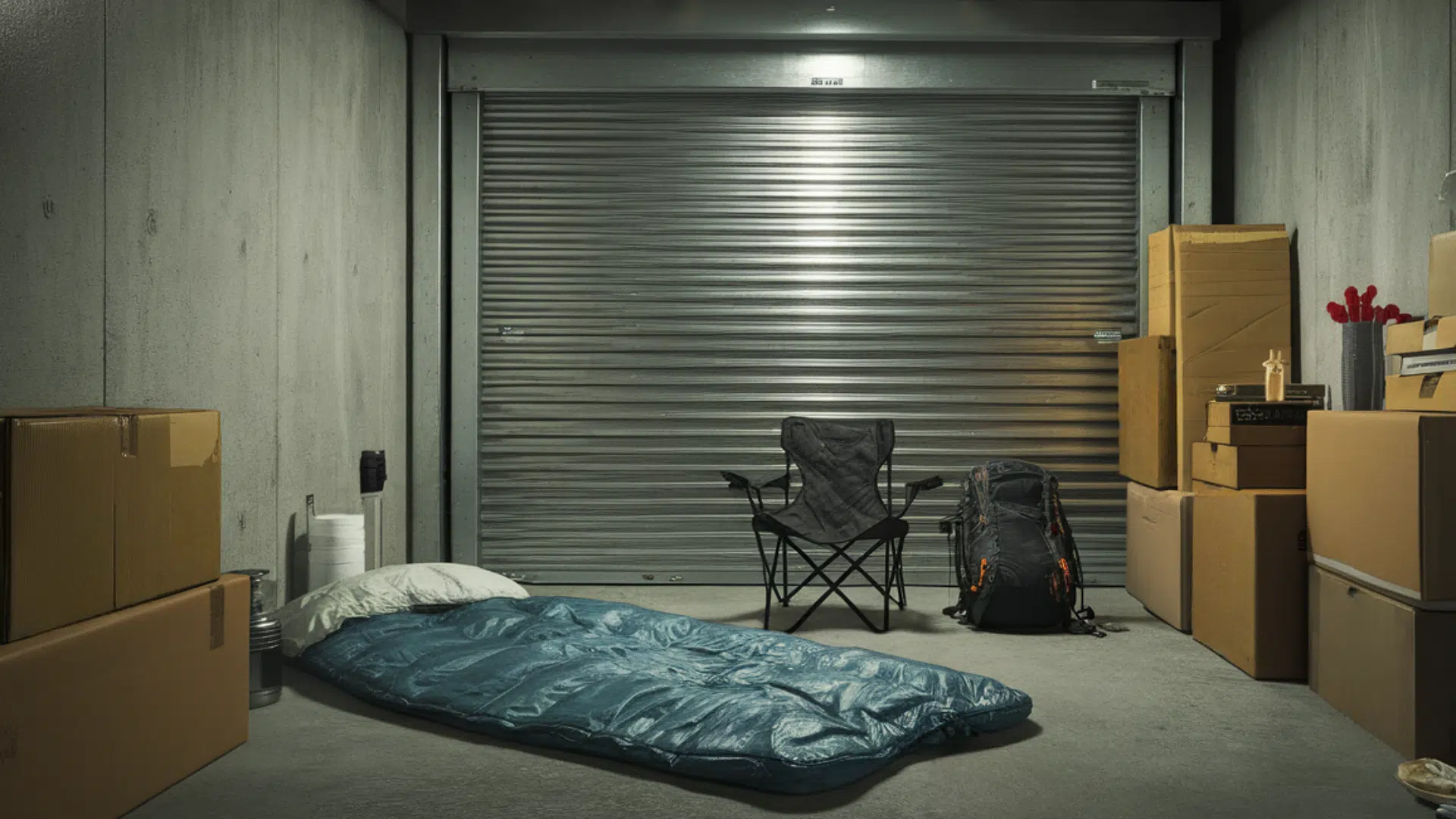
Living in a storage unit is a topic that keeps coming up online, especially when rent feels impossible to afford.
You may have seen videos, posts, or comments from people asking if it’s doable, even for a short time. Some share real stories about trying it during hard moments, while others are just looking for answers.
This topic isn’t about judging anyone. It’s about understanding why people consider it, what actually happens, and what risks are often ignored.
If you’ve ever wondered about living in a storage unit, this guide will help you think clearly before making a risky choice.
Why People Even Consider Living in a Storage Unit
When money runs out and options feel limited, people start thinking about choices they never planned to make.
- Rent Feels Impossible: Rising rent, high deposits, and strict credit checks push people to look for cheaper, short-term fixes. A storage unit can seem affordable at first.
- Trying to Keep Belongings Safe: Many people worry about losing their stuff more than where they sleep. A unit feels like a way to protect personal items during unstable times.
- Fear of Shelters: Some avoid shelters due to safety concerns, rules, or past bad experiences. Privacy feels important when everything else feels out of control.
- Thinking It’s Only Temporary: People often believe it will be “just for a few nights,” without realizing how fast risks and stress add up.
These reasons usually come from survival, not poor choices. Understanding the why helps explain why this idea shows up when people feel stuck and out of options.
Personal Stories People Share Online
Many real conversations online show how people think about or actually try living in storage units. These stories help us see the real worries, fears, and surprises behind the idea.
Real Life Stories and Quotes
On a storage forum, one commenter shared how a Pennsylvania couple went viral after trying to live in their unit and being kicked out. Someone defending them said:
“The cost of renting an apartment is ridiculous so I don’t see a problem with what they did.”
But many others disagreed strongly. You can read the full story here.
Another post from the same forum described a holiday surprise from a facility worker: he walked in on a woman relaxing on a bed watching TV inside her unit on Christmas Eve.
In a different online exchange, someone struggling replied:
“Where do we expect a homeless person to live, since it is much safer to have a roof over his head than to live on the street and maybe be murdered.”
This sparked a big argument, and the thread has since been removed.
See More Experiences and News on YouTube:
These real snippets show how different people think and feel about the idea, from debate and frustration to honest fear and survival thinking.
Is It Illegal to Live in a Storage Unit in the U.S.?
In most parts of the U.S., living in a storage unit is not legal.
Storage units are made to hold items, not people. Local laws usually ban people from sleeping in commercial spaces like these.
On top of that, almost every storage company clearly says in their contract that living in a unit is not allowed. If staff find out, they can end your rental right away or call the authorities.
Even if no one notices at first, the risk is always there. Laws can vary by city, but overall, storage units are not considered legal or safe places to live.
Safety Risks People Don’t Expect
Living in a storage unit may seem quiet and private at first, but many risks are easy to miss. Most people don’t realize how unsafe these spaces can be for everyday living.
- Fire Danger: Storage units are not built for cooking, heaters, or candles. A small mistake can turn into a fast-moving fire.
- Poor Air and Ventilation: Many units have little to no airflow. This can make it hard to breathe, especially in hot or closed spaces.
- Extreme Heat or Cold: Metal buildings trap heat in summer and freeze in winter. This can lead to serious health problems.
- Getting Locked In: If a door shuts or locks, getting out quickly can be hard during an emergency.
- No Clean Water or Bathroom Access: Limited access to restrooms and water can cause health and hygiene issues over time.
These risks often don’t show up right away, which makes them more dangerous. What feels like a short-term fix can quickly turn into a serious safety issue.
Living in a Storage Unit: What Usually Happens

Many people think living in a storage unit will help them get through a tough phase. In reality, the experience often plays out very differently than expected.
1. The Stress Builds Fast
At first, the space may feel quiet and hidden. But the fear of being seen or caught never really goes away. People often sleep lightly and wake up at every sound.
Cameras, staff walk-throughs, and nearby units opening can cause constant anxiety. Over time, this stress can affect sleep, focus, and mental health.
2. Daily Life Becomes Hard
Simple daily needs turn into problems. There is no safe way to cook, charge devices, or store food. Bathrooms may only be open during office hours.
Without proper lighting or airflow, the space can feel cramped and uncomfortable. These small struggles add up quickly.
3. Getting Removed Happens Suddenly
Most people who try this don’t leave on their own terms. Once staff notice signs of living inside the unit, the rental can be ended right away.
People are often told to leave immediately and may lose access to their belongings. This can make an already hard situation even worse.
Storage Unit Living vs. Alternatives
It helps to compare this idea with other options that may be safer and more stable.
| Option | Why People Consider It | Major Downsides |
|---|---|---|
| Living in a Storage Unit | Feels private, low monthly cost, keeps belongings nearby | Illegal in most areas, high fire risk, no water, no heat or cooling |
| Emergency Shelter | Free or low cost, basic services provided | Crowded, limited privacy, rules and curfews |
| Room Rental or Shared Housing | Legal, safer, real address | Still costs money, may need deposit |
| Weekly Motel | Private space, bathroom access | Expensive long-term, adds up fast |
| Safe Parking Programs | Legal option for people in vehicles | Only works if you have a car, limited locations |
Final Verdict: Can You Live in a Storage Unit?
When you’re under pressure, almost any option can seem worth trying. Before choosing this, it’s important to slow down and look at what it really involves.
- It’s Not Built for People: Storage containers and units are made for items, not daily living. They lack basic needs like airflow, water, and safe exits.
- The Risks are High: Fire danger, extreme temperatures, and the chance of being locked in make this option unsafe, even for short stays.
- Legal Trouble is Common: Most places don’t allow people to live in storage units. Getting caught can mean sudden removal or losing access to your belongings.
- Stress Often Outweighs Savings: The mental strain of hiding, poor sleep, and fear adds up quickly. What seems cheaper can cost more in the long run.
Looking for legal and safe options can protect both your health and your future.
Conclusion
Living in a storage unit often starts as a desperate idea during a hard moment, not a long-term plan. The stories, risks, and outcomes shared in this guide show that it usually brings more stress than relief.
While it may seem private or affordable at first, the safety and legal problems can quickly make things worse.
If you’re feeling stuck, know that safer options do exist, even if they don’t feel perfect. Reaching out for help can be the first step toward stability.
If this helped you, share it with someone who may be struggling right now. And if you’re facing housing stress, consider contacting local support services or trusted people today.