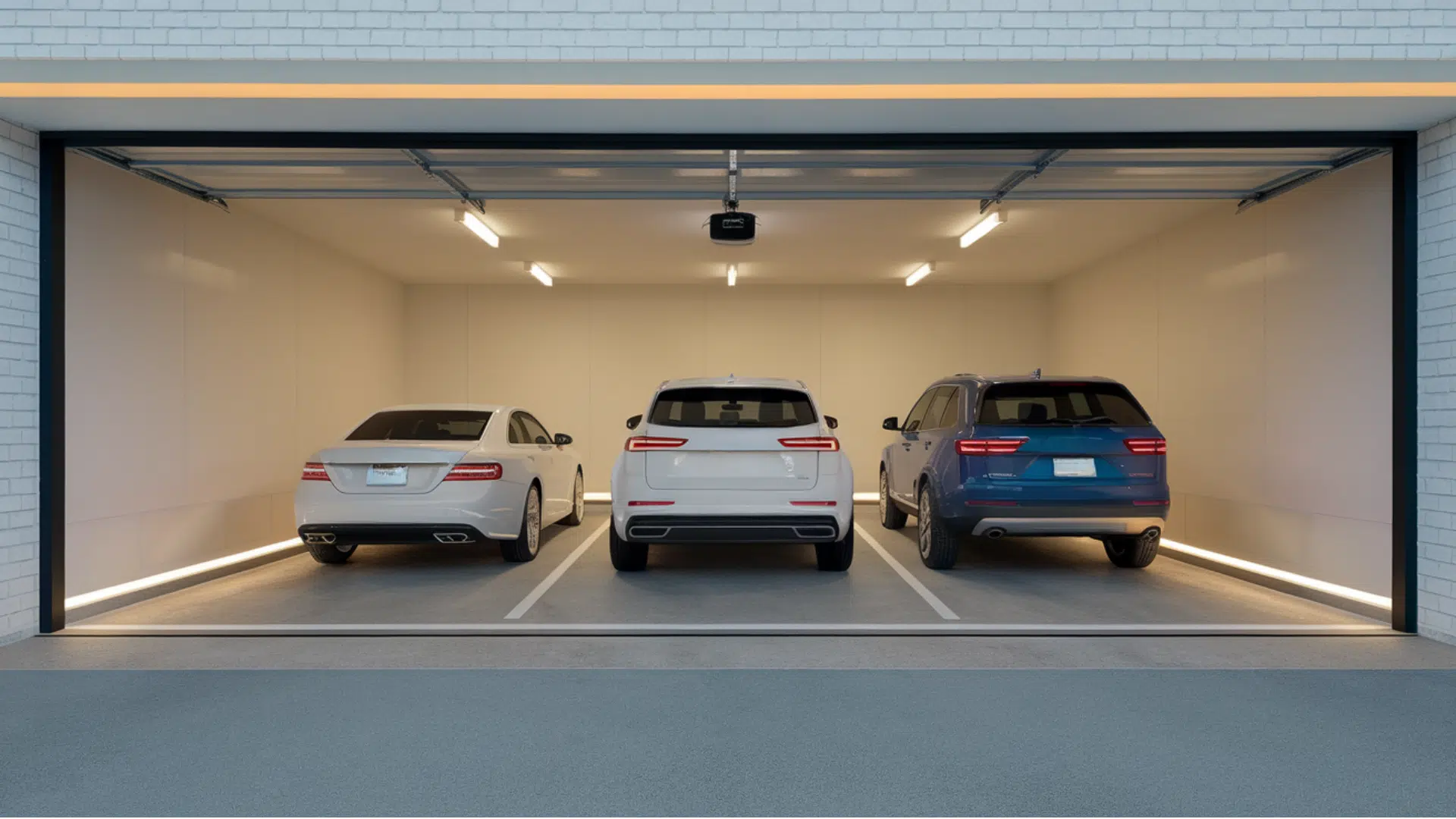
A single car garage may sound simple, but choosing the right size is not always easy.
Many homeowners assume one standard size fits all, but that is rarely the case. Your car, storage needs, and daily habits all play a role.
A garage that feels fine on paper can feel tight once you park, open the doors, and walk around.
In this guide, I will break down standard dimensions, door sizes, and layout tips. Whether you park a small sedan or a larger SUV, this article will help you plan a garage that feels comfortable, not cramped.
What “Single Car Garage” Really Means
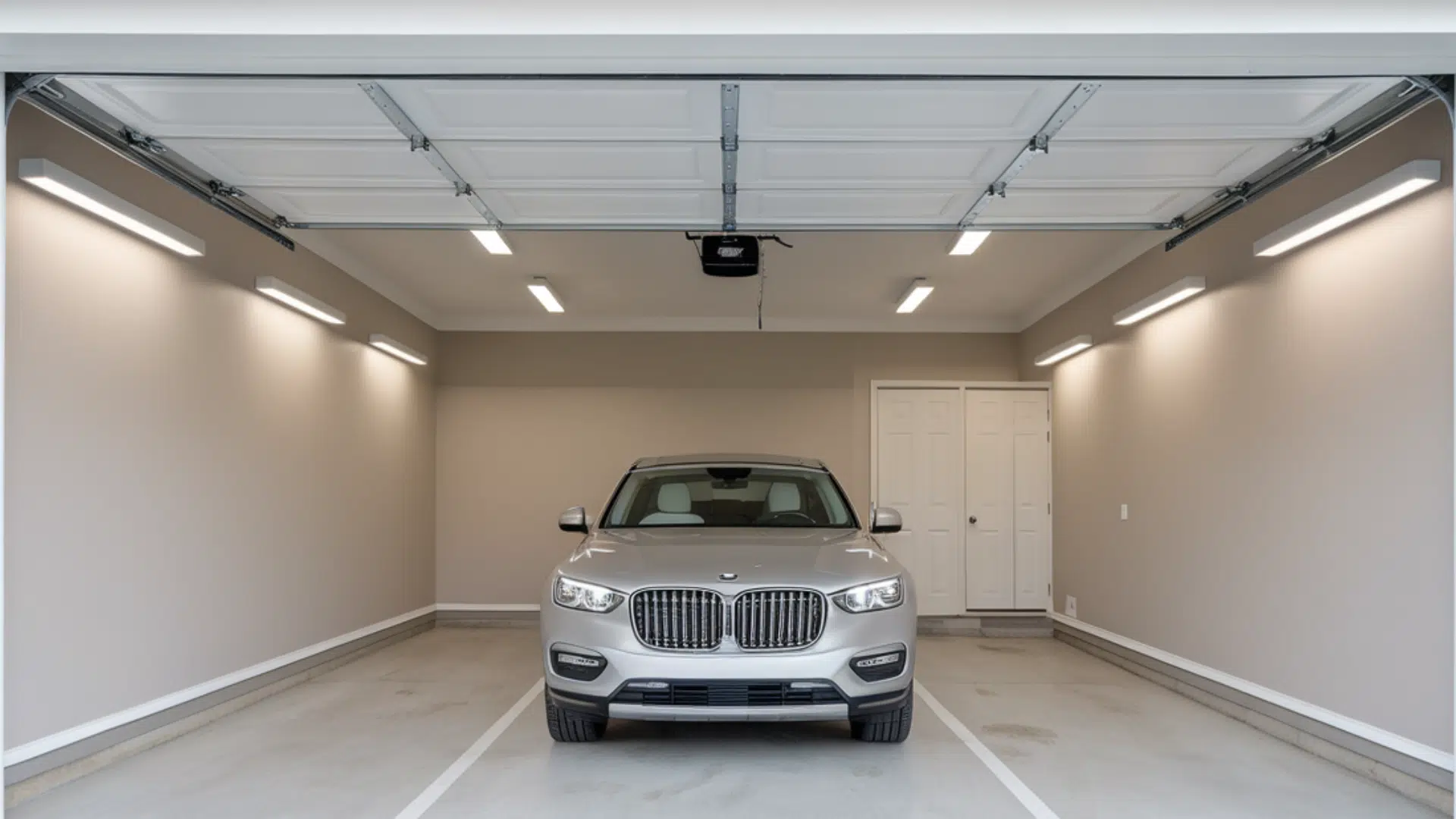
A single car garage does not just mean a space where one car can fit. It means a garage that allows you to park, open your doors, and move around without stress.
Many people think as long as the car fits, the garage is big enough. In real life, that is rarely true. You need room for walking, storage, and door swing space. Trash bins, shelves, or bikes also take up space fast.
A true single car garage should feel usable every day, not tight or frustrating. The goal is comfort and function, not just fitting one vehicle inside.
Standard One Car Garage Dimensions
Most single car garages follow a few common size ranges. These sizes are based on what fits most vehicles while leaving some room to move around.
| Garage Size (Feet) | Square Footage | Best For |
|---|---|---|
| 12 × 20 | 240 sq ft | Small cars, basic parking |
| 12 × 22 | 264 sq ft | Compact cars with light storage |
| 12 × 24 | 288 sq ft | Sedans with walking space |
| 14 × 24 | 336 sq ft | SUVs or added storage |
| 16 × 24 | 384 sq ft | Larger vehicles and work space |
These dimensions give you a good starting point when planning your garage. If you want storage or extra comfort, choosing a slightly larger size can make daily use much easier.
Single Garage Door Size Guide
Choosing the right garage door size is just as important as the garage itself. The door affects how easily you park and how much space you have inside.
- 8 ft wide × 7 ft tall: Works for small cars, but can feel tight for wider vehicles.
- 9 ft wide × 7 ft tall: A common choice for most single car garages and daily drivers.
- 10 ft wide × 7 ft tall: Gives extra room for easier parking and door clearance.
- 8 ft tall doors: Helpful for SUVs, trucks, or cars with roof racks.
Picking the right door size helps avoid tight parking and daily frustration. A little extra width or height can make a big difference over time.
Garage Ceiling Height and Clearance
Garage ceiling height affects how easy the space is to use.
Most single car garages have 8 to 10 feet of ceiling height. This allows room for garage door tracks, openers, and lighting.
If you plan to add overhead storage or tall vehicles, extra height is helpful. Low ceilings can feel tight and limit storage options.
Always check local building codes before planning, since minimum height rules can vary by area.
How to Choose the Right Garage Size
The right garage size depends on how you use the space, not just the car you drive. Thinking ahead can save you stress later.
- Measure your vehicle first: Check the full length and width, including mirrors, not just the body.
- Add door swing and walking space: You need room to open doors and move around comfortably.
- Plan for storage needs: Shelves, bins, bikes, and tools can quickly take up space.
- Think about future vehicles: Cars are getting wider, so extra space now can help later.
Choosing a slightly larger garage often makes daily use easier. Comfort and flexibility matter more than saving a few feet of space.
Layout Ideas for a One-Car Garage
A smart layout can make even a small garage feel easy to use. The goal is to keep the car area clear while using the walls and ceiling wisely.
1. Keep the Parking Area Clear
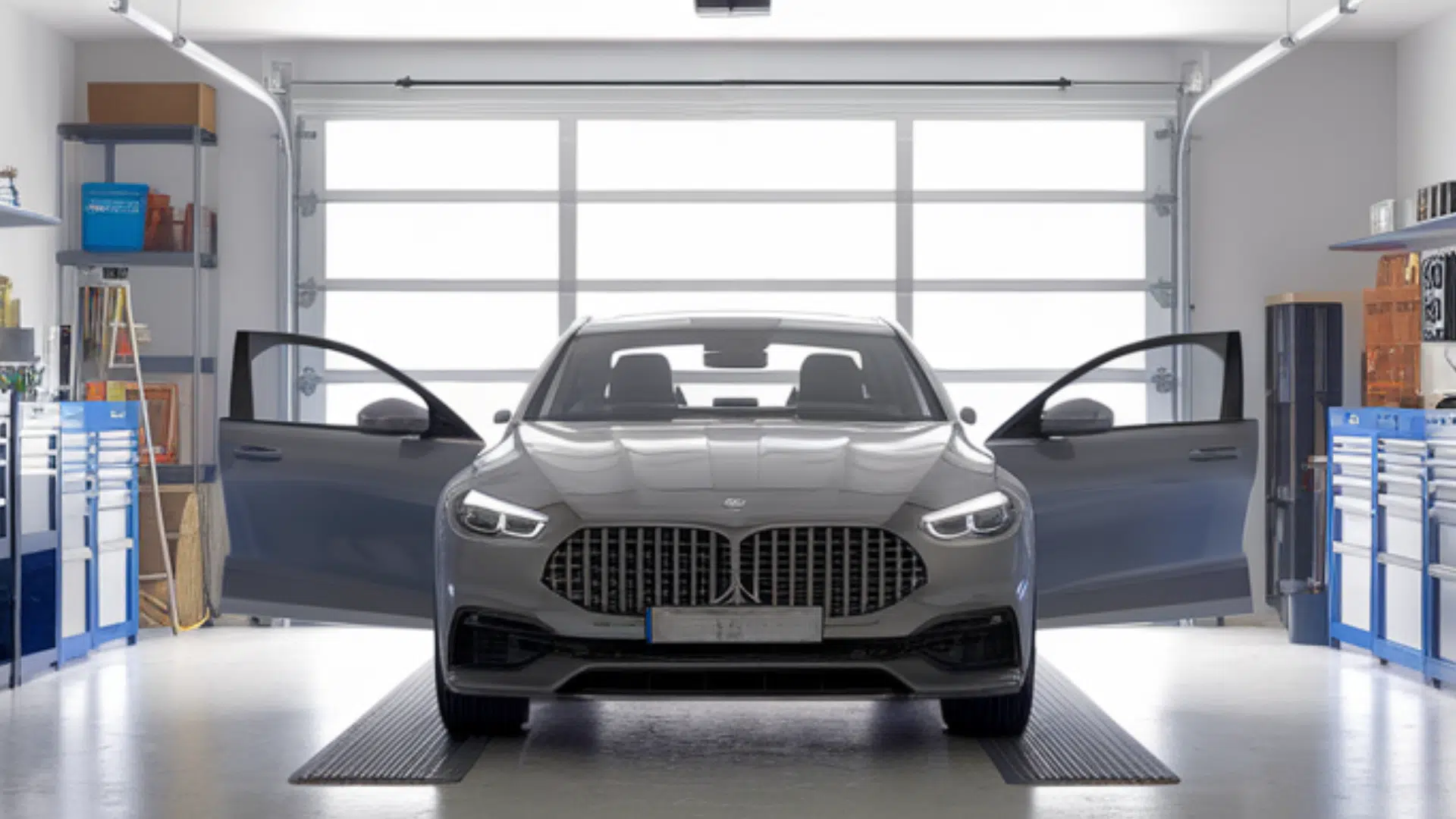
Park the car in the center and avoid placing items near door swing areas. This makes getting in and out easier every day. Clear space also helps prevent scratches and dents.
A clean parking zone keeps the garage feeling open. Mark the parking area with floor tape if needed. This helps everyone park in the same spot every time
2. Use Wall Space for Storage
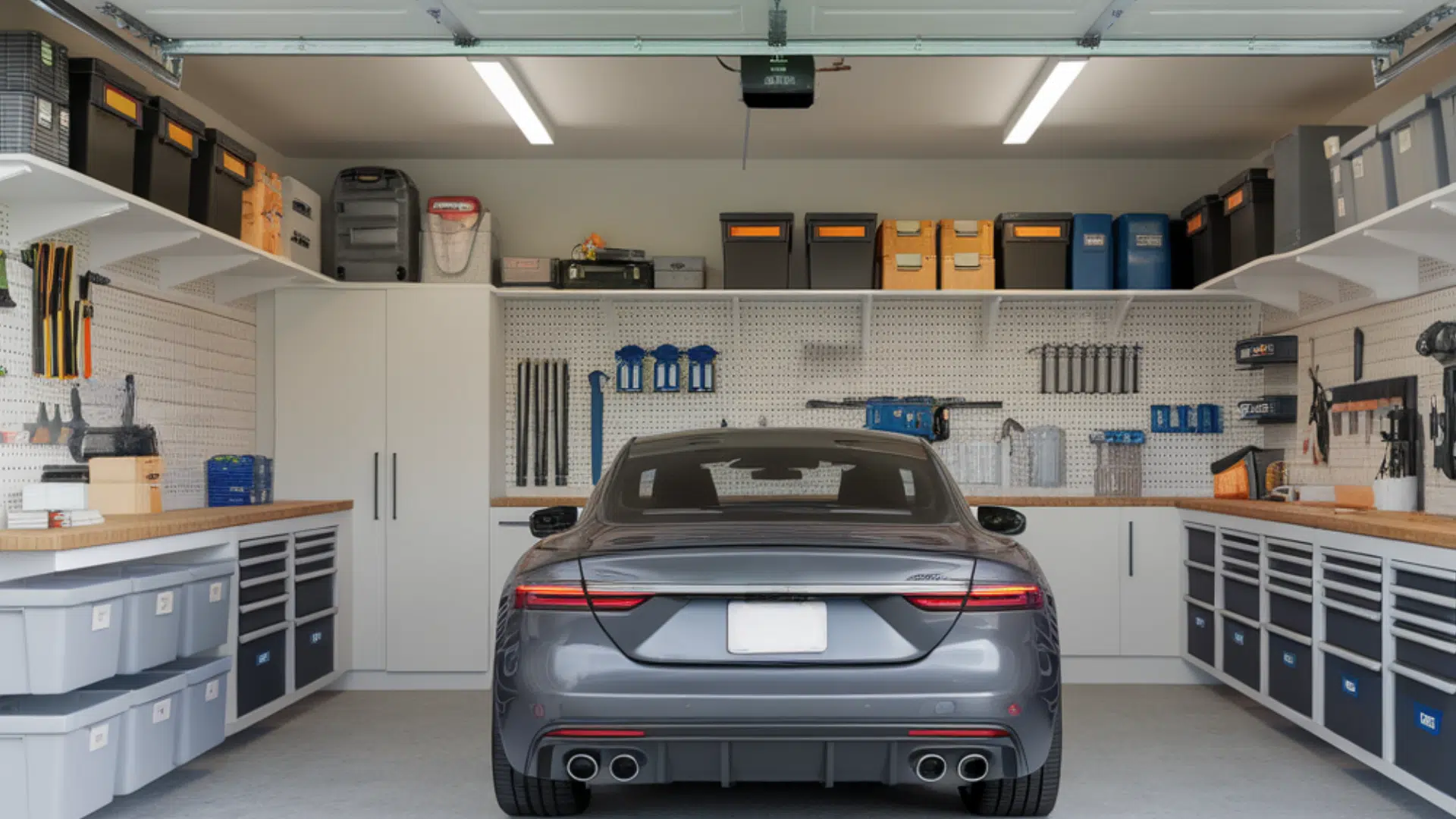
Wall-mounted shelves and pegboards free up floor space. They keep tools, bins, and supplies easy to reach. Storing items on the wall also improves safety and organization.
This works well in narrow garages. Place frequently used items at eye level. Keep heavier items closer to the ground for safety.
3. Try Overhead Storage Carefully
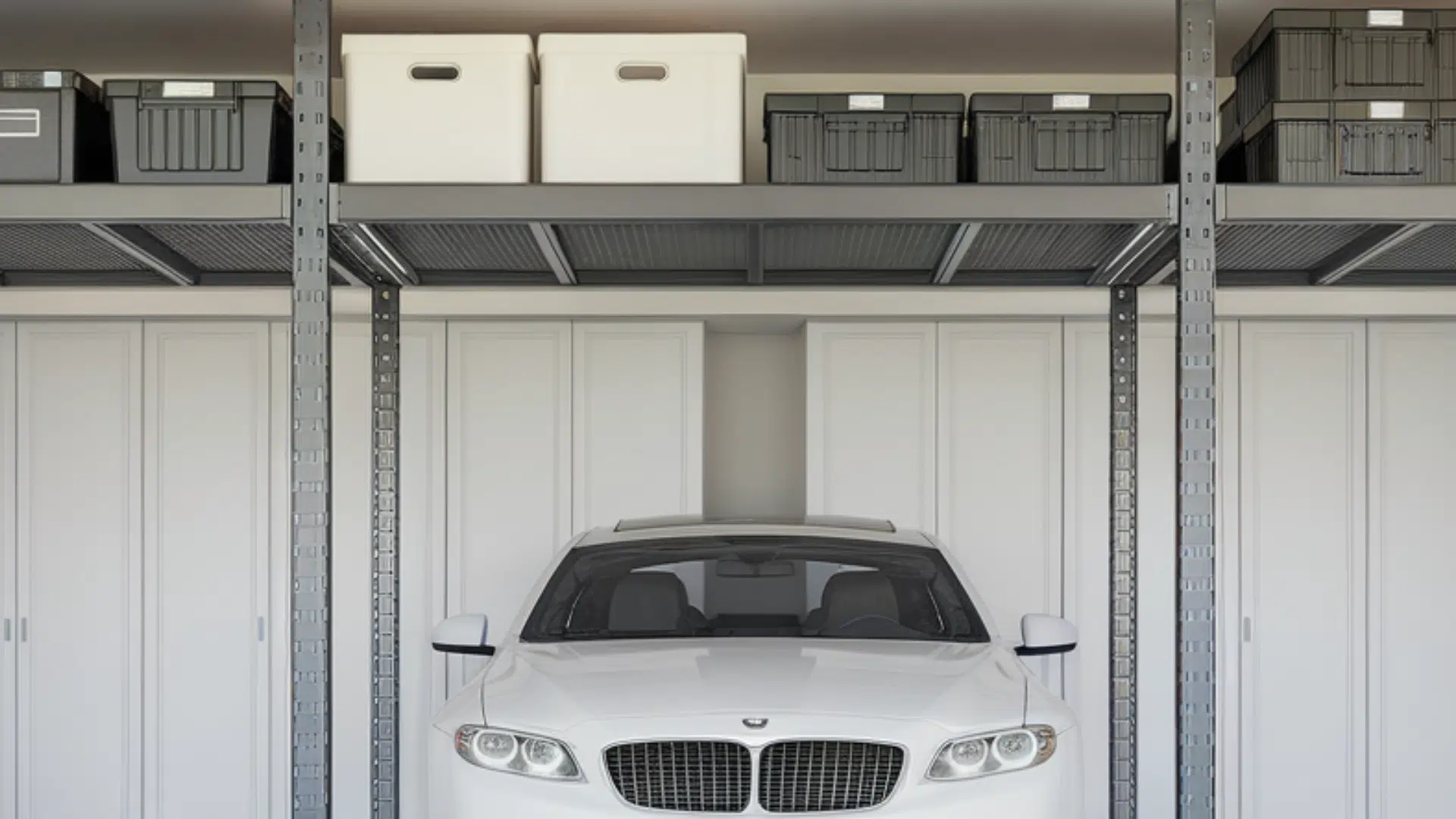
Overhead racks are great for seasonal items. Make sure the ceiling height allows safe clearance for your vehicle. Keep heavier items secured and well balanced. This adds storage without crowding the floor.
Avoid storing items directly above the car. Always follow weight limits for overhead racks.
Common Single Car Garage Mistakes
Small planning mistakes can make a single car garage hard to use over time. Many of these issues only show up after the garage is built or in daily use.
- Underestimating turning space: Tight entry angles can make parking difficult, even if the garage looks wide enough.
- Poor lighting placement: Bad lighting creates dark corners and makes the space feel smaller.
- Not planning electrical outlets: Missing outlets limit tool use, chargers, and future upgrades.
- Ignoring ventilation needs: Lack of airflow can trap heat, fumes, and moisture.
- Overloading one side with storage: Uneven storage can reduce usable parking space and cause balance issues.
Avoiding these mistakes helps create a garage that works well every day. A little planning upfront can prevent long-term frustration.
Conclusion
Choosing the right single car garage size is about more than just fitting your vehicle. It is about comfort, movement, and how the space works for your daily life.
The right dimensions, door size, ceiling height, and layout can make parking easier and reduce stress over time. Even small upgrades or a few extra feet can improve how the garage feels and functions.
If you are unsure where to start, use this guide as a reference. Planning now can save you money and frustration later.
Want help choosing the right garage layout or size for your home? Talk to a local builder or designer and plan with confidence.