Have you ever walked into a home in Nashville that looked like it hadn’t changed since your grandparents’ prom night? Not in a charming, preserved way—more like light switches from a lost century, low ceilings that could break your posture, and a kitchen designed when microwaves were still sci-fi. In this blog, we will share how to bring older homes up to modern standards without losing their character or your sanity.
Bridging the Past with the Present
Moving into an older house carries a kind of romantic optimism. You imagine hardwood floors under carpet, crown molding behind layers of paint, maybe a hidden fireplace. What you don’t imagine is the electrical panel from 1954 or plumbing that sounds like it’s sighing under pressure. As cities grow and housing supply tightens, especially in places like Nashville where new construction can’t keep up with demand, more people are turning to vintage homes for their next move. That means blending old charm with new expectations.
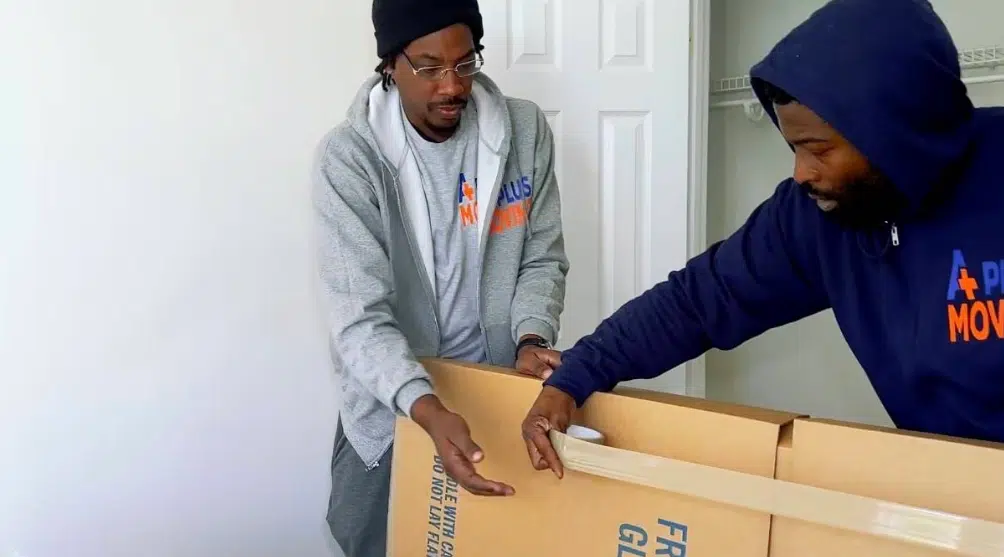
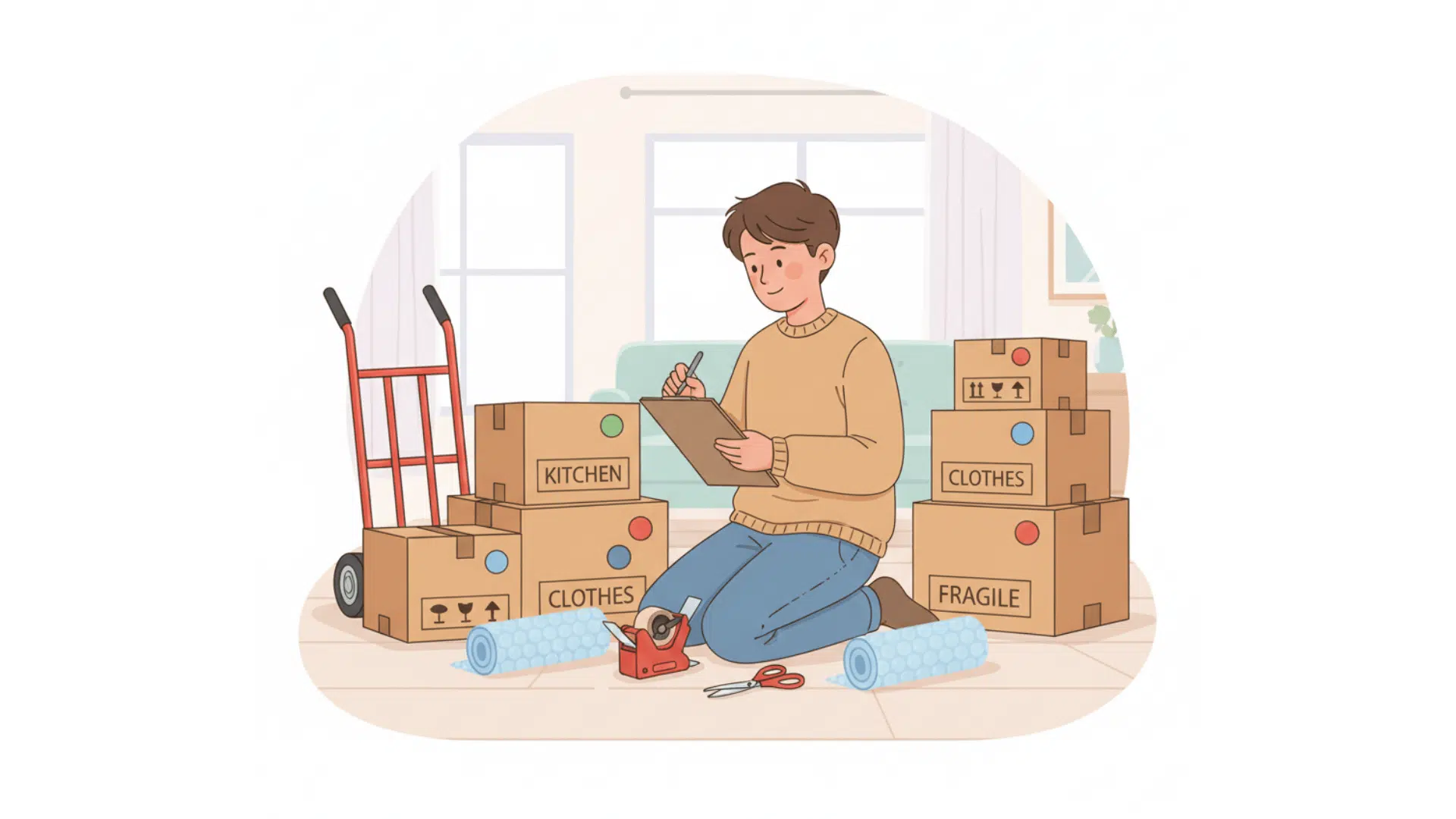
One early step that gets overlooked in the rush to renovate is how you’re getting your stuff in—safely, efficiently, and without wrecking the doorframes in the process. Whether you’re moving in before work starts or staging temporary setups during a remodel, you need help that understands the quirks of older properties. Using reliable local movers in Nashville is one way to make the process less chaotic. Professionals who are used to navigating narrow staircases, tight porches, and historic layouts will save you from chipped plaster, scuffed floors, or an emergency chiropractor visit.
Once you’re in, the work really begins. Updating an old home isn’t about gutting its soul. It’s about solving real-world problems—how to make a drafty space energy efficient, how to rewire safely without ripping open every wall, how to create flow when rooms were built for a different era of living.
Infrastructure First—Because No One Wants a Pretty House That Can’t Charge a Laptop
Start with the bones. That means wiring, plumbing, HVAC, and insulation. These systems are the least glamorous and the most expensive parts of modernization, but they’re non-negotiable. Before you worry about design, make sure your electrical panel can handle today’s loads. Old knob-and-tube wiring or cloth-insulated cables are not just inconvenient; they’re dangerous.
Get a professional assessment of your breaker panel, outlets, and general circuitry. Most homes built before the 1970s weren’t designed for the number of devices we plug in today. If your lights dim every time you microwave popcorn, that’s a warning sign.
Plumbing is another silent troublemaker. Galvanized steel pipes corrode from the inside and can burst unexpectedly. Lead pipes, still shockingly common in pre-WWII homes, need to go—no negotiation. New copper or PEX systems are longer-lasting and far safer.
Upgrading your HVAC system not only helps your bills but also your sanity. A well-zoned system with programmable thermostats can turn that one-room sauna and the two-room meat locker into a balanced, breathable home. And if your home still has single-pane windows and no insulation in the walls, invest there too. No one misses the “authentic draft” of a historic property.
Kitchens and Bathrooms: Modern Use, Vintage Soul
The most-used rooms in any home are the kitchen and bathroom, and in older houses, they’re often the most compromised. Tiny, closed-off kitchens and cramped baths may have worked when one person did the cooking and there was only one bathroom for the whole house, but times have changed.
Renovating these spaces doesn’t mean stripping them of their past. You can preserve charm—like a farmhouse sink or original tile—while reworking the layout for daily function. In kitchens, open shelves might make the space feel larger, but don’t skip upper cabinets entirely unless you love clutter. And while old homes often have amazing built-ins, they weren’t designed for air fryers, stand mixers, or espresso machines. You need counter space and power access, not just ambiance.
Bathrooms need better lighting, more ventilation, and smarter storage. If you’re lucky enough to have clawfoot tubs or original tile floors, keep them, but pair them with modern fixtures that work efficiently. Tankless water heaters can help with energy bills and space. Motion sensor lighting can spare you fumbling at night.
And if you’re thinking of adding a bathroom or expanding one, plan for water pressure and plumbing runs early. You don’t want to open walls twice.
Creating Functional Flow Without Knocking Everything Down
Older homes were built for different lifestyles. Separate parlors, dining rooms, and formal entries made sense in an age of structured schedules and limited leisure. Today, people want multifunctional spaces—kitchens that open into living rooms, bedrooms that double as offices, entryways that actually handle backpacks and shoes.
This doesn’t mean every wall must come down. Sometimes widening a doorway or adding a pass-through opens up sightlines enough to make a home feel bigger without destroying its character. Architectural integrity can coexist with convenience. You don’t need to erase the past—you just need to soften its edges.
Look for natural ways to create flexibility. Built-in benches with storage, bookshelves as space dividers, or pocket doors instead of swinging ones can adapt older spaces without wiping them clean.
Code Compliance Without Killing Character
Navigating building codes in an older home can feel like walking a tightrope between modern safety and historical preservation. Window egress sizes, handrail height, smoke detector placement—none of it is negotiable, even if your walls or windows weren’t designed for them.
Work with inspectors early in the process. Don’t wait until you’re mid-renovation to find out that your staircase needs different spindles or your kitchen island needs a second outlet. And if you’re in a historic district, expect more rules. Some cities require permits for exterior paint colors, roofing materials, or window replacements.
That doesn’t mean you can’t modernize. It just means you need to plan. Replicate original trim with new materials. Replace worn flooring with planks that match the width and tone of what was there. Your goal isn’t to pretend your home was built yesterday—it’s to make it work like it was.
Live in It, Then Fix It
The temptation after buying an older home is to fix everything at once. But unless you’re doing a full-scale gut job, it’s often smarter to live in the space before making big changes. You’ll learn its quirks—where the light hits best in the morning, where noise carries, which rooms feel too cold or too cramped. That experience will guide better design choices.
Modern living isn’t one-size-fits-all. The goal isn’t to cram every trend into an old frame. It’s to make your house work for how you actually live now—more tech, more flexibility, more comfort—while respecting what made it worth saving in the first place.
In the end, prepping an old home for modern life is less about rescue and more about adaptation. You’re not erasing the past. You’re giving it a role in the future. And if done right, it won’t just look good—it’ll feel like it fits.