Tiny homes and mobile homes keep growing in popularity, and with that rising popularity comes the need to transport from one place to another. Before planning any move, it helps to understand the cost for a tiny house mover and the cost to move a mobile home. Each type of home has its own transport rules, prep work, and price factors, so knowing these ahead of time makes the tiny home vs mobile home cost comparison much clearer.
Difference between Tiny Homes & Mobile Homes
Tiny Homes are on the smaller side, these homes are built on bumper-pull or gooseneck trailers, which makes them towable. Tiny homes are easier to move than mobile homes due to their smaller size.
- Built on bumper-pull or gooseneck trailers, which lowers transport needs
- Smaller size and built-in trailer design keep costs down
Mobile Homes are much larger and are always more expensive to relocate than their tiny home counterparts. These homes also come in different builds like single-wide, double-wide and triple-wide homes which poses more challenges during the breakdown process. It’s very important to work with an experienced mobile home transportation company that already has the knowledge in handling mobile homes or mobile offices to make the process smoother because these structures need more planning than tiny homes.
- Larger, heavier, and require expert mobile home breakdown crews, axles, blocking, escort cars, and site prep.
- Double-wide and triple-wide homes raise the cost because they must be separated before they’re hauled to another location.
Feature | Tiny Home | Mobile Home |
|---|---|---|
Size | 100-600 sq. ft | 500-2,000+ sq. ft |
Preparation Needed | Minimal Prep | Extensive Prep |
Typical Cost | Lower | Higher |
Escort Needs | Always | Always |
Why Tiny Homes Are Cheaper to Move Than Mobile Homes
Most tiny homes are cheaper to move than mobile homes because they can be hooked to a pickup or a semi and hauled without major preparation. The towable design on tiny homes cuts labor time, keeps equipment needs simple, and reduces permit fees. Heavier or oversized units cost more because they need a stronger truck, permits, and sometimes escort cars.
Cost Range:
- Local moves can cost $800 to $3,000.
- Long-distance moves often range from $2,000 to $8,000 or more for oversized units.
Why Mobile Homes Cost More to Ship
Mobile homes cost more to ship because transport crews have to remove skirting, disconnect utilities, jack the home up, reattach the tongue, add axles, and prepare the home for delivery. The extra labor raise the cost. Double-wide and triple-wide homes cost more because they must be separated into sections and moved individually. Each section needs its own permits, escort cars, and tow vehicles.
Cost Range:
- Single-wide: $3,000 to $8,000
- Double-wide and triple-wide: $10,000 to $25,000+ depending on permits, escorts, separation, and setup.
Why Tiny Home Transport Costs Less Than Moving a Mobile Home
Tiny home transport costs less than moving a mobile home because most tiny homes are towable, which lowers the costs because the home can be hooked to a pickup or a semi tractor. Larger homes or heavier tiny homes need a stronger trailer and truck to handle hills or highways which raises the price. When transporting tiny homes, permits and escort vehicles are required because these tiny homes are oversized. Homes that are heavier, wider, or built on larger trailers cost more because they require stronger equipment and additional permit fees.
- Power-Only Transport: Power-only transport is the quickest and most affordable option. The power-only transport process uses a heavy-duty truck or semi that is hooked directly on to your tiny home’s trailer. If the tiny home has wheels and is road ready, the carrier only needs to attach a truck. No extra trailer rental keeps costs down.
- Crane Loading: The crane loading process raises the price, because it uses more manpower. During this process, a crane is used to lift a tiny home off its foundation or supports. The carrier places the home on a flatbed, stepdeck or RGN trailer and delivers it. Crane loading is best for large, heavy, or oversized tiny homes that are too heavy or wide to tow on their own. Paying for a crane crew, rigging, and specialized trailers adds a significant charge.
Mobile Home Transport Costs Breakdown
Mobile home transport is more involved, requiring more labor, heavier equipment and additional prep since the mobile homes are more permanently set which drives up the price. Mobile home transport near me is quite hectic and needs careful preparation and an experienced crew because these homes are much heavier, wider and more regulated than tiny homes. Since many mobile homes are permanently set, the crew must prepare more, plan more and use more specialized equipment.
Break Down and Preparation:
- Break Down: An experienced crew removes the steps and the skirting. Hydraulic jacks lift the mobile home so the block underneath can be taken out. Any exposed windows or fragile areas are boarded up so that debris doesn’t damage anything during the delivery. The tongue is reattached to the front of the home by welding or bolting. A transport trailer or axle system is installed so the home can be hauled. Older homes sometimes cannot be moved at all if they do not meet HUD or local age rules.
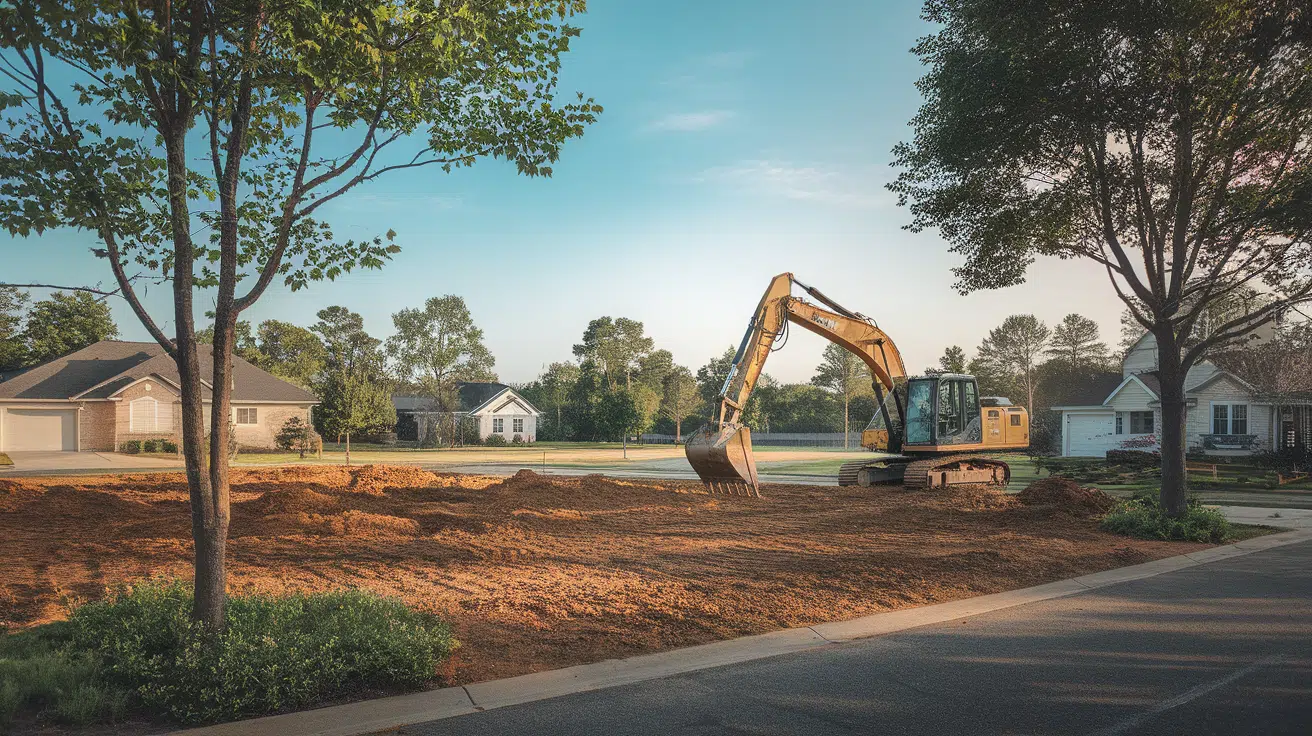
- Delivery: Before the mobile home is placed, the site has to be prepped. The land has to be cleared and firm for stability. The house must be positioned exactly where the site plans require. The mobile home is then blocked, leveled and strapped, and the crew removes the window boards.
Mobile Home Separation During Transport
Transporting a mobile home is different to moving tiny homes. Mobile homes can either be single-wide, double-wide or triple-wide and each build requires different moves. Splitting makes it easier to navigate narrow roads, low bridges, or power lines, when transporting mobile homes. During the transport of double-wide or triple-wide, crews set up protective security walls around the separated sections of the mobile homes.
Single-Wide vs Double-Wide vs Triple-Wide Moving Steps
- Single-wide mobile homes don’t need to be split and can be moved as one piece on a trailer or wheels. Single-wides cost the least to move because they stay in one piece.
- Double-Wide Homes are separated into two sections at the factory seam for safe transport. The separated sections are remarried at the new site.
- Triple-Wide Homes are split into three sections and each section is transported individually and then rejoined at the delivery site as well.
- Double-wides and triple-wides cost more because each section needs its own tow vehicle, permits and escort cars.
Permits and Escorts for Tiny and Mobile Homes
Do both tiny homes and mobile homes need permits?
Yes, both home types need permits to be moved due to their size. Permits and escorts add to the cost of both homes. Make sure the measurements on your permits match the exact width and height of your home. Incorrect measurements can force buyers to repurchase permits, raising the total cost. If you’re unsure about the size, most mobile home or tiny home transport companies will come measure the home themselves to prevent delays.
- Most mobile homes are considered oversized loads and require state and local permits. Permits dictate the approved route, travel times, and load restrictions.
- Escort vehicles (pilot cars) are often required for double-wide or oversized loads to guide the truck and alert other drivers.
Final Cost Summary and Tips
- Always work with a professional moving company familiar with tiny or mobile homes. Moving these homes requires experience and proper logistics planning for the safety of your home and choosing the wrong company can result in damage to your home.
- Confirm state and city permit requirements to avoid fines or delays. Some permits, like the set-up permits, MUST come from the city. Homes built before 1976 often cannot be moved because of HUD code rules and local regulations.
- Tiny homes usually cost less to ship because they are lighter, already on a trailer, and need fewer labor steps before transport.
- Mobile homes cost more because they require breakdown, axle installation, setup at the destination, and larger crews.
Quick rule of thumb, shipping a tiny home falls on the lower end of the price scale, while transporting a mobile home is higher due to added labor, equipment needs, and escort requirements.