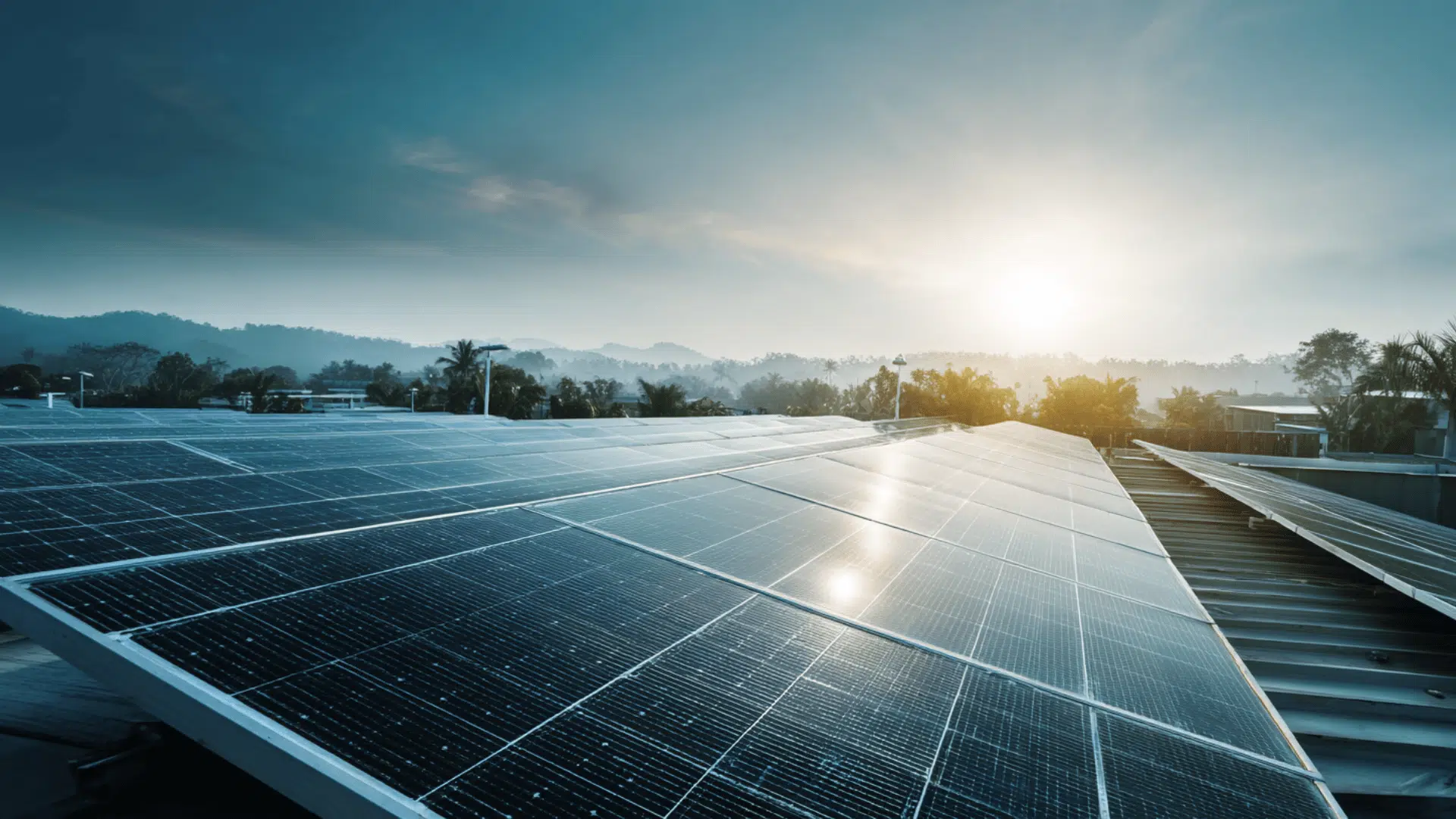
The sun gives us more energy in one hour than we could ever use in a year, yet most of it goes untapped.
Solar panels are changing that by turning sunlight into clean, renewable electricity for homes, cars, and even space missions.
Today, I’ll share fascinating facts about solar panels, from how they work to the latest innovations shaping the future of energy.
Let’s start with the basics and see how these panels actually turn sunlight into power.
How Solar Panels Actually Work
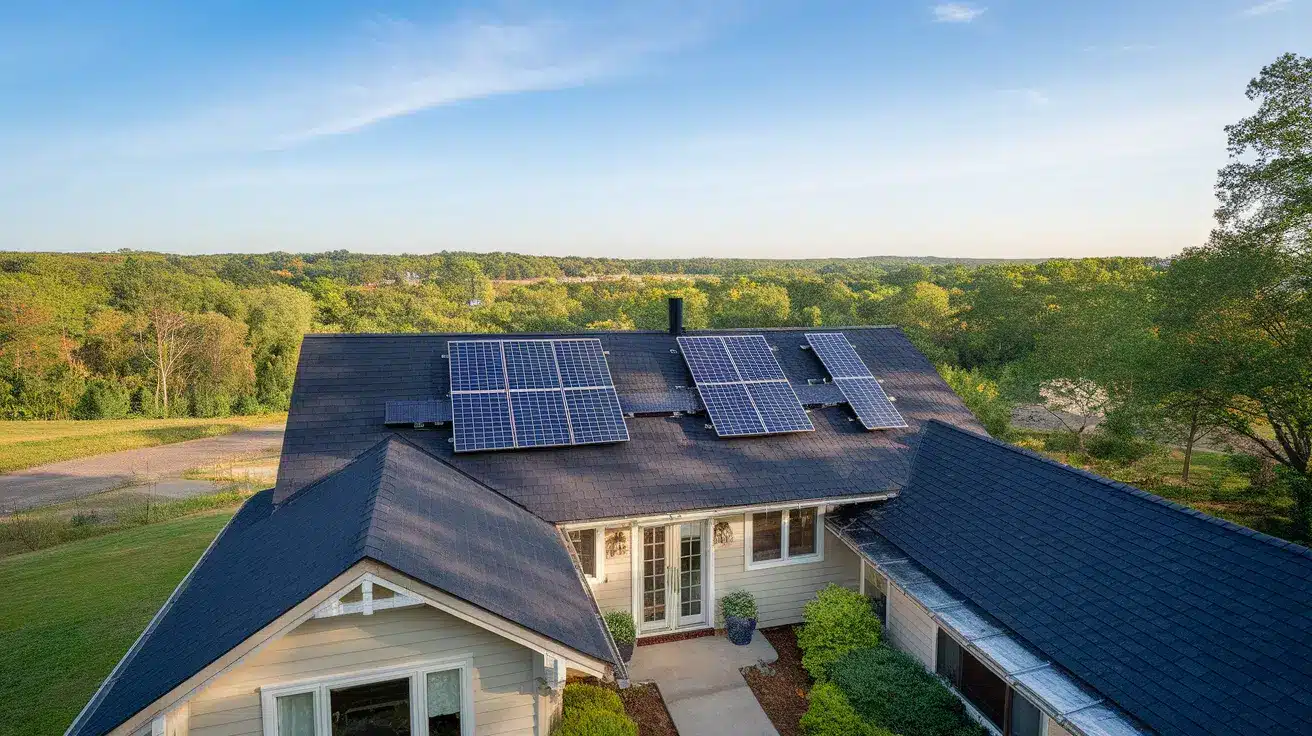
Solar panels turn sunlight into electricity using photovoltaic (PV) cells. Each cell contains layers of a special material, usually silicon, that absorbs sunlight and releases electrons.
When these electrons move through a circuit, they create direct current (DC) electricity. An inverter then changes it into alternating current (AC), the type your home and appliances use every day.
Solar PV vs. Solar Thermal
Both systems use the sun’s energy, but in different ways:
- Solar PV (Photovoltaic): Converts sunlight directly into electricity using solar cells.
- Solar Thermal: Uses sunlight to heat water or air for household use, like showers or space heating.
Solar PV is what most rooftop panels use, while solar thermal is common for water heating systems.
Key Facts About Solar Panels
- Solar energy is the most abundant power source on Earth – The sun sends enough energy to Earth in one hour to power the world for a full year.
- Panels work even on cloudy days – Solar panels don’t need full sun and can generate power from daylight, even when it’s overcast.
- They last 25–30 years or longer – Most panels keep producing power for decades, with only slight drops in efficiency over time.
- They need almost no maintenance – With no moving parts, panels only need occasional cleaning to maintain performance.
- Solar power is completely silent – Panels create electricity quietly, making them ideal for homes and peaceful environments.
- They reduce carbon emissions massively – A solar-powered home can cut around 100 tons of CO₂ over 30 years of use.
- Solar panels power homes, EVs, and even satellites – From rooftops to spacecraft, they’re trusted for reliable clean power.
- Modern panels are thinner, lighter, and more efficient – New designs convert more sunlight into energy and are easier to install.
- Stanford’s panels can generate power at night – “Anti-solar” panels capture Earth’s heat as it cools to create energy after sunset.
- China leads the world in installations – China installs more solar capacity than any other country, with huge desert solar farms.
- Solar energy is the fastest-growing power source – Global capacity has doubled multiple times in the last decade.
- Solar panels can power remote areas – Off-grid systems bring electricity to villages and regions without traditional infrastructure.
- Panels can be paired with batteries – Stored power keeps lights on at night or during outages.
- Solar panels increase home value – Homes with solar systems often sell for more due to long-term energy savings.
- They can protect against rising energy costs – Generating your own power helps you avoid unpredictable electricity rate hikes.
- Manufacturing is becoming cleaner – Recycling and improved processes are lowering the industry’s environmental footprint.
- There are different types of solar panels – Monocrystalline, polycrystalline, and thin-film each have unique advantages.
- Space solar panels are the most efficient – Without atmospheric interference, they work at maximum efficiency.
- The theoretical efficiency limit is about 33.7% – This limit, called the Shockley–Queisser limit, defines current performance boundaries.
- The cost of solar has dropped 80% in 10 years – Falling prices have made solar energy more affordable than ever.
- Solar panels can help stabilize the power grid – Extra energy can feed back into the grid, supporting overall power reliability.
The Science Behind Efficiency
Several factors affect how efficiently solar panels turn sunlight into power.
The main ones are sunlight intensity, temperature, and panel type. Panels perform best in direct sunlight but still produce energy on cloudy days.
Heat can lower efficiency slightly. That’s why panels often work better in cooler, sunny climates rather than hot, humid ones.
Every solar cell has a performance ceiling known as the Shockley–Queisser limit, which is around 33.7%. It means even perfect panels can’t convert all sunlight into electricity.
New innovations are pushing this limit higher. Perovskite cells are cheaper and absorb light better.
Bifacial panels capture sunlight from both sides, and space-based solar panels operate at near-perfect efficiency with no atmosphere blocking the light.
Environmental and Economic Impact

Solar power helps cut pollution by replacing fossil fuels. A single home using solar can lower its carbon footprint by around 100 tons of CO₂ over 30 years. That’s equal to planting thousands of trees.
Solar panels also reduce air pollution because they produce energy without burning fuel or releasing greenhouse gases. Cleaner air means better health and fewer environmental costs over time.
For homeowners, solar panels are a long-term investment. Most systems pay for themselves in about 6–9 years, depending on location, energy rates, and system size. After that, the power you generate is essentially free.
Many regions offer incentives, tax rebates, and net metering programs. These let you earn credits or money for extra power sent back to the grid, speeding up your return on investment and improving savings.
The Future of Solar Power
Solar technology is advancing faster than ever. Researchers are developing new ways to make panels more efficient, flexible, and affordable for homes and large-scale projects.
One major step forward is nighttime solar generation. “Anti-solar” panels capture Earth’s heat as it cools, allowing small amounts of power to be produced after sunset. When combined with better batteries, this could make solar a 24-hour energy source.
Space-based solar power is another breakthrough. Panels placed in orbit collect constant sunlight and beam energy back to Earth using microwaves. Without weather or darkness to interrupt, they could generate massive amounts of clean power.
Looking ahead, experts predict solar could supply 25% of global electricity by 2050. With costs dropping and technology improving, solar power is set to become one of the world’s main energy sources.
Wrapping Up
Solar panels prove that simple technology can solve big problems. They help cut pollution, save money, and make clean power available almost anywhere on Earth.
The facts about solar panels show just how far this technology has come, from early experiments to systems that now work even at night.
As efficiency rises and costs fall, solar power is becoming one of the smartest energy choices for both the planet and your wallet.
If you’ve been thinking about going solar, now’s the time to see your options and see what this future-ready technology can do for you.