What Makes a House Feel Like It’s Actually Done? Not Just Livable. Not Just Freshly Painted. But complete?
You walk into some homes and feel an odd tension. Like they’ve been paused halfway through a makeover. That one wall’s missing art. The kitchen has a temporary shelf that’s been “temporary” for six years. There’s no clear disaster—just a quiet, nagging sense that something’s unfinished.
This happens more than we like to admit. People move in, get busy, run out of money, or simply adjust to the incompleteness. The result? A house that functions, but doesn’t quite sing. Not every house has to be Instagram-perfect, but every home should feel considered.
In this blog, we will share key features that help a home feel truly finished—from smart design choices to subtle styling decisions that make a real difference.
First Impressions Matter More than You Think
The front of your home isn’t just for show—it’s your architectural handshake. It tells people what to expect inside, even if that’s just your mail carrier or the pizza guy. And in today’s market, where more folks are choosing to stay put rather than sell, exterior upgrades are having a moment.
Curb appeal isn’t just about resale. It’s about walking up to your home and feeling proud. Think tidy landscaping, a welcoming porch, maybe a fresh coat of paint on the siding. Details matter. Like clean house numbers. Symmetrical lighting. A mailbox that isn’t hanging by a screw.
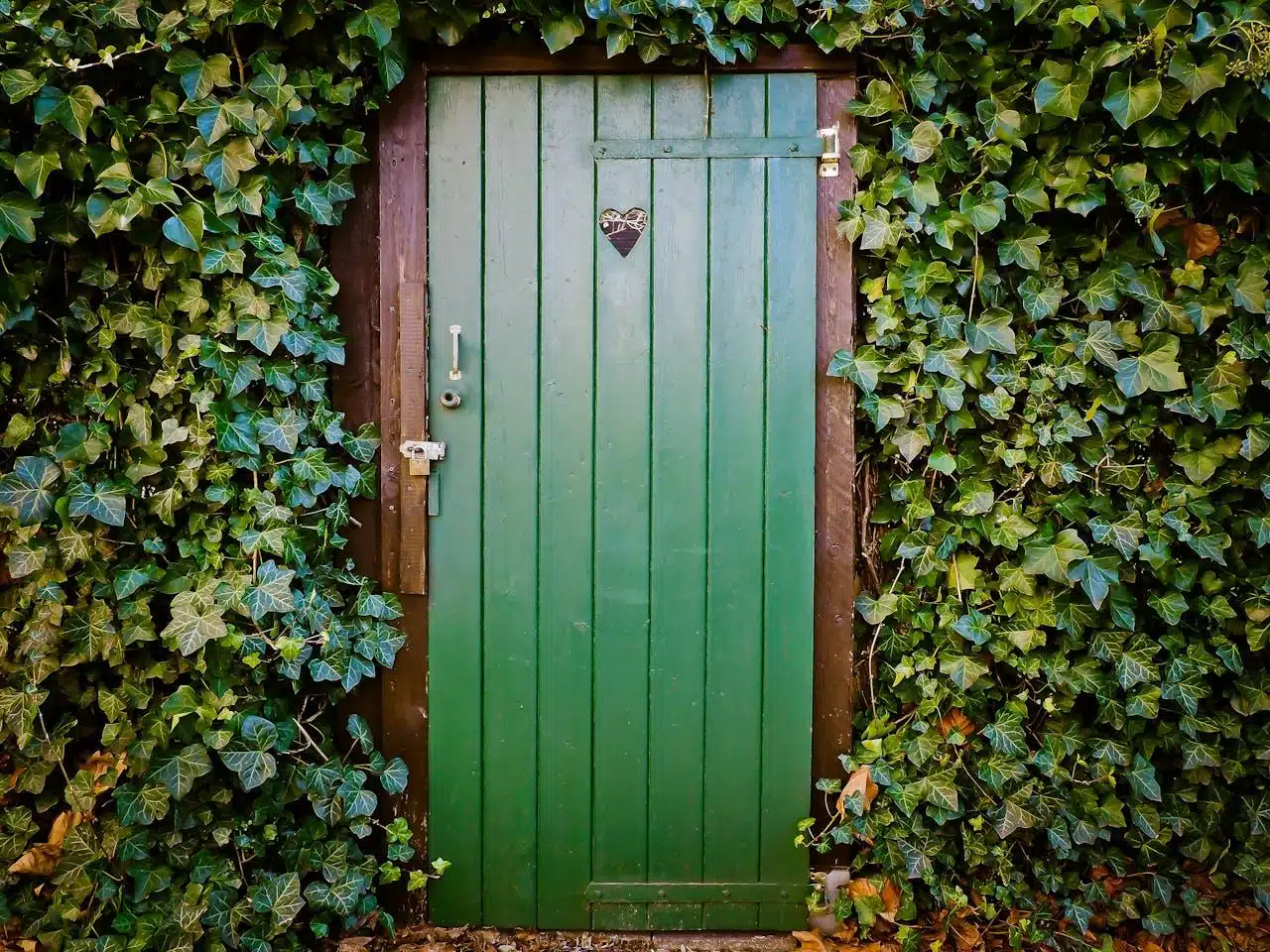
And yes, entry doors do a lot of heavy lifting here. It’s the one part of your house every visitor touches. A stylish, updated door can give your whole exterior a facelift. Whether you go for classic wood, modern steel, or bold color, it’s one of the most affordable changes that can completely shift a home’s vibe.
Light: The Invisible Game-Changer
Bad lighting is the fastest way to make a room feel like an afterthought. If your main light source is a single ceiling fixture that could double as a surgical lamp, it might be time for a change.
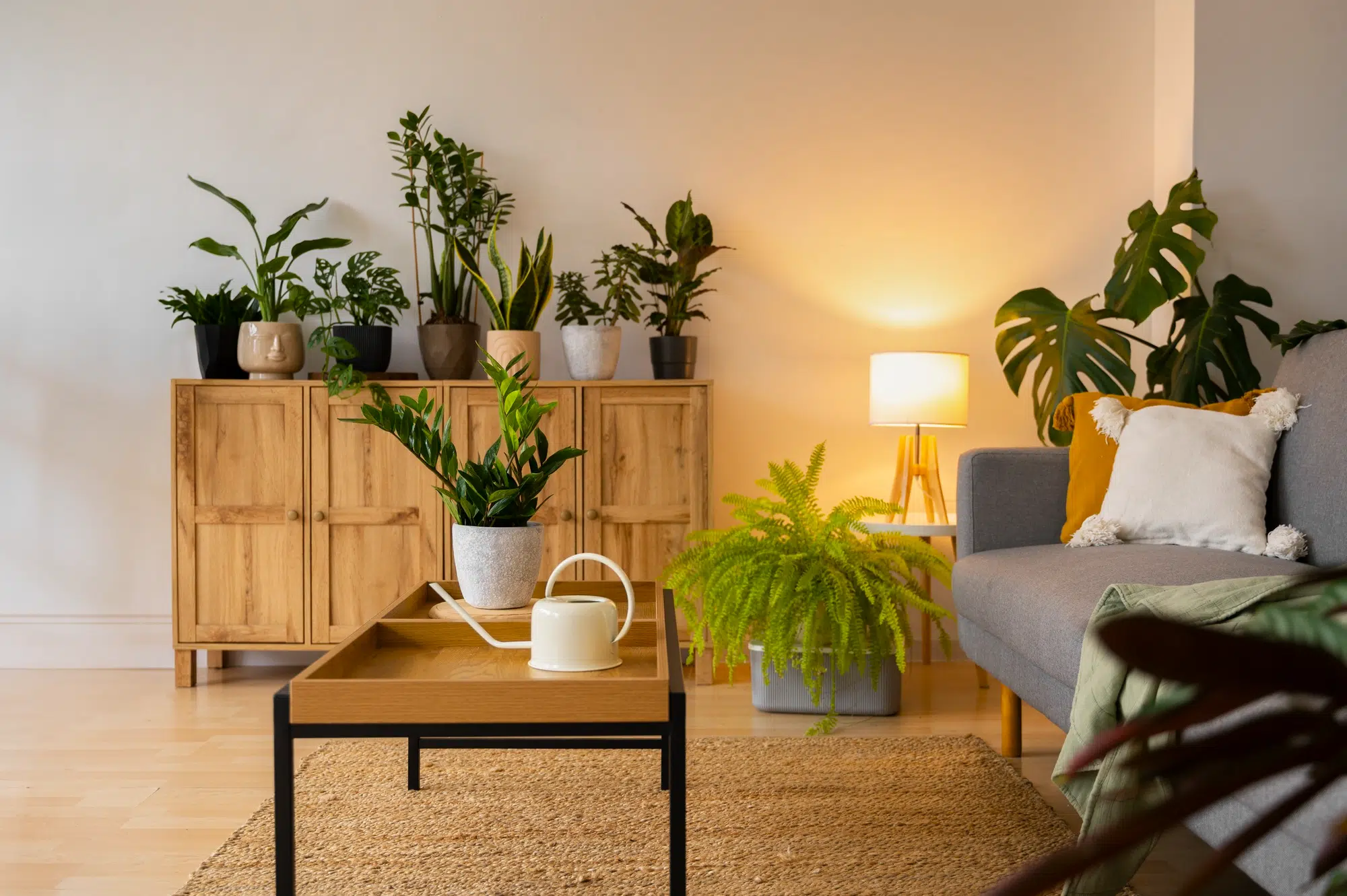
Modern homes use layered lighting. This means overhead (ambient), task (focused), and accent (mood-setting) lights all working together. Dimmers let you control the vibe. Pendant lights bring focus. Floor lamps add warmth and soften corners that feel cold or forgotten.
One common mistake? Relying only on built-in lights. A few well-placed lamps—at the entryway, next to the couch, near the bed—instantly make a home feel more intentional. Bonus points for warm-toned bulbs. They make people look better and spaces feel cozier.
Flooring that Connects the Story
Flooring often fades into the background—until it’s bad. Then it becomes the star, and not in a good way. Chipped tile, cracked laminate, carpet from the Clinton era… it’s hard to ignore.
Homes that feel complete usually have unified or at least harmonious flooring throughout. That doesn’t mean every room needs to match, but there should be a sense of flow. Clashing materials and colors from one room to the next can feel disjointed.
Luxury vinyl plank (LVP) is a favorite right now. It’s durable, water-resistant, and looks a lot more expensive than it is. In open floor plans, consistent planking from room to room makes the space feel bigger and smoother.
Rugs can help too. They define zones and add softness. Just make sure they’re the right size. A tiny rug under a huge couch feels like an accident. A well-sized one can tie an entire space together.
Furniture That Fits and Functions

A finished home doesn’t have more furniture—it has the right furniture. Pieces should match the scale of the room and the lifestyle of the people living in it.
You don’t need a ten-seat dining table if you never host. You don’t need an oversized sectional if it blocks every walking path. Think balance. A finished room feels easy to move through. There’s space to live, not just space to fill.
Mixing styles works when it’s thoughtful. Vintage next to modern can be charming. But too many clashing patterns or wood tones starts to feel like a yard sale. Pick a theme, even if it’s loose, and let every piece earn its place.
Storage: The Quiet Hero
You can have the prettiest room in the world, but if there’s stuff everywhere, it won’t feel finished. Storage isn’t glamorous, but it’s essential.
Built-in shelves, closets with organizers, benches with hidden compartments—these are the quiet fixes that make a big impact. Especially now, when remote work, homeschooling, and hobby rooms have taken over, homes need to do more with the same square footage.
Even small hacks help. Under-bed bins, vertical storage, and over-the-door racks can tame chaos in bedrooms and bathrooms. Kitchens benefit from drawer dividers and shelf risers. Living rooms feel calmer when there’s a spot for remotes, blankets, and board games.
Decor That Tells Your Story
Homes that feel done don’t look like hotel lobbies. They look lived in—with personality, humor, and maybe a touch of weird. That’s a good thing.
Don’t buy all your decor from the same store in one weekend. Let it evolve. Mix in items from your travels, pieces from your childhood, gifts that make you smile. This creates a layered, collected look that feels authentic.
Bookshelves aren’t just for books. They’re for framed photos, plants, and little things that matter to you. A vintage clock. A vase from a flea market. A clay mug you actually drink from.
Finished Doesn’t Mean Perfect
The biggest myth about finishing a home is thinking it means getting everything right. That’s not it. A finished home isn’t flawless. It’s just intentional.
You took time to choose the light fixture instead of settling for the builder grade one. You fixed the door that always squeaked. You found a place for your keys that isn’t “somewhere near the microwave.”
These aren’t grand gestures. But they add up. They create an atmosphere of care. A sense that your home supports you, reflects you, and grows with you.
So whether you’re halfway through your Pinterest board or just beginning to notice the weird draft from that back window, remember this: You don’t have to rush. But you do have to choose. And that’s what makes a house feel truly finished.