
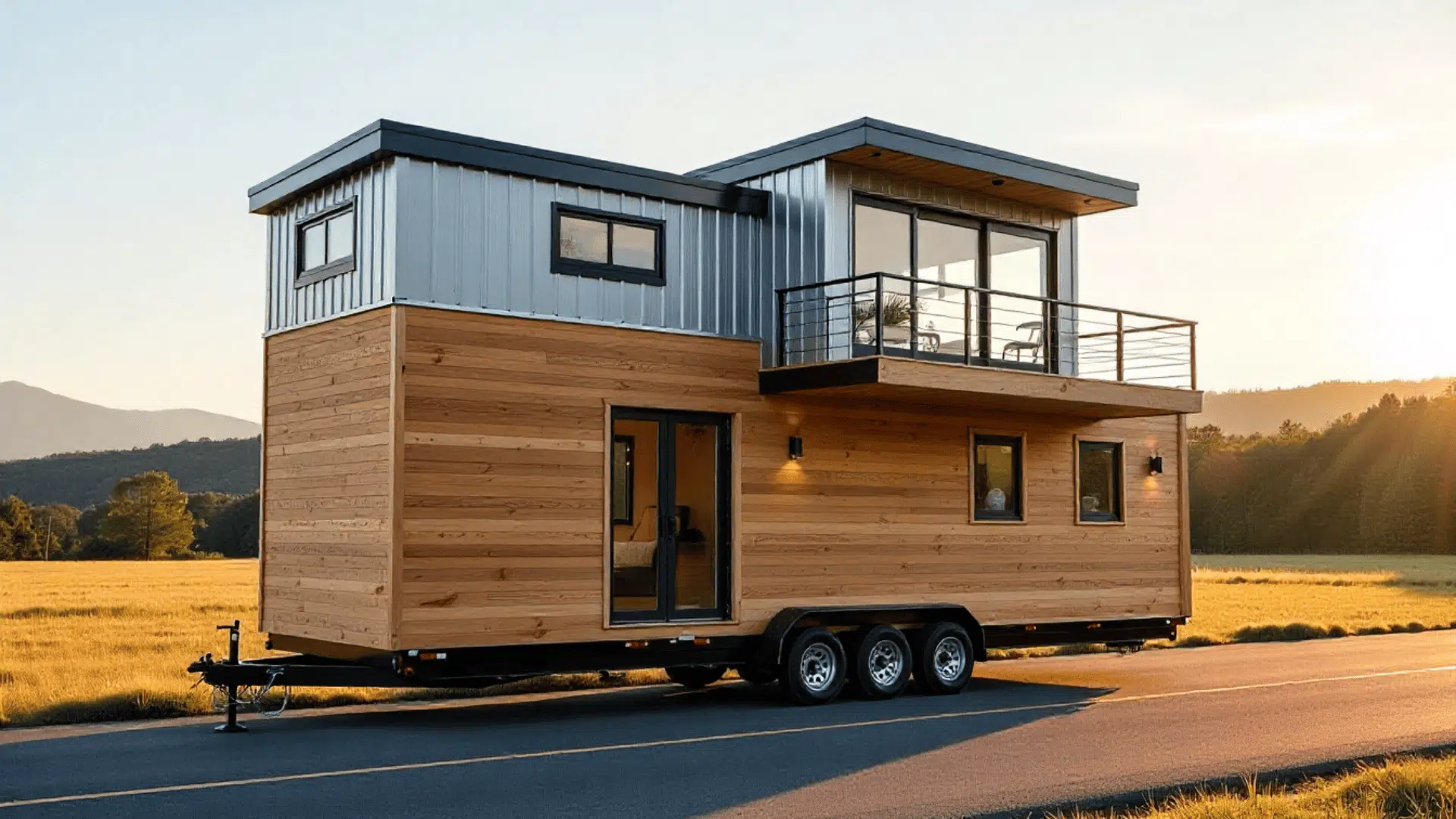
Finding a home that fits your budget, style, and lifestyle isn’t always easy, but 2-story modular homes are changing that.
They offer the comfort and look of a traditional house, without the long wait or high construction costs.
In this guide, you’ll get a simple look at what these homes are, how they’re built, and why they’re becoming a top pick for families and first-time buyers alike.
Let’s learn together what makes these homes worth your attention.
What is a 2-Story Mobile or Modular Home?
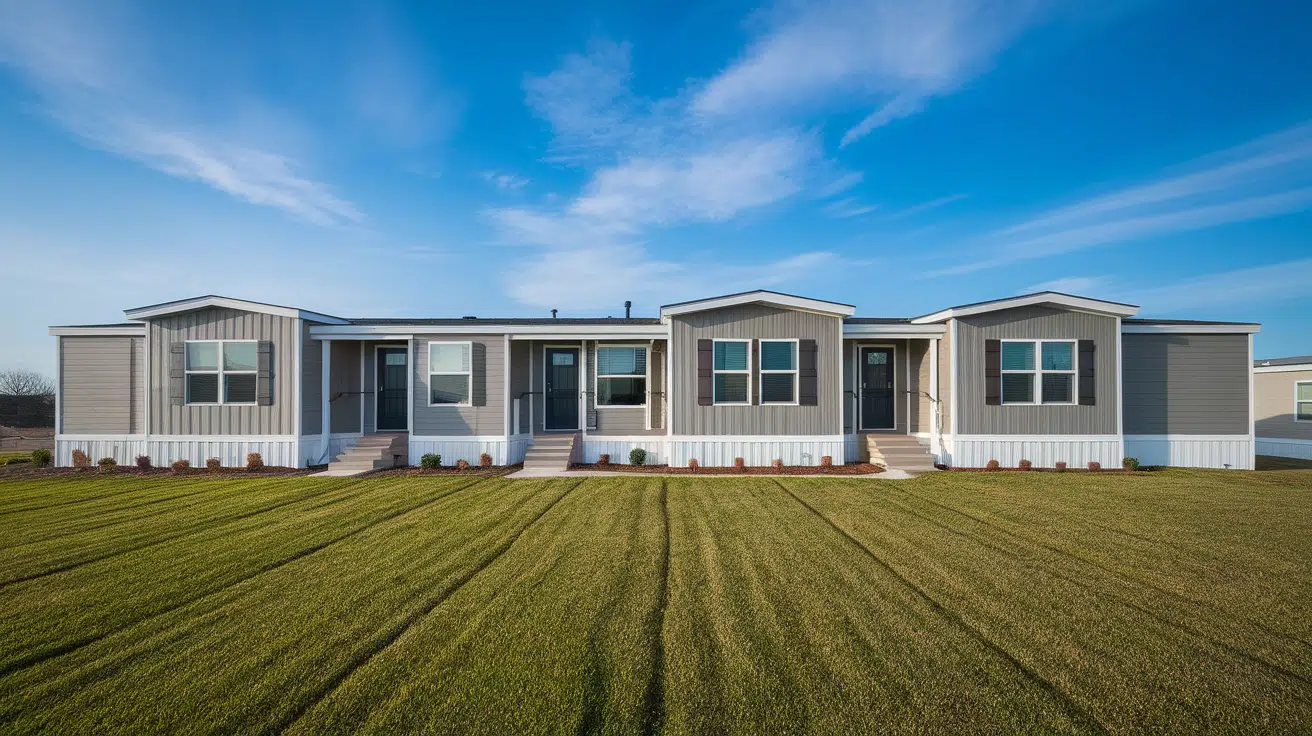
A 2-story mobile or modular home is a prefabricated house built in sections and stacked vertically to create two full levels of living space.
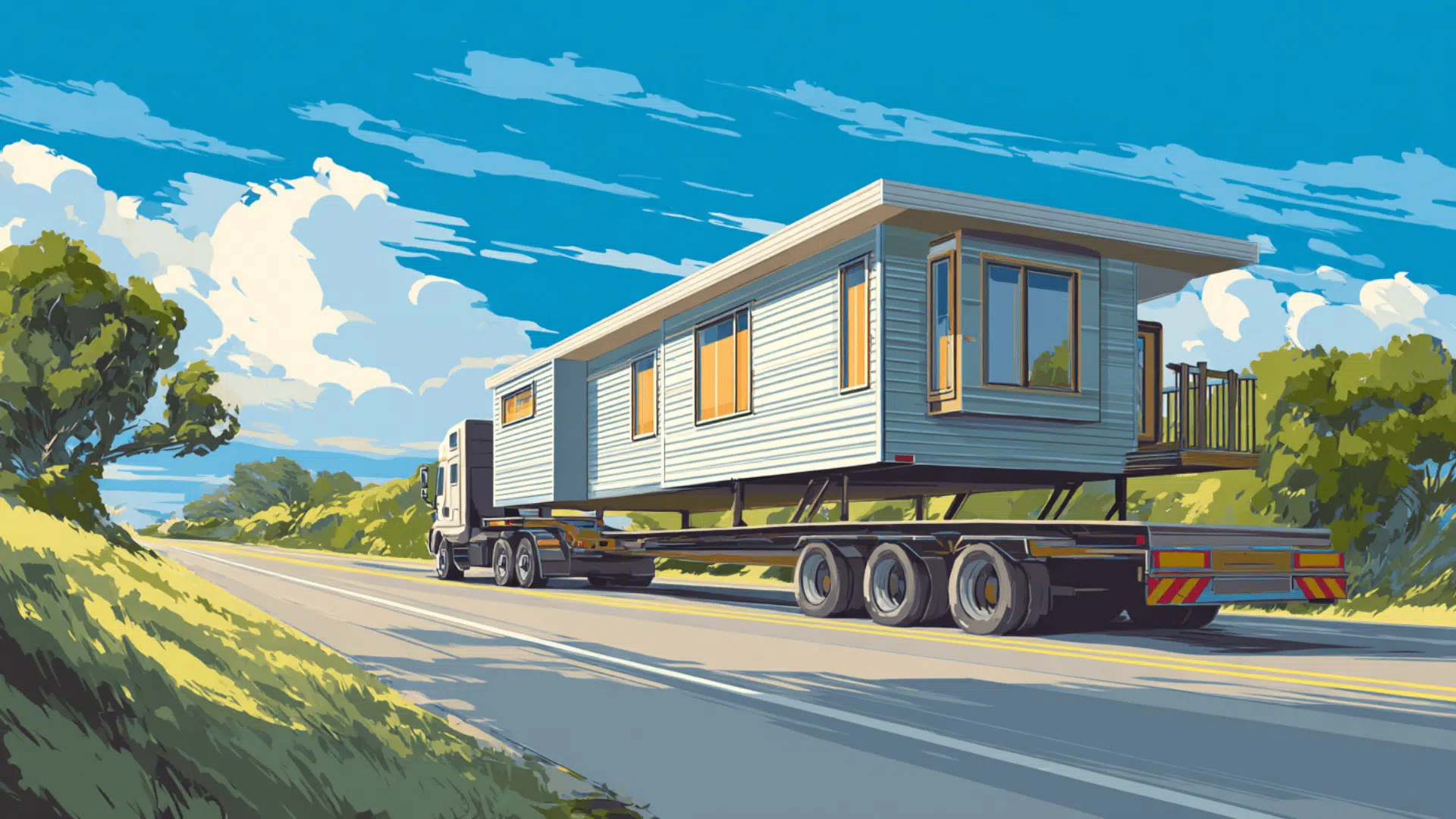
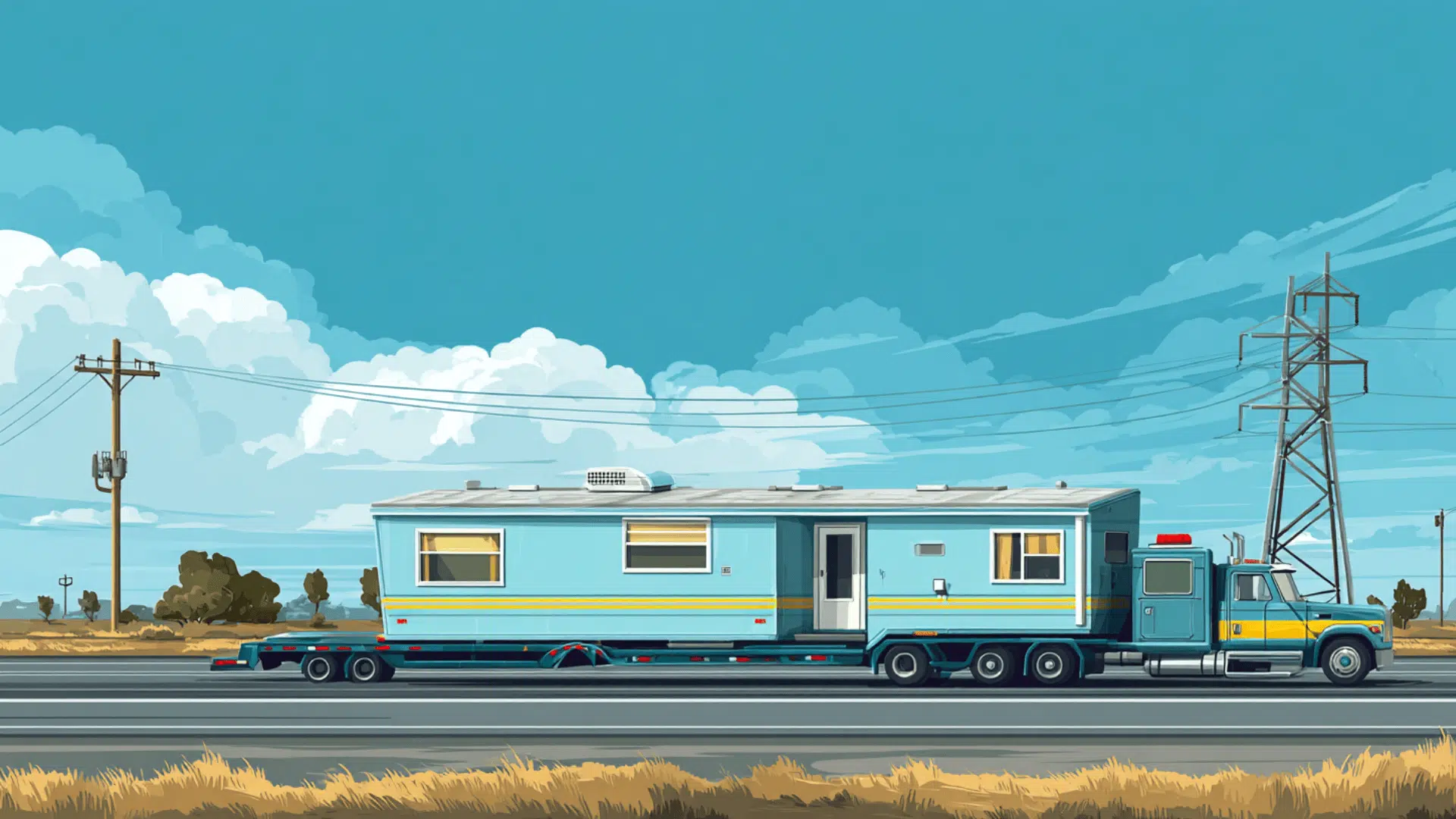
Unlike traditional homes, it’s constructed in a factory and then transported to the site, which reduces build time and cost.
The first floor often includes shared spaces like the kitchen, living room, and dining area, while the second floor holds bedrooms and bathrooms.
This design offers more square footage without increasing the footprint, making it ideal for small lots.
Why Two-Story Modular Homes are Gaining Popularity
Two-story modular homes are in growing demand because they offer more space, greater flexibility, and greater value. Here’s what makes them appealing:
- Lower cost per square foot: You save on land, roofing, and foundation.
- Efficient land use: Building up leaves more room for a yard or patio.
- More privacy: Bedrooms upstairs, living areas below.
- Modern styles: From farmhouse to sleek contemporary looks.
- Energy efficiency: Built with less waste and better insulation.
Overall, two-story modular homes give you the space of a full-sized house without the price tag or long construction time.
Two-Story Modular Home Designs & Floor Plans
Two-story modular homes come in many styles, from modern layouts to classic farmhouse designs. Here are a few popular models from a few trusted builders:
1. Clayton Homes – The Fusion 32B
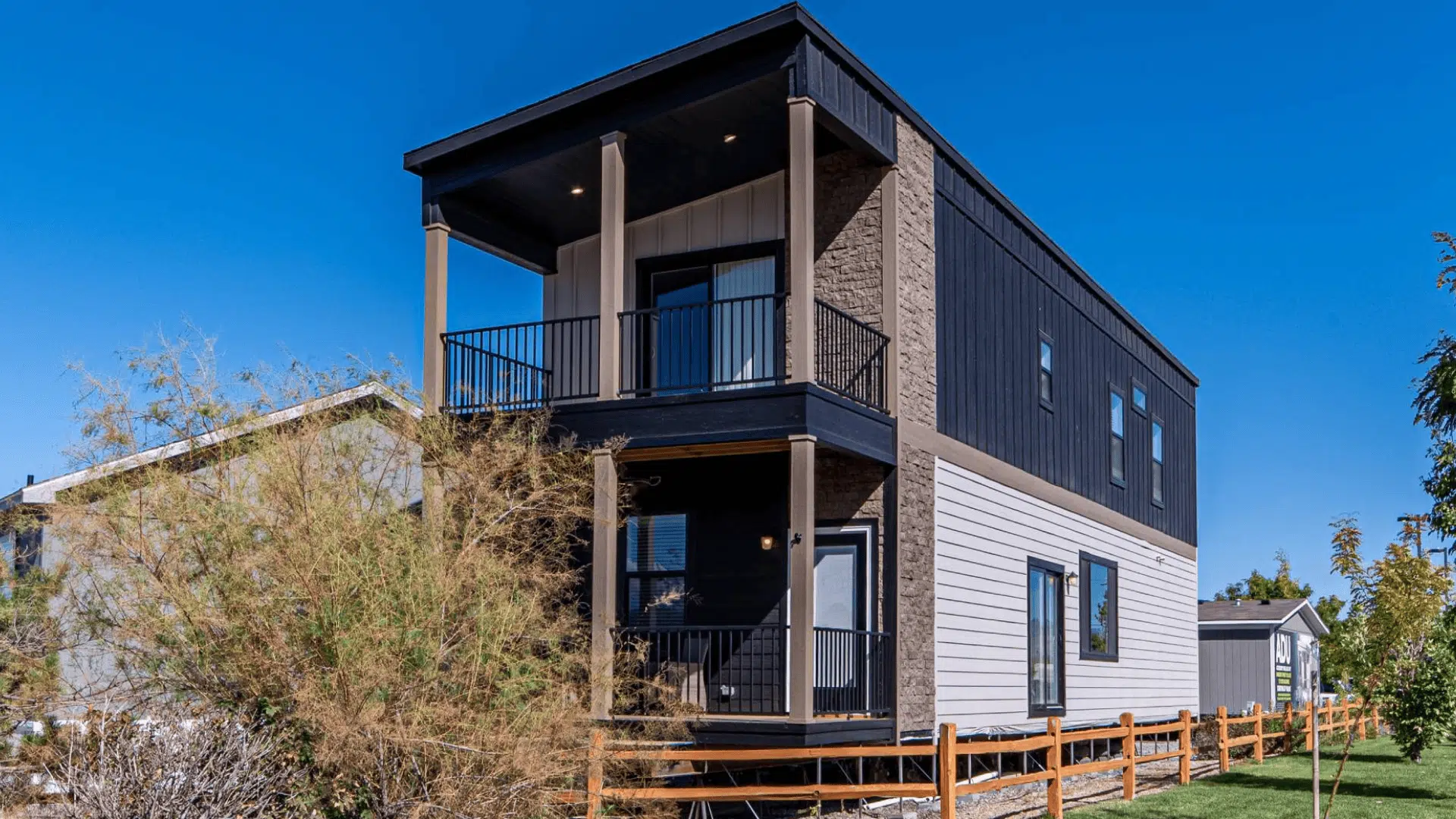
The Fusion 32B from Clayton Homes offers four bedrooms, two baths, and about 2,280 square feet of living space.
It features a bright, open floor plan with a large kitchen, a spacious living room, and a private master suite.
This model is great for families who want comfort, space, and modern design in an affordable modular setup.
2. Skyline Homes – The Reserve 60
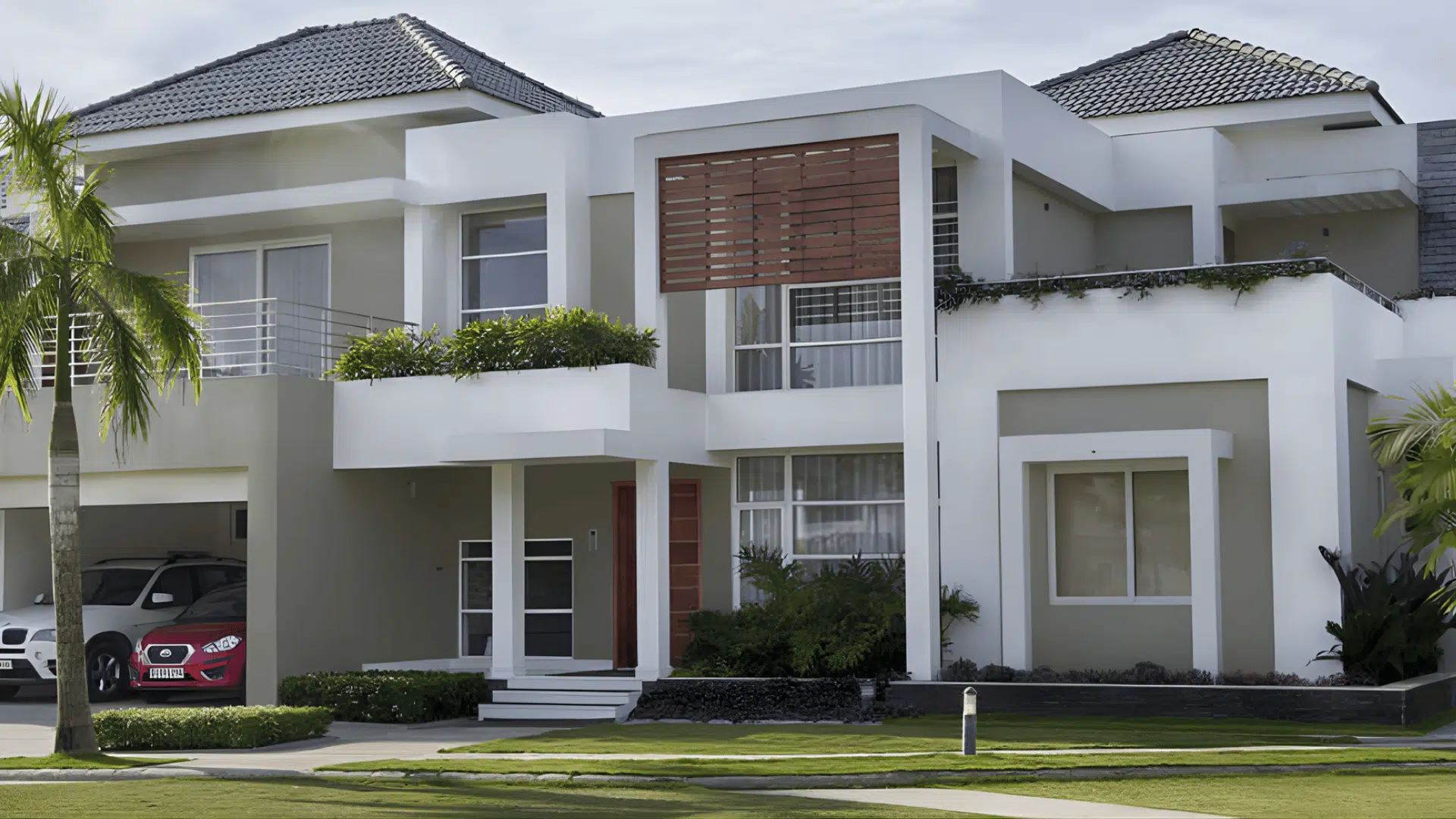
The Reserve 60 by Skyline Homes is a simple yet stylish two-story modular home with three bedrooms and two baths.
Covering around 1,580 square feet, it’s ideal for small families or couples. The layout focuses on functionality, with a cozy kitchen, comfortable living area, and plenty of natural light throughout the home.
3. MHAP Homes – The Aspen Two-Story
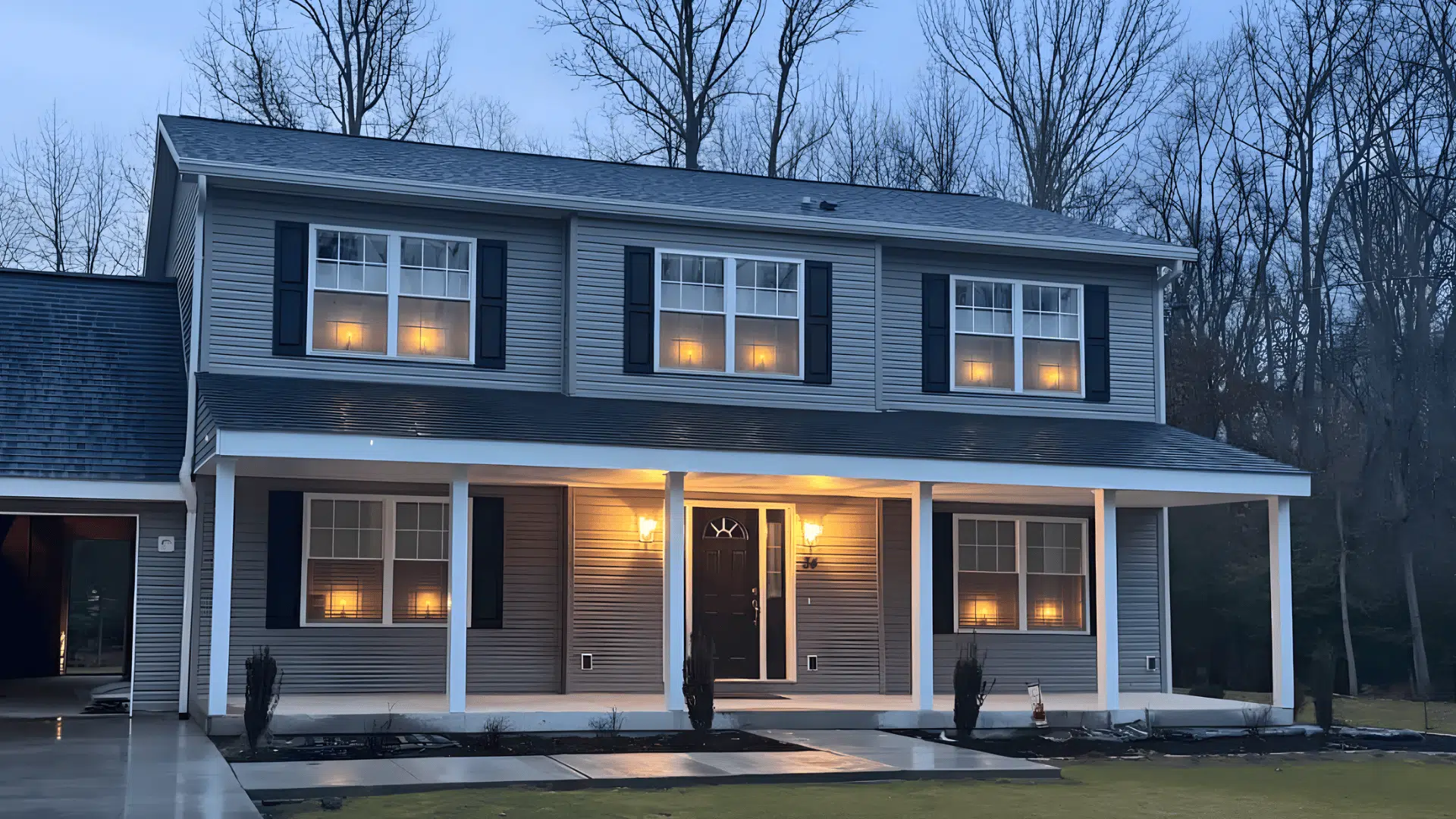
The Aspen from MHAP Homes is one of their most popular two-story designs, offering four bedrooms, 2.5 baths, and roughly 2,100 square feet.
It has a classic farmhouse style with a wraparound porch and large windows. Inside, the open kitchen and living area make it perfect for gatherings, while the upstairs bedrooms offer quiet privacy.
4. Signature Building Systems – The Magnolia
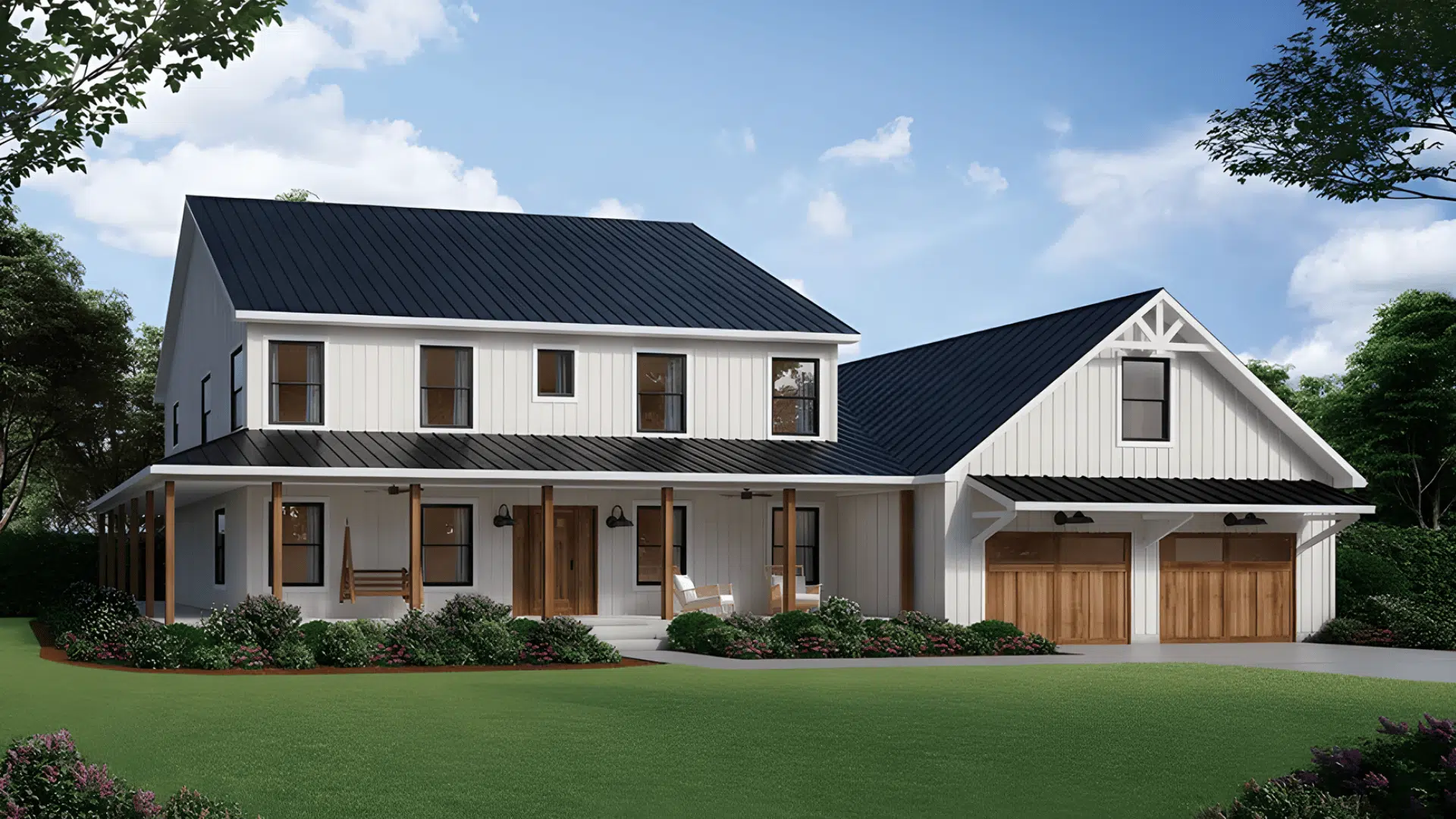
The Magnolia by Signature Building Systems blends farmhouse feels with modern finishes. It features three bedrooms, 2.5 baths, and about 2,000 square feet.
The home includes an open-concept main floor with tall windows, a central staircase, and a spacious kitchen.
The upstairs bedrooms are comfortable and private, ideal for families wanting a mix of style and practicality.
5. Oak Creek Homes – The Highlander
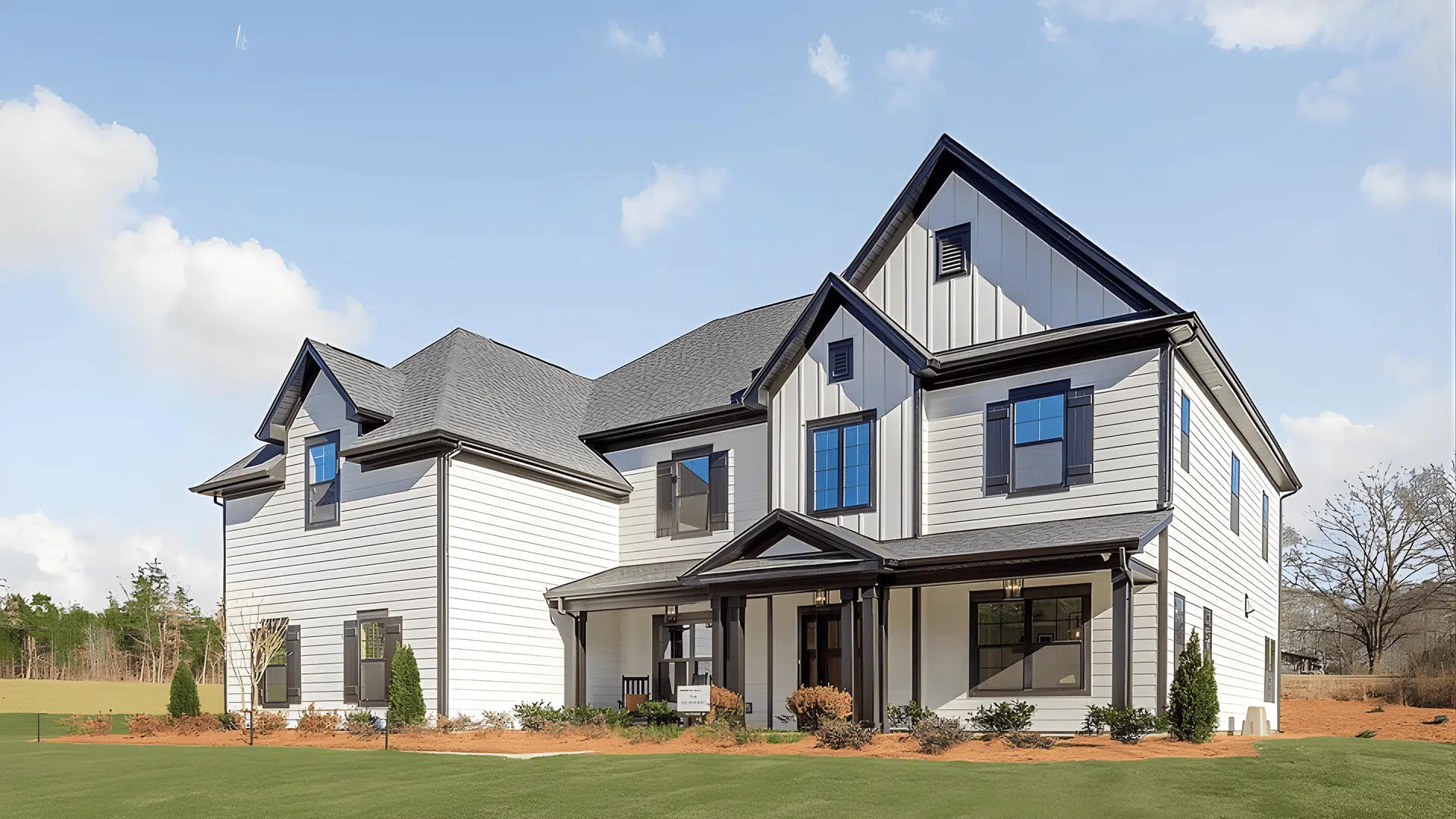
The Highlander from Oak Creek Homes is a roomy two-story modular home with four bedrooms and two baths across 2,280 square feet. It’s designed for large families who need both space and comfort.
The layout includes a big family room, an open kitchen, and multiple gathering areas. Large windows fill the home with natural light, giving it a warm and welcoming feel.
Each of these models shows how flexible and stylish two-story modular homes can be. Whether you want cozy and simple or big and modern, there’s a design to fit your space, budget, and lifestyle.
Customization Options for Two-Story Modular Homes
Two-story modular homes can be personalized in many ways. You can adjust the layout, style, and features to match your needs and taste:
- Layout flexibility: Choose an open-concept design for a spacious feel, or add extra bedrooms and loft areas for more privacy and storage.
- Exterior styles: Pick from farmhouse, modern, craftsman, or colonial looks. Select your siding, roof, and color options to suit your style.
- Upgrade choices: Add solar panels, smart-home systems, or energy-efficient insulation. Choose premium finishes like hardwood floors, custom cabinets, and stone countertops.
No matter your preferences, modular homes give you control over both function and design, without stretching your budget or timeline.
Buying and Building a 2-Story Mobile Home
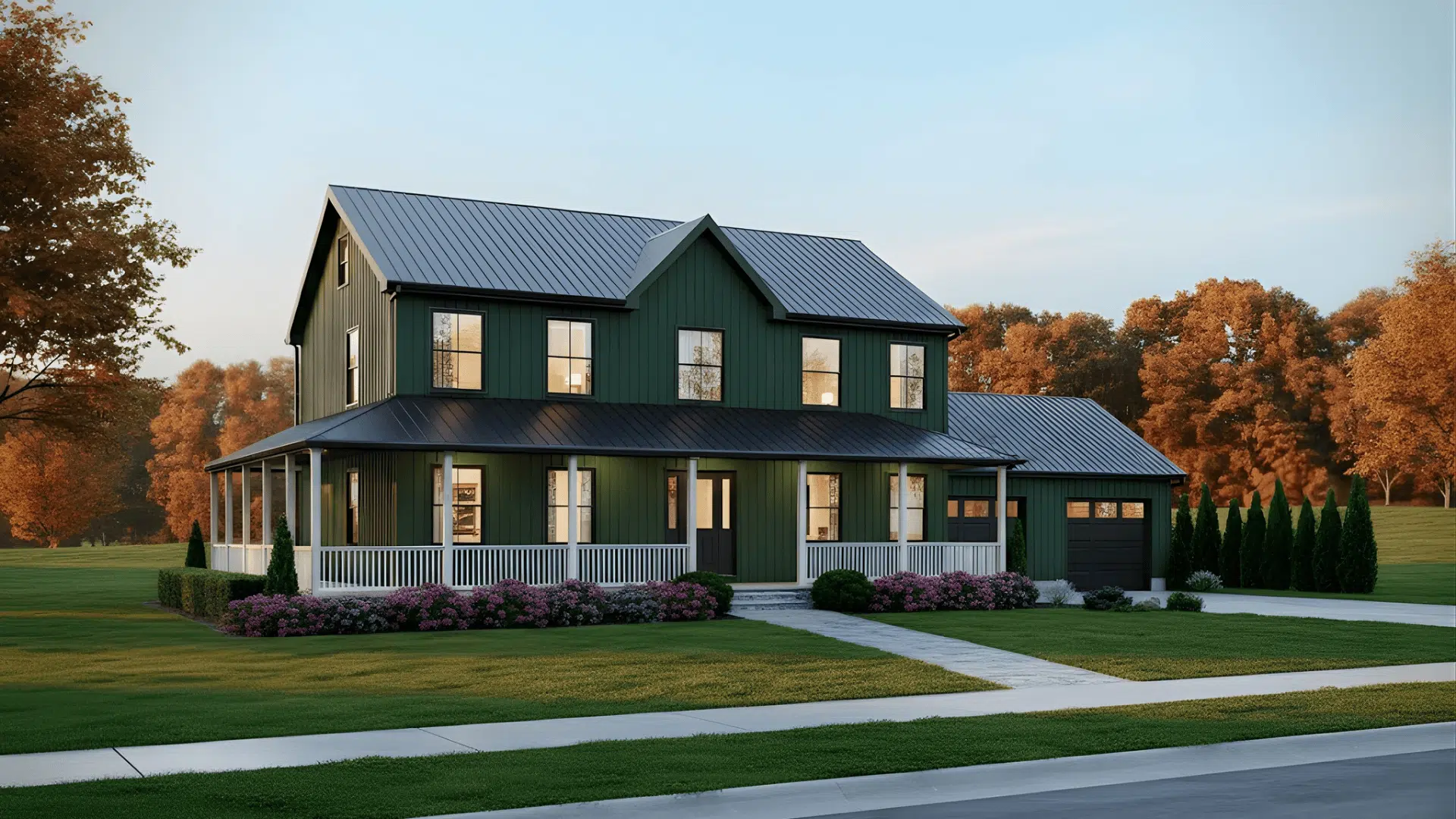
Two-story modular homes are built differently from traditional houses. Understanding the process and local rules helps you plan better and avoid delays.
1. Plan Your Budget And Design
Decide how much you can spend and what layout fits your needs. Choose a floor plan that matches your space and lifestyle – either ready-made or custom-built with your builder. Take time to prioritize must-have features to stay within budget and avoid costly changes later.
2. Research And Choose A Builder
Look for experienced modular home builders with solid reviews and proven quality. Compare their pricing, materials, and warranties carefully. Visit model homes or see online galleries to see craftsmanship before you commit. A reliable builder ensures your project stays on schedule and meets local standards.
3. Secure Financing And Land
Get pre-approved for a modular home loan to understand your budget clearly. If you don’t own land yet, find a plot that allows modular builds and has access to utilities like water, power, and sewer. Review any property restrictions before purchase to avoid delays later.
4. Check Zoning And Prepare Your Site
Make sure your chosen lot meets zoning and code requirements for modular construction. Clear and level the land, then install the right foundation – slab, crawl space, or basement. Get all necessary permits before starting work to keep the process legal and hassle-free.
5. Build, Transport, And Assemble
Your modular home is built in sections at a factory under strict quality control. Once complete, the modules are transported, placed on the foundation, and securely sealed. The builder connects utilities, finishes interiors, and ensures everything fits perfectly. This step happens faster than traditional builds.
6. Inspection And Move-In
Local inspectors will review your home for safety, structure, and code compliance. Once approved, you’ll receive a certificate of occupancy. After that, it’s time to move in and enjoy your new two-story modular home built for comfort and efficiency. Regular maintenance keeps it looking new for years.
How Much Do 2-Story Modular Homes Cost?
Two-story modular homes are usually more affordable than traditional houses. The total cost depends on size, location, and customization. Here’s a clear breakdown of what to expect.
| Category | Description | Estimated Cost Range |
|---|---|---|
| Base Construction | Main structure with framing, walls, roof, doors, windows, and standard finishes. | $50–$100 per sq. ft. |
| Fully Finished Build | Complete, move-in-ready home with full interiors and fixtures. | $80–$160 per sq. ft. |
| Foundation & Delivery | Site prep, foundation (slab, crawl space, or basement), transport, and crane setup. | $10,000–$40,000 |
| Assembly & Utilities | Joining modules, interior finishing, plumbing, electrical, HVAC connections. | $20,000–$60,000 |
| Customization & Upgrades | Extra rooms, decks, lofts, luxury finishes, or smart-home systems. | Varies: +10–30% of total cost |
| Energy Efficiency Options | Solar panels, advanced insulation, and efficient appliances. | +$5,000–$25,000 (optional) |
Financing and Loan Options
Buying a modular home is much like financing a traditional house. The right loan can make the process smoother and more affordable:
- FHA loans: Backed by the government; available for modular homes on permanent foundations.
- VA loans: For eligible veterans; flexible terms and low down payments.
- Construction-to-permanent loans: Combine construction financing with a mortgage, converting to a regular home loan after completion.
- Local or modular-specific lenders: Some banks specialize in modular homes and offer tailored loan options.
Understanding the full cost and financing options helps you plan with confidence. With the right budget and loan, owning a two-story modular home can be both affordable and efficient.
Two-Story vs. Single-Story vs. Traditional Homes
Two-story modular homes offer more space and style than single-story or traditional houses. This table shows how they compare in cost, design, and practicality:
| Feature | Two-Story Modular | Single-Story Modular | Traditional Site-Built |
|---|---|---|---|
| Cost per sq. ft. | Moderate; more space for less land | Lower overall cost | The highest is due to labor and materials |
| Build time | 3–6 months | 2–4 months | 6–12 months |
| Land use | Efficient; builds upward, saves yard space | Needs more land | Depends on design |
| Privacy | High bedrooms upstairs | Limited privacy | Varies by layout |
| Aesthetics | Stylish, modern look | Simpler exterior | Customizable but costly |
| Value | Good resale potential | Lower resale value | Strong resale, higher taxes |
| Accessibility | Includes stairs; less ideal for mobility issues | Easier access, all on one level | Depends on design |
| Zoning & height limits | May face restrictions in some areas | Fewer zoning issues | Usually unrestricted |
| Energy efficiency | High, compact design saves heating/cooling | High; easier to insulate | Moderate; depends on materials |
| Maintenance | Moderate; upstairs adds upkeep | Easier to maintain | Higher long-term upkeep |
| Setup complexity | Requires cranes and more site prep | Easier installation | Traditional build; labor-intensive |
Overall, two-story modular homes give you the best mix of value, space, and modern design. They’re ideal for families who want room to grow without stretching their budget or land size.
Maintenance and Lifespan
Two-story modular homes are built to last, offering durability that rivals traditional construction. With regular maintenance, they can stay strong, efficient, and valuable for decades.
- Lifespan: Most modular homes last 30–50 years or more, depending on build quality and upkeep.
- Annual Checks: Inspect roofing, siding, and gutters at least once a year.
- System Maintenance: Test plumbing, electrical, and HVAC regularly to catch small issues early.
- Exterior Care: Repaint or reseal surfaces and keep drainage clear to protect the foundation.
- Warranty & Value: Builders often provide 10–20-year structural warranties, and well-maintained homes hold strong resale value.
With steady care and small yearly checkups, your modular home can thrive for generations.
Final Thoughts
If you’ve made it this far, you now know how practical and affordable 2-story modular homes can be.
From design options to costs and building steps, you’ve seen how easy it is to plan a home that fits your life and budget.
These homes prove you don’t need a massive lot or endless construction time to get the space you want.
Ready to take the next step? Start looking for floor plans and imagine your own two-story modular home coming together piece by piece!










3 Responses
I’m interested in building two story homes in Illinois. Do you service the area??
Interested in two story
I’m interested in a two story