
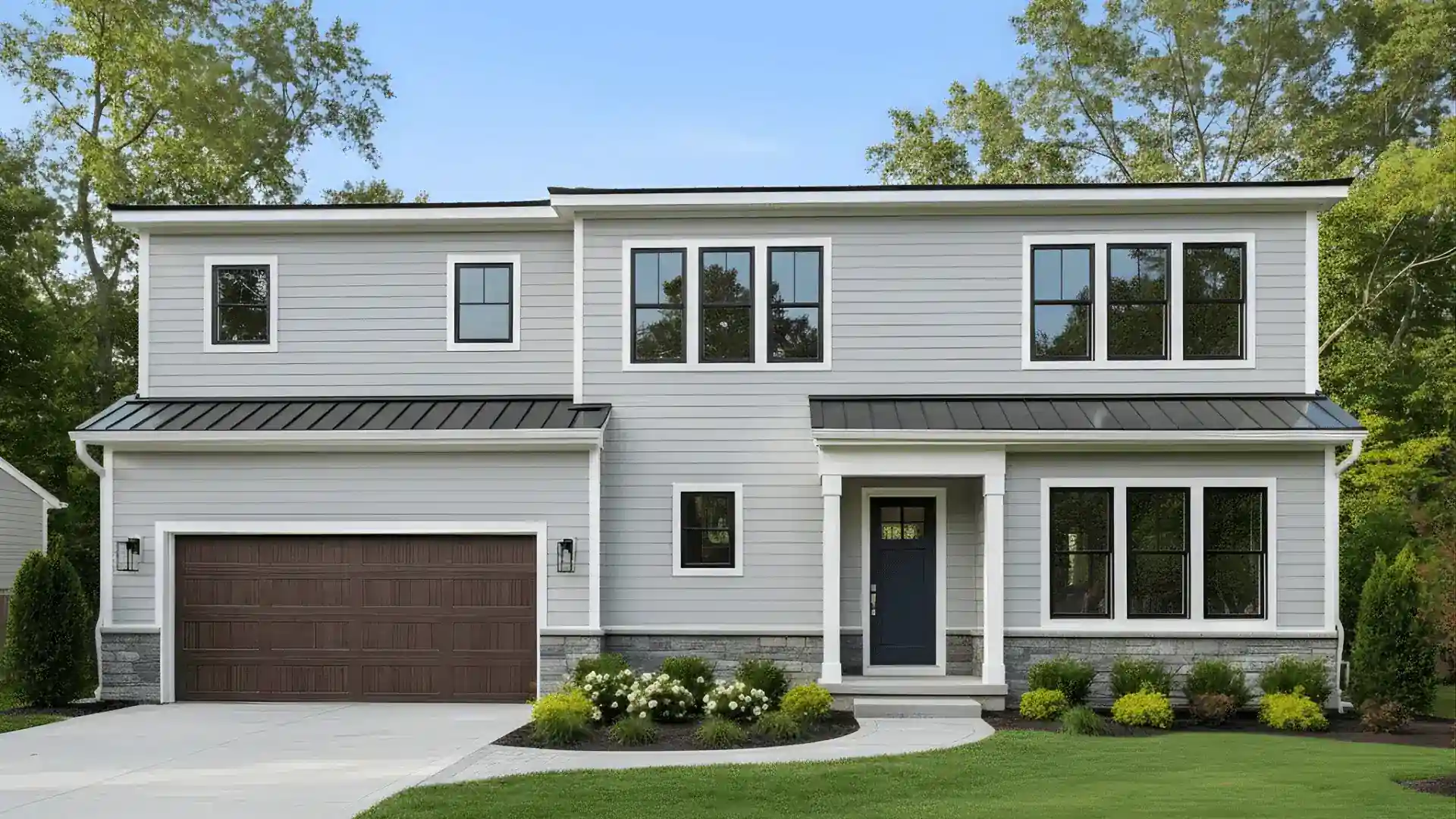
Looking to expand your home quickly and affordably? Modular home additions offer a fast, cost-effective way to create more space with minimal disturbance.
Whether you need an extra bedroom, a home office, or a second story, these additions are built off-site and installed in just weeks.
Designed to suit various styles and budgets, modular additions provide flexibility without compromising on quality. With efficient factory production and quick installation, you’ll have a brand-new space ready in no time.
Let’s take a closer look at how modular construction can give the home the upgrade it needs without the long wait or high price tag.
What are Modular Home Additions?
Modular home additions are sections of a house that are built in a factory and then transported to your property for assembly.
Each piece is crafted indoors using precise machinery, which helps maintain quality and reduce weather-related delays.
Unlike traditional stick-built construction, modular additions arrive in ready-made sections and are quickly joined to your existing home, creating a seamless new space like a bedroom, garage, or second story.
Why Choose a Modular Home Addition?
Modular additions are an efficient and cost-effective way to expand your home. With most of the work done off-site, they offer faster construction and less disruption.
- Faster construction with off-site work
- 10–20% cost savings due to efficient production
- Durable, energy-efficient, and customizable designs
- Reduced material waste and less on-site disruption
Modular additions provide a smart, cost-effective solution for expanding your home.
Types of Modular Home Additions
Modular home additions come in many styles to fit different needs and spaces. Each type is built off-site for faster installation and smooth integration with your existing home.
1. Second-Story Additions
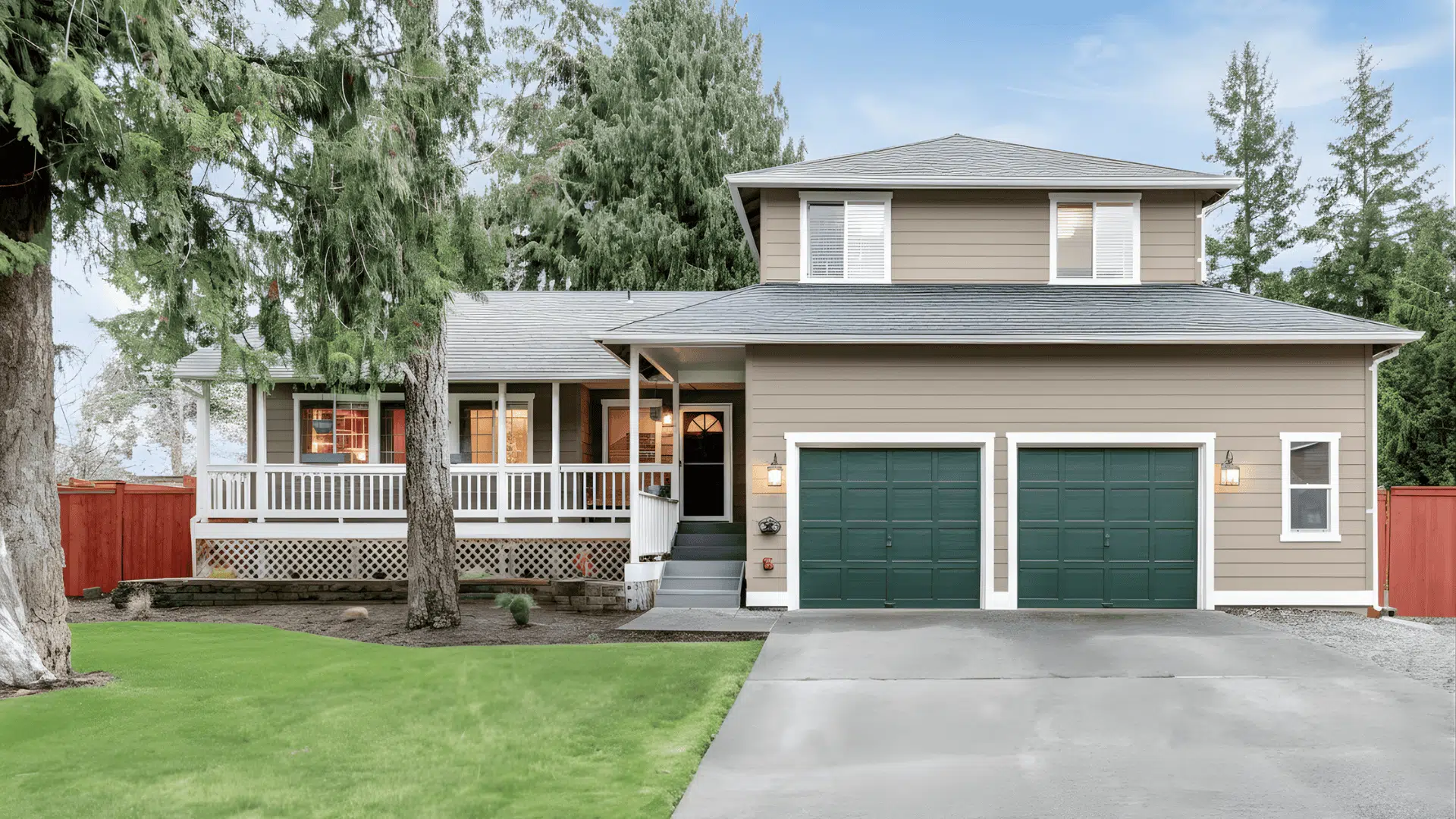
A modular second-story addition expands your home’s space without altering the footprint. It’s built in factory sections and lifted onto your existing structure.
You get new bedrooms, offices, or play areas in less time than a traditional build. This method minimizes disruption while maintaining excellent structural integrity.
2. Side or Rear Extensions
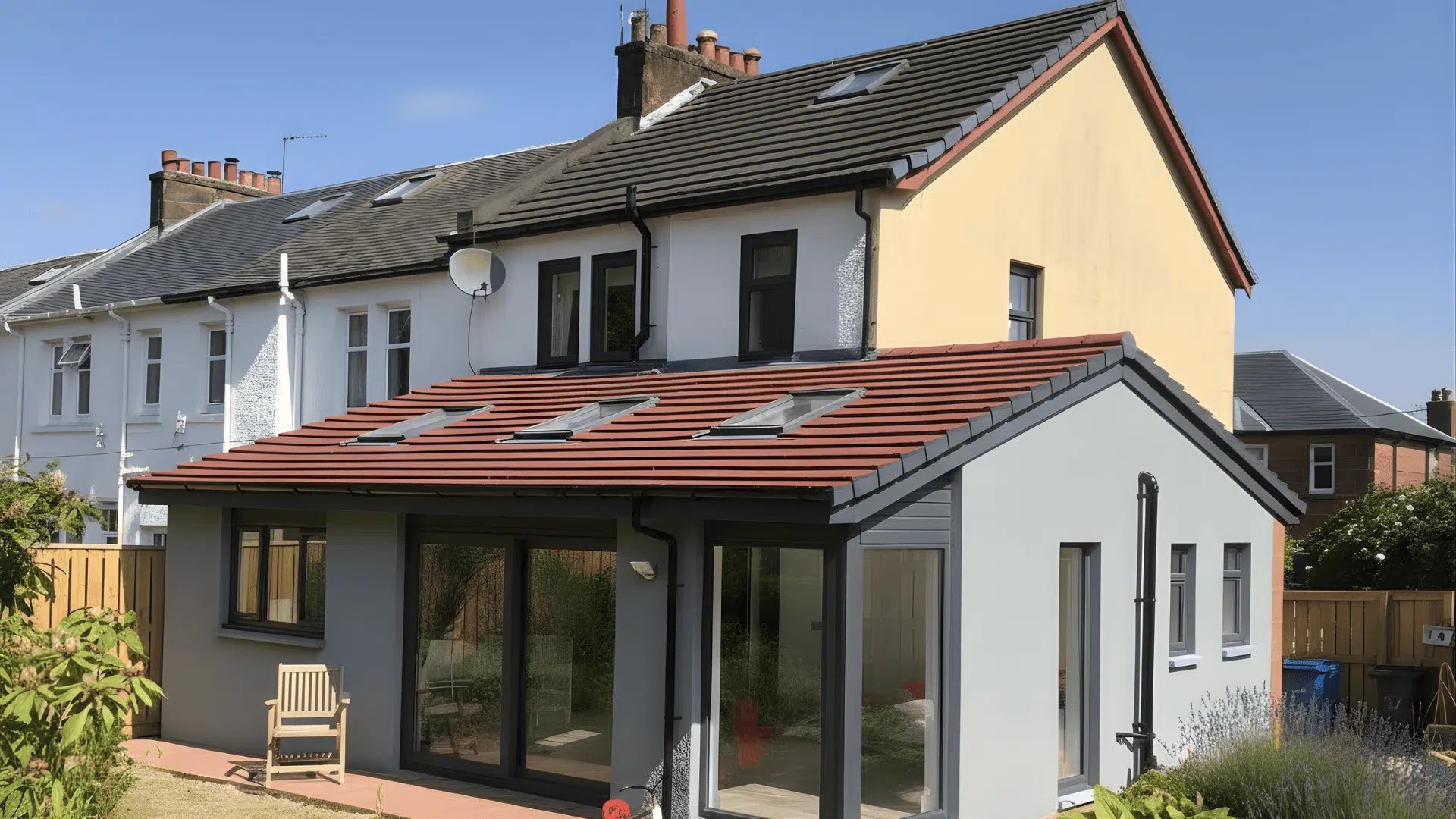
These additions expand your main living areas, like kitchens, dining rooms, or living spaces, by extending your home outward. They’re ideal for families needing more room to gather.
Modular side or rear extensions are custom-designed to match your home’s style and mix seamlessly, creating open and functional layouts without lengthy on-site construction.
3. Modular Garages & Workshops
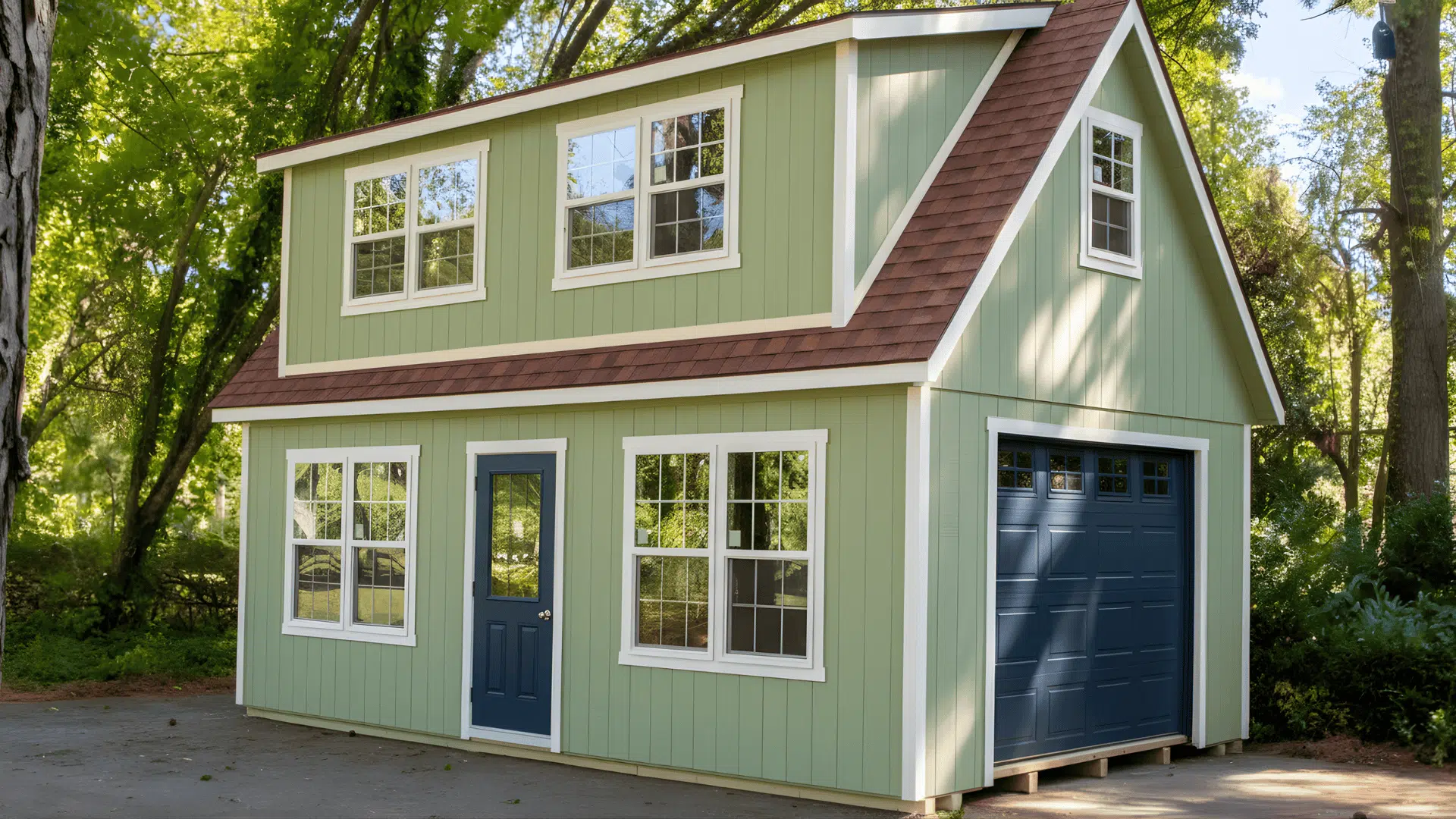
Modular garages and workshops provide quick, affordable options for extra storage, parking, or hobby space. Built off-site with durable materials, they can be single or double-car structures and are easily customized.
Their fast installation minimizes disruption, making them a practical way to add functional utility areas to your home efficiently.
4. Guest Houses & In-Law Suites
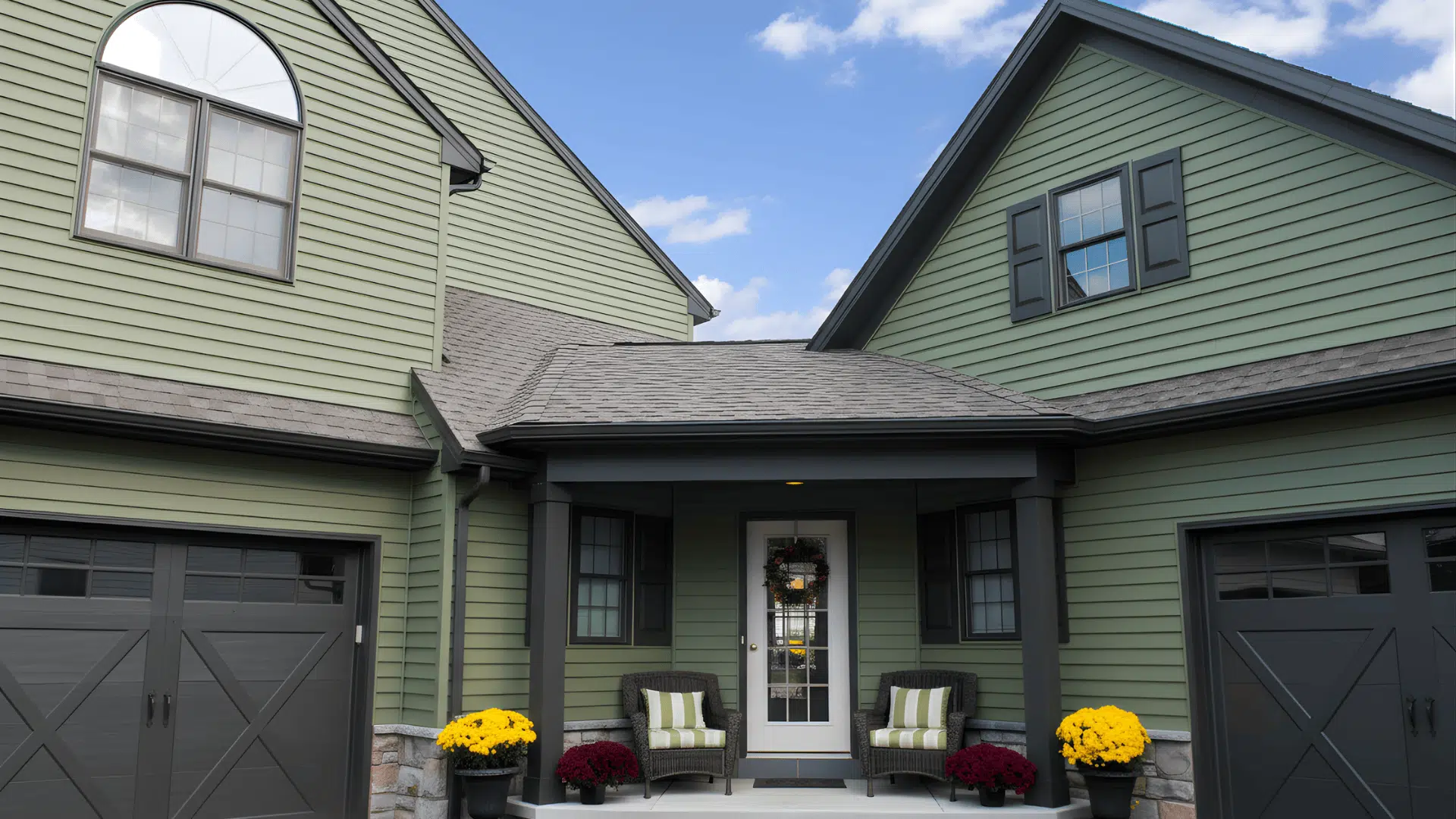
These detached or attached modular units create comfortable private spaces for guests or family members. Complete with bedrooms, bathrooms, and small kitchens, they support multi-generational living.
Built quickly and efficiently, they offer independence and comfort while maintaining proximity, making them a smart investment for long-term flexibility and increased property value.
5. Room Expansions (Bedrooms, Bathrooms, Mudrooms)
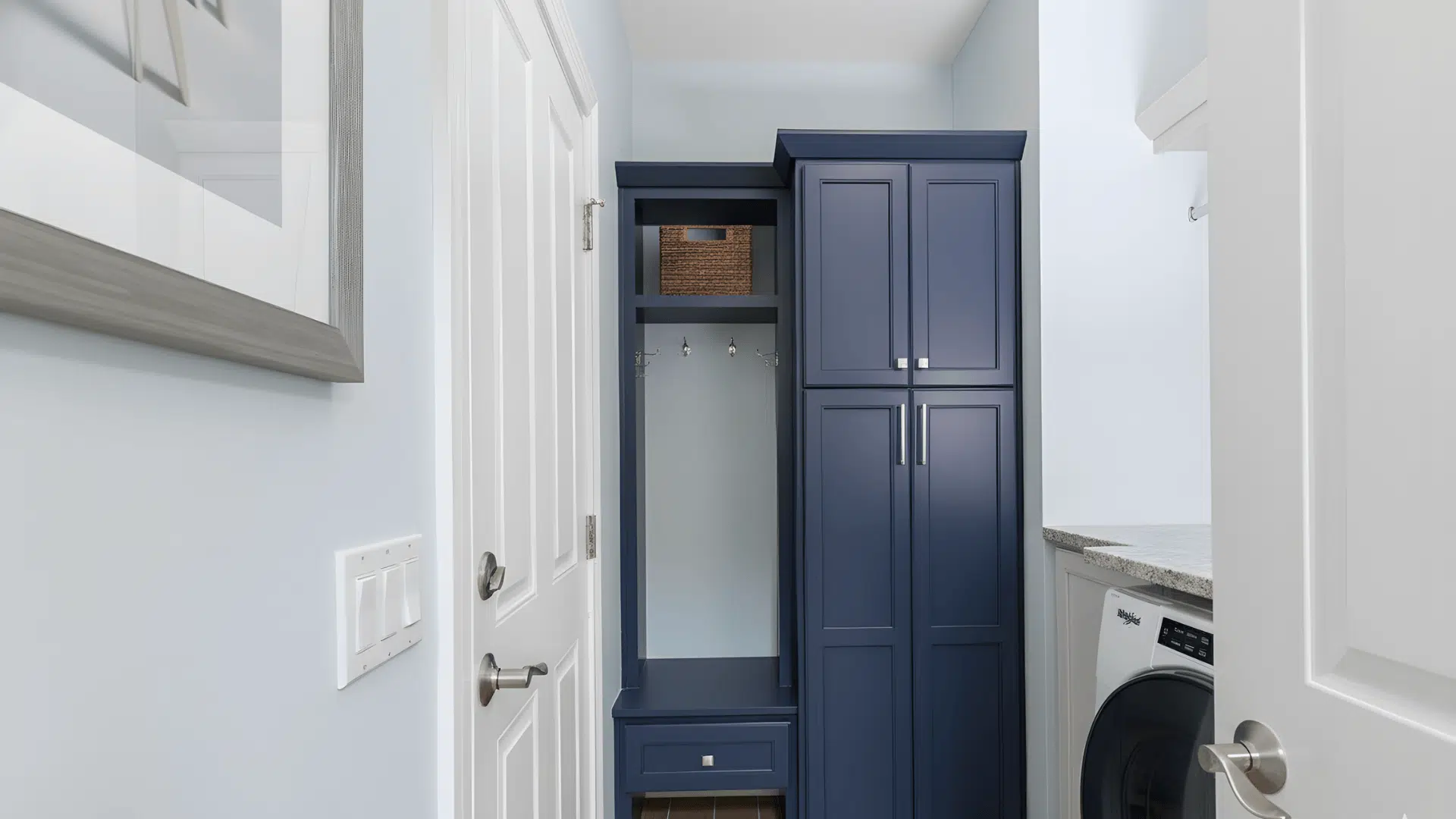
Room expansions help growing families or homeowners who want extra convenience. Modular additions can extend existing rooms or create entirely new ones, like larger bedrooms, extra bathrooms, or mudrooms.
Built with precision and installed quickly, they improve home functionality and comfort without the long timelines of traditional remodeling projects.
6. Additions for Aging in Place
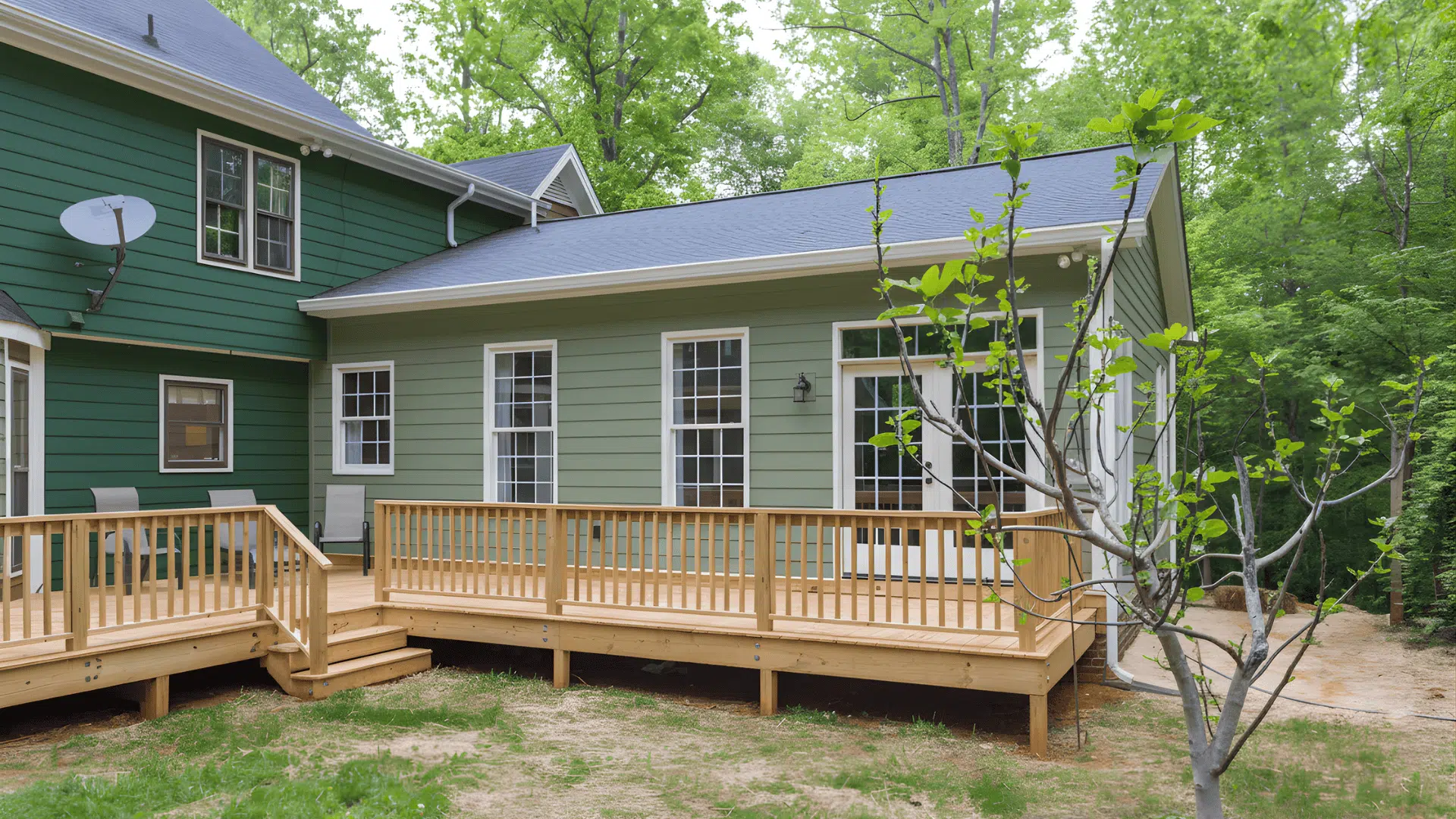
These modular additions are designed with accessibility and safety in mind. They can include wider doorways, step-free entries, ramps, grab bars, and barrier-free bathrooms.
Built to meet mobility needs, these spaces help seniors remain independent and comfortable in their homes, reducing future renovation costs while enhancing peace of mind for families.
How the Modular Addition Process Works
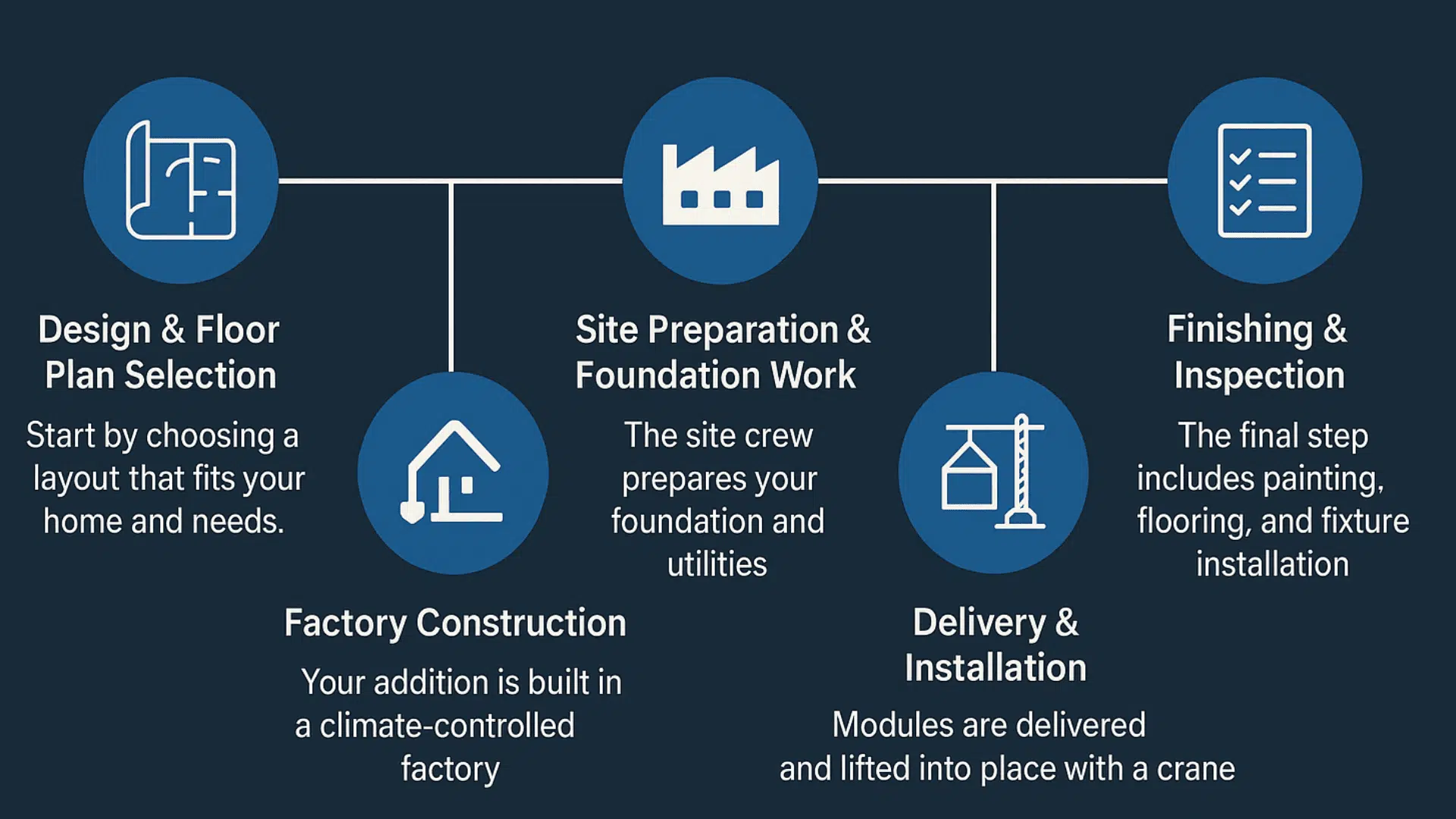
The modular addition process is quick and organized, typically completed in 6–8 weeks from start to move-in. Each stage is designed to save time and maintain quality.
- Design & Floor Plan Selection: Start by choosing a layout that fits your home and needs. Builders help select floor plans, finishes, and styles. Many offer 3D previews so you can see how your addition will look before work begins.
- Factory Construction: Your addition is built in a climate-controlled factory for precision and speed. Walls, floors, plumbing, and wiring are completed off-site under strict quality standards.
- Site Preparation & Foundation Work: While the addition is being built, the site crew prepares your foundation and utilities. Doing both at the same time saves several weeks in the overall schedule.
- Delivery & Installation: Once complete, the modules are delivered and lifted into place with a crane. They’re joined, sealed, and secured to your existing home – usually in just a few days.
- Finishing & Inspection: The final step includes painting, flooring, and fixture installation. After inspection, your modular addition is ready for use.
This structured process keeps your project organized from start to finish, letting you enjoy a brand-new space in just a few short weeks with minimal disruption.
Modular Home Addition Costs
Modular additions are typically more affordable and faster to build than traditional home extensions. Costs vary based on design, size, and finishes.
| Category | Details |
|---|---|
| Average Cost per Sq. Ft. | $100–$200 |
| Typical Total Cost | $120,000–$400,000 for 1,500–2,000 sq. ft. |
| Comparison with Traditional Construction | Modular builds are about 10–25% cheaper and finish in less time. |
| Example by Addition Type | Second-story: $150,000–$300,000 Master suite: $80,000–$200,000 Garage with living space: $100,000–$180,000 Sunroom/family room: $50,000–$120,000 |
| Cost Factors | Finishes, site prep, permits, and utility work can impact total cost. |
| Extra Feature | Add a cost calculator or downloadable estimate sheet to help readers plan their budget. |
Modular additions offer solid value by cutting both time and labor costs while maintaining consistent build quality.
Permits, Zoning & Structural Considerations
Follow local regulations and get necessary approvals before starting a modular addition to ensure safety and compliance.
- Building Permits & Zoning: Required for all additions. Check local codes for height limits, property setbacks, and design rules. Apply early to prevent project delays.
- Foundation & Structural Integration: Builders inspect your existing foundation for strength and stability. Some projects may need reinforcement or a new base before attaching the modules securely.
- Utility Hookups & Final Inspections: Electrical, plumbing, and HVAC systems are connected to existing lines. Inspectors review the work for safety and code compliance before giving final approval.
- Common Mistakes & Tips: Avoid skipping permits or zoning checks, confirm utility access in advance, and work with experienced modular builders to simplify paperwork and inspections.
Taking the time to handle permits, zoning, and inspections properly helps your modular addition meet all safety standards, avoid costly delays, and ensure a smooth, stress-free build.
Modular Addition vs. Prefab vs. Traditional Construction
Modular additions and traditional builds serve the same goal, expanding living space, but they differ greatly in cost, timing, and efficiency.
| Feature | Modular Addition | Traditional Addition | Prefab Addition |
|---|---|---|---|
| Build Time | 6–8 weeks | 3–6 months | 2–3 months |
| Cost | $100–$200 per sq. ft. | $150–$300 per sq. ft. | $120–$250 per sq. ft. |
| Quality Control | Factory-built for consistency | Weather-dependent and variable | Factory-built with a focus on design |
| On-Site Disruption | Minimal, faster installation | Significantly longer construction | Moderate disruption, depending on the size |
| Sustainability | Lower waste and energy use | Higher waste and site impact | Lower waste, more energy-efficient than traditional |
Modular construction offers faster timelines, better cost control, and less mess, making it a smart choice for homeowners who want high quality with fewer disruptions.
Visual Inspiration for Modular Home Additions
Seeing examples and design ideas helps homeowners understand how modular construction can expand space, improve functionality, and update the look of their homes.
Floor Addition
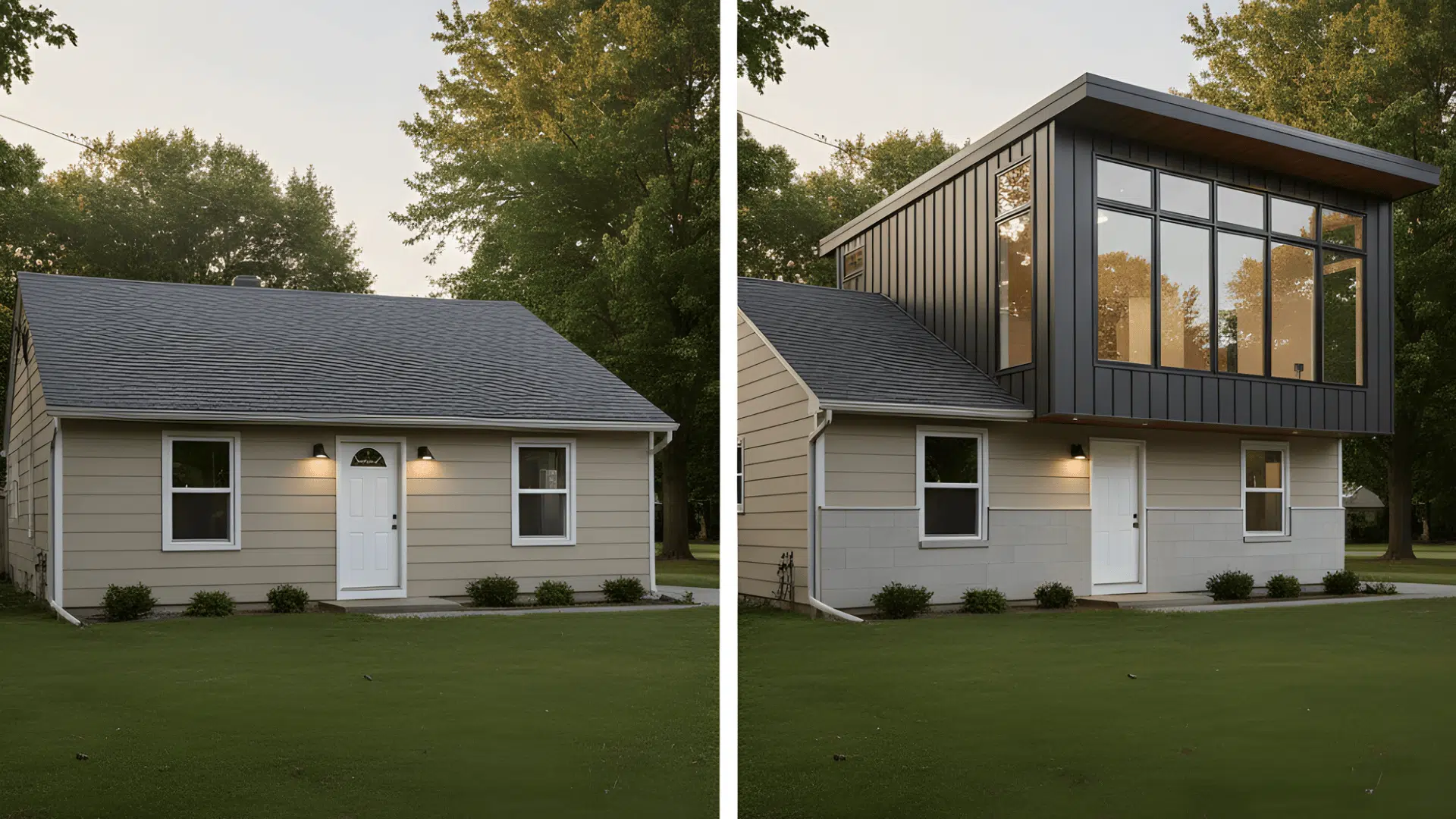
A modular addition can completely change how a home looks and functions. For example, a single-story home can be upgraded with a modular second story, adding bedrooms and more living space.
The new section is installed quickly and blends with the original design, giving the house a modern, finished look. These before-and-after views show how modular construction expands space efficiently without major disturbance.
Outdoor-Connected Additions
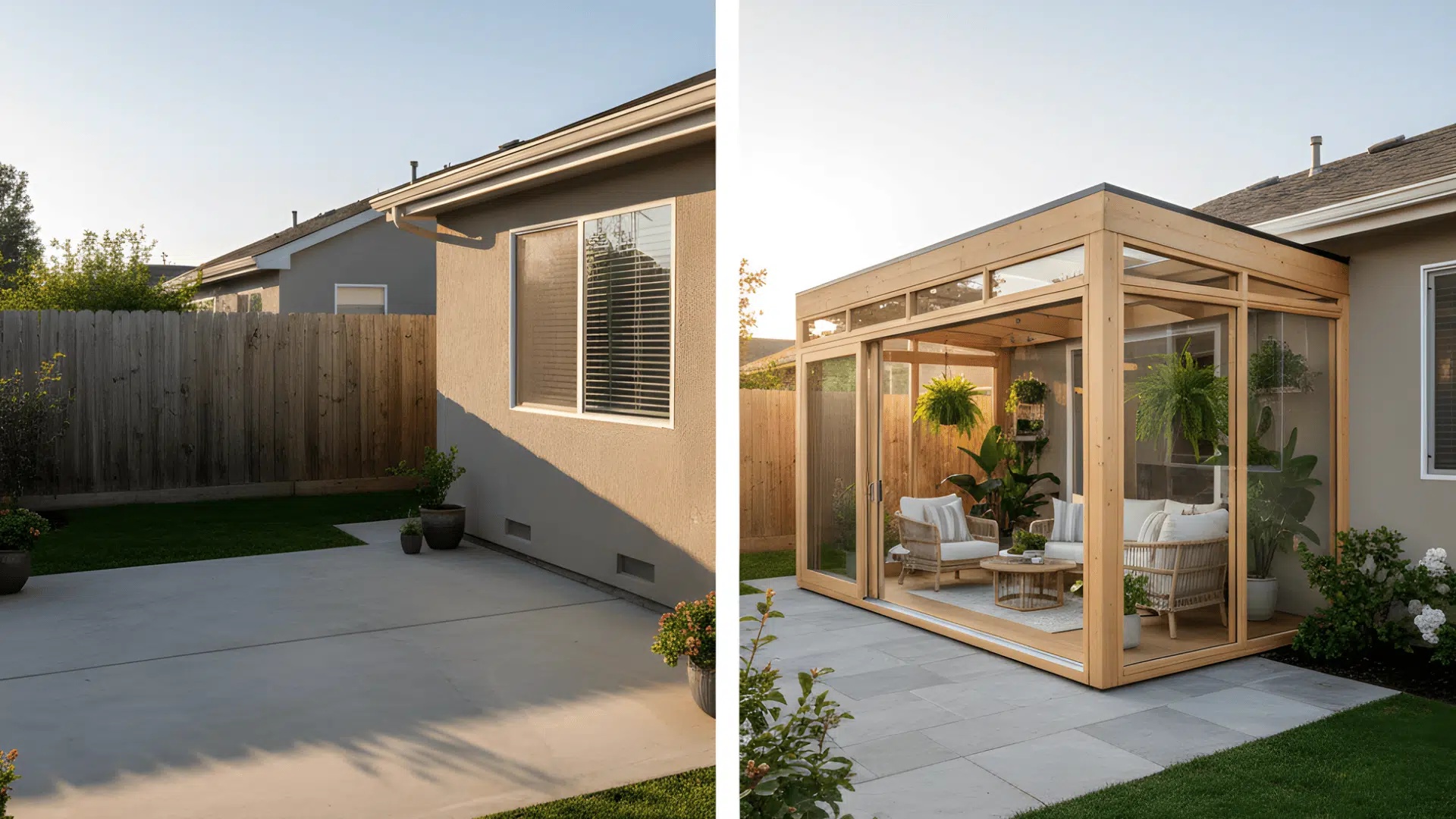
Some modular additions are designed to extend living space toward the outdoors. These include sunrooms, enclosed patios, or family rooms with large sliding doors that open to the yard.
They bring in natural light, improve ventilation, and create a smooth flow between indoor and outdoor areas. Modular construction makes these spaces quick to build and easy to customize for year-round use.
Design Variety
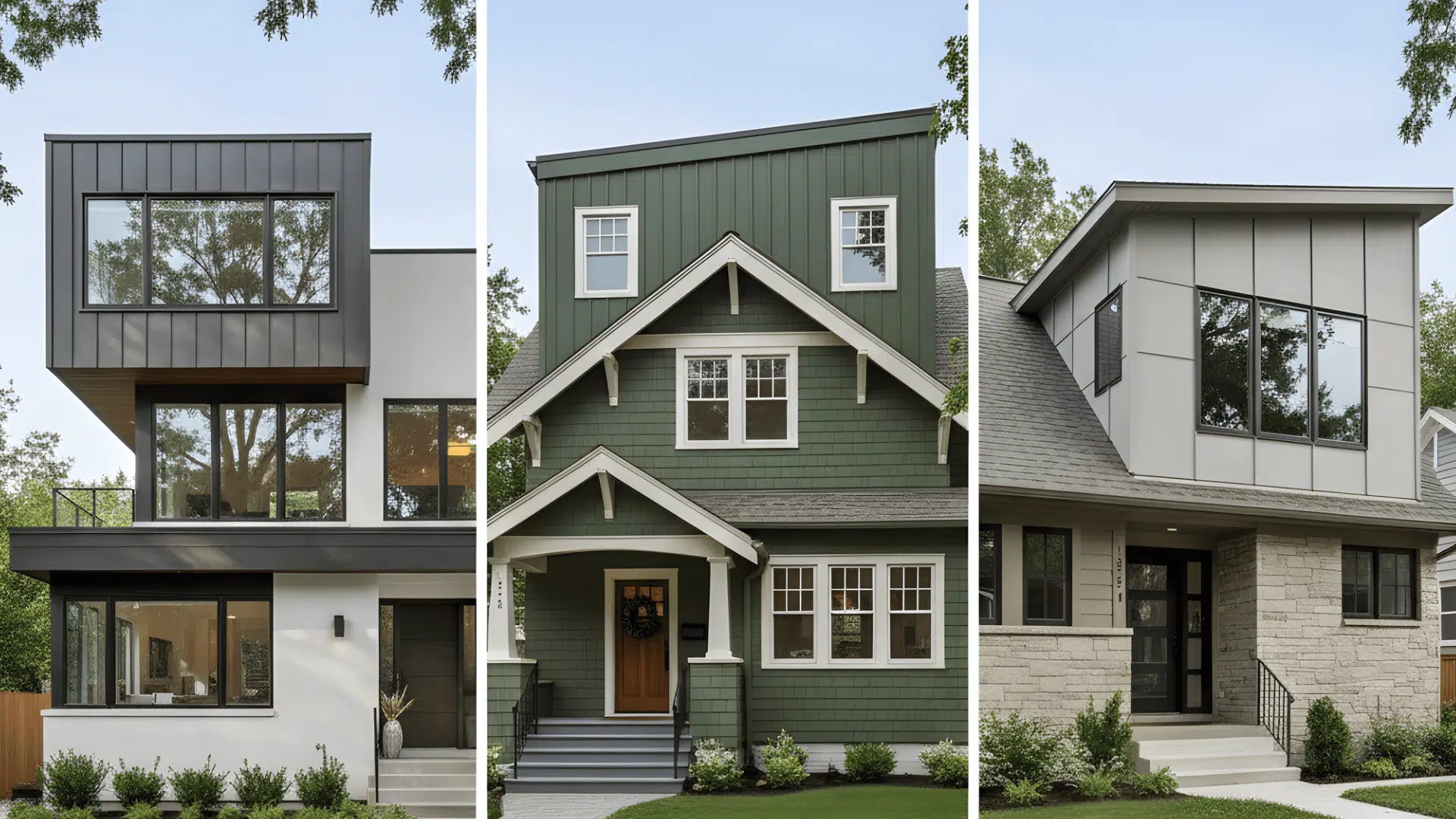
Modular additions work with different architectural styles. They can match modern, traditional, or transitional homes, making them suitable for any neighborhood.
These designs blend naturally with the existing structure, ensuring the new space feels like part of the home rather than an addition.
Finding the Right Modular Addition Company
Finding the right modular addition company makes the difference between a smooth project and one full of setbacks. A trusted builder ensures the work is safe, efficient, and code-compliant.
- Select a Reliable Builder: Choose licensed, insured builders with modular experience. Check reviews, past projects, and their knowledge of local permits and zoning.
- Ask Before Hiring: Ask how long they’ve built modular additions, what’s included in the quote, and if they handle site prep and utility hookups. Request references or project photos to confirm quality.
- Warning Signs: Avoid builders without written contracts, asking for full payment upfront, or giving vague timelines. Poor communication is another warning sign.
- Reputable Companies:Carbide Construction, Westchester Modular Homes, and Studio Shed are known for dependable service and consistent results.
A qualified modular builder keeps your project on schedule, within budget, and built to last, saving you time and stress down the road.
Conclusion
Choosing a modular home addition allows you to expand your space with less hassle and at a lower cost than traditional methods.
Whether you’re adding a second story or creating extra living space, modular additions provide a flexible and efficient solution.
With quick installation and minimal disruption, it’s an ideal choice for homeowners who want to build up their home without the lengthy delays.
Plus, with customizable options, you can create a space that truly fits your needs.
Get started today and find out how a modular home addition can be the perfect fit for your space.











5 Responses
Hello, I own my home and would like to know how to add additional rooms to it , family room , upgrades etc. , just need guidance lord 🙏 ❤️ I desperately need a family room, bedroom and a few added touches..
I have a doublewide home and am very interested on having a modular addition added. A garage on each end and a large area in the center that will be used for different things.
My question is: can you tell me or how do I find a company anywhere near me that does these additions?
I live in the Northwestern corner of Ashe County NC in the small community of Fleetwood NC 28626
I appreciate any help you might give me
I was thinking about putting a room the size of a studio apt. or a little larger connecting it to my back door where my laundry room is where i want to put a toilrt,vanity & a shoer stall. the addition would only need a kitchenette & a large closet.
I am in Noblesville, Indiana, and my home currently has an outdoor patio attached to the house with a cement pad and pergola. I’d like to replace with something that is enclosed, year-round, which means good for cold and hot temperatures. I will be using it as an art studio.
I would like to add a 2nd bathroom, laundry, and pantry off my kitchen back door. I own a small 1100 sq ft modular ranch and would like to be able age in place with these few modifications. Currently, laundry is in the basement which is becoming difficult to go up and down stairs. I might want to add a garage as my existing garage is under my house. I’m aiming for one- floor living as I enter my 70’s.