
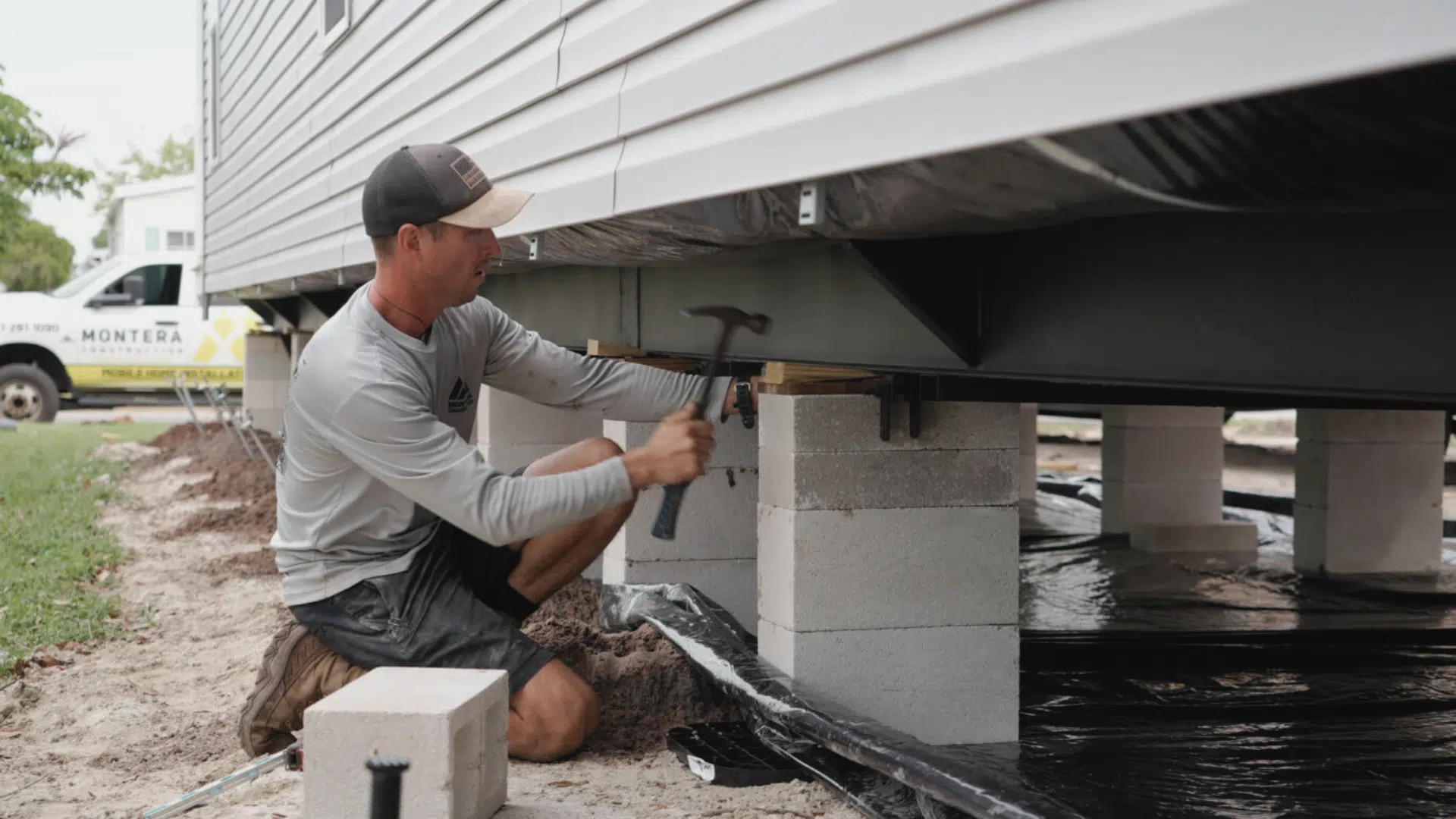
Keeping your mobile home stable isn’t just about comfort; it’s about protecting your investment.
Over time, small shifts can cause big problems, but most people don’t notice the signs until it’s too late. Even a slight imbalance can affect everything from your plumbing to your peace of mind.
The good news is, with the right approach, you can easily prevent major damage before it starts. A few smart checks and timely fixes can make all the difference.
Here, you’ll find simple insights that help you spot issues early and keep your home safe, balanced, and built to last.
What is Mobile Home Leveling and Why Does It Matter?
Mobile home leveling is the process of adjusting the piers under the home, not the ground itself. Over time, the home’s foundation may settle unevenly, causing the structure to shift.
Leveling helps by raising and securing the piers to restore balance and keep the home stable. If left unaddressed, signs like doors sticking, cracks in the walls, or uneven floors can appear.
Ignoring these issues can lead to more serious problems, such as plumbing damage or wall stress, which could result in costly repairs.
Keeping your mobile home level is essential for maintaining its safety and longevity.
How to Level a Mobile Home: Step-by-Step Process
Leveling a mobile home can be a safe DIY task if you follow the right steps and use proper equipment. However, if the problem is severe or beyond your comfort zone, it’s best to call in a professional.
Tools and Materials Required
- Hydraulic jack: To lift the mobile home and raise low areas.
- Water level: To check whether the piers are level.
- Shims: To fill gaps and secure piers in their new position.
- Safety gear: Gloves, goggles, and steel-toed boots to protect from debris and tools.
- Wrenches and bolts: For loosening and tightening anchor straps.
Now that you know the tools, let’s see the leveling process. Follow these steps carefully to ensure the mobile home is properly leveled and secure:
Step 1: Inspect the Home’s Condition
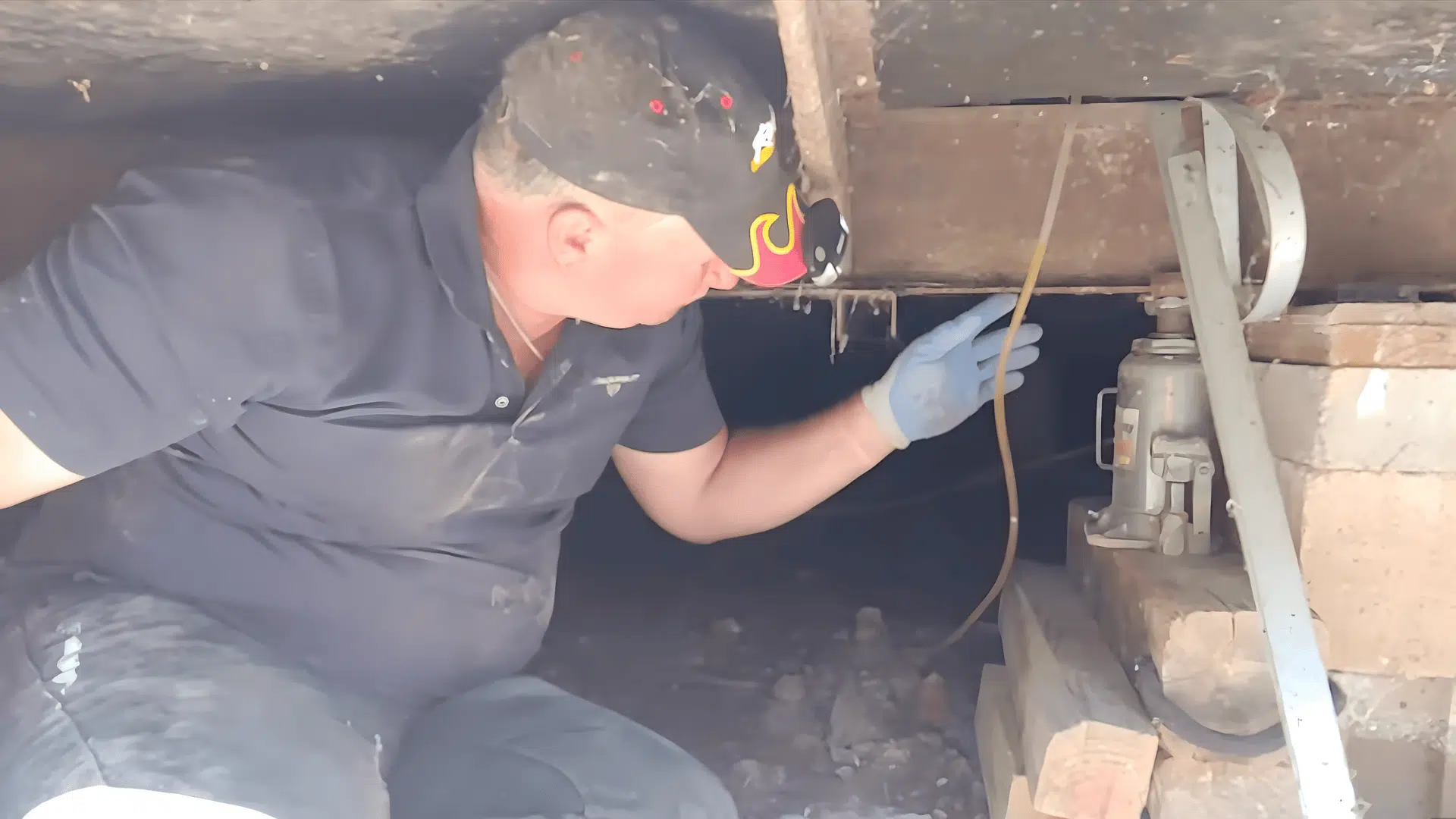
Before starting, check the mobile home using a water level to identify any low or uneven areas. Look for gaps or dips along the frame that indicate where adjustments are needed.
Note the worst piers first, as these will require the most attention to bring the home back to a stable, level position.
Step 2: Loosen Anchors and Straps
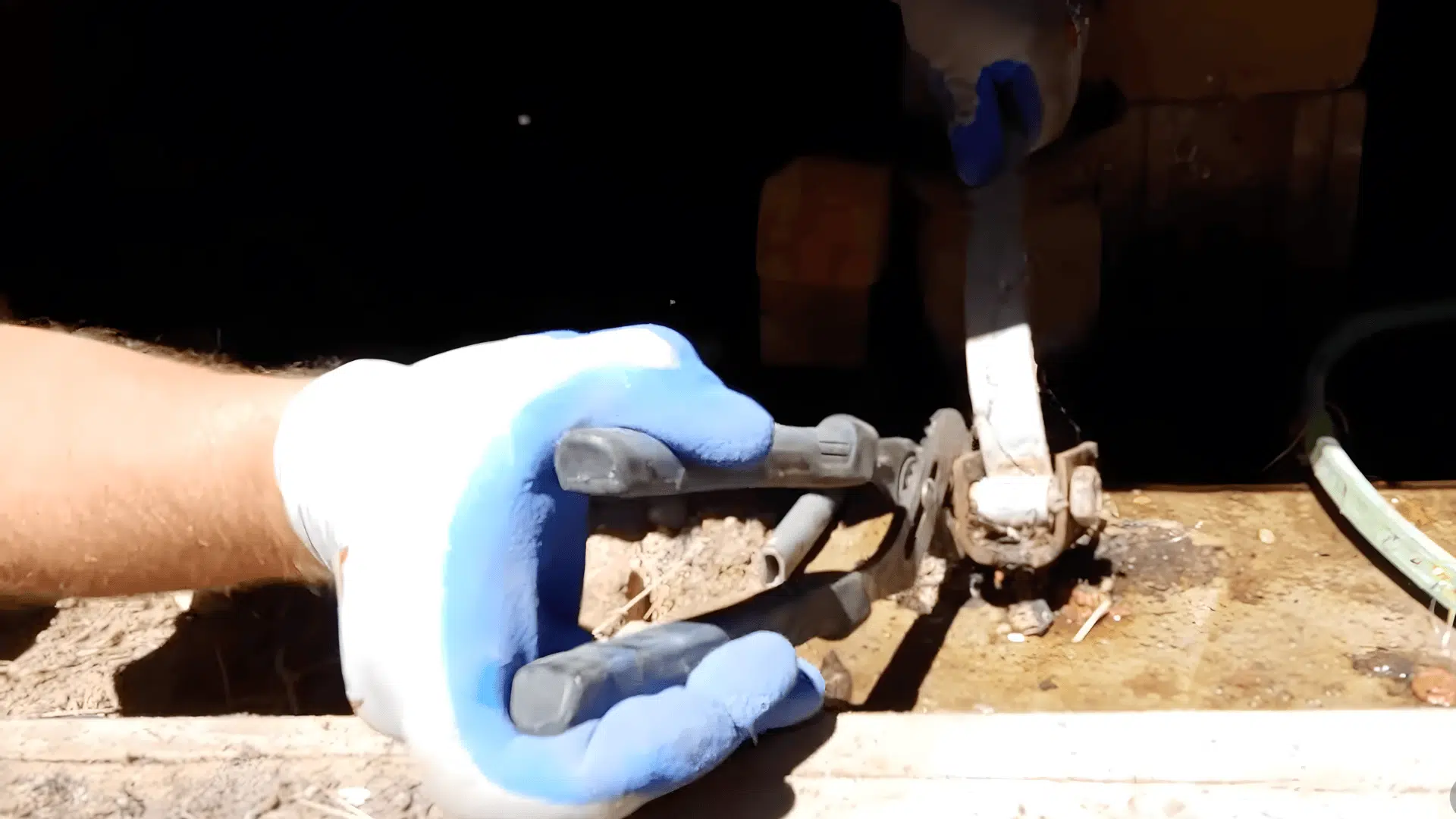
Loosen the anchor bolts and straps attached to the frame before jacking. This step releases tension, allowing the home to lift freely without bending the metal.
Use a wrench to adjust the square-shank bolts carefully. This ensures the frame can rise evenly and prevents unnecessary stress or damage to the structure during leveling.
Step 3: Set the Hydraulic Jack

Position the hydraulic jack directly beneath the steel I-beam at the home’s lowest point. Center it securely with a sturdy plate, ensuring solid ground contact.
Use the correct handle length for better control in tight spaces. A properly placed jack creates balance and safety before you begin lifting the home’s frame.
Step 4: Jack Up the Home Slowly
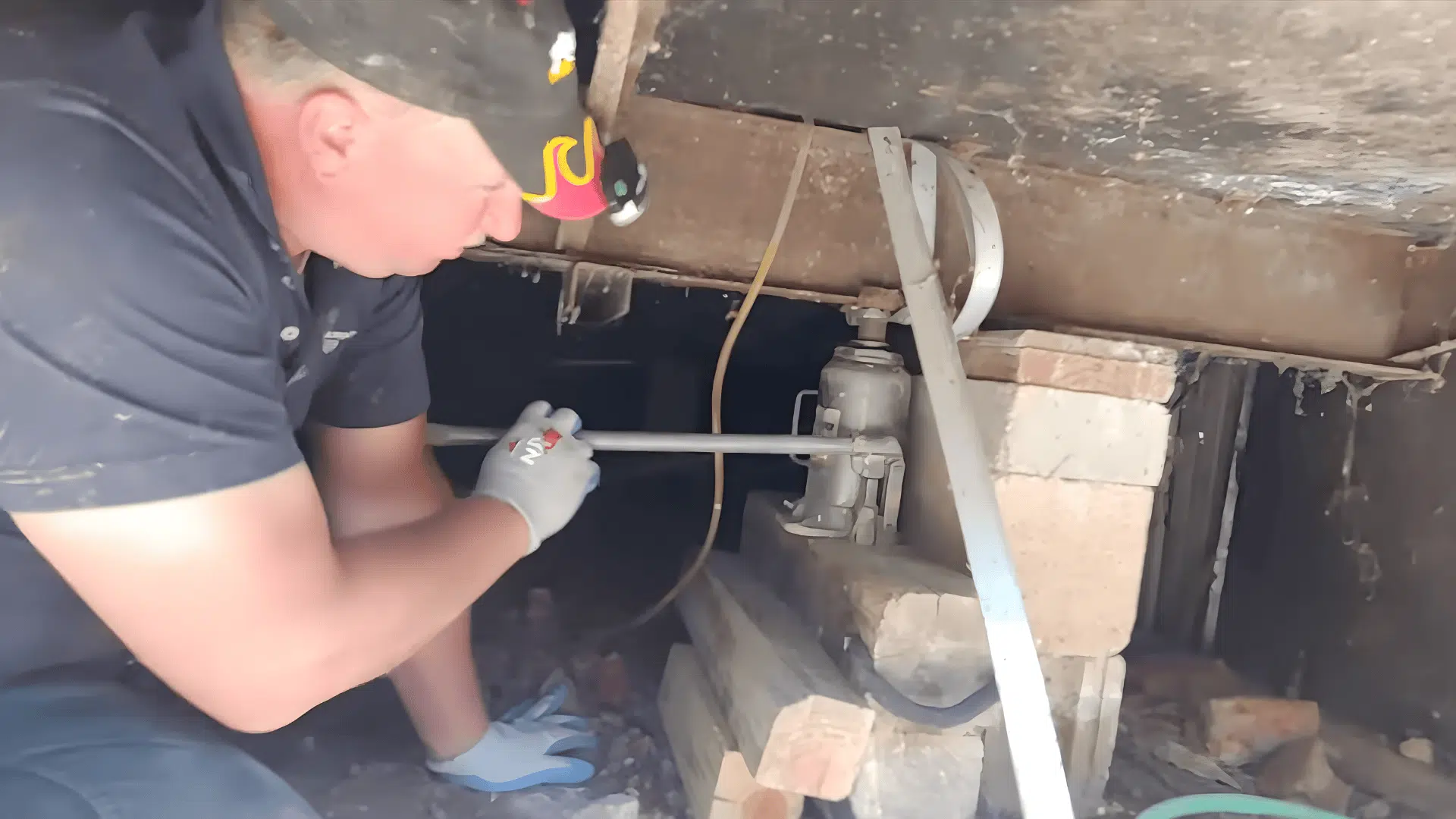
Start raising the home gently using the hydraulic jack. Move slowly to avoid sudden shifts or damage to the frame. Watch for signs like paint cracking or rust flaking, which indicate the frame is flexing.
Keep one hand on the frame to feel for movement, ensuring everything stays stable while lifting.
Step 5: Shim and Secure Piers

Once the frame reaches the desired height, insert wooden shims beneath the piers to fill any gaps. Use wedges or blocks to stabilize the structure and hammer them in for a snug fit.
Check each pier for alignment to make sure the home rests evenly, distributing weight across all supports.
Step 6: Lower the Frame and Check Level
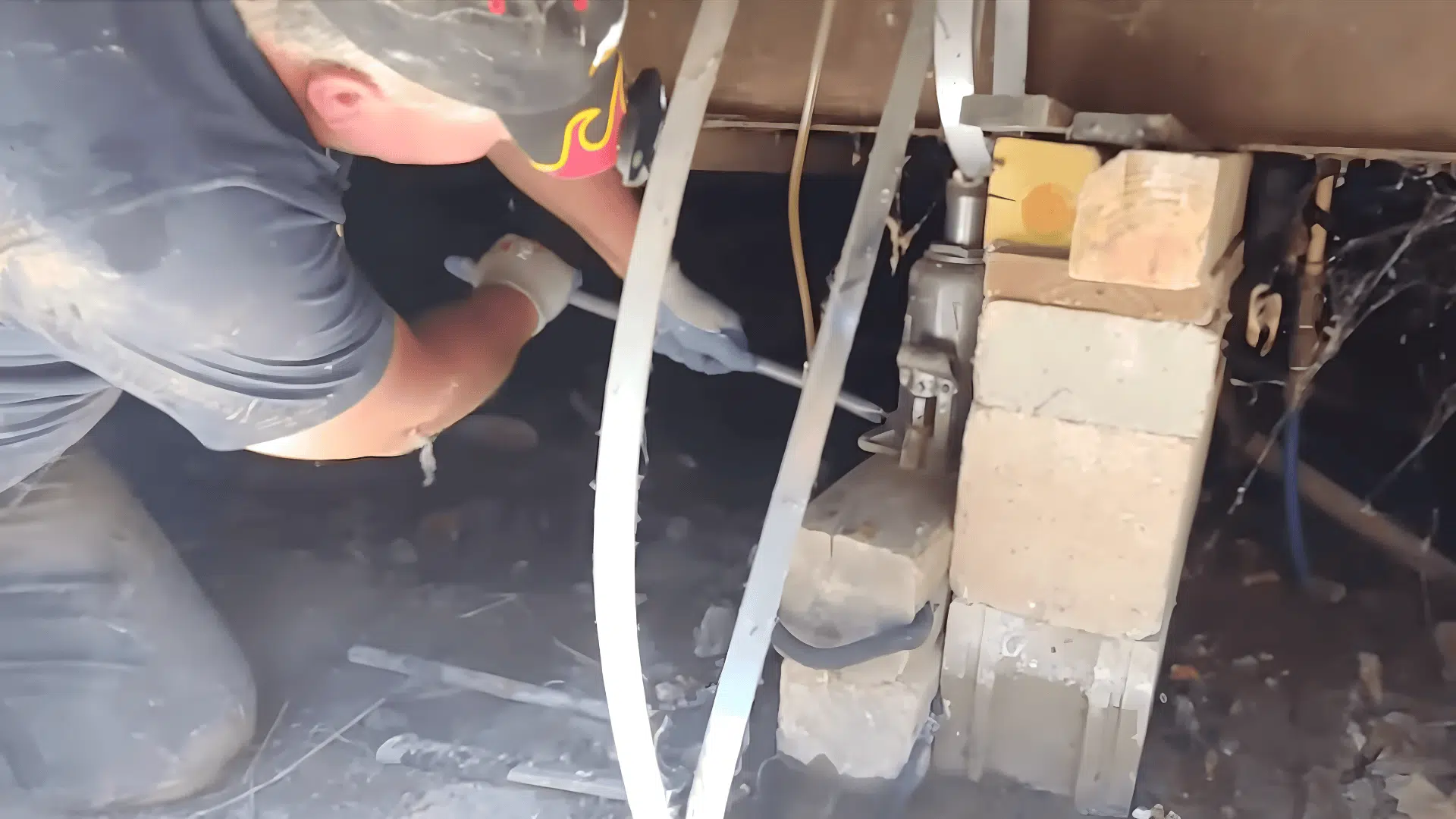
Carefully release the jack’s pressure to let the frame settle onto the adjusted piers. Listen for any unusual sounds like clunks, which may mean a cracked block.
Once lowered, recheck the level across the frame using a water level to confirm everything sits evenly and securely before removing the jack.
Step 7: Tighten Anchors and Straps
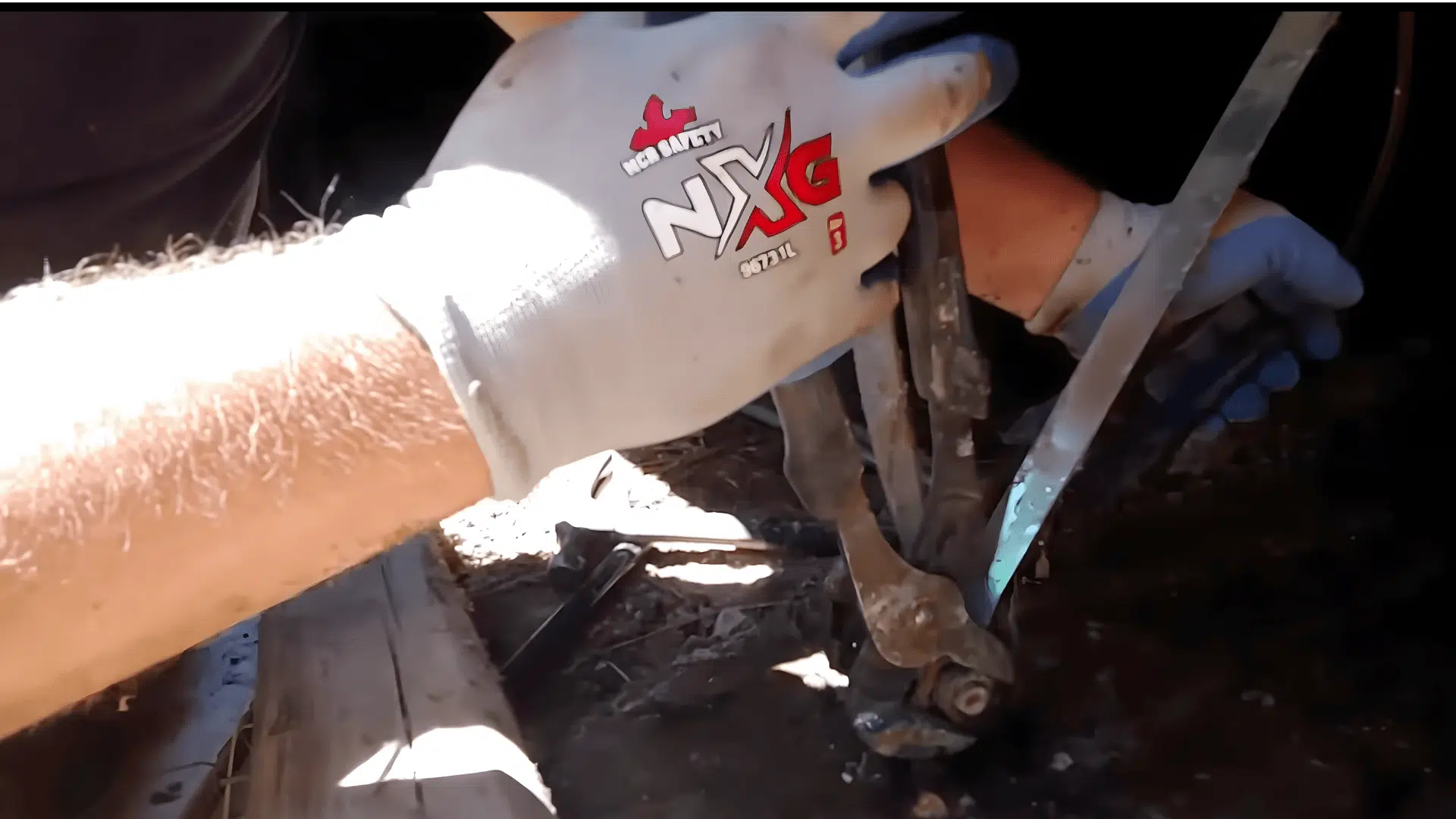
After leveling, tighten the anchor straps and bolts to secure the frame firmly in place. Align the square-shank bolts with their holes and fasten them until snug.
This locks the home’s foundation and prevents future shifting. Tight anchors are essential for maintaining balance and ensuring long-term stability after leveling.
These leveling steps are based on the practical demonstration from @StraightArrowRepair. His clear, hands-on approach offers valuable real-world insight into safe and effective mobile home leveling:
Safety Tips During Leveling
When leveling a mobile home, safety is crucial. Follow these essential safety tips to protect yourself and the property.
- Ground stability checks: Ensure the ground under the home is stable before beginning the leveling process. If the soil is soft or uneven, it could cause instability during the procedure.
- Never lift too fast or too high: Use a slow and steady approach when lifting the home. Lifting too quickly or too high can damage the structure or cause it to shift unexpectedly.
- Work with a partner: Always have a second person with you to help manage the jack and monitor the situation. It’s important to have someone to assist in case of emergencies or unexpected movements during the process.
By following these steps and safety tips, you can level your mobile home effectively while keeping the process safe and secure.
Potential Drawbacks of Mobile Home Leveling
Understanding the cost of leveling your mobile home is essential.
| Cost Category | Details |
|---|---|
| Average National Cost | $450–$900 |
| Cost Breakdown by Home Size | Single-wide: $450–$600 Double-wide: $750–$900 Triple-wide: $1,000+ |
| DIY vs. Professional Costs | DIY: Lower labor costs, but higher risk and time investment. Professional: Higher cost, but more reliable and efficient. |
| Factors Affecting Pricing | Soil condition, home size, age of the home, extent of damage, accessibility, and location. |
| Interactive Cost Calculator | Use a cost estimator tool: Enter home size, soil type, and condition to get an estimate. |
This table reorganizes the information to highlight key cost factors and provides clarity on DIY versus professional costs. It also includes a suggestion for using a cost calculator.
Professional Mobile Home Leveling Services
When your mobile home develops major leveling or foundation issues, hiring a trusted professional ensures the job is done safely and correctly. Below are some reputable companies known for reliable service:
- Mobile Masters, Inc.: Based in San Antonio, Texas, Mobile Masters, Inc. provides professional mobile home leveling, skirting, and moving services. They are fully licensed, bonded, and insured, ensuring safe and compliant work.
- 4A Mobile Home Leveling & Services LLC: Operating across Texas, 4A Mobile Home Leveling has over 15 years of experience. They handle leveling, setup, skirting, and transport services with a focus on affordability and efficiency.
- Arbor MHS Leveling & Foundations: Arbor MHS Leveling & Foundations is a California company with over 40 years of experience. They specialize in mobile home leveling, foundation repair, and earthquake bracing.
- Bates Mobile Home Leveling: Based in East Texas, Bates Mobile Home Leveling has over 25 years of experience in re-leveling and foundation repair. The company provides insured services and includes a one-year labor warranty.
Choosing a professional service ensures your mobile home stays level, safe, and durable for years, saving you from costly repairs in the future.
How Often to Re-Level a Mobile Home
Mobile homes should typically be re-leveled every 3 to 5 years. However, this interval can vary depending on factors such as soil conditions and the home’s foundation.
Signs that you need re-leveling sooner include sticking doors, cracks in walls or floors, uneven floors, and plumbing issues.
To extend the time between re-leveling, ensure proper drainage around the home, conduct regular inspections, and maintain piers and supports. This proactive approach can help prevent the need for early re-leveling.
Maintenance Tips
Keeping your mobile home level requires regular care and awareness of potential mistakes.
- Annual inspection routine: Inspect the home once a year. Check piers, beams, and skirting for cracks or movement. Ensure doors and windows open smoothly and look for uneven floors or loose anchor straps.
- How to keep your home level year-round: Keep the ground sloped away for drainage. Clean gutters and downspouts often. Tighten or replace anchor straps when needed and fix plumbing leaks that may weaken the soil.
- Seasonal factors: Rain can soften soil, frost can shift piers, and dry weather can cause soil shrinkage. After major weather changes, check that supports remain firm and the home stays level.
Regular inspections and careful leveling help your mobile home stay safe, balanced, and in good condition for years.
Conclusion
A solid foundation is the key to a safe and lasting home, and mobile home leveling plays a big part in that. Even minor shifts over time can affect how your home feels, functions, and holds up against everyday wear.
Addressing those small changes early keeps everything aligned and prevents bigger issues down the road.
Keeping your home balanced helps prevent costly damage, improves comfort, and maintains its overall value.
With a little maintenance or the help of a professional, you can avoid future issues and keep your home steady for years.
Take the first step today – book a quick inspection or reach out to a leveling specialist to ensure your home stays secure and stable.












2 Responses
I need work on my mobile home (doublewide) leving.will you give a call at 334 707 7752.. a quote
Could you mention what year the prices are for?