Ever wonder why your electricity bill jumps even when your routine feels unchanged? The answer is often hidden in how long certain appliances run, not just how powerful they are.
This guide breaks down what uses the most electricity in a home and where your monthly energy use really goes.
Why Do Some Home Appliances Use More Electricity Than Others?
Appliances use more electricity for one of two reasons: they draw more power, run longer, or both. A small device may have low wattage but stay on all day, while a larger appliance might use far more power for only a short stretch.
Home size, weather, equipment age, and daily habits all affect electricity use too. These factors can also help explain a high electric bill even when two similar homes use many of the same appliances.
I always check running time before assuming wattage alone tells the whole story, since a device left running for hours can quietly outpace something far more powerful used briefly.
Main Sources of Home Electricity Use
In U.S. homes, air conditioning is the largest individual use of electricity, based on the latest detailed Residential Energy Consumption Survey data. I always start here when someone asks what uses the most electricity in a home. Here’s how the biggest ones break down, starting with the largest:
1. Air Conditioning
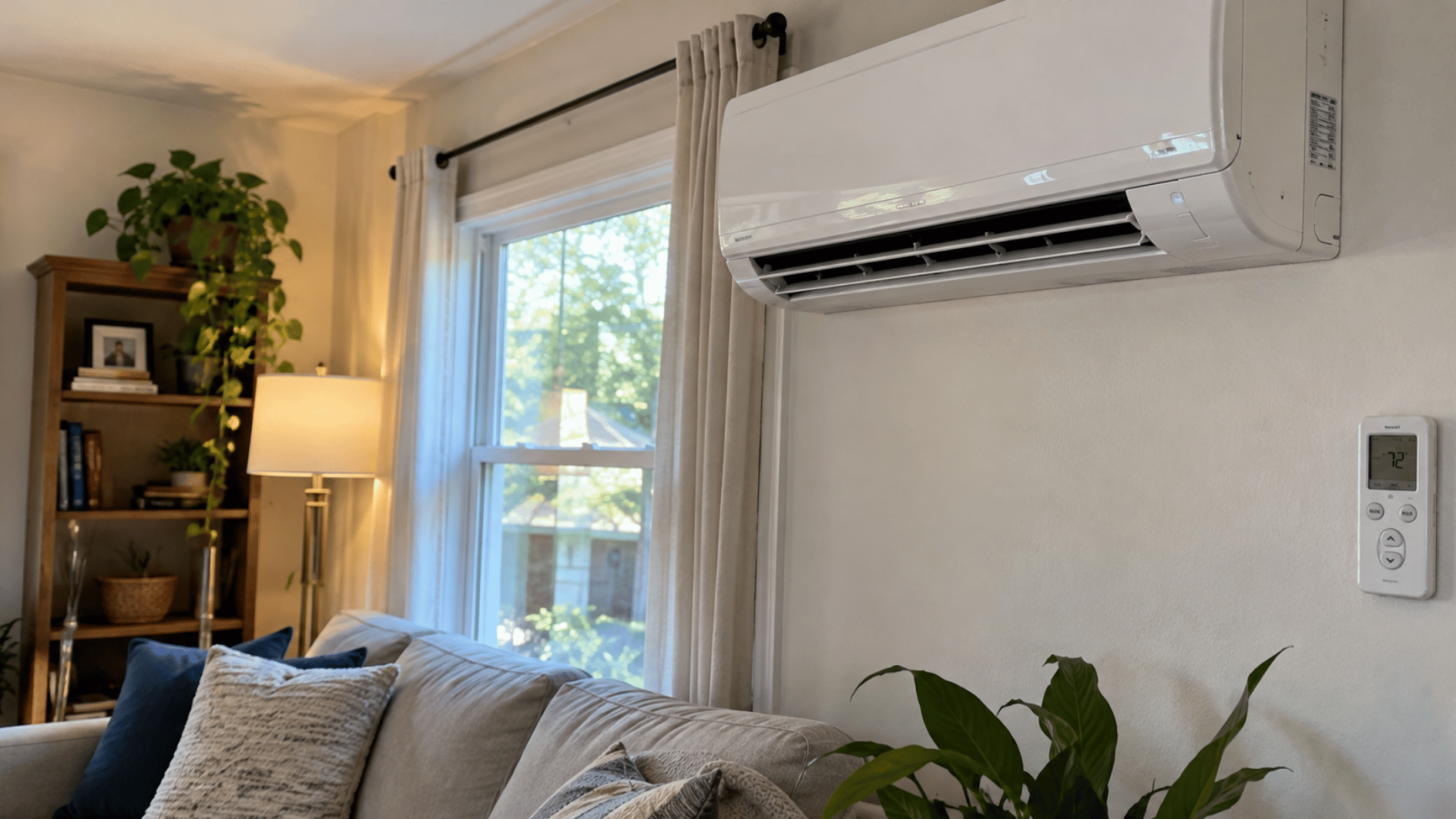
Central air conditioning is usually one of the first places to look when summer electricity use jumps. EIA data show it accounted for about 19% of residential electricity consumption nationally in 2020, making it the largest individual electricity end use measured in the survey.
The system doesn’t simply cool the air once; it cycles throughout the day to remove heat and, in humid areas, moisture.
- Thermostat Setting: A lower setting forces the system to cycle more frequently.
- Duct Leaks: Air escaping through leaky ductwork before it reaches rooms.
- Home Size: Larger square footage requires more cooling capacity overall.
- Door and Window Gaps: Small air leaks let cooled air escape unnoticed.
2. Electric Space Heating
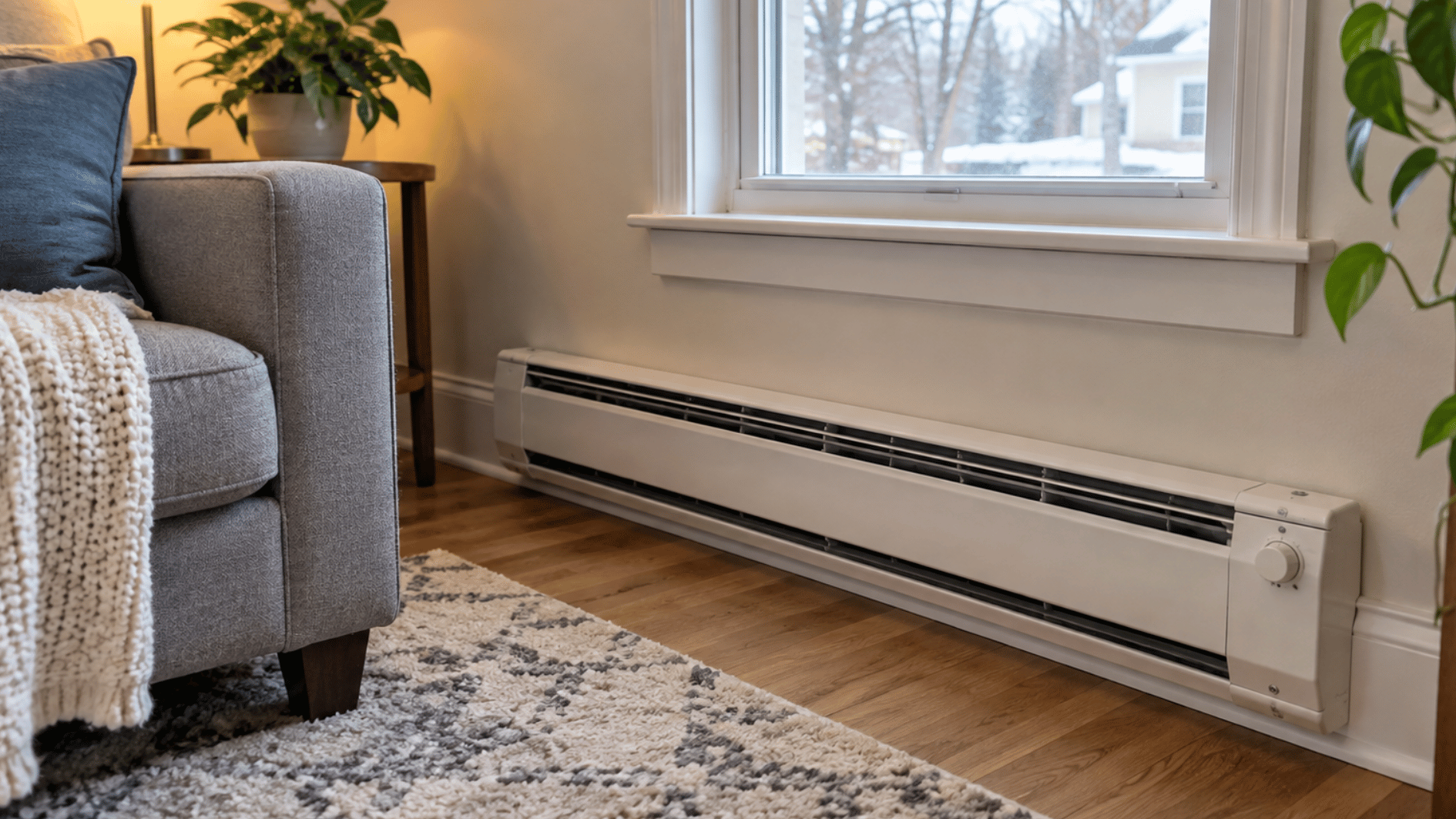
Electric heating can become the largest power user in a home during winter. Smaller electric heaters matter too, especially if you are wondering why space heaters use a lot of electricity when they run for several hours.
Heat pumps also use electricity, but they move heat rather than generating all of it through resistance, making them considerably more efficient under suitable conditions. Nationwide, electric space heating represented about 12% of residential electricity use in EIA’s 2020 data, though that percentage runs higher for homes in cold climates heating entirely with electricity.
- Window Age: Older windows lose heat faster, while energy-efficient windows can help reduce unwanted heat transfer.
- Thermostat Habits: Higher settings directly increase electricity demand.
- Home Layout: Poor airflow between rooms can force uneven heating cycles.
- Climate Factor: Colder regional climates naturally push usage well above the national average.
3. Water Heater
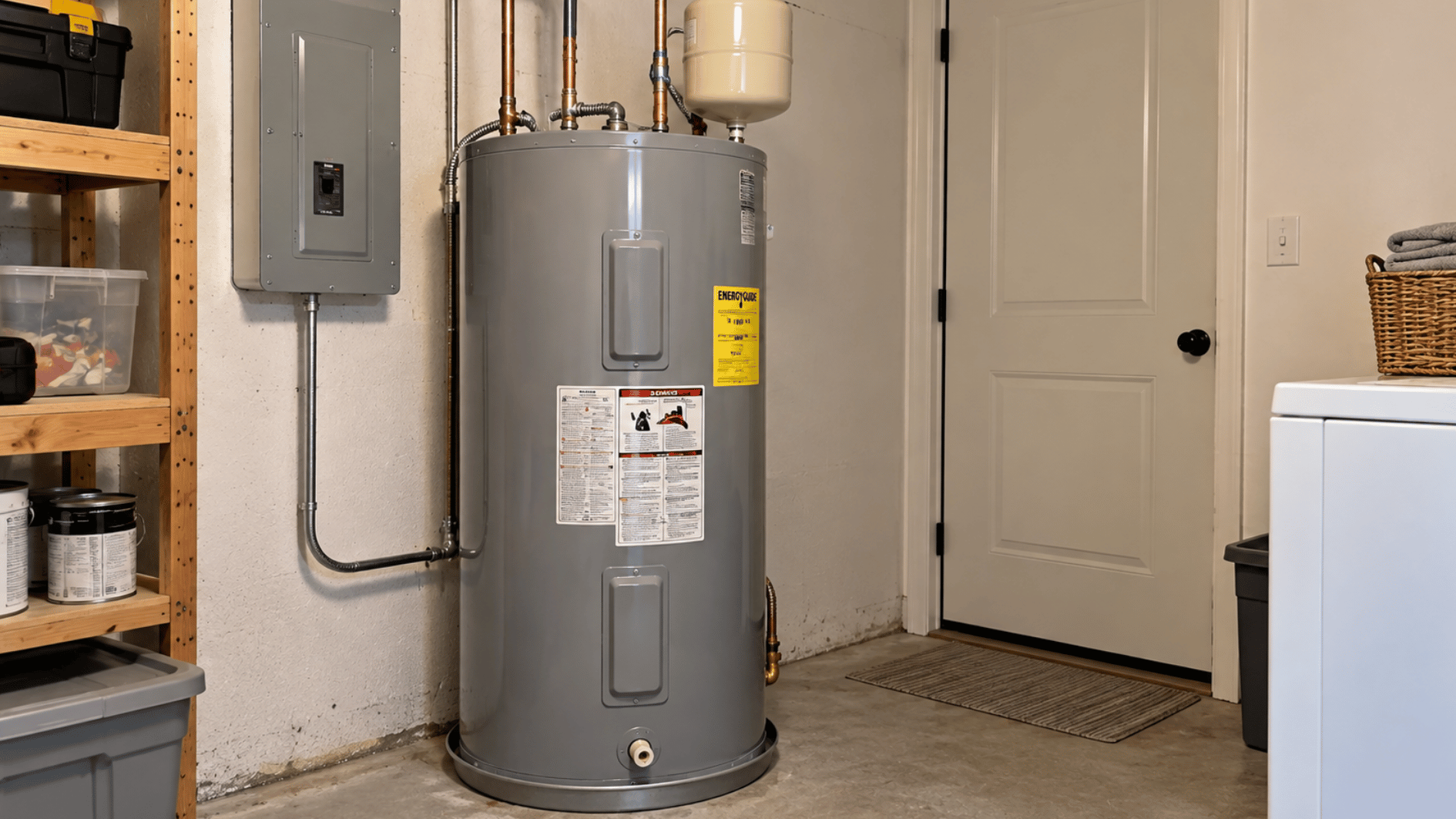
Hot water is another major energy user because demand continues throughout the year. Showers, baths, dishes, laundry, and sink use all pull heated water from the tank, and a traditional electric storage heater must then heat replacement water and maintain tank temperature between uses.
Water heating represented about 12% of U.S. residential electricity consumption in the 2020 RECS data. ENERGY STAR states water heating can consume more energy than a refrigerator, washer, dishwasher, and dryer combined, though an electric heat pump water heater can use much less energy than a standard electric model.
- Household Size: More occupants generally means more daily hot water draws.
- Tank Size: Oversized tanks heat more water than typically gets used.
- Pipe Insulation: Uninsulated pipes lose heat before water reaches the faucet.
- Equipment Type: Standard electric models use notably more energy than heat pump versions.
4. Refrigerator and Freezer
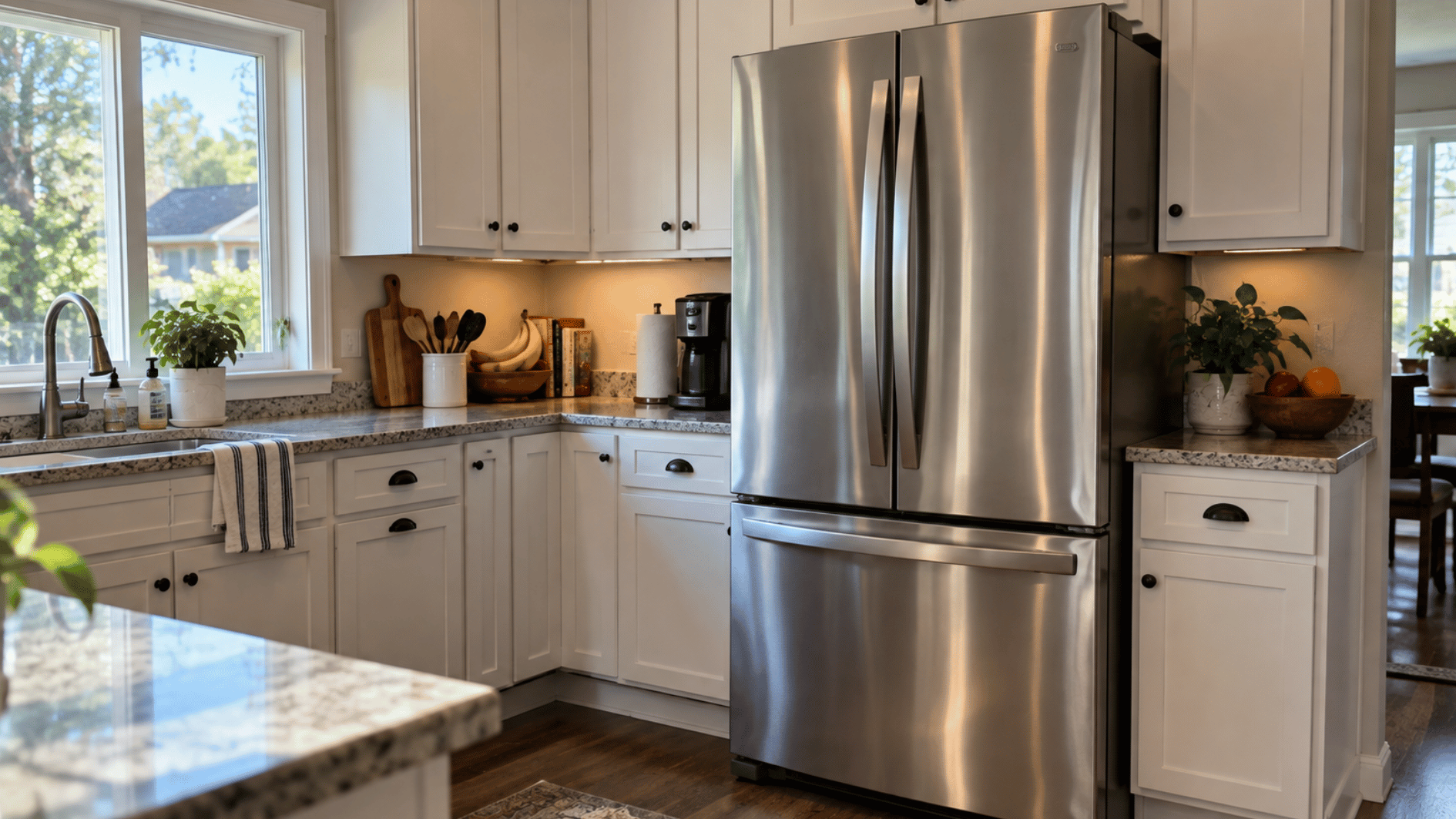
A refrigerator doesn’t have the extreme wattage of an electric dryer or oven, but it has one important difference: it never really gets a day off. The compressor cycles continuously to keep food cold.
Refrigerators accounted for roughly 8% of residential electricity use in the EIA’s 2020 national data. Extra refrigerators and standalone freezers can add meaningfully to that total, something easy to overlook when an older second unit sits running in a garage or basement.
- Door Seal Condition: Worn seals let cold air escape, forcing longer compressor cycles.
- Placement Location: Units near heat sources like ovens work harder to stay cold.
- Loading Habits: An overly full or empty fridge can both reduce efficiency.
- Model Age: Units older than 10 to 15 years often lack modern efficiency standards.
5. Clothes Dryer
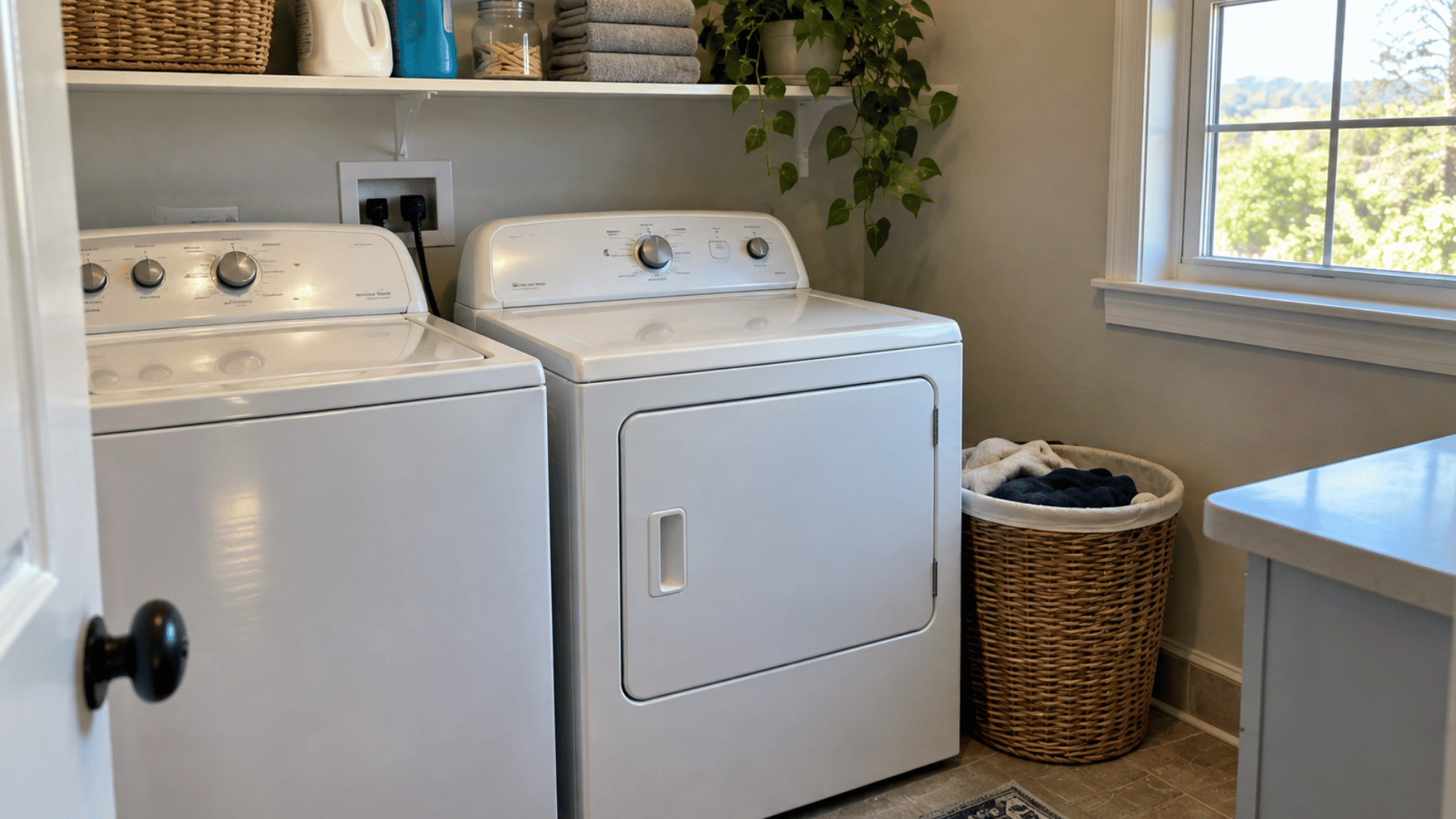
An electric dryer uses a heating element along with a motor that turns the drum and moves air, giving it a much higher power draw than a clothes washer.
EIA data put clothes dryers at about 4% of U.S. residential electricity use in 2020. Actual use depends heavily on household laundry habits, since a family running several loads weekly uses considerably more electricity than a single-person household.
- Lint Buildup: A clogged filter forces the dryer to run longer per load.
- Vent Blockage: Restricted exhaust airflow extends drying time significantly.
- Load Size: Overloading or underloading both reduce drying efficiency.
- Sensor Use: Skipping the moisture sensor often leads to unnecessary over-drying.
6. Lighting
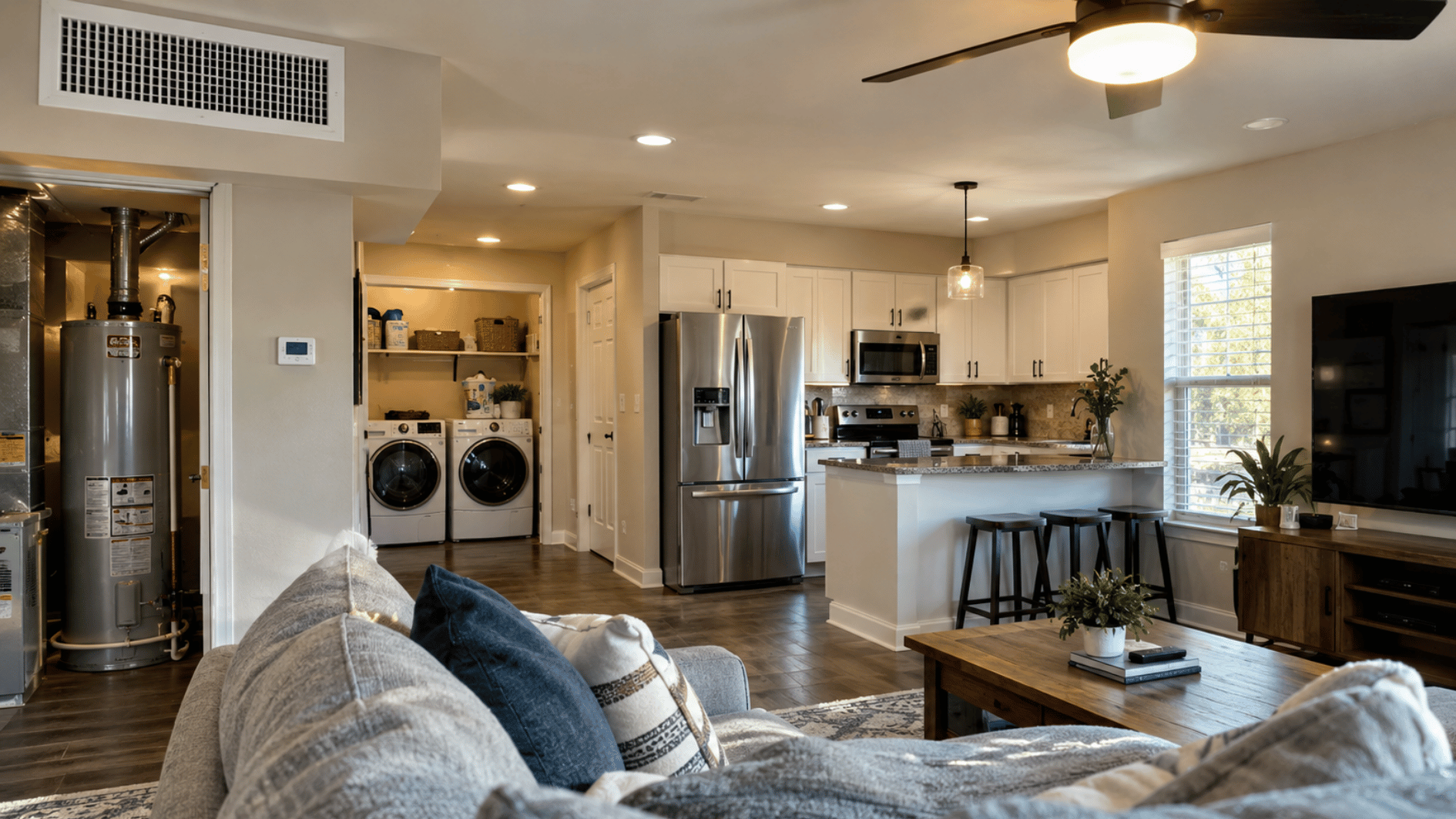
A single light bulb doesn’t use much electricity compared with an HVAC system, but the total adds up because a house may have dozens of bulbs running at once.
Lighting accounted for roughly 6% of U.S. residential electricity use in the detailed 2020 EIA breakdown. LED bulbs use far less electricity than older incandescent bulbs while providing similar light output and lasting considerably longer.
- Bulb Type: Incandescent bulbs use significantly more power than LED alternatives.
- Unattended Fixtures: Lights left on in empty rooms add up quickly over time.
- Outdoor Timers: Security lighting without timers can run far longer than needed.
- Fixture Count: Homes with many small fixtures often use more than expected collectively.
7. TVs, Computers, and Home Electronics
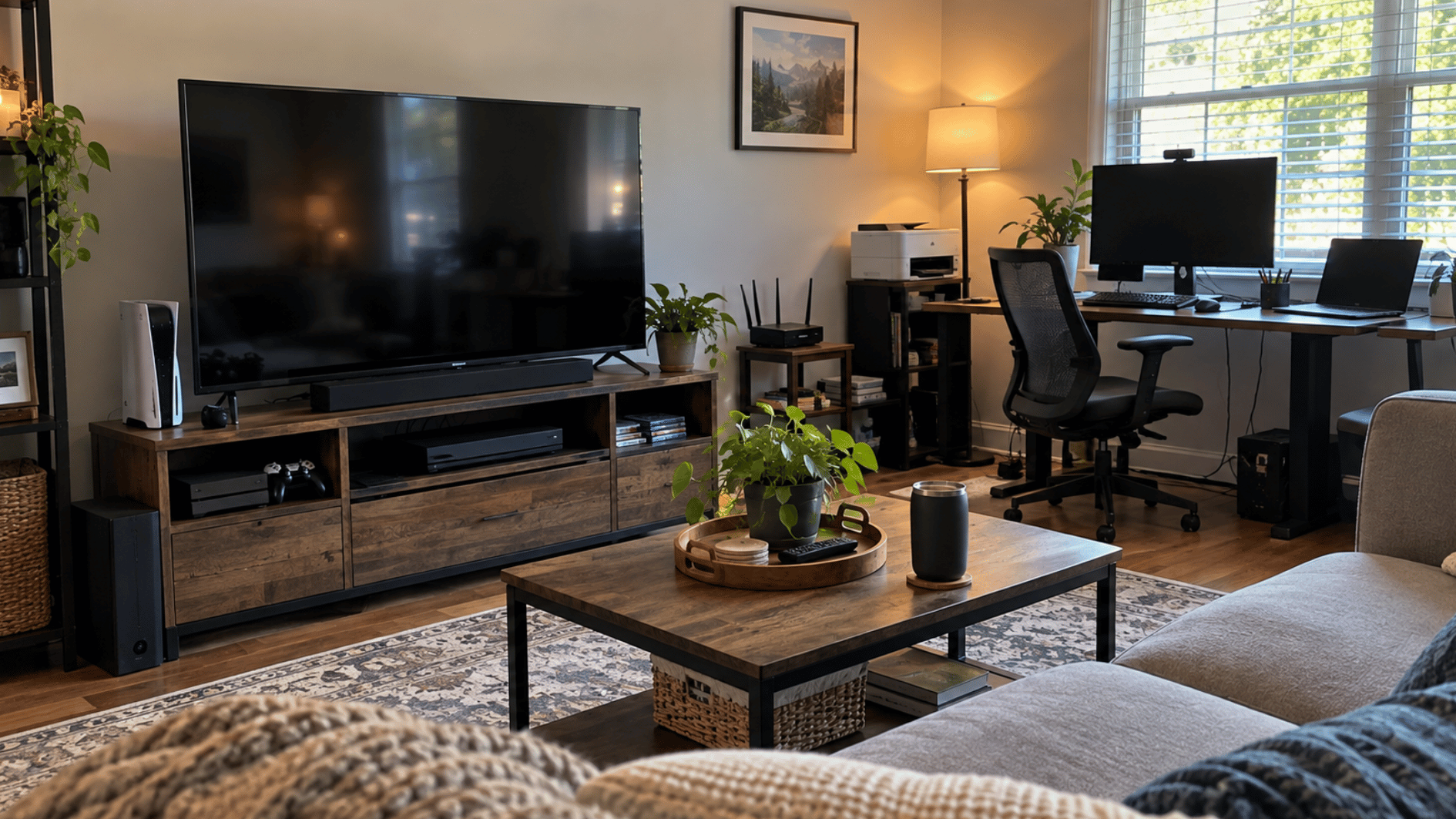
Electronics may seem small compared with heating or cooling equipment, but modern homes often have many devices operating simultaneously. Televisions and related equipment accounted for about 6% of residential electricity use in EIA’s detailed 2020 breakdown.
That category includes TVs and connected entertainment gear, alongside desktop computers, gaming systems, monitors, routers, speakers, streaming devices, chargers, and smart-home products.
- Idle Draw: Devices left in standby mode still pull measurable power.
- Screen Size: Larger displays generally consume more electricity per hour.
- Multi-Device Homes: Households with several screens running simultaneously see compounding usage.
- Smart Devices: Always-connected smart-home gadgets add small but constant draws.
8. Electric Oven and Stove
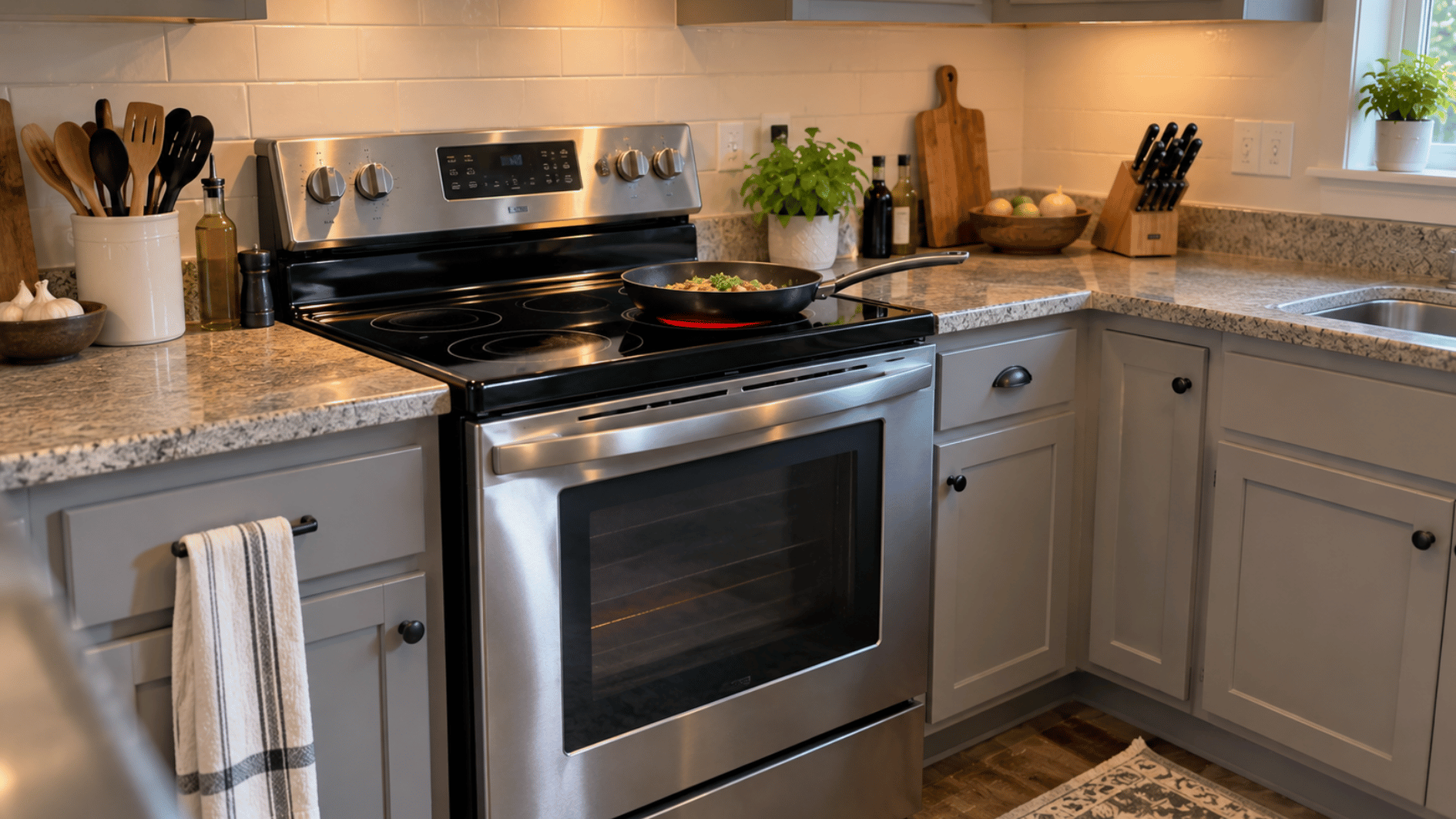
Electric cooking equipment draws a lot of power while operating, but it typically runs for far fewer hours than HVAC equipment or a refrigerator. A full-size electric oven commonly draws several thousand watts when its elements are active.
That doesn’t automatically make the oven the biggest electricity user in a home. Wattage tells you how much power an appliance demands at one moment, while kilowatt-hours tell you how much electricity it actually consumes over time; cooking for 45 minutes is very different from cooling a house for eight hours.
- Preheating Habits: Extended preheating adds unnecessary run time.
- Oven Door Checks: Frequently opening the door lets heat escape, extending cook time.
- Cooktop Size: Larger burners draw more power than smaller ones when active.
9. Dishwasher and Clothes Washer
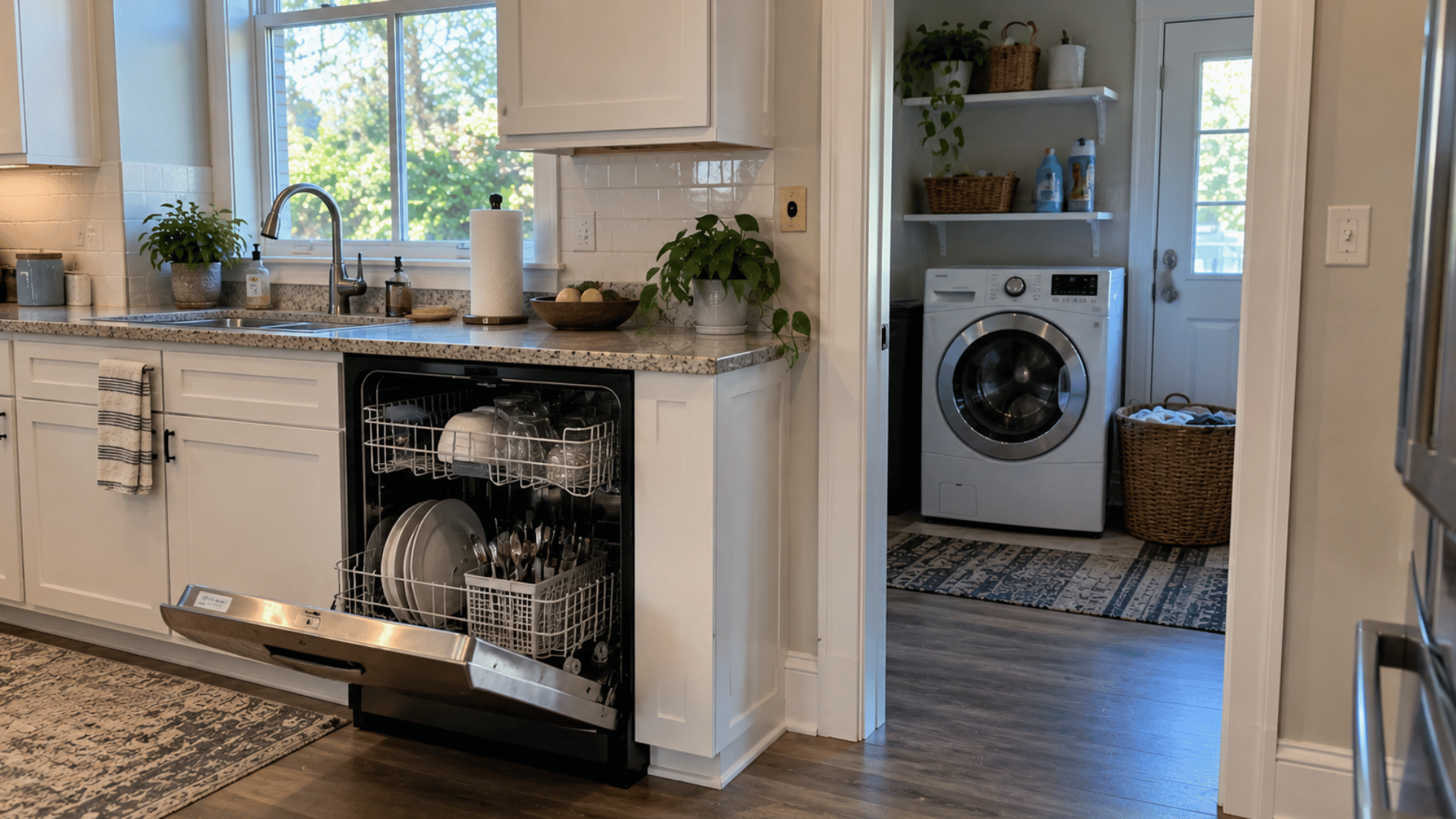
Washers and dishwashers usually sit farther down the electricity-use list. The machines themselves need electricity for pumps, motors, and controls, but some of the energy connected with washing actually comes from heating water elsewhere in the home.
That means a water heater can indirectly make frequent hot-water wash cycles more expensive than the appliance itself suggests. This is another reason household electricity use should be viewed as a connected system rather than as separate, isolated appliances.
- Cycle Selection: Heavy or sanitize cycles use more hot water than standard ones.
- Machine Age: Older units often lack efficient water-heating components.
- Partial Loads: Running machines half-full wastes both water and energy.
10. Pool Pumps, Hot Tubs, and Other High-Use Extras

Some houses contain equipment that can completely change the normal electricity ranking. A pool pump may operate for several hours every day, and hot tubs need both pumps and heating elements running.
Well pumps, sump pumps, dehumidifiers, workshop tools, large aquariums, and electric vehicle chargers can also create meaningful loads. These items fall within broader electricity categories in national data, so they may not stand out clearly in a simple appliance ranking.
- Pump Schedule: Running pumps during off-peak hours can reduce cost impact.
- Equipment Overlap: Multiple high-draw devices running together compound usage sharply.
- Seasonal Variation: Pool and outdoor equipment usage often spikes seasonally.
- Hidden Loads: Automatic equipment often runs unnoticed compared to visible appliances.
How Much Power Does a House Use?
Measurement | What It Means | Simple Example |
|---|---|---|
Watts | Power used at one moment | A heater may draw 1,500 watts |
Kilowatts | 1,000 watts of power | A 5,000-watt dryer uses 5 kW |
Kilowatt-hours | Electricity used over time | A 1.5 kW heater running 2 hours uses 3 kWh |
Monthly kWh | Total electricity used in a month | U.S. homes averaged about 899 kWh per month in 2022 |
Factors That Affect Home Electricity Use:
- Climate: Hot summers and cold winters can keep heating or cooling equipment running longer.
- Home Size: Larger homes usually have more space to heat, cool, and light.
- Household Size: More people often means more hot water, laundry, cooking, and device use.
- Insulation: Poor insulation and air leaks can make HVAC systems work harder.
- Appliance Age: Older appliances may use more electricity than newer efficient models.
- Daily Routines: Working from home or spending more time indoors can increase lighting, electronics, and HVAC use.
- EV Charging: Charging an electric vehicle at home can add a significant new load.
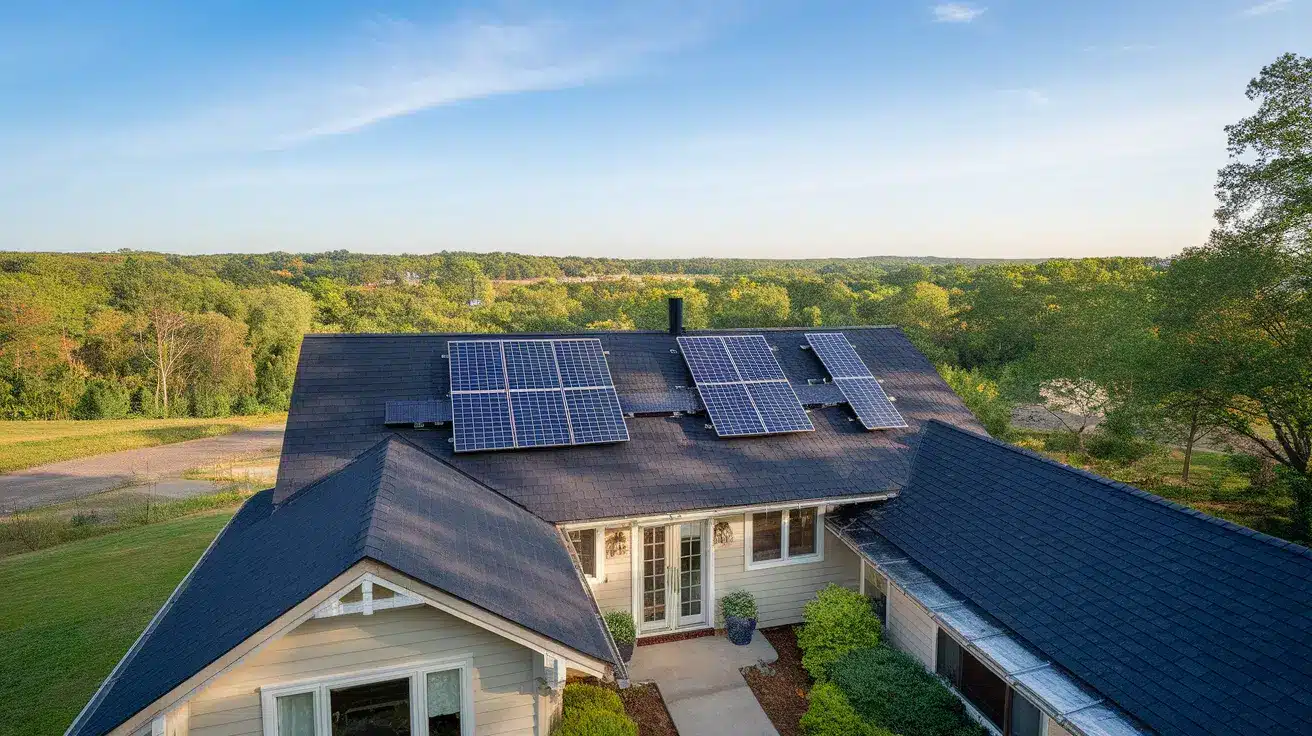
- Solar Panels: On-site solar can reduce the amount of electricity a home needs to buy from the utility.
What Changes a Home’s Electricity Use?
A home’s electricity use does not stay the same throughout the year. Weather, occupancy, and daily schedules can all change how often major systems and appliances need to run.
I also pay attention to less obvious loads. EV charging, pool pumps, hot tubs, and home office equipment can add a steady amount of electricity without standing out as much as larger appliances.
The way a home is powered matters too. Houses that use electricity for more jobs will usually show a different usage pattern than homes that rely on gas or another fuel for some of them.
For that reason, I see national averages as a useful benchmark, not a number every household should match.
Practical Tips to Lower Electricity Usage
Once the obvious electricity users are accounted for, a few less noticeable habits can still influence the monthly total. I’d focus on changes that are easy to repeat rather than trying to overhaul everything at once.
- Off-Peak Hours: Shift flexible tasks to lower-demand periods if your plan uses time-based rates.
- Ceiling Fans: Use them to make rooms feel comfortable without changing whole-house temperature.
- Close Blinds: Block direct afternoon sun to reduce unwanted indoor heat gain.
- Smaller Appliances: A microwave or air fryer often uses less than a full-size oven.
- Unplug Unused Devices: Guest-room electronics and seasonal equipment don’t need year-round power.
- Eco Modes: Energy-saving settings on dishwashers and washers cut power during cycles.
- Natural Daylight: Open curtains in suitable rooms to reduce daytime lighting needs.
Conclusion
So where did all that electricity actually go? Turns out it’s rarely a mystery once you know where to look. A handful of categories quietly explain most of what shows up on the bill each month- the same ones, over and over.
I stopped panicking over high months once I understood how much power a house actually uses on a normal day. Now I just check the usual suspects first.
You’ll probably do the same from here. What uses the most electricity in a home stops being a guessing game once you know where to look.
Frequently Asked Questions
How Much Electricity Does the Average U.S. Home Use Per Month?
Around 850 to 900 kWh, according to EIA data, though usage varies by climate, home size, and habits.
What Is Considered High Electricity Usage for a House?
Above 1,000 kWh per month is generally considered high, though hot climates and electric heating often exceed this normally.
Can a Smart Meter Show Which Appliance Is Using the Most Electricity?
Not directly. Meters show total usage patterns, but identifying a specific appliance usually needs a plug-in monitor.
Does Running Appliances at Night Save Electricity?
It depends on your plan. It can lower costs under time-of-use rates, but doesn’t reduce actual consumption.
Can Old Wiring Increase a Home’s Electricity Use?
Not typically. It’s a safety concern, not a usage one; high bills usually trace back to appliances instead.