I know how easy it is to put off small home tasks until they turn into big ones. A loose gutter bracket does not seem urgent until it lets water sit near your foundation for months.
That is the tricky part about owning a home. Nothing announces itself until it already costs more to fix.
A clear home maintenance schedule takes the guesswork out of when to check what, breaking the work into pieces you can handle a little at a time instead of all at once.
Here is why that routine matters more than most homeowners realize, and exactly what to check along the way.
Why Every Homeowner Needs a Maintenance Routine
A home maintenance schedule is a simple plan that helps homeowners keep track of regular care tasks around their property.
It shows what needs to be checked, cleaned, serviced, or repaired and how often each task should happen. Without a routine, small issues can easily go unnoticed until they become expensive repairs.
A leaking faucet, clogged gutter, or neglected HVAC filter may seem minor at first, but regular checks can help catch these problems earlier.
A well-kept schedule is also one of the simplest ways a home supports your family’s lifestyle, since fewer surprise repairs mean fewer disruptions to everyday routines.
Monthly checks focus on everyday systems, seasonal tasks prepare your home for weather changes, and yearly maintenance covers larger areas that need less frequent attention.
The homes that stay problem-free are rarely the newest ones. They are the ones with an owner who checks things on a schedule instead of waiting for something to break.
The right schedule depends on your home’s age, location, and needs.
The goal isn’t to spend every weekend on repairs, but to build a simple habit that helps your home stay safe and well maintained.
Weekly Home Maintenance Tasks
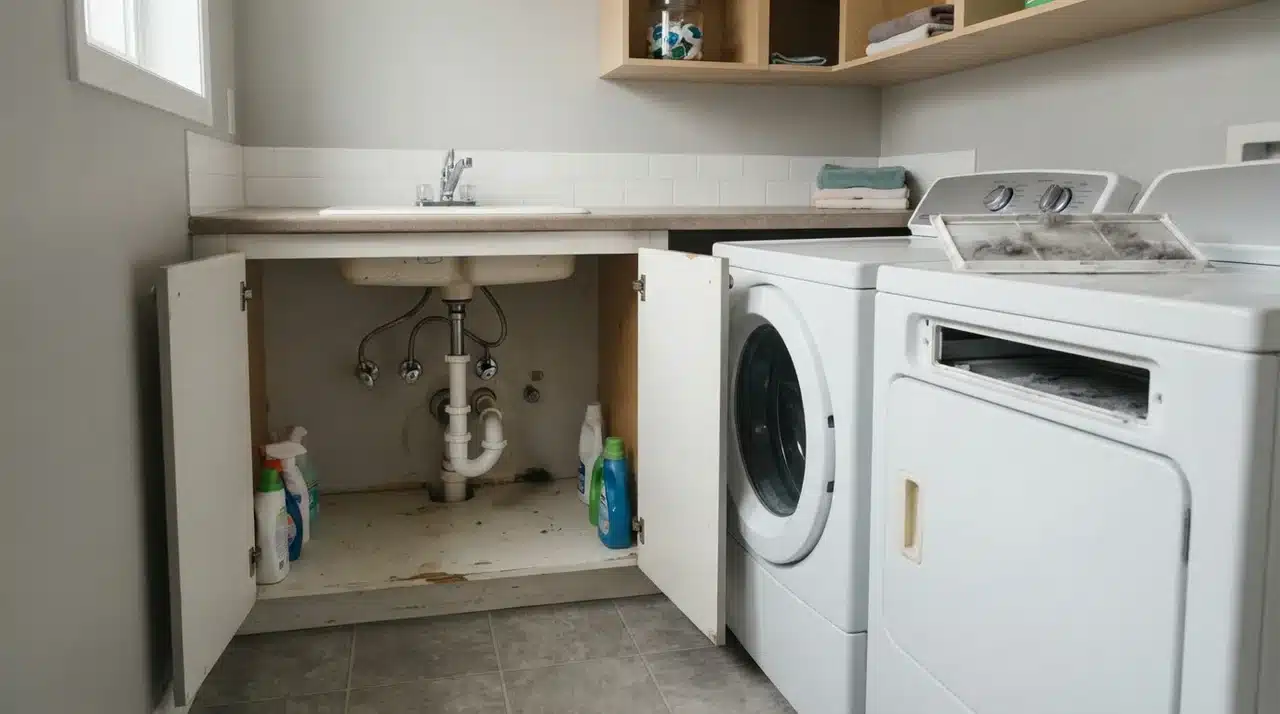
Weekly maintenance does not need to involve tools, repairs, or a long checklist. These quick checks are mainly about catching the kind of small fixes that prevent big problems down the road.
A few minutes spent looking around high-use areas can reveal leaks, drainage problems, moisture, or safety hazards early. You can usually handle these checks while going through your normal routine.
- Check high-use sinks and toilets for leaks: Look under sinks, around supply lines, and near the base of toilets for drips or moisture.
- Empty dryer lint after every load: Clean the lint screen each time you use the dryer because buildup can restrict airflow.
- Watch frequently used drains: Pay attention to sinks, tubs, and showers that begin draining more slowly than usual.
- Look around appliances for water leaks: Check beneath and around the dishwasher, refrigerator, washing machine, and other water-connected appliances.
- Notice unusual smells, sounds, or moisture: Walk through frequently used rooms and check for musty odors, dripping sounds, buzzing equipment, damp walls, or unexplained stains that may signal a problem.
- Check porches, steps, and walkways: Check entrances and outdoor areas for loose boards, unstable railings, cracked steps, slippery surfaces, or trip hazards that could make them unsafe.
These weekly checks should only take a few minutes. You are not trying to inspect every part of the house, just notice changes early enough to decide whether they need cleaning, repair, or professional attention.
Monthly Home Maintenance Tasks
Monthly maintenance goes a little deeper than weekly checks, but it still should not take much time. The focus is on systems that collect dust, develop leaks, or need regular testing.
Set aside one day each month to work through these tasks. Doing them on a consistent schedule makes it easier to notice changes before they turn into expensive repairs.
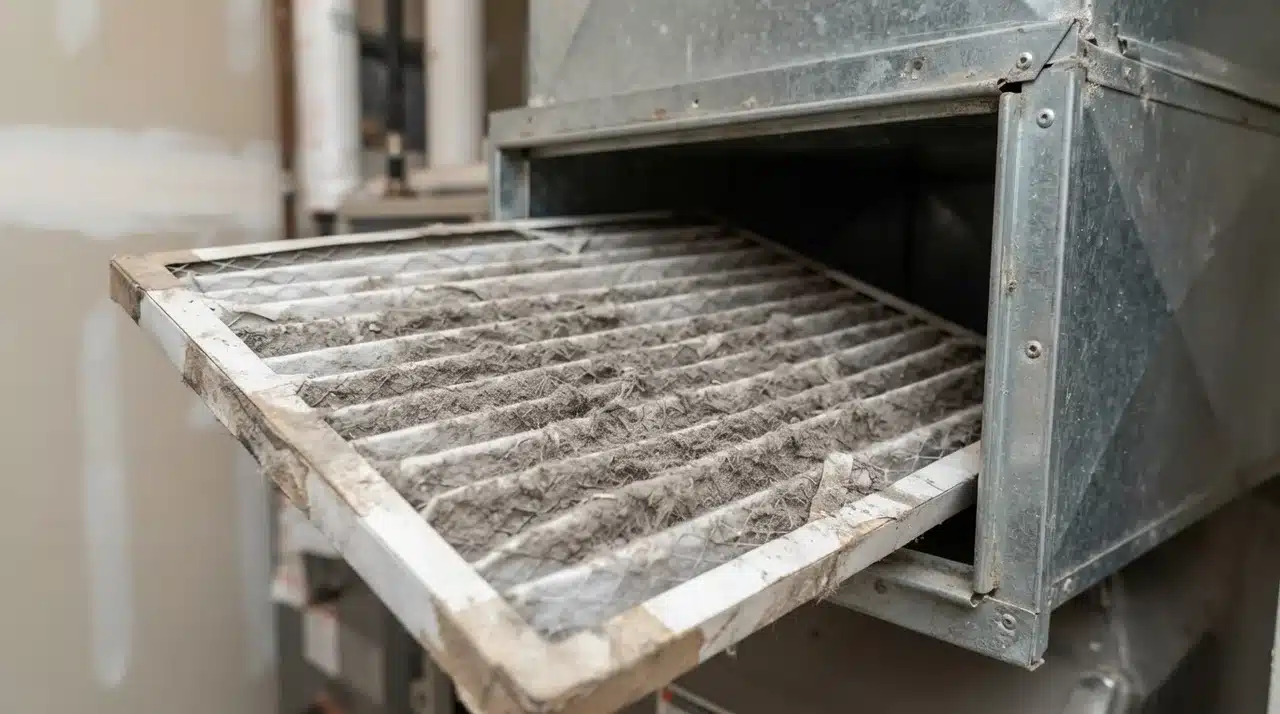
- Check or replace HVAC filters: Inspect filters for dust and replace them when dirty to maintain airflow and reduce strain on the system.
- Inspect sinks, tubs, and toilets for leaks: Check faucets, drains, supply lines, and toilet bases for moisture, staining, or other signs of leaks.
- Clean the garbage disposal: Remove minor buildup with ice and baking soda, and avoid grease, fibrous foods, or hard objects.
- Clean range hood filters: Wash reusable filters to remove grease buildup, then dry them completely before reinstalling.
- Test smoke and carbon monoxide alarms: Test each alarm and replace batteries or units as recommended by the manufacturer. If an alarm keeps sounding for no clear reason, this guide on smoke alarms going off without smoke walks through the likely causes.
- Check dryer vent areas for lint buildup: Remove visible lint and make sure the vent hose is clear, connected, and undamaged.
- Check water softener salt if applicable: Check the brine tank, refill salt when needed, and watch for salt bridges or buildup.
- Inspect visible pipes under sinks: Look for rust, mineral deposits, dampness, or discoloration that may indicate a slow leak.
- Run water in rarely used sinks and drains: Run water through infrequently used fixtures to keep drain traps filled and prevent sewer odors.
Monthly maintenance works best when it becomes routine. A quick check of filters, alarms, plumbing, and appliances can help you catch developing problems while they are still easier to handle.
Spring Home Maintenance Tasks
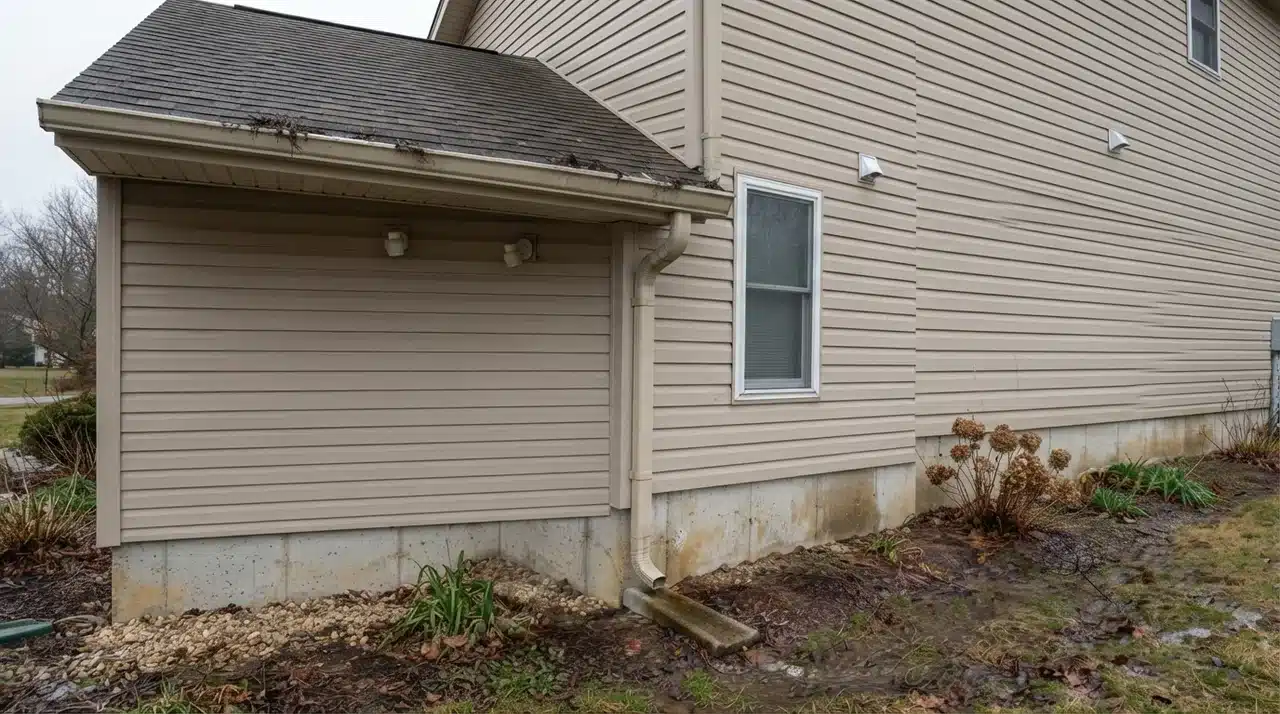
Spring maintenance focuses on checking for damage left behind by winter and preparing your home for warmer weather. This is a good time to inspect exterior areas before summer heat and storms arrive.
Work from the roof down to the foundation so problems are easier to spot. Pay particular attention to water drainage, exterior surfaces, and systems that have been unused during colder months.
- Inspect the roof: Check for damaged shingles, flashing, sagging areas, or debris that may require repair or professional attention.
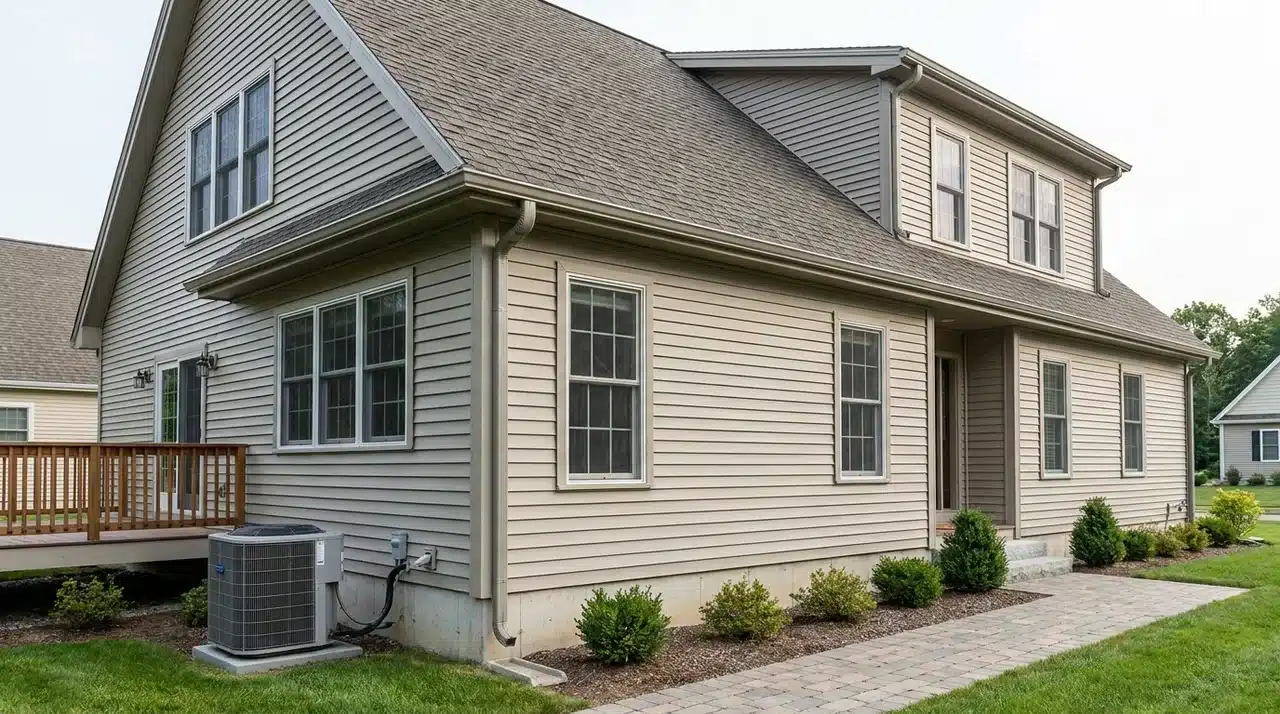
- Clean gutters and downspouts: Remove debris and make sure downspouts carry water safely away from the foundation.
- Check the foundation and drainage: Look for cracks, standing water, erosion, or ground that slopes toward the house.
- Test outdoor faucets and sprinkler systems: Check for leaks, weak pressure, damaged sprinkler heads, clogged nozzles, or broken connections.
- Service the air conditioner: Clear debris, check filters and vents, and consider professional servicing before heavy summer use.
- Inspect window and door screens: Look for tears, loose edges, bent frames, or missing sections that could let insects inside.
- Check exterior siding for winter damage: Inspect for cracks, loose panels, warping, peeling paint, stains, or signs of moisture.
- Look for damaged exterior caulk: Replace cracked, shrinking, peeling, or separated caulk around windows, doors, vents, and other openings.
- Inspect decks, fences, and railings: Check for loose boards, raised fasteners, rot, unstable posts, or damaged railings.
Spring is also a useful time to note anything that needs professional repair before summer begins. Catching roof, drainage, HVAC, or exterior problems early can prevent minor seasonal damage from becoming a larger project.
Summer Home Maintenance Tasks
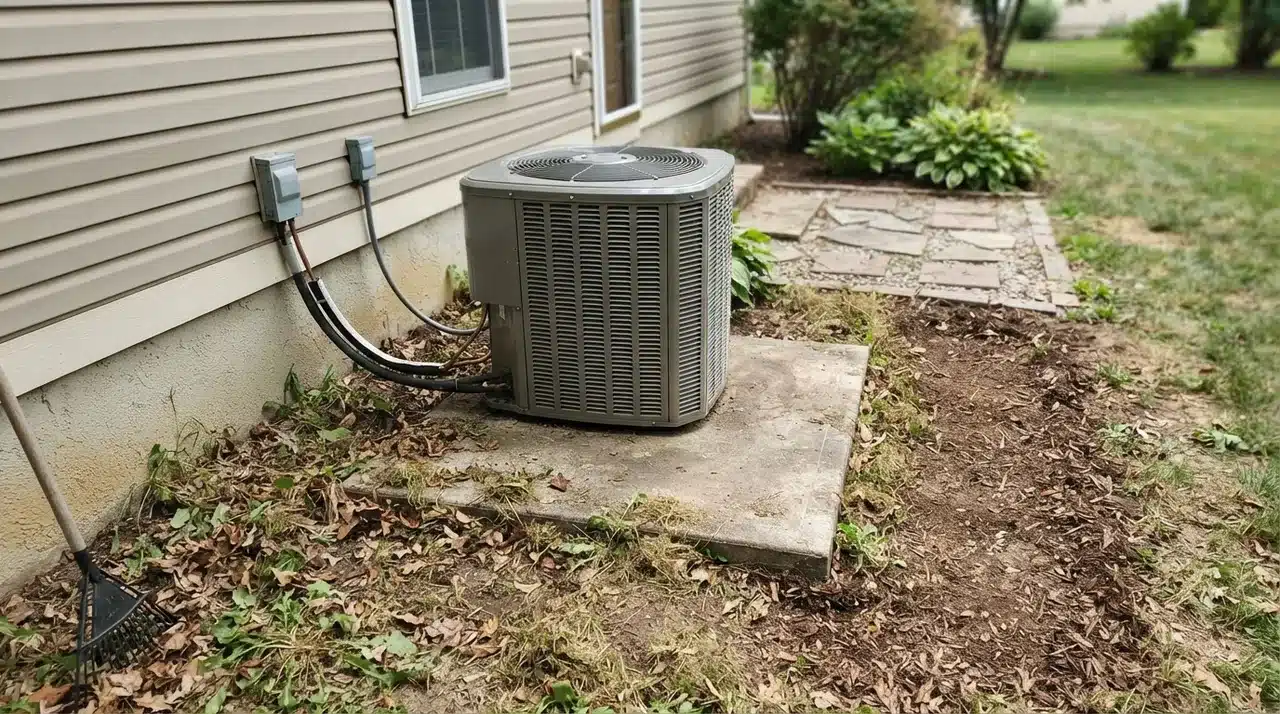
Summer maintenance is mostly about keeping your home efficient during hotter weather and checking exterior areas that get more use. Heat, humidity, storms, and irrigation can all reveal problems that were harder to notice earlier in the year.
Focus on cooling, ventilation, outdoor surfaces, and water use. These checks can help prevent wasted energy, moisture damage, pest problems, and small exterior issues from getting worse.
- Inspect weatherstripping: Check doors and windows for cracked, loose, or missing seals that may reduce energy efficiency.
- Clean refrigerator coils: Remove dust and pet hair from condenser coils to help the refrigerator cool efficiently.
- Clean bathroom exhaust fan grilles: Remove dust and lint so fans can vent moisture effectively and reduce condensation.
- Inspect decks and patios: Check for loose boards, cracks, unstable railings, damaged pavers, or worn finishes needing repair.
- Check irrigation systems for leaks: Run each zone and look for broken heads, clogged nozzles, leaks, or unusually wet areas.
- Inspect exterior paint and siding: Look for peeling paint, cracks, warping, loose siding, or signs of moisture damage.
- Look for pest activity: Check for droppings, nests, chewed materials, insects, or entry points around the home.
- Clear debris around outdoor HVAC equipment: Remove leaves, weeds, and grass clippings to maintain proper airflow around the condenser.
Summer is a good time to handle exterior repairs while weather conditions are easier to work in. Regular checks also help your cooling system, appliances, and outdoor areas perform more reliably through the hottest part of the year.
Fall Home Maintenance Tasks
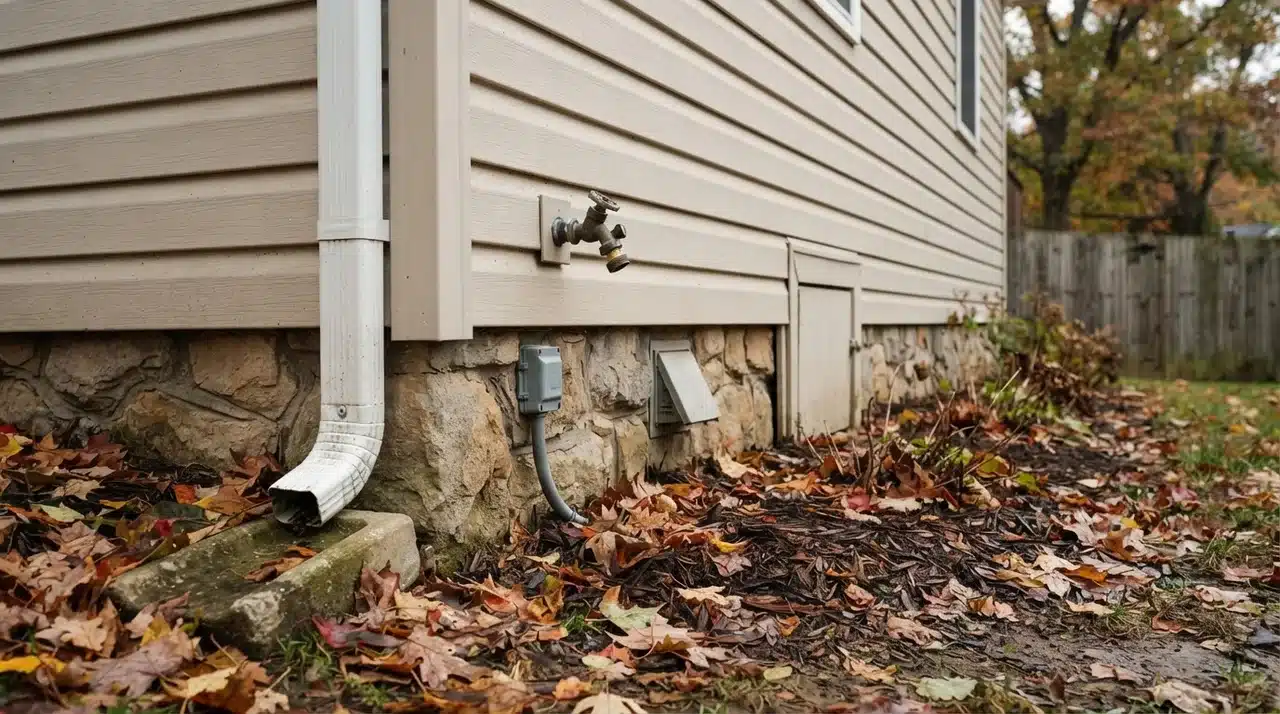
Fall maintenance is about preparing your home for colder weather before temperatures drop. If you live in a freeze-prone area, complete outdoor water and heating tasks before the first hard frost.
This is also a good time to focus on drainage, insulation, heating, and exterior gaps. A few preventive checks now can reduce the risk of frozen pipes, heat loss, and winter water damage.
- Clean gutters after leaves fall: Remove leaves and debris, then make sure downspouts remain clear and direct water away from the foundation.
- Disconnect garden hoses: Remove hoses before freezing weather to prevent trapped water from damaging faucets or pipes.
- Drain outdoor faucets where needed: Shut off and drain exterior water lines if required by your climate and plumbing setup.
- Have the heating system inspected: Schedule professional servicing to check operation, airflow, safety controls, and other important components.
- Check the fireplace and chimney: Test the damper and arrange chimney inspection or cleaning when needed before regular winter use.
- Clear leaves and yard debris: Remove buildup from lawns, drains, window wells, walkways, and areas near the foundation.
- Inspect weatherstripping before cold weather: Check doors and windows for gaps, cracks, or loose seals that may cause drafts.
- Check attic insulation and ventilation: Look for damp, compressed, or displaced insulation and make sure attic vents remain clear.
- Seal visible exterior gaps: Close appropriate openings around windows, doors, vents, siding, and utility penetrations.
- Prepare snow-removal equipment where applicable: Check shovels, snow blowers, scrapers, and ice-melt supplies before winter weather arrives.
Do not rely only on the calendar for fall maintenance. If freezing temperatures are expected early, prioritize hoses, outdoor faucets, heating, and weatherproofing before the first hard frost arrives.
Winter Home Maintenance Tasks
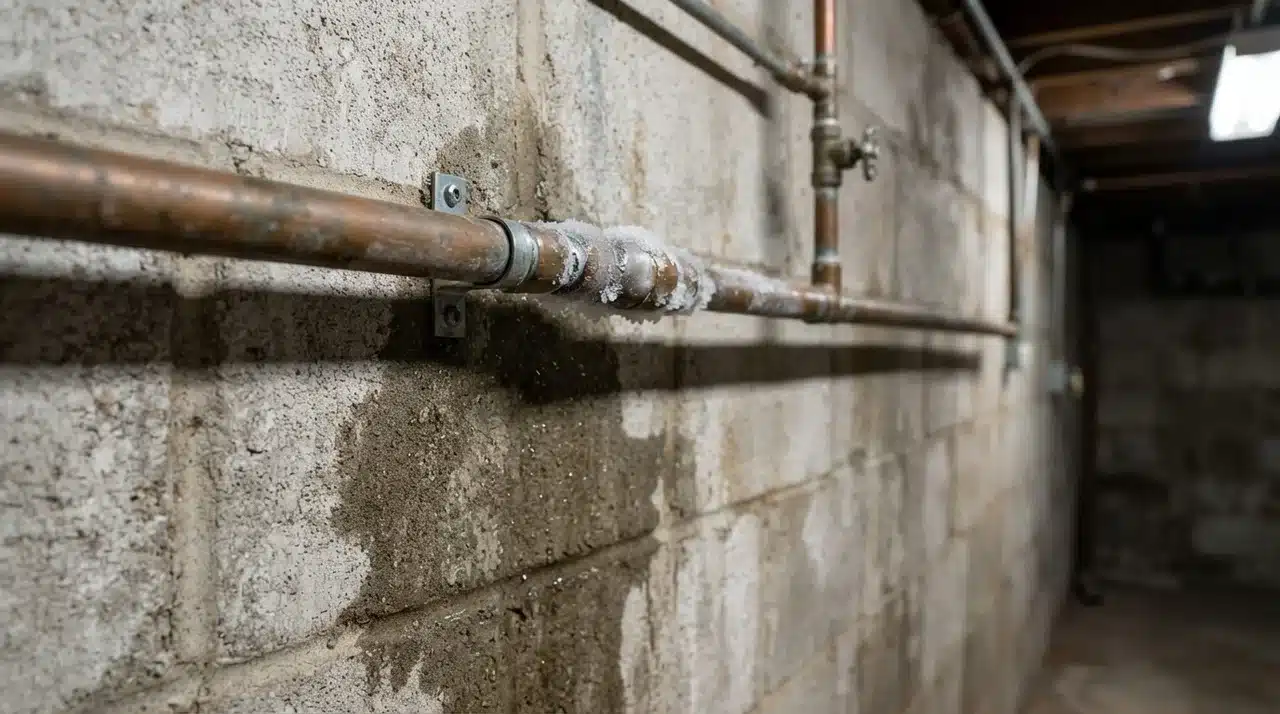
Winter maintenance mainly focuses on protecting your home from cold temperatures, moisture, and weather-related damage.
Unlike spring or fall tasks, winter checks often focus on catching problems early, while they are still easier to address.
Cold weather can hide issues until they become more serious. Regularly checking indoor areas, plumbing, heating systems, and exterior features can help you respond before damage spreads.
- Check ceilings and walls for water leaks: Look for stains, peeling paint, discoloration, or damp spots that may signal moisture problems.
- Test GFCI outlets: Use the test and reset buttons to confirm outlets in moisture-prone areas are working properly.
- Watch pipes in cold areas for freezing: Check exposed or poorly insulated pipes for frost, reduced flow, or unusual noises.
- Clean appliance filters: Clean or replace dirty filters to maintain airflow and help appliances operate efficiently.
- Check for ice dams in snowy climates: Look for ice buildup along roof edges that could trap water beneath shingles.
- Monitor indoor humidity: Watch for window condensation, excessive dryness, damp areas, or other signs of improper humidity.
- Look for drafts around doors and windows: Check frames, seals, and weatherstripping for cold air entering the home.
- Check exterior vents after heavy snow: Clear snow and ice from dryer vents, furnace exhausts, and other exterior openings.
Winter maintenance does not require constant inspections. A few quick checks during colder months can help protect your home from freezing temperatures, moisture damage, and unexpected heating problems.
Annual Home Maintenance Tasks
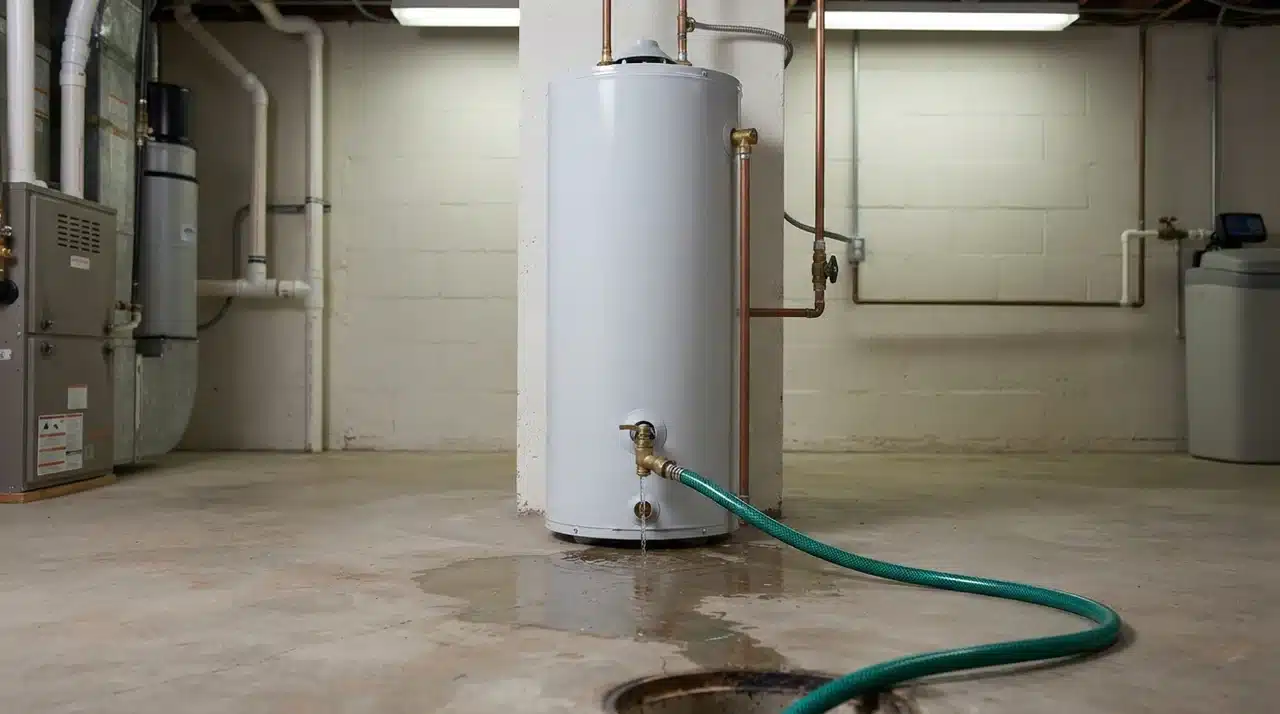
Annual maintenance focuses on larger systems and areas that do not need attention every month but still require regular review.
These tasks help you catch wear, safety concerns, and aging components before they become major repairs.
Choose a time each year to complete these checks, such as the beginning of spring or fall. Keeping records of inspections, repairs, and service dates can also help you plan future maintenance.
- Flush the water heater if recommended: Follow manufacturer guidance to remove sediment buildup that may affect efficiency and performance.
- Test fire extinguishers: Check accessibility, visible condition, pressure level, and recommended servicing or replacement dates.
- Inspect exterior paint and caulk: Look for peeling paint, cracked caulk, gaps, or other openings that may allow moisture inside.
- Schedule HVAC servicing: Arrange professional maintenance to identify worn parts, airflow problems, or other performance issues.
- Inspect the roof: Check for missing shingles, damaged flashing, moss, worn vents, or other visible signs of damage.
- Check plumbing shutoff valves: Make sure the main and fixture shutoff valves are accessible and working properly.
- Inspect attic and crawl spaces: Look for moisture, pests, mold, damaged insulation, or unusual odors that may indicate problems.
- Check garage door safety features: Test the auto-reverse system and inspect sensors, cables, springs, and tracks for visible damage.
- Review major appliance condition: Check appliance age, performance, and maintenance history to plan for future repairs or replacement.
- Test smoke and carbon monoxide alarms: Test each alarm and replace batteries or units according to manufacturer recommendations.
Annual maintenance gives you a chance to step back and review the condition of your entire home. These checks are less about completing a long list and more about finding small signs of wear before they become expensive problems.
Long-Term Home Maintenance Schedule
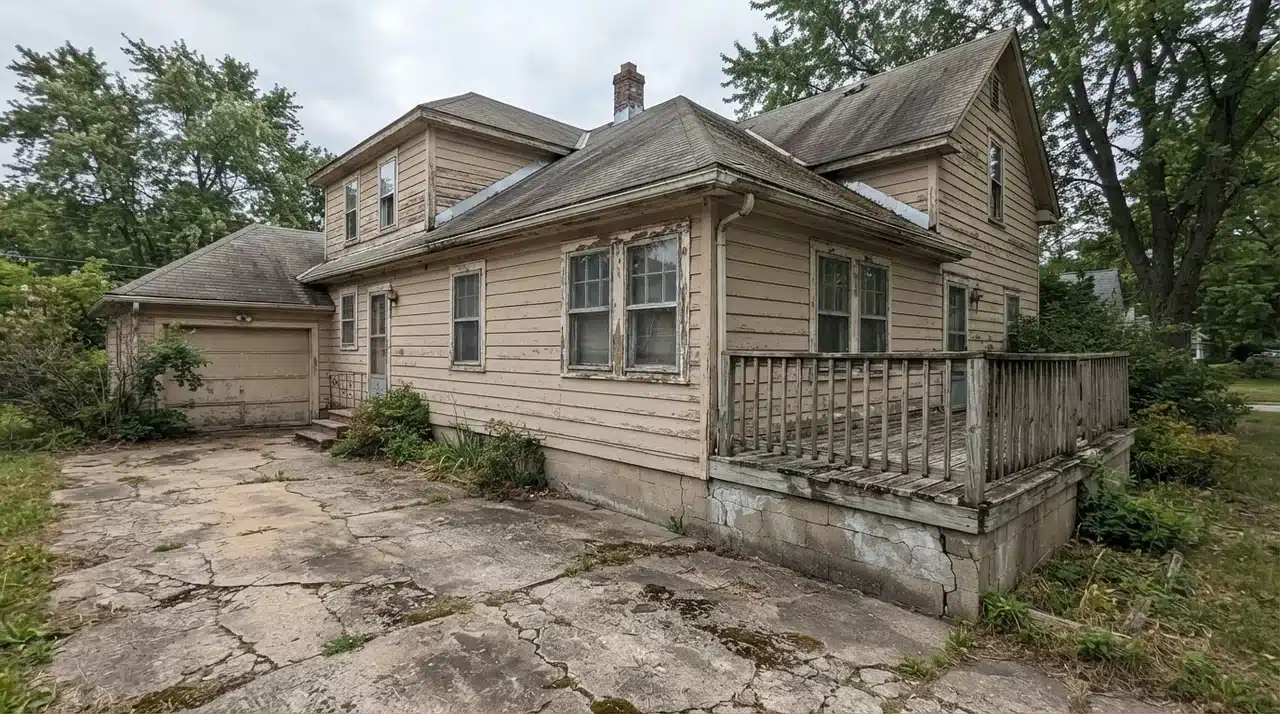
Not every home maintenance task belongs on a monthly or yearly checklist. Some parts of a home are designed to last for many years, but they still need periodic inspections to check for wear, damage, and declining performance.
Long-term maintenance is not about replacing everything on a fixed timeline. The age of your home, climate, materials, installation quality, and previous repairs all affect when something needs attention.
Use these timeframes as planning points, not strict replacement dates. Regular inspections help you decide when a repair, upgrade, or replacement makes sense.
1. Maintenance to Expect Around Every 5 Years
Around five years, many homes benefit from a closer review of exterior materials and frequently used systems. The goal is to catch early wear before it turns into larger repairs.
- Inspect exterior paint and repaint when needed: Look for fading, peeling, cracking, or worn areas that may need repainting.
- Check caulk and exterior sealants: Inspect windows, doors, vents, and joints for gaps or deteriorated sealant.
- Evaluate plumbing systems in older homes: Consider professional inspection if you notice corrosion, leaks, low pressure, or aging pipes.
- Inspect decks and exterior wood finishes: Check for cracks, loose boards, rot, fading, or surfaces that need sealing or staining.
- Review appliance condition: Watch for declining performance, unusual noises, or frequent repairs that may signal it’s time to replace an appliance.
- Check driveway and walkway cracking: Look for widening cracks, uneven surfaces, or standing water that could lead to further damage.
- Consider a professional roof inspection if needed: Arrange an inspection if the roof is aging, storm-damaged, or showing visible problems.
2. Maintenance to Expect Around Every 10 Years
The 10-year mark is a useful time to review major systems and components that may be entering a period where repairs become more common. It does not mean everything needs replacement.
- Replace expired smoke or carbon monoxide alarms: Check manufacture dates and replace alarms once they reach their recommended service life.
- Evaluate water heater age and condition: Check for leaks, corrosion, reduced efficiency, or other signs that an older unit needs attention.
- Inspect major appliances for declining efficiency: Review performance, energy use, and repair history to determine whether replacement planning makes sense.
- Assess exterior paint, siding, and trim: Look for fading, cracks, warping, loose sections, or damage that may allow moisture inside.
- Inspect carpet and flooring condition: Check for worn, stained, damaged, or deteriorating areas that may need maintenance or replacement.
- Review HVAC equipment age: Check installation dates, service history, efficiency, and repair frequency as the system gets older.
- Check roofing based on material and installation date: Use roof age and condition to guide inspections rather than assuming replacement is automatically required.
3. Maintenance to Expect Around Every 15 Years
Around 15 years, homeowners should pay closer attention to larger systems and structures. Some components may still have years of useful life, while others may need repairs or replacement planning.
- Evaluate HVAC equipment: Review performance, efficiency, and repair frequency to determine whether servicing, upgrades, or replacement may be needed.
- Inspect roofing condition: Check for leaks, worn materials, damaged flashing, or other signs that the roof may need repair or replacement.
- Assess water heater and plumbing components: Look for corrosion, leaks, aging connections, or declining performance that may require targeted repairs.
- Inspect exterior siding and trim: Check for cracks, warping, moisture damage, or failed finishes that could expose underlying materials.
- Evaluate windows and seals: Look for drafts, damaged frames, condensation between panes, or failing seals that reduce comfort and efficiency.
- Check major kitchen and laundry appliances: Review reliability, efficiency, repair costs, and performance before deciding whether replacement is worthwhile.
- Inspect decks, fences, and exterior structures: Look for rot, loose connections, structural wear, or weather damage requiring repairs or refinishing.
Long-term maintenance works best when you combine the calendar with real conditions. Manufacturer recommendations, inspection results, and the way your home has aged should guide decisions more than a specific number of years.
Who Can Help With Home Maintenance?
Not every maintenance task should become a DIY project. While many homeowners can handle basic cleaning, inspections, and simple upkeep, some repairs require specialized tools, training, or safety knowledge.
Knowing who to call can prevent small problems from becoming larger ones. Use qualified professionals for systems that involve electricity, gas, structural components, or major equipment.
| Maintenance Need | Who Can Help |
|---|---|
| Heating and cooling problems | Licensed HVAC technician |
| Electrical problems | Licensed electrician |
| Pipes, leaks, and water heaters | Licensed plumber |
| Roof damage or leaks | Roofing contractor |
| Chimney and fireplace issues | Qualified chimney professional |
| Gutter repairs or installation | Gutter or exterior maintenance service |
| Pest problems | Licensed pest-control professional |
| Foundation concerns | Foundation specialist or structural engineer |
| Major structural problems | Structural engineer or qualified contractor |
| General minor repairs | Handyman or appropriate tradesperson |
| Trees near the home | Qualified arborist |
Homeowners can usually manage tasks like changing filters, testing alarms, cleaning gutters, checking for visible damage, and keeping maintenance records.
However, trained professionals often handle electrical work, gas systems, structural repairs, roofing problems, and major plumbing issues.
When hiring help, confirm the person has the proper licensing, insurance, and experience for the work needed. A qualified professional can often identify problems earlier and help you avoid repeat repairs.
How to Keep Track of Your Home Maintenance Schedule
A maintenance schedule only works when you know what has been completed and what still needs attention. A simple tracking system helps you avoid missed tasks and gives you a record of repairs, inspections, and upgrades.
You do not need a complicated app or detailed spreadsheet. A notebook, calendar, or phone reminder system can work if you update it consistently.
- Keep a maintenance record: Write down completed tasks, service dates, repairs, and replacement details. Include information like filter changes, HVAC servicing, roof inspections, and appliance repairs.
- Add notes for larger jobs: Record details after major work, such as what was repaired, which materials were used, and whether follow-up work is needed. These notes can be useful when planning future maintenance.
- Take photos when useful: Pictures can help you compare changes over time, especially for areas like roofs, exterior surfaces, mechanical equipment, and repairs that may be difficult to remember later.
- Reschedule missed tasks: If a maintenance item gets skipped, move it to a new date instead of ignoring it. A missed task becomes easier to forget when it disappears from your schedule.
- Review the schedule regularly: Check your maintenance list every few months to make sure important tasks are still being tracked. Adjust the schedule if your home’s needs change due to age, weather, or renovations.
A simple record makes home maintenance easier to manage. It also gives you a clearer picture of your home’s condition and helps you plan repairs before they become urgent.
Common Home Maintenance Mistakes to Avoid
Many expensive home repairs begin with small issues that were ignored for too long. A dripping pipe, missed inspection, or forgotten seasonal task may not seem serious at first, but problems can grow when they are left unchecked.
Avoiding a few common mistakes can help you protect your home and reduce unexpected repair costs.
- Waiting until something breaks: Many homeowners only act when a system stops working completely. Strange noises, reduced performance, slow drainage, or unusual smells can be early warning signs that deserve attention.
- Ignoring small leaks: A minor drip under a sink, around a toilet, or near an appliance can slowly damage cabinets, flooring, walls, or nearby materials. Finding the source early is usually easier and less expensive.
- Forgetting hidden areas: Attics, crawl spaces, dryer vents, behind appliances, and utility areas are easy to overlook. These spaces can hide moisture, dust buildup, pests, or damage that is not visible during normal use.
- Skipping seasonal preparation: Different seasons create different risks for your home. Failing to clean gutters, prepare outdoor pipes, inspect heating systems, or check cooling equipment can leave your home exposed to preventable damage.
- Not testing safety systems: Smoke alarms, carbon monoxide alarms, and GFCI outlets may not show obvious signs when they fail. Regular testing helps confirm these important safety features are working properly.
- Not keeping maintenance records: Without a record, it is easy to forget when systems were serviced, filters were changed, or repairs were completed. A simple log helps you make better decisions over time.
The goal of home maintenance is not to constantly repair things. It is to notice changes early, handle small tasks regularly, and prevent avoidable problems from becoming major repairs.
Conclusion
Keeping up with a home maintenance schedule does not need to feel overwhelming.
Break it into small weekly glances, a monthly hour with the checklist, and seasonal pushes when the weather turns, and the bigger annual projects take care of themselves.
The homeowners who avoid expensive surprises are rarely the ones with the newest houses. They are the ones who check things on a schedule instead of waiting for something to break. Start this week.
Pick one task from the weekly list above, walk through your home, and write down what you find.
That single habit is the easiest way to protect your home and your budget for years to come.
Frequently Asked Questions
How Much Should You Budget for Home Maintenance Each Year?
A common rule of thumb is to set aside 1% to 4% of your home’s value each year for maintenance, according to Fannie Mae. On a $300,000 home, that works out to $3,000 to $12,000 annually. Newer homes in good condition usually land near the lower end, while older homes with aging systems need more.
What Home Maintenance Tasks Should New Homeowners Learn First?
New homeowners should start with the basics: locating the main water shutoff valve, learning where the electrical panel is, and checking HVAC filters monthly. Testing smoke and carbon monoxide alarms comes next. Knowing when a task is safe to handle alone versus when it calls for a licensed plumber or electrician saves both money and stress down the road.
How Long Does a Home Maintenance Routine Take Each Month?
The time needed depends on your home’s size and how many systems it has. Most routine checks, like testing alarms, cleaning filters, and inspecting for leaks, take a few hours spread across the month. Larger homes or older properties with more aging components may need a bit more time, especially during seasonal transitions.
Should I Follow the Same Maintenance Schedule for an Older Home?
Older homes generally need closer attention. In homes built before 1960, maintenance makes up 22 percent of total repair and remodeling spending, compared to 16 percent in homes built after 2010, according to the Harvard Joint Center for Housing Studies. Checking systems more often and budgeting more each year helps catch wear before it becomes a bigger repair.