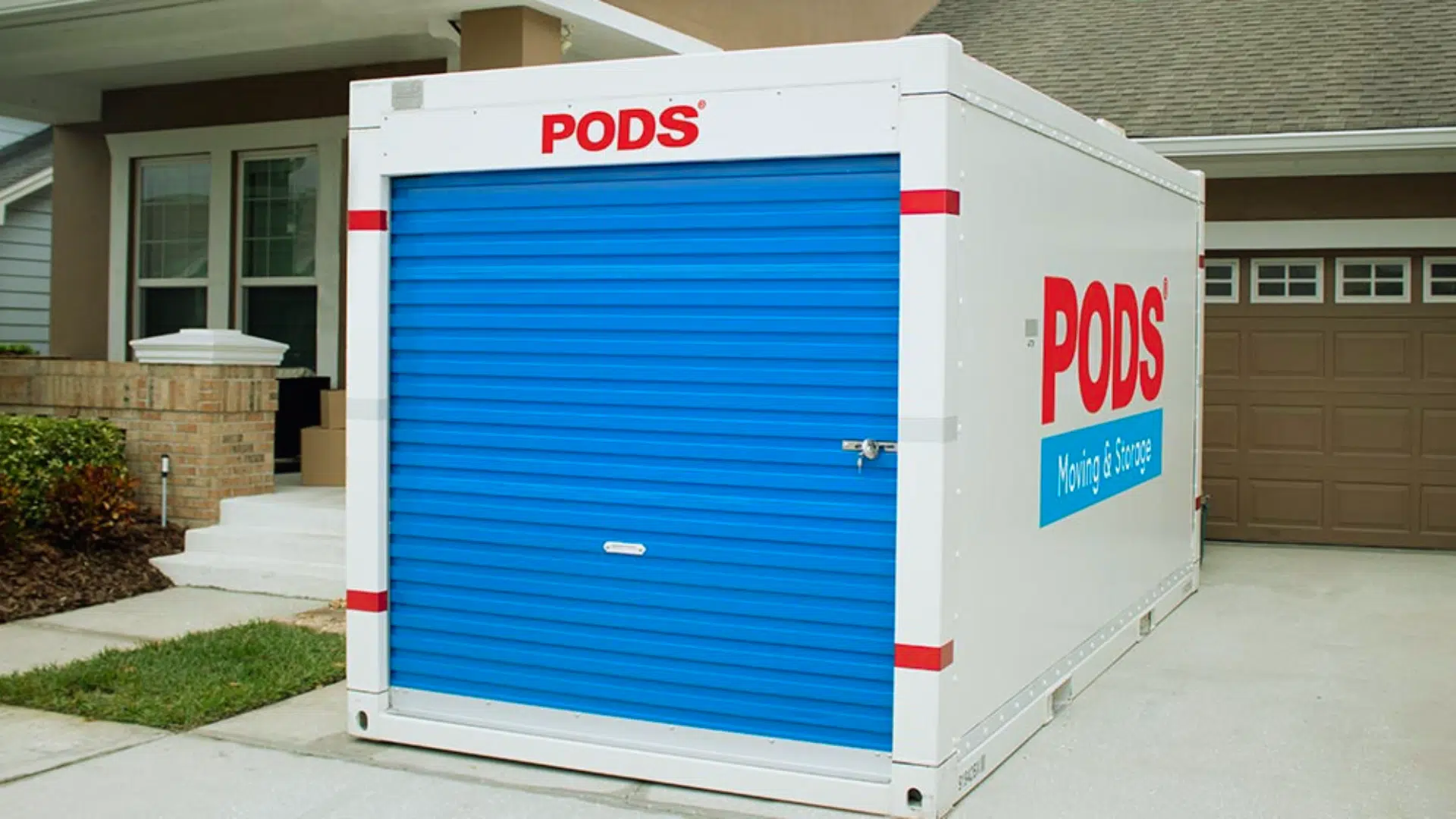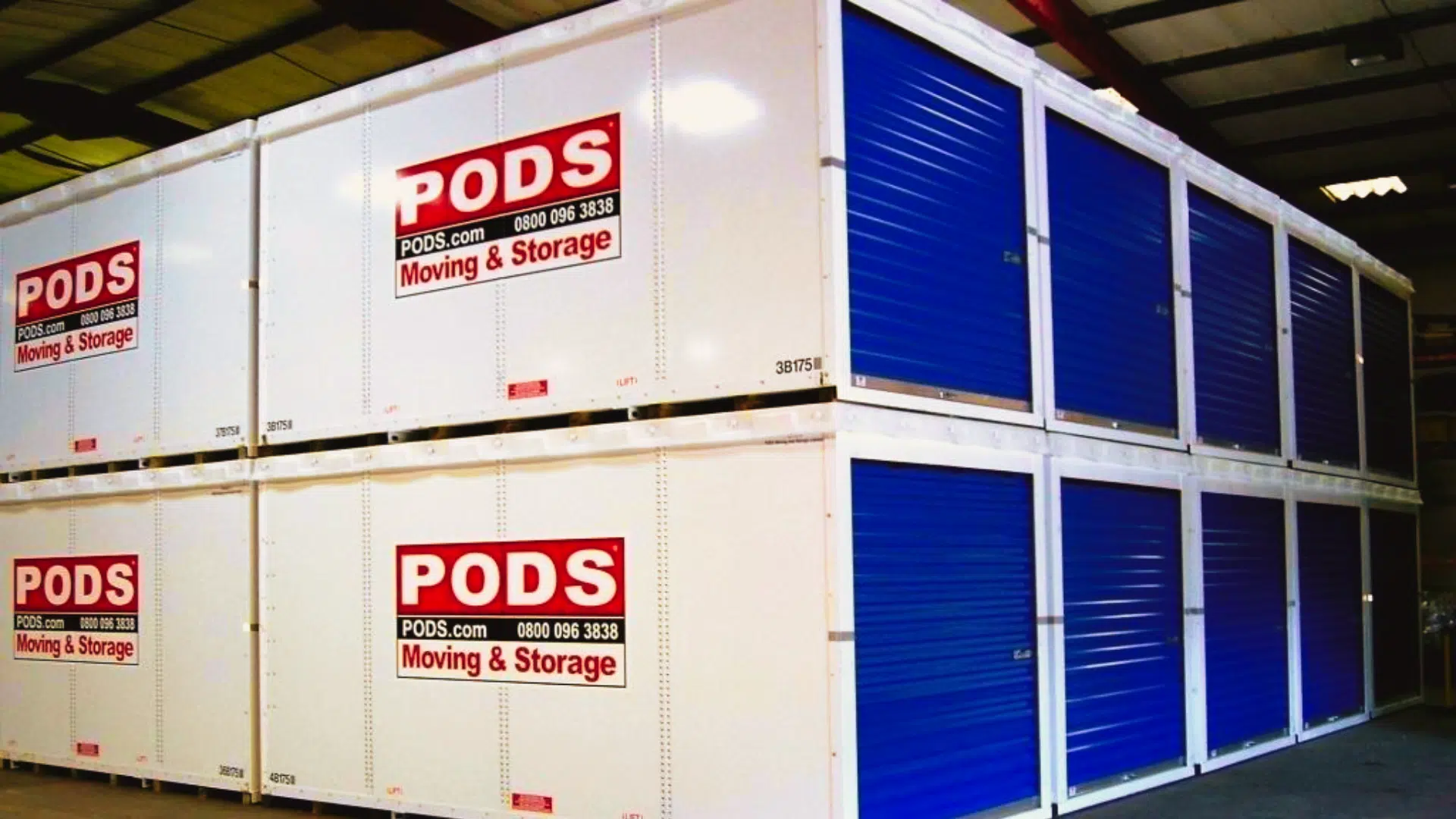
PODS® cost per month isn’t one flat number. It shifts with size, location, and how long you keep it.
I’ve seen people budget $149 and get billed $280, and that gap catches almost everyone off guard. That’s because demand and location move the needle fast; storing in a busy city almost always costs more.
This guide breaks down what actually drives your bill, so you can plan a realistic number.
Average Monthly Cost of Pods Storage
Ads show $149 per month, but almost nobody actually pays that.
Most renters land between $150 and $350+ once real factors kick in.
In busy metro areas, expect closer to $180 to $300+ per month. Demand pushes rates up fast.
That base rate only covers the container itself. Delivery, pickup, transport, and insurance all cost extra.
Location changes the math more than most people expect. Cities like New York, San Francisco, and Seattle run well above the entry rate.
That’s mostly due to real estate and labor costs.
The $149 sticker price is a starting point, not a forecast. Your real bill depends on where you live and what you add on.
How Much Do Pods Cost by Container Size?
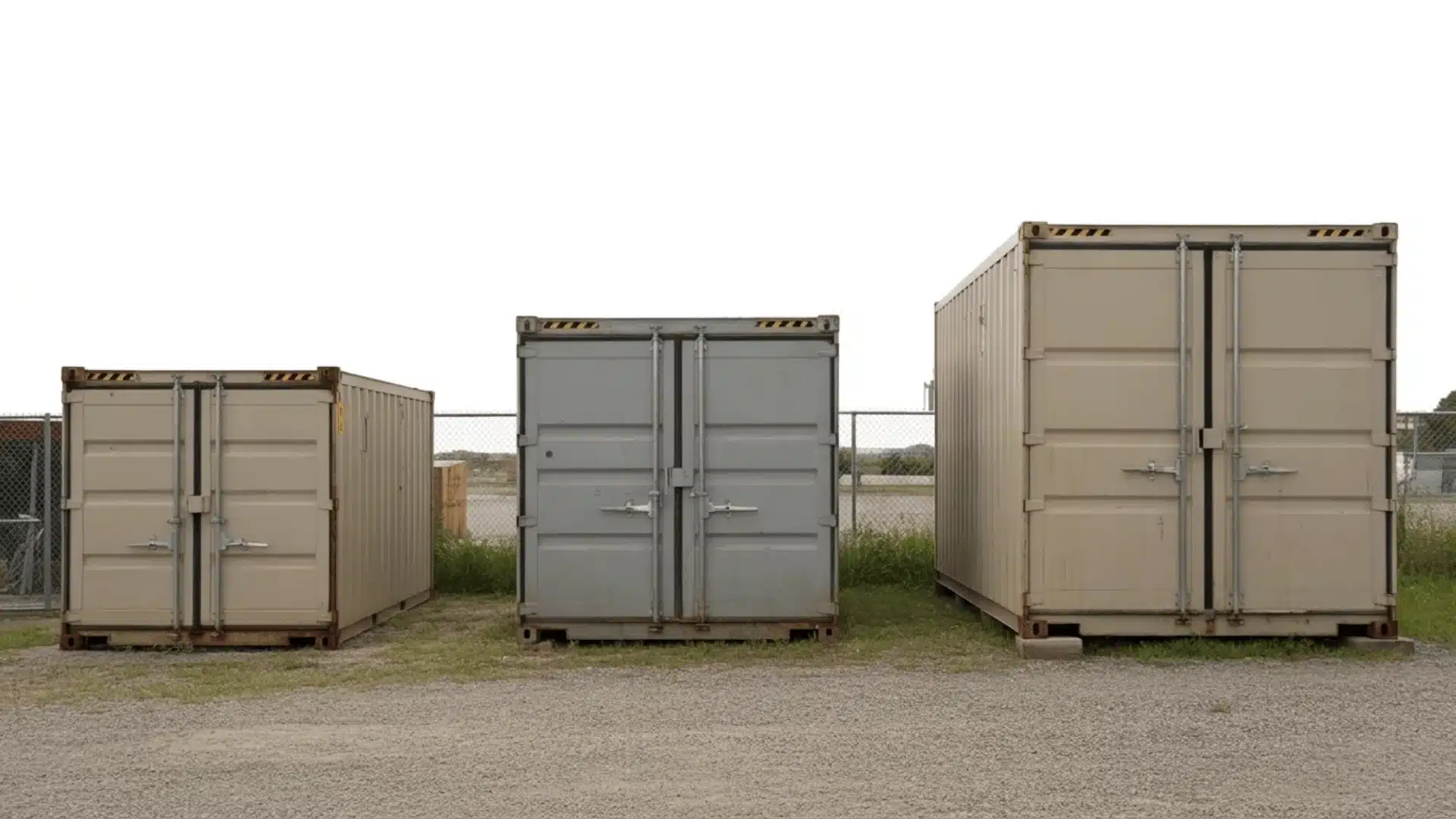
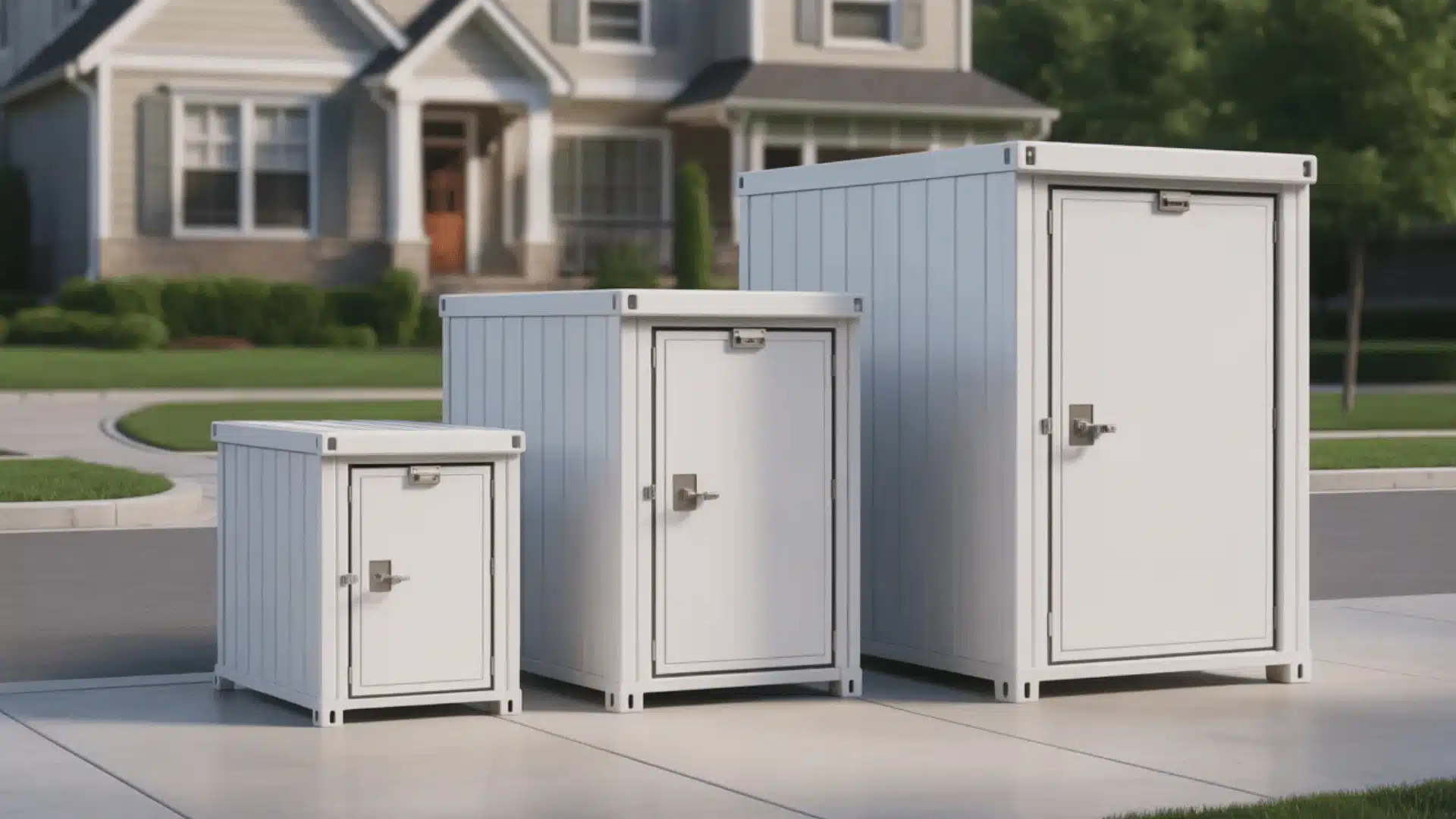
Container size drives your monthly rate more than any other factor. Bigger units cost more to store and move.
I’ve seen people undersize to save money, then rent a second container. That mistake costs more than sizing up would have.
Small Containers (7–8 Ft)
Small containers run $150 to $300 per month, depending on location. They’re the cheapest option since they take up less space.
They work best for a small apartment or dorm room. Underestimate the space, though, and a second container can double your bill.
Medium Containers (12 Ft)
Medium containers usually cost $200 to $300 per month. Demand stays steady, so pricing doesn’t swing much.
The 12-foot size fits most apartments or partial home moves. It’s popular, so availability can get tight in some regions.
Large Containers (16 Ft)
Large containers start around $300+ per month. You’re paying for more space and more transport weight.
These fit a full household move. The real risk is paying for room you don’t actually fill.
On-Site Storage vs. Facility Storage Costs
Where you store the container changes your monthly cost. On-site and facility storage each come with trade-offs.
| Feature | On-Site Storage (Driveway) | Storage Facility (Off-Site) |
|---|---|---|
| Typical Monthly Cost | Usually 10-30% lower than facility rates | ~$150–$350+ per month |
| Why It Costs What It Does | Reduced logistics and no warehouse overhead | Includes warehouse space, handling, and security |
| Labor & Infrastructure | Minimal after drop-off | Higher due to staffing and storage facility costs |
| Access | 24/7 access to your property | Limited to facility hours, may require scheduling |
| Space Requirement | Requires driveway space | No driveway space needed |
| Permission Needed | May require HOA or city approval | No local property restrictions |
| Best For | Homeowners with adequate space | People without driveway space |
| Common Limitation | Not possible in tight or restricted areas | Less convenient access compared to on-site |
The right choice depends on your space and access needs. Convenience matters too, but weigh it against the monthly cost.
What’s Included in Monthly Pods Pricing?
Here’s exactly what your monthly PODS fee covers. Knowing this upfront saves you from surprise charges later.
- Container rental – the core charge for keeping the unit
- Month-to-month billing – no long-term contract required
- A weather-resistant steel container – built for normal outdoor exposure
- Basic protection – shields your items from rain and wind
- Continued access – on-site or at the storage facility
- Flexible duration – keep the container as long as payments continue
Your monthly fee covers renting and storing the container. Delivery, pickup, and transport are billed separately.
Additional Costs that Increase Monthly Spending
The base rate is only part of the bill. I’ve watched renters get surprised by add-ons that weren’t in the original quote.
1. Delivery and Pickup Fees
Delivery and pickup fees run $70 to $150 each way. They’re one-time charges, but they add up fast.
Since they’re billed separately from rent, first-time renters often underestimate the total. Add both trips together and the impact is real.
2. Insurance / Protection Plans
Protection plans usually cost $10 to $30 per month. They cover damage or loss while your container sits in storage or transit.
Coverage is optional, but most renters take it for peace of mind. Skip it, and one bad incident can cost far more than the plan would have.
3. Climate-Controlled Storage
Climate control adds $50 to $100 per month to the base rate. It keeps items safe from extreme heat, cold, and humidity.
Electronics, wood furniture, artwork, and documents usually need it. Standard storage can damage these items in ways that cost more to fix later.
4. Extended Rental Duration
The longer you keep the container, the more PODS rental cost you’ll pay. Billing continues until you schedule pickup, with no automatic discount for length.
Plenty of people assume long-term rentals get cheaper per month. Usually the rate stays flat, so your total just keeps climbing.
PODS Moving Costs vs. Storage-Only Costs
Not every PODS quote is for storage. PODS also moves containers between addresses, and that’s priced differently.
A local move usually runs $600 to $800. That covers delivery, a short drive, and pickup.
A long-distance move costs more, often $1,500 to $7,000+. Size and mileage both drive that range up.
Storage-only pricing skips all of this. If you’re moving and storing, budget for a transport fee plus the ongoing monthly rate.
Key Factors that Cause Price Variation
Two renters can book the same size and still get very different quotes. Here’s why that happens:
- Location: Urban areas cost more due to real estate, labor, and demand. Rural areas usually stay cheaper.
- Seasonality: Summer’s peak moving season pushes prices higher, while fall and winter often bring better rates.
- Availability: Limited container supply drives prices higher, especially in high-demand regions.
- Rental Length: Short-term and long-term rentals price differently, and some promos need a minimum commitment.
Check pricing for your specific location, timing, and rental length. That’s the only way to get a number you can trust.
Real Monthly Cost Scenarios (What People Actually Pay)
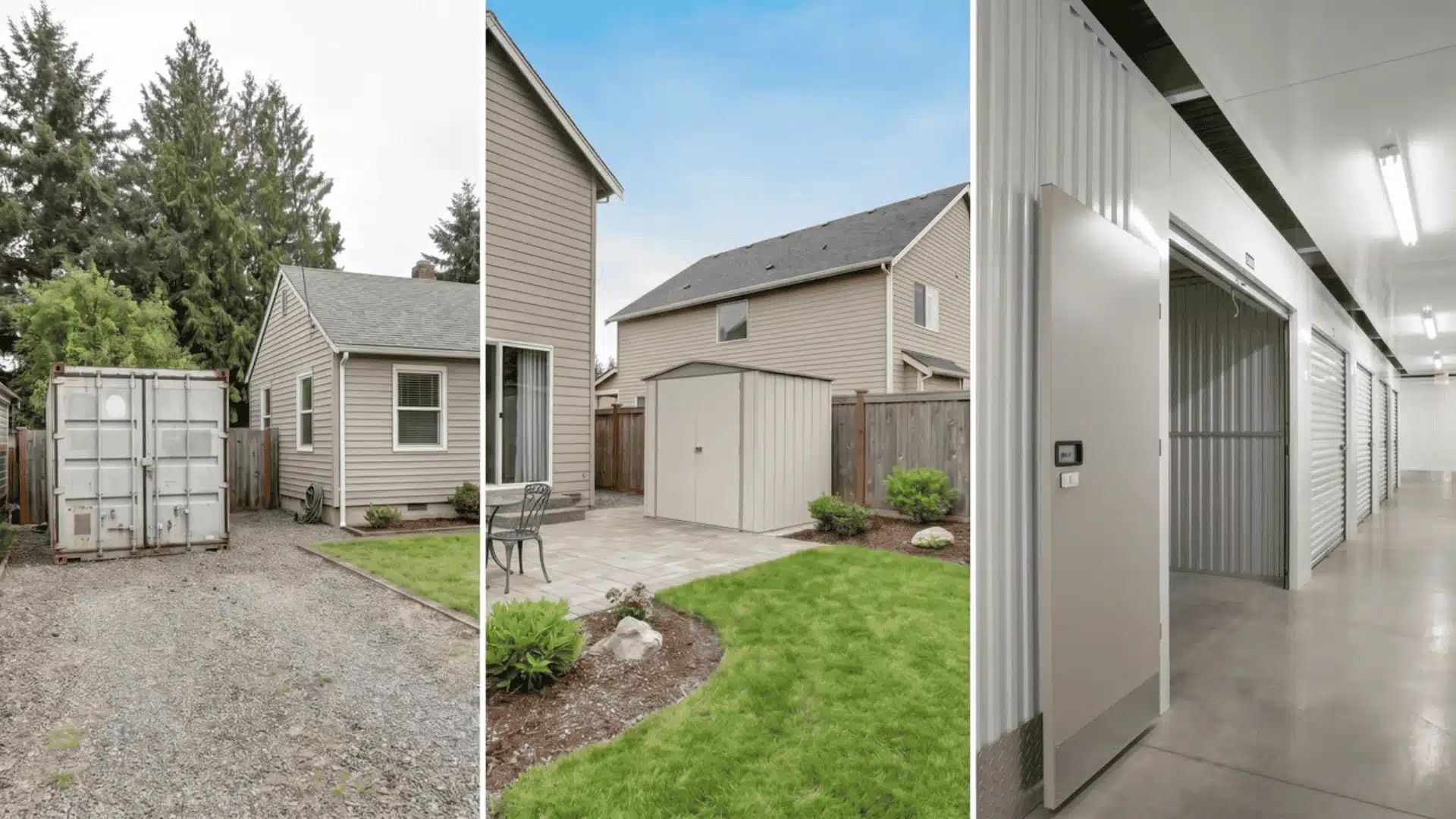
Ads show the lowest possible starting rate. What people actually pay depends on size, location, and add-ons.
A low-end scenario runs around $150 per month. Picture a small container, a low-demand area, and driveway storage.
A mid-range scenario falls between $200 and $300 per month. That’s average demand, a common size, and standard storage.
A high-end scenario can run $300 to $400+ per month. Think large container, facility storage, and extras like insurance.
The average monthly cost of PODS storage is rarely the number you see in ads. Size, storage type, timing, and add-ons all shape your real total.
Most renters land in the mid-range once everything’s factored in. Now you know why, and what to check before you book.
Get a local quote and ask about every add-on upfront. A few extra minutes of comparing can save you real money.
Frequently Asked Questions
Can PODS raise the monthly rate after I book?
Rates are usually locked for your agreed rental period. Extensions or market changes can affect future months, so confirm terms before signing.
Is there a minimum rental period for PODS storage?
Most locations require a minimum of 1 month of rental. After that, billing usually continues month-to-month until you schedule pickup or return.
Do PODS prices differ between local and long-distance moves?
Yes, long-distance moves often include transportation fees that increase the overall cost. Monthly storage rates may stay similar, but total expenses rise significantly.
Are there penalties for early pickup or cancellation?
Policies vary by location, but some markets may charge cancellation or rescheduling fees. It’s important to review terms before confirming delivery dates.