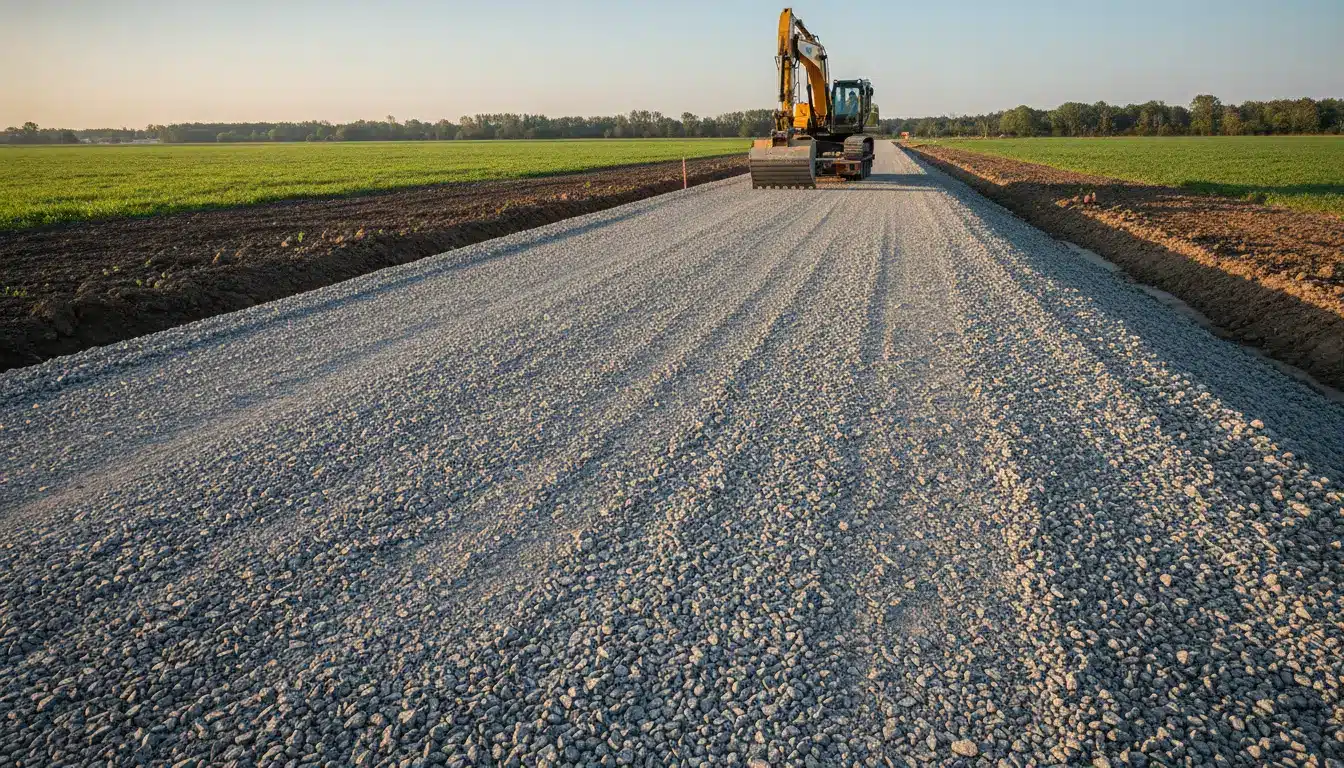
A loaded lowboy trailer or a forty foot delivery truck cannot drive on ground that was never built to hold it. Before a hauling company or delivery service commits to a job, they need a compacted subgrade, enough aggregate depth to spread the axle loads, drainage that keeps water off the surface, and a route wide enough to get the rig in without three point turns next to a ditch.
Skip any one of those and the outcome is predictable: a stuck truck, a torn up yard, or a driver who takes one look and refuses to unload.
This guide walks through what actually goes into preparing an access road and parking pad so heavy equipment and delivery trucks can get where they need to go without turning the job site into a mess.
Why the Route Matters Before the Truck Even Shows Up
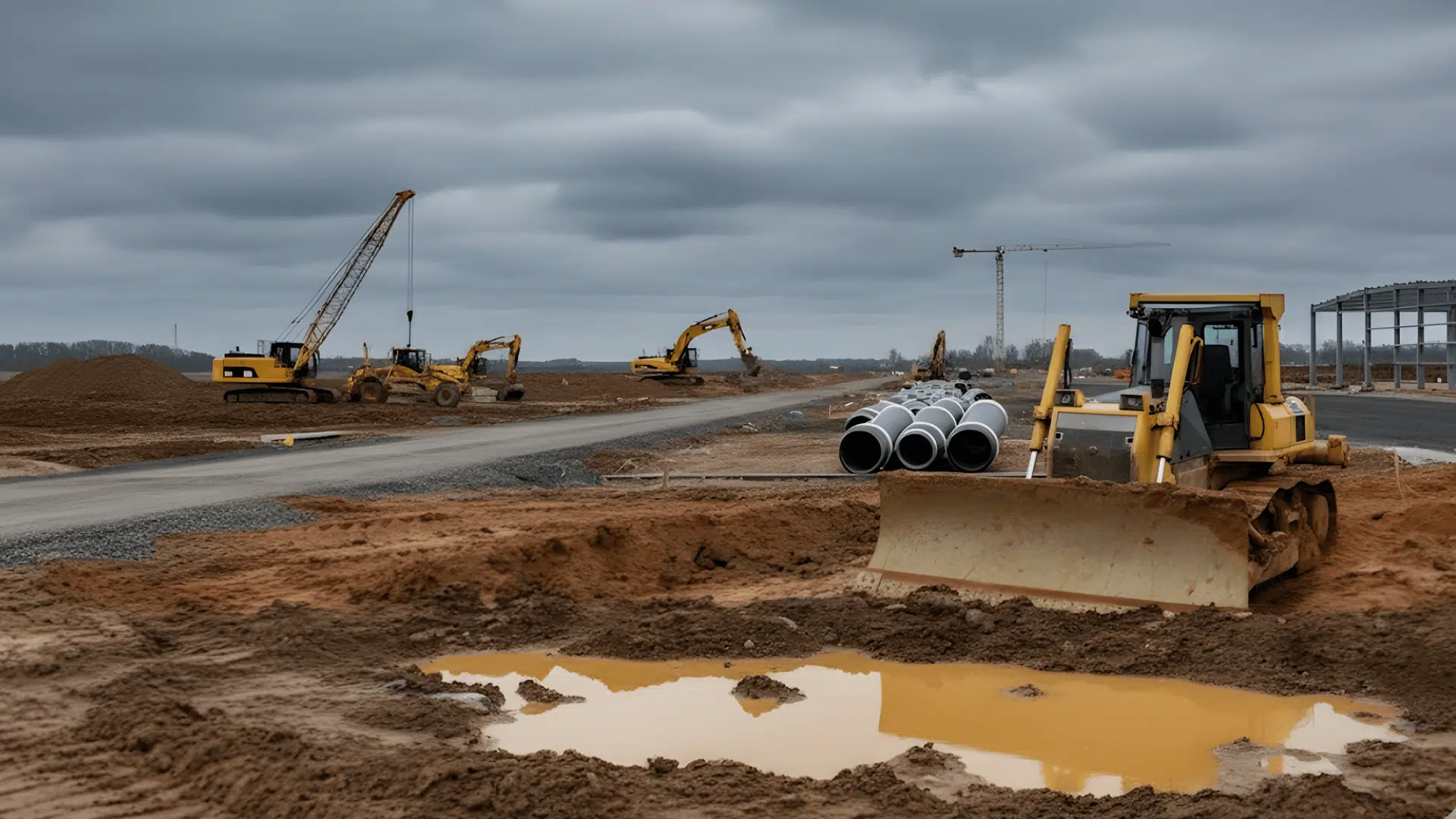
The route matters because heavy vehicles fail on ground, not on hills. A grade a passenger car handles without noticing can swallow a loaded trailer if the shoulder is soft, and a corner that looks wide enough for a pickup can be too tight for a fifty three foot trailer carrying an oversized load. Once a driver arrives and sees a problem, the job usually stalls right there, and standby time on a heavy haul rig is not cheap.
Most delivery failures trace back to a short list of the same issues, over and over:
- Soft or saturated ground that cannot support axle weight;
- A turning radius too tight for the trailer length;
- Overhead clearance blocked by low branches or utility lines;
- No culvert over a roadside ditch, so the shoulder collapses under the first pass;
- Standing water or mud left over from the last rain.
How Much Weight Does an Access Road Actually Need to Carry
It needs to carry the fully loaded weight of the heaviest vehicle on the job, distributed across a base thick enough that the subgrade underneath never feels the pressure. A loaded delivery truck or piece of construction equipment can easily push gross weights into the tens of thousands of pounds, and that load has to travel down through the aggregate and spread out before it reaches native soil.
The starting point is always the subgrade itself. Clay soil holds water and loses strength fast once it is wet, which is exactly when a lot of deliveries get scheduled. Sandy soil drains better but shifts under load if it is not confined.
Either way, a compacted aggregate section somewhere between six and twelve inches thick is the usual target for anything carrying repeated heavy traffic, with softer native soil pushing that number toward the higher end.
Building a Stone Base That Can Take Repeated Heavy Loads
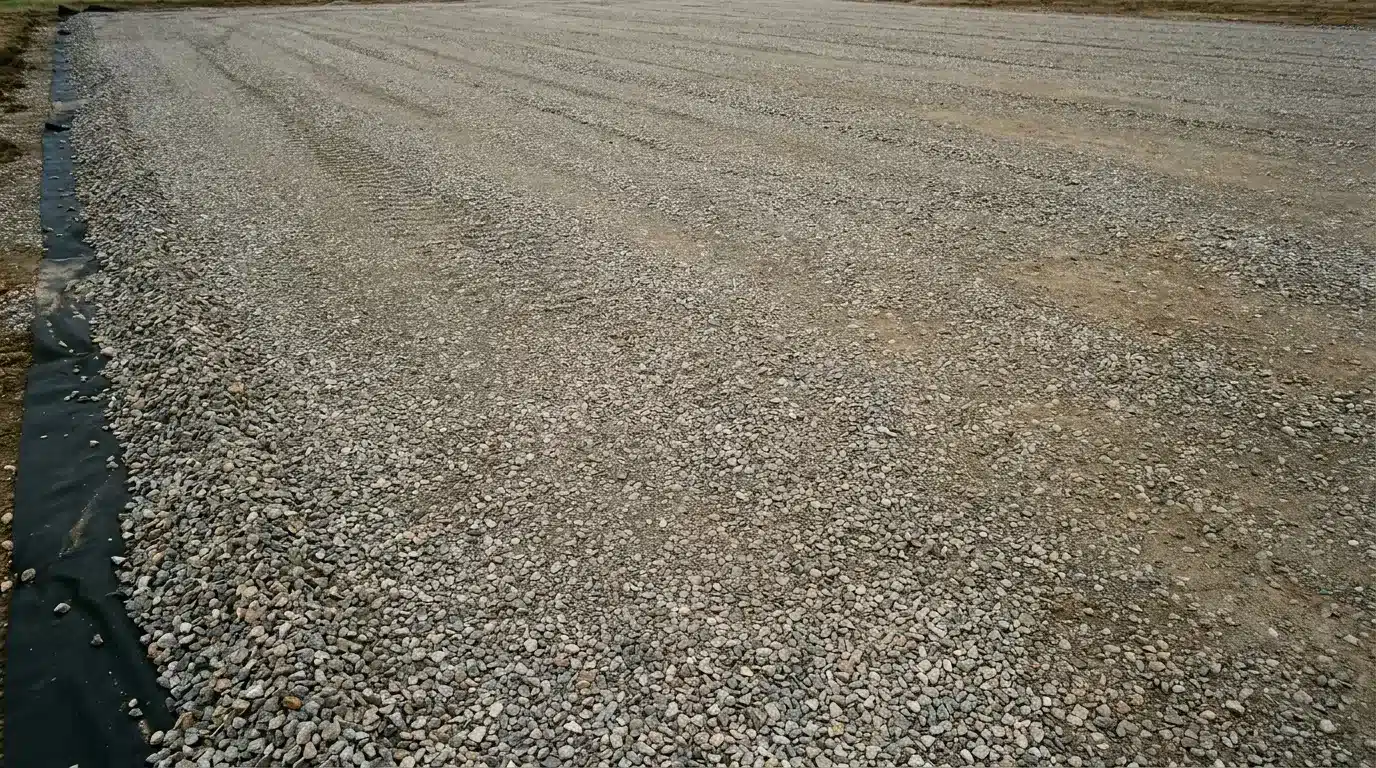
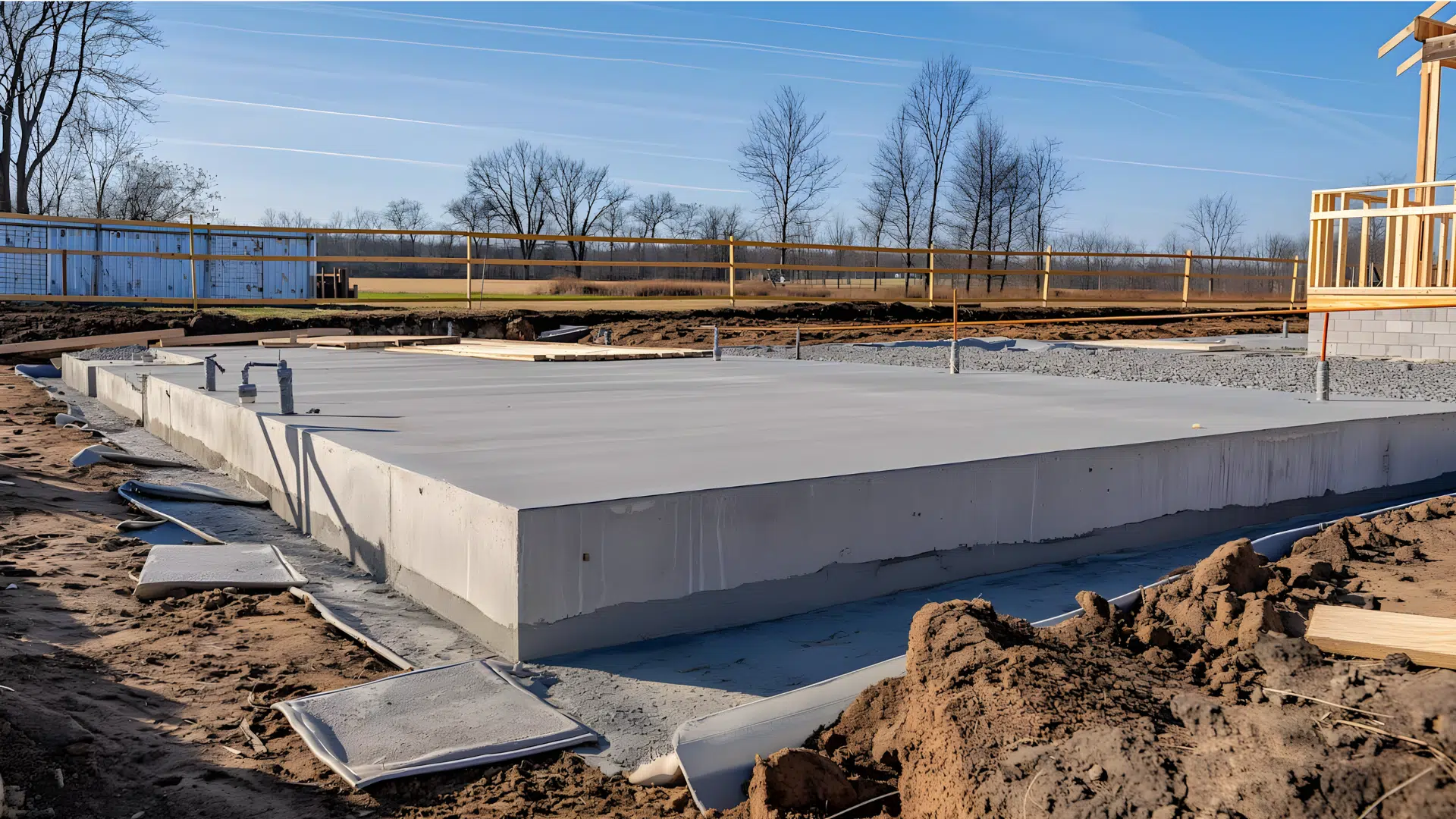
It starts below the surface, not on top of it. For equipment deliveries, most contractors go straight to a stone pad because it drains well, compacts hard, and can be patched in an afternoon if a section gets torn up by a stuck axle. A layer of gravel dumped over soft ground without any prep work will look fine for one delivery and fail on the second.
A properly built section usually goes together in this order:
- Strip topsoil and any organic material down to stable subgrade;
- Grade and compact the subgrade, correcting soft spots as they show up;
- Roll geotextile fabric across the full width to stop aggregate from working its way into the soil below;
- Place and compact a base course of larger crushed stone in lifts no thicker than six to eight inches loose;
- Add and compact a finer top course, crowning the surface slightly so water sheds to the sides;
- Confirm the finished width and turning radius match what the hauler actually requested.
Aggregate size and depth are not one size fits all, but a rough reference for a heavy use pad looks like this:
| Layer | Material | Typical compacted depth |
|---|---|---|
| Subgrade | Native soil, graded and compacted | N/A |
| Base course | 3 to 4 inch crushed stone | 6 to 8 inches |
| Top course | Dense grade aggregate, 3/4 inch minus | 2 to 4 inches |
Width, Turning Radius, and Clearance Haulers Actually Check
Haulers look at the same three or four numbers on every job before they agree to deliver. A single lane access road usually needs to run somewhere around fourteen to sixteen feet wide, more if two vehicles might need to pass. Beyond that, they are checking:
- Straightaway width along the full length of the road, not just at the entrance;
- Turning radius at every corner, measured against the actual trailer length;
- Overhead clearance for branches, wires, and gate frames;
- Gate and driveway entrance width where the road meets the public road;
- Weight limit of any bridge or culvert crossing along the route.
Drainage and Weather Can Undo a Good Pad Overnight
Standing water softens even a well built pad within hours, and in colder states frost heave can crack a surface that tested fine back in July. A crowned surface that sheds water to the sides instead of pooling in the middle solves most of this on its own, but ditches along the route also need working culverts so runoff has somewhere to go instead of undermining the shoulder.
Scheduling matters as much as construction here. Wet season or a hard freeze can turn a road that handled deliveries all summer into a liability, so it is worth checking the forecast and the ground conditions a couple of days out rather than assuming last month’s road is still today’s road.
When It Makes Sense to Bring in a Site Prep Contractor
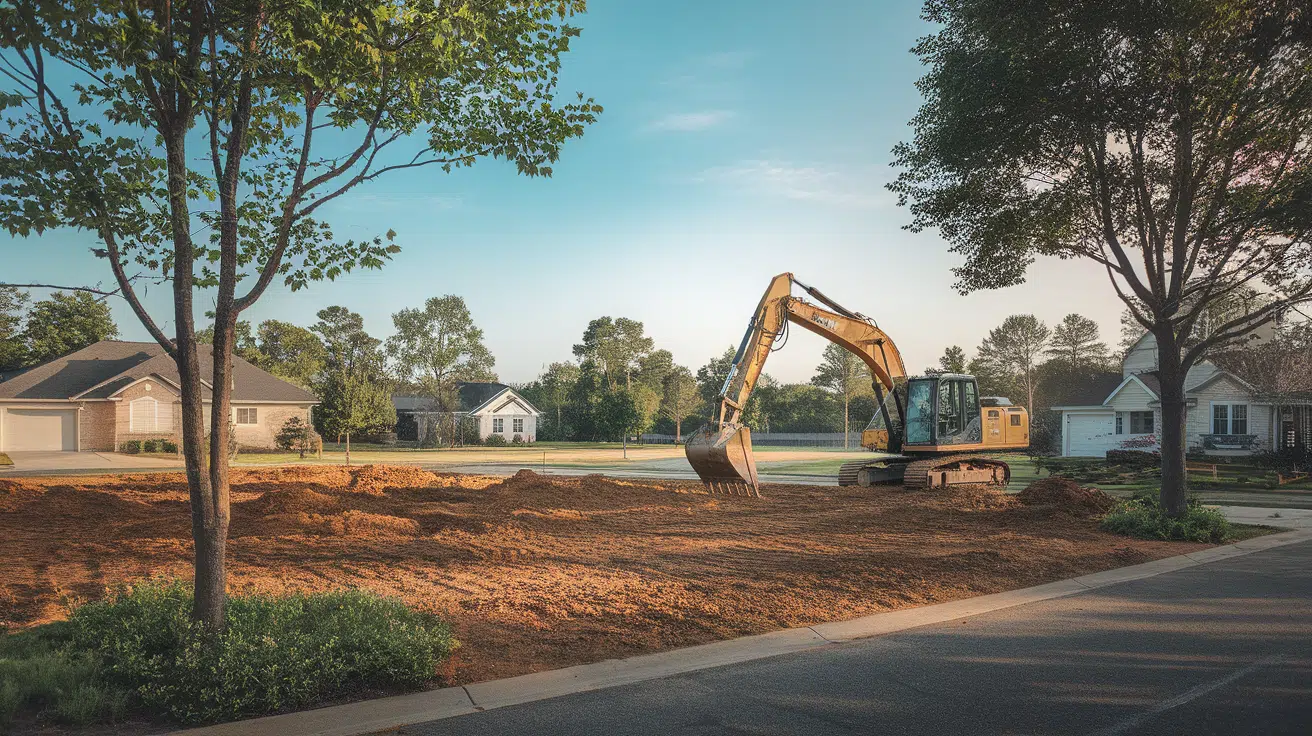
Grading a short driveway extension for a single residential delivery is often manageable without outside help. Larger equipment, poor native soil, or a road that has to hold up under repeat deliveries for months is a different situation.
On jobs where a soil test comes back rated poor to fair, or where the schedule calls for dozens of heavy trips over the same stretch, it usually pays to bring in a gravel foundation expert like Site Prep rather than guessing at depths and hoping the pad holds.
A contractor who does this daily can test the subgrade, size the aggregate correctly the first time, and compact it with equipment that gets real density instead of a surface that looks solid and shifts under the first loaded axle.
A Quick Checklist Before the Truck Rolls Up
A short walk through before delivery day catches most problems while there is still time to fix them:
- Confirm the pad and access road are compacted and dry;
- Measure the actual turning radius against the trailer length the hauler provided;
- Clear overhead branches and confirm wire clearance along the route;
- Walk the ditch line and check that every culvert is in place and clear;
- Check the weather forecast for the forty eight hours before delivery;
- Have a backup plan for standby time in case conditions change at the last minute.
None of this takes long to check, and every item on that list is cheaper to fix on a Tuesday afternoon than to explain to a driver who already backed a loaded trailer down the driveway. A road and pad built to actually carry the load, not just look ready for it, is what turns delivery day into a non event instead of a project of its own.