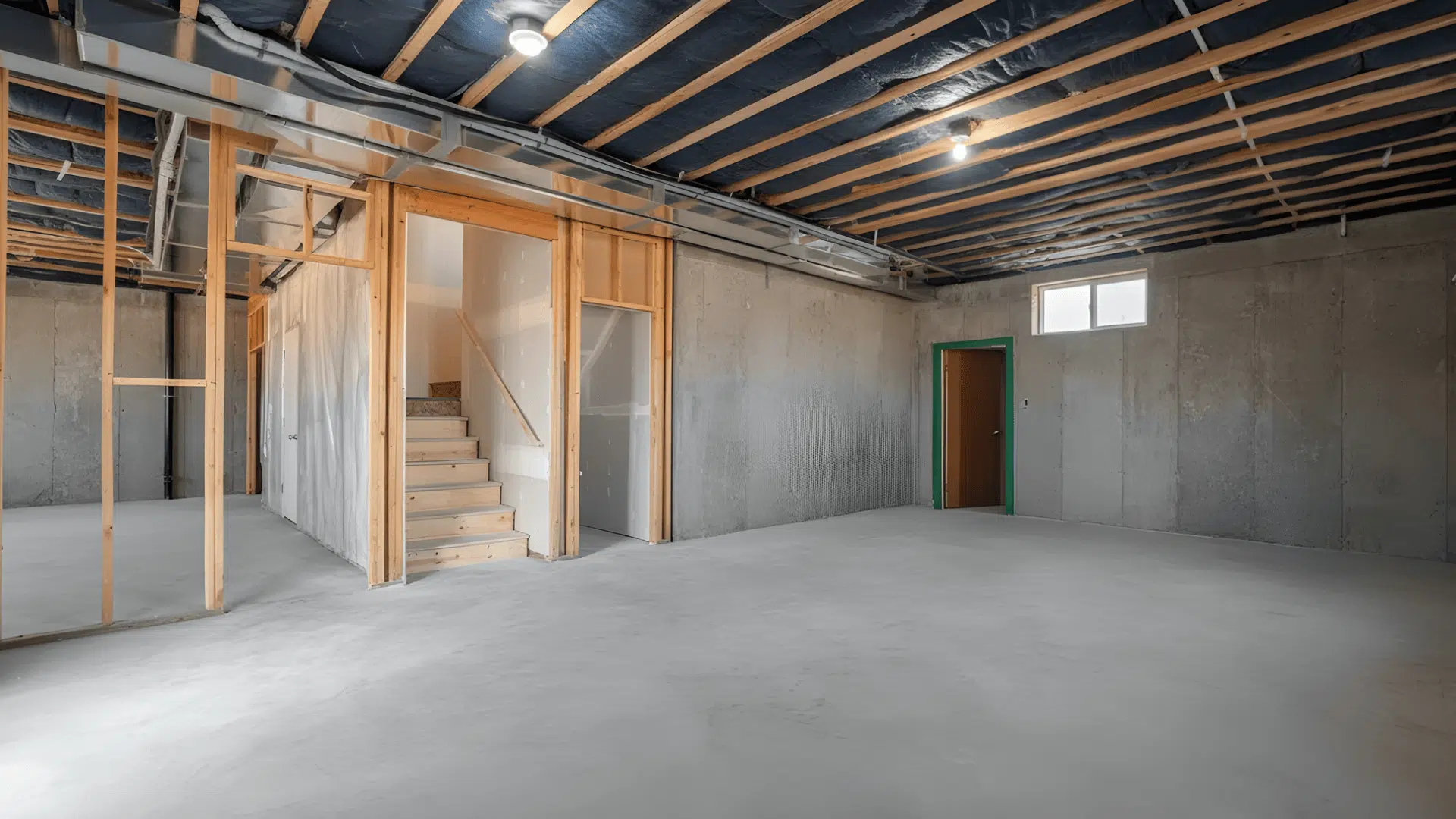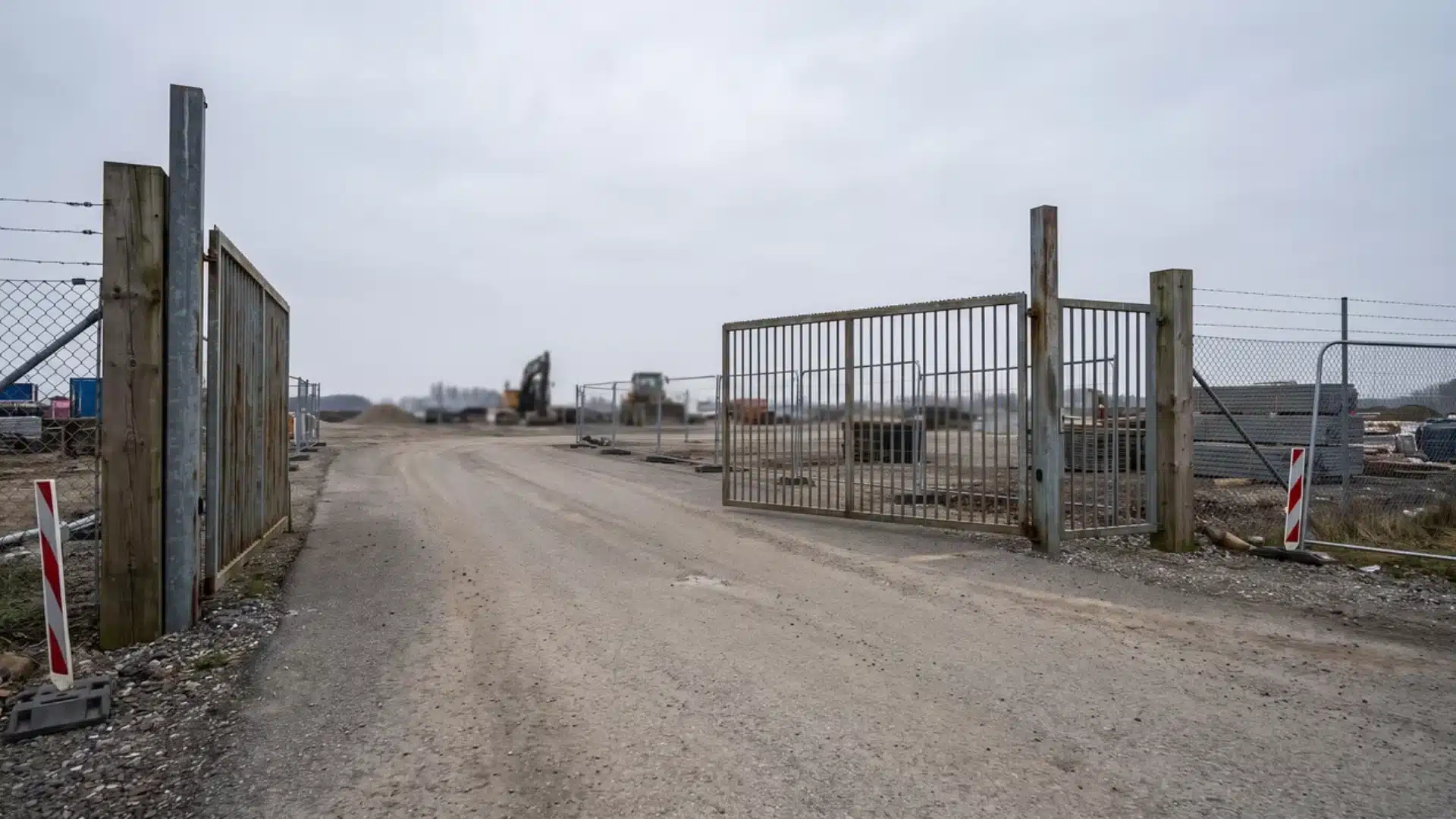
One badly timed delivery can throw your entire construction schedule off track. A steel beam blocks the gate for hours, or drywall arrives before the site has a dry place to store it.
These small planning mistakes lead to damaged materials, extra costs, and crews left waiting with nothing to do.
Moving construction materials takes more than booking a truck. You need the right vehicle, accurate paperwork, proper permits, and delivery times that match each stage of the build.
With a clear transport plan, you can reduce delays, avoid fines, protect materials, and keep work moving from start to finish.
Ahead, you will learn how to choose the right transport method, handle permits, follow safety rules, and schedule deliveries around each phase of construction.
Plan the Move Before Materials Leave the Yard
Before booking a truck, confirm exactly what needs to be moved. A clear load and site check helps prevent delays, damage, and unsafe deliveries.
- Measure the Load: Record the weight, length, width, and height of every item before choosing a vehicle.
- Check Material Requirements: Identify adhesives, solvents, fuel, insulation, or other materials that may need special handling or paperwork.
- Inspect Site Access: Make sure the access road can support a fully loaded truck without causing damage or delays.
- Review Clearances: Measure the gate width, turning space, and overhead clearance for wires, branches, bridges, or structures.
- Prepare Storage: Confirm where materials will be placed and whether they need protection from rain, heat, or theft.
- Plan Unloading: Assign workers, forklifts, cranes, or other equipment before the truck leaves the yard.
Completing these checks early keeps each delivery organized, safe, and aligned with the construction schedule.
Match the Transport Method to the Load
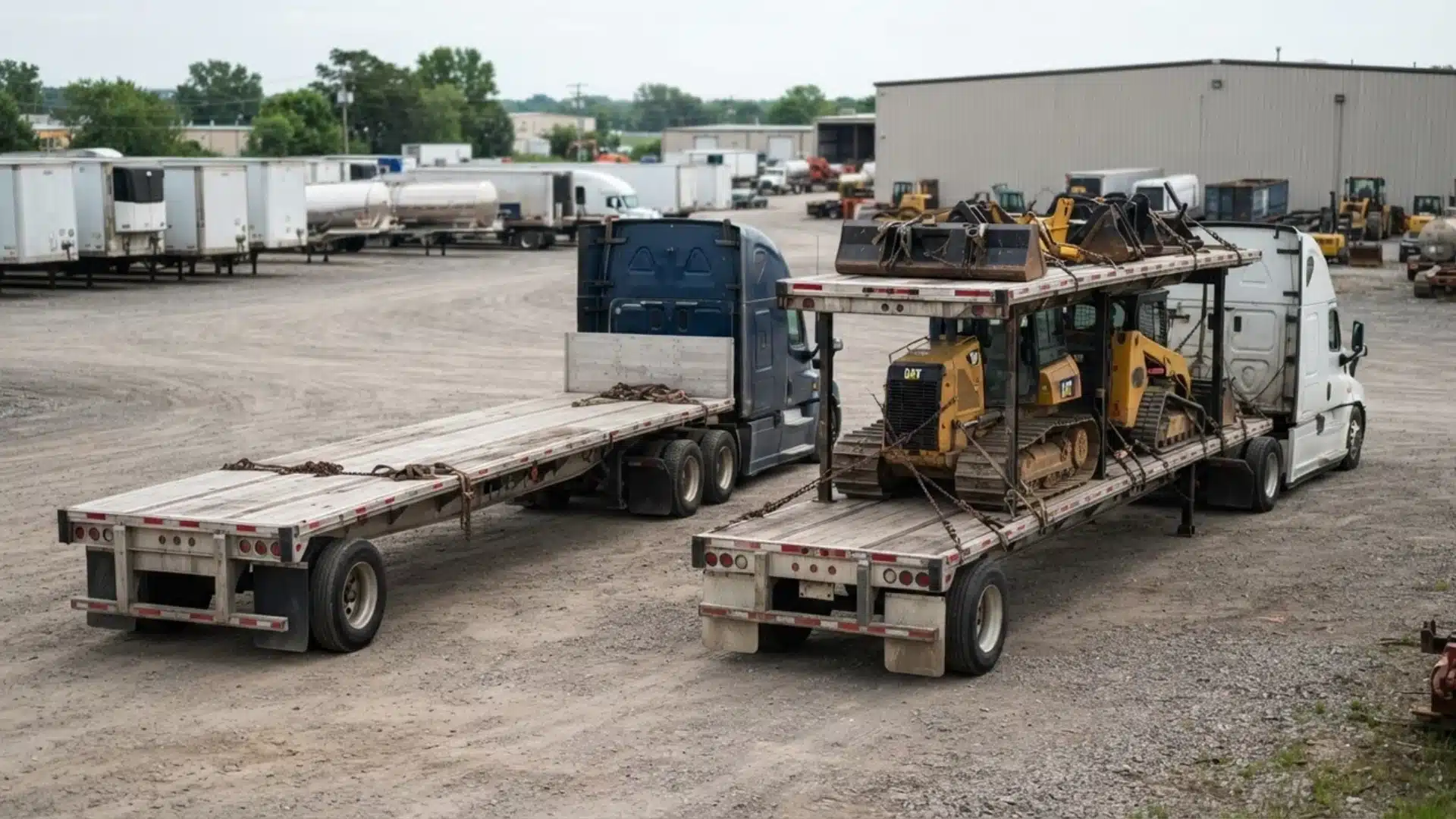
The load type should determine the truck you book. Flatbeds suit steel beams, lumber, and oversized materials with unusual shapes, while dry vans keep drywall, insulation, and moisture-sensitive supplies protected from rain.
For taller equipment, choose a step deck or double-drop trailer because the lower deck provides extra clearance. Heavy machinery, including excavators and bulldozers, usually requires a removable gooseneck trailer, also called an RGN.
Shipment size matters too. A full truckload, or FTL, moves a complete load directly to the site, which often reduces handling and transit time. Smaller orders can travel via less-than-truckload (LTL) shipping to lower costs by sharing trailer space.
Finally, plan unloading before dispatch. Confirm that the site has a forklift, pallet jack, crane, or other equipment rated for the load’s weight, size, and shape when the vehicle arrives at the site.
Handle the Permits and Safety Rules That Apply
Construction material transport falls under three layers of rules. OSHA’s materials handling standard (29 CFR 1926 Subpart H) requires stored materials to be stacked, blocked, or secured so they can’t shift, slide, or fall, and it requires rigging gear like slings and chains to be inspected before each use and never loaded past its rated capacity.
The EPA’s spill prevention rules apply once a site stores fuel, adhesives, or other petroleum-based products above set volume thresholds, and they call for labeled, upright containers, secondary containment, and a spill kit on hand.
State rules apply when a vehicle exceeds size or weight limits. The Federal Motor Carrier Safety Administration sets a baseline of about 8 feet 6 inches wide and 80,000 pounds gross weight for interstate travel; height limits are set state by state and generally run from 13 feet 6 inches to 14 feet 6 inches. Loads beyond those limits need an oversize permit and a planned route
| Rule Area | Main Requirement |
|---|---|
| OSHA | Safe loading, unloading, securing, and handling |
| EPA | Correct packaging, labels, upright storage, and spill supplies |
| State permits | Approval for oversize or overweight loads |
| Route planning | Checks for bridges, weight limits, and tight turns |
Carriers should confirm the route before filing. Hazardous containers must stay labeled, upright, and supported by absorbent materials in case of leaks.
Budget for the Real Cost of Transport
Transport costs go beyond the number on a carrier’s quote. Build these into your budget before the truck is booked:
- Base Freight Rate: Depends on distance, load size, and whether you book FTL or LTL. FTL costs more upfront but often saves money on large loads by cutting handling time.
- Permit Fees: Oversize or overweight loads add state permit costs, usually charged per trip or per mile depending on the state.
- Fuel and Accessorial Charges: Liftgates, inside delivery, and extra stops each add a line item to the invoice.
- Detention and Storage Fees: If the site isn’t ready when the truck arrives, carriers often charge a per-hour detention fee or a daily storage rate at a yard.
- Double-Handling Costs: Materials delivered too early get moved, stored, and moved again, adding labor hours you didn’t plan for.
A written quote that itemizes these costs before delivery day makes it easier to catch overruns while there’s still time to adjust the schedule
Time Deliveries to the Build Schedule
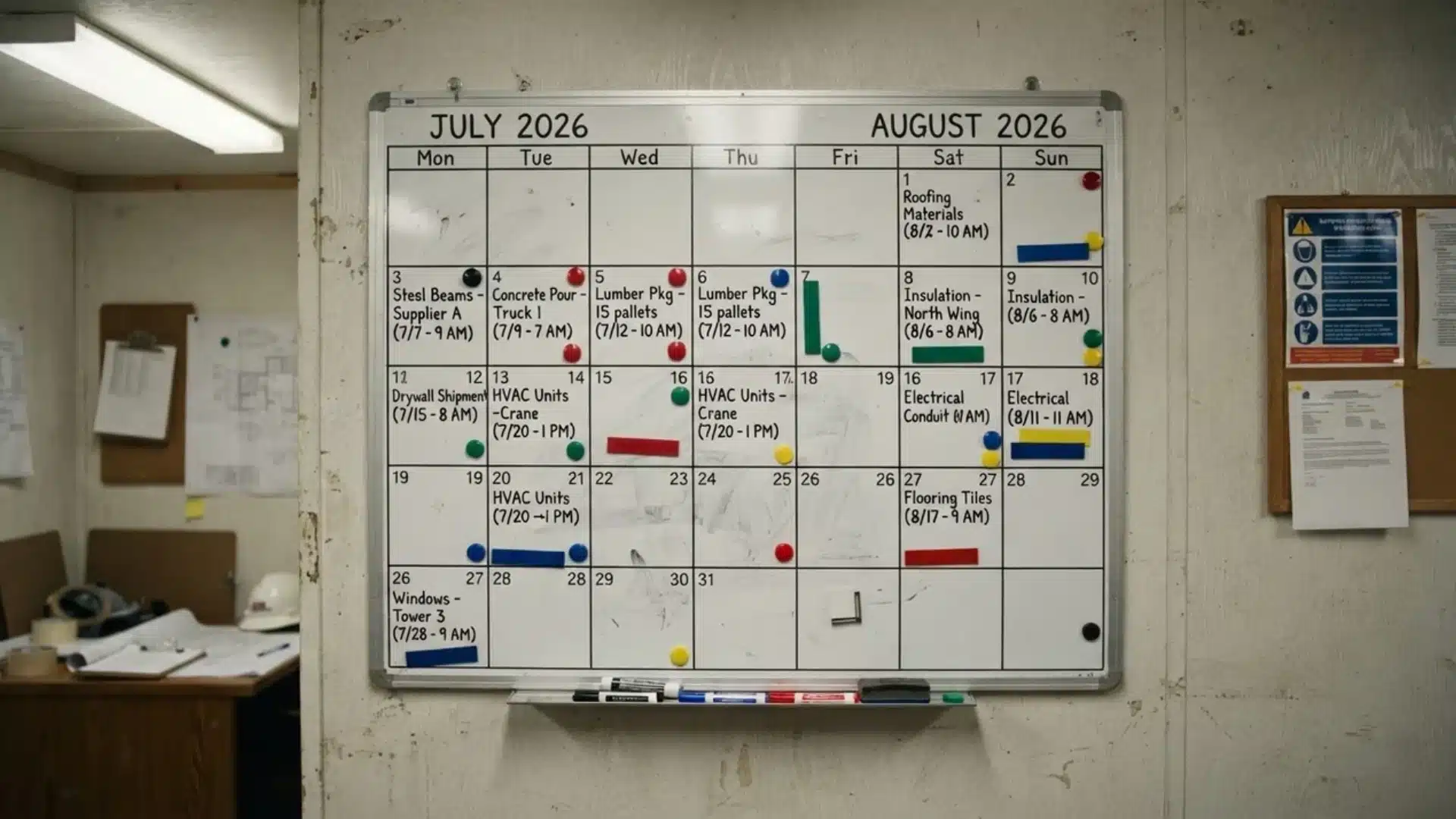
Poor delivery timing creates problems. Materials arriving early need storage and are at risk of theft, moisture damage, or repeated handling. Late materials can leave crews waiting and push the schedule back.
Use these steps to align deliveries with the build:
- Plan by Phase: Schedule foundation, framing, mechanical, and finishing materials around the start of each task.
- Work Backward: Allow two to three weeks for standard supplies and eight to twelve weeks for custom or imported items.
- Add a Buffer: Leave a few days between arrival and installation to absorb transit delays.
- Avoid Double Handling: Deliver materials near their use date so crews do not move them twice.
- Share One Calendar: Track suppliers, delivery windows, unloading crews, and gate times.
A coordinated schedule protects materials, keeps crews productive, reduces congestion, and prevents trucks from reaching the gate at once.
Where Material Transport Goes Wrong (and How to Catch It)
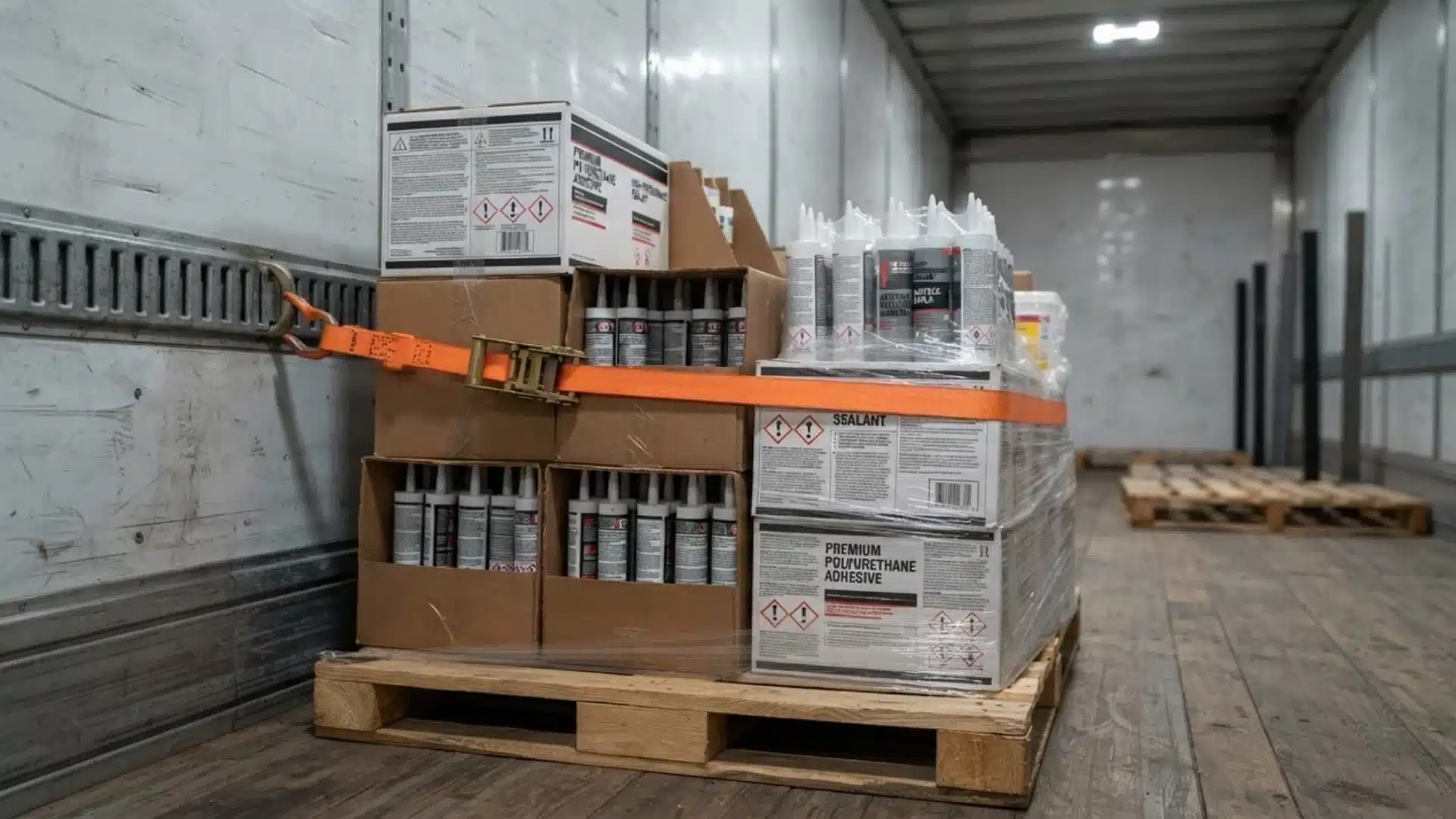
Most construction transport problems come from three preventable mistakes: choosing the wrong truck, skipping required permits, or failing to confirm that the site can receive the load.
A trailer not rated for heavy machinery can shift, buckle, or roll under a load it wasn’t built to carry, turning a routine delivery into a jobsite injury risk. Even a small weight or size violation may lead to fines, delays, or a shipment being stopped.
Inspect every delivery as soon as it arrives. Compare the materials with the bill of lading, confirm quantities, and record visible damage before the driver leaves.
Take photos when needed and report missing or incorrect items immediately. The site contact should sign the delivery receipt only after completing these checks.
This creates a clear paper trail, supports any damage claim, and confirms when the materials were officially accepted and ready for unloading.
Conclusion
Construction material transport comes down to matching the right vehicle to the load, securing the required permits, and timing delivery to the build schedule.
Still, the basics matter most. Please make sure you know exactly what is moving, choose the right vehicle, secure the required permits, and schedule delivery around the build.
Miss one step, and the result may be a delayed truck, damaged materials, added fees, or an idle crew. A shared delivery calendar remains the simplest way to prevent gate congestion and poor timing.
Before booking your next shipment, review the load, route, site access, unloading plan, and delivery window.
Which transport mistake causes the most trouble on your job sites? Share your experience in the comments.
Frequently Asked Questions
Can I use a personal truck for small material deliveries?
Yes, for small loads like a few boxes of tile or trim. Check the truck’s rated payload first, since overloading a pickup can damage the suspension and void some warranties. For heavier or oddly shaped loads, use a rented flatbed or a delivery service instead.
Who is responsible if a delivery truck damages the site?
This usually falls on the carrier, but it depends on the delivery contract. Check the bill of lading and any site access agreement before the truck arrives. Most carriers carry cargo and liability insurance, but get this confirmed in writing before delivery day.
What happens if materials arrive before the site is ready?
Ask the driver to hold the delivery at a yard or terminal if there’s a delay. Most carriers charge a small storage fee for this. It usually costs less than paying to protect materials that sat exposed on-site for days.
Do weekend or after-hours deliveries need special approval?
Often, yes. Many cities restrict truck noise and traffic during set hours, especially in residential areas. Check local noise ordinances and your site permit before booking a delivery outside normal hours. Otherwise, you risk a fine or a turned-away truck.