What makes a burglar choose one house and ignore the next? The decision can happen in seconds, often before anyone reaches the front step.
A loose window latch, a weak door frame, a dark entrance, or an exposed spare key may reveal more than an expensive camera system can hide. Strong home security starts by finding the easiest way in, not by buying the newest device.
That means checking each room, entry point, and habit in the right order. This article explains the home security guidelines that matter most, from reinforcing doors and securing windows to protecting smart locks, garages, and Wi-Fi networks.
Keep reading for a room-by-room breakdown of the common security gaps burglars notice and the practical steps that can make your home a harder target.
Start With a 10-Minute Home Security Audit
Before spending money on cameras or alarms, inspect yourhome’ss exterior as if you were seeing it for the first time. Look for anything that makes entry easier or allows someone to approach unnoticed. Many homeowners skip this step and end up buying equipment that does not address their biggest security gap.
A proper home security audit should include:
- Check every door and window to confirm each lock works properly.
- Test outdoor lights and cameras instead of assuming they still function.
- Remove ladders, tools, and spare keys left in visible or accessible places.
- Look for blind spots near gates, side entrances, garages, and thick shrubs.
Your findings will show what to fix first. A dark alley may make lighting the priority, while weak locks may require immediate upgrades to door and windows.
Checking each area helps identify gaps before adding new security equipment.
Lock Down Doors and Windows
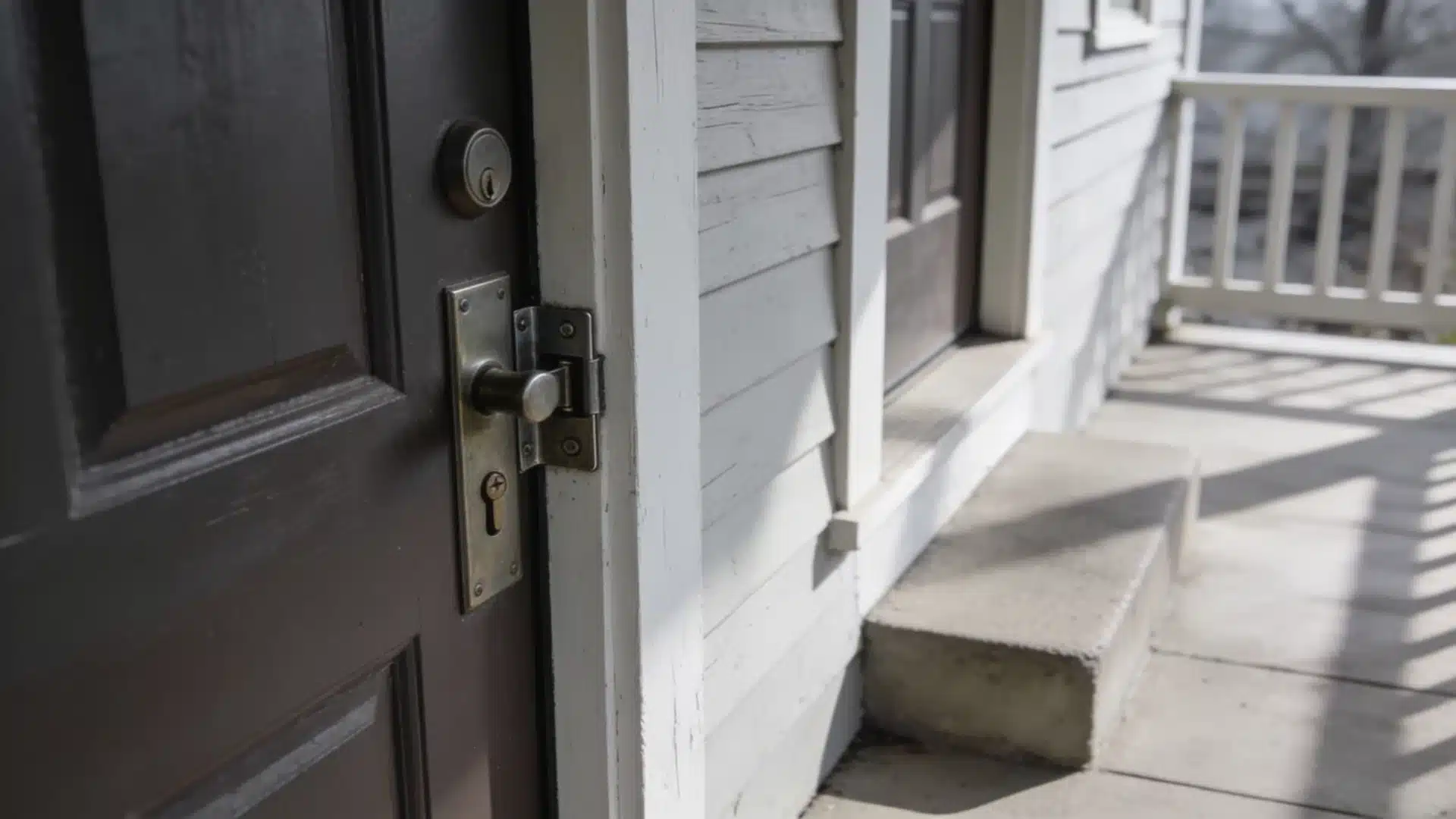
Doors and windows are where most break-ins actually happen, not through cut wires or picked locks. A weak strike plate or an unlocked window usually does the job before any alarm even trips.
Doors That Actually Stop Forced Entry
Standard door hardware fails in predictable spots. Most strike plates use inch-long screws, which allow a door to be kicked straight through the frame.
Fix the weak points:
- Three-inch screws that reach the stud behind the frame
- A deadbolt on every exterior door, including the garage entry
- A double-cylinder lock if there’s glass near the handle
- Hinges are reinforced or relocated if they sit on the outside
Older homes often have hinges mounted outward, which lets someone pop the pins and lift the door off without touching the lock.
Windows: Locks, Sensors, and Film
Latches bend. Locks don’t. Every first-floor window and any upper window near a ladder or tree needs a lock built for security, not just a latch.
Layer in the rest:
- Window sensors that alert the moment one opens
- Security film on ground-floor glass to resist impact
- A metal bar in the track of any sliding door
- Reinforced glass near handles on older sliding doors
Sliding doors fail differently than windows, since forcing the track bypasses the lock entirely. The bar fixes that exact gap.
Guidelines for the Outside of Your Home
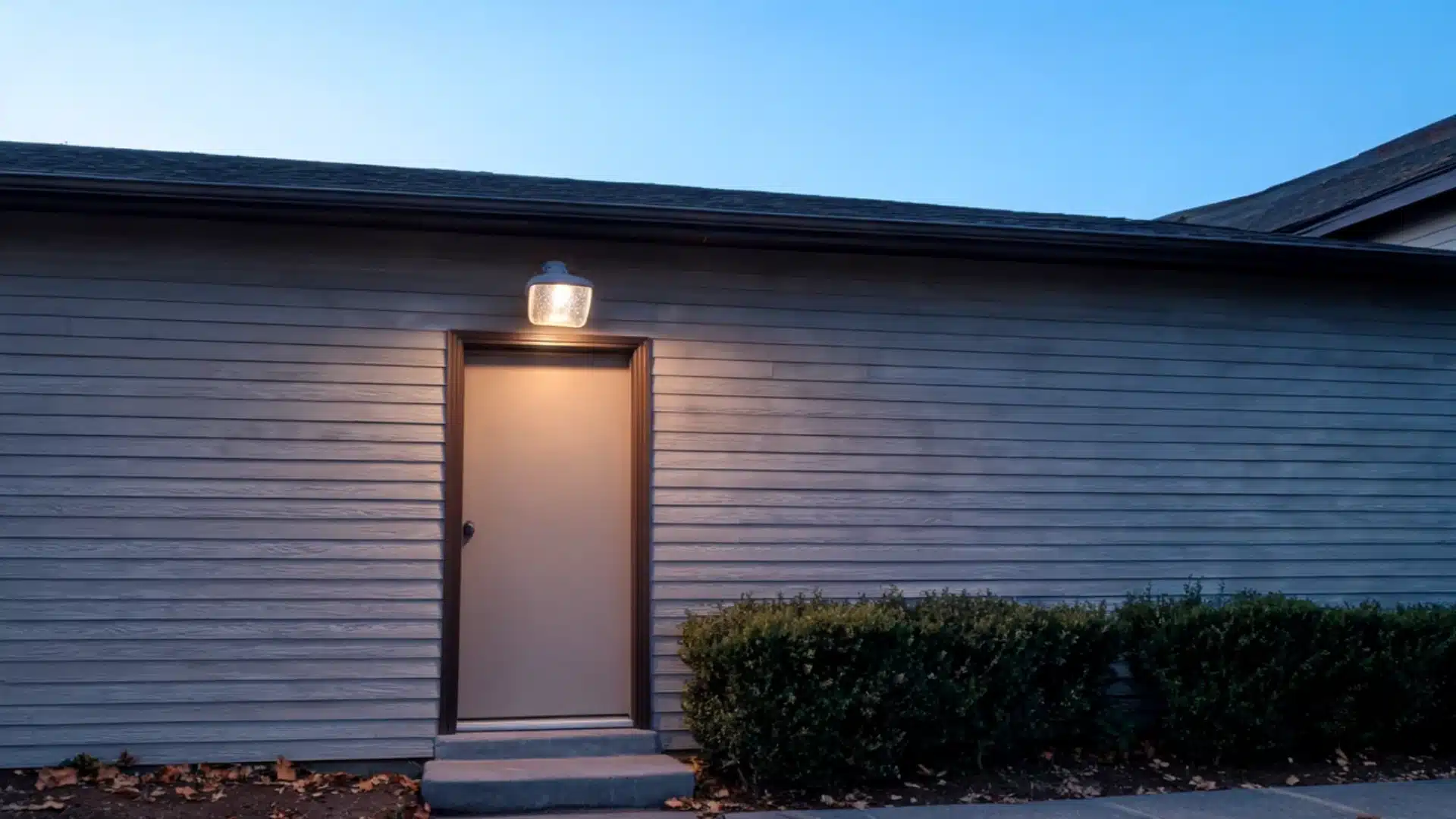
Once doors and windows are secure, the exterior of your home becomes the next line of defense.
Burglars often watch a property before approaching, looking for darkness, overgrown landscaping, and signs that nobody is paying attention. A bright, visible, and well-maintained exterior removes much of that cover.
Focus on a few practical upgrades:
- Install motion-activated lights near every entrance, side gate, garage, and walkway.
- Use timer-controlled indoor lights when the house will be empty overnight.
- Trim shrubs and tree branches that block views of windows or doors.
- Ask a trusted neighbor to notice unusual vehicles, people, or activity nearby.
These steps are affordable, but they make a clear difference. Someone attempting a break-in wants privacy, speed, and an easy escape.
Good lighting, open sightlines, and alert neighbors take away all three before anyone gets close to your door.
Guidelines for Alarms, Cameras, and Smart Home Security
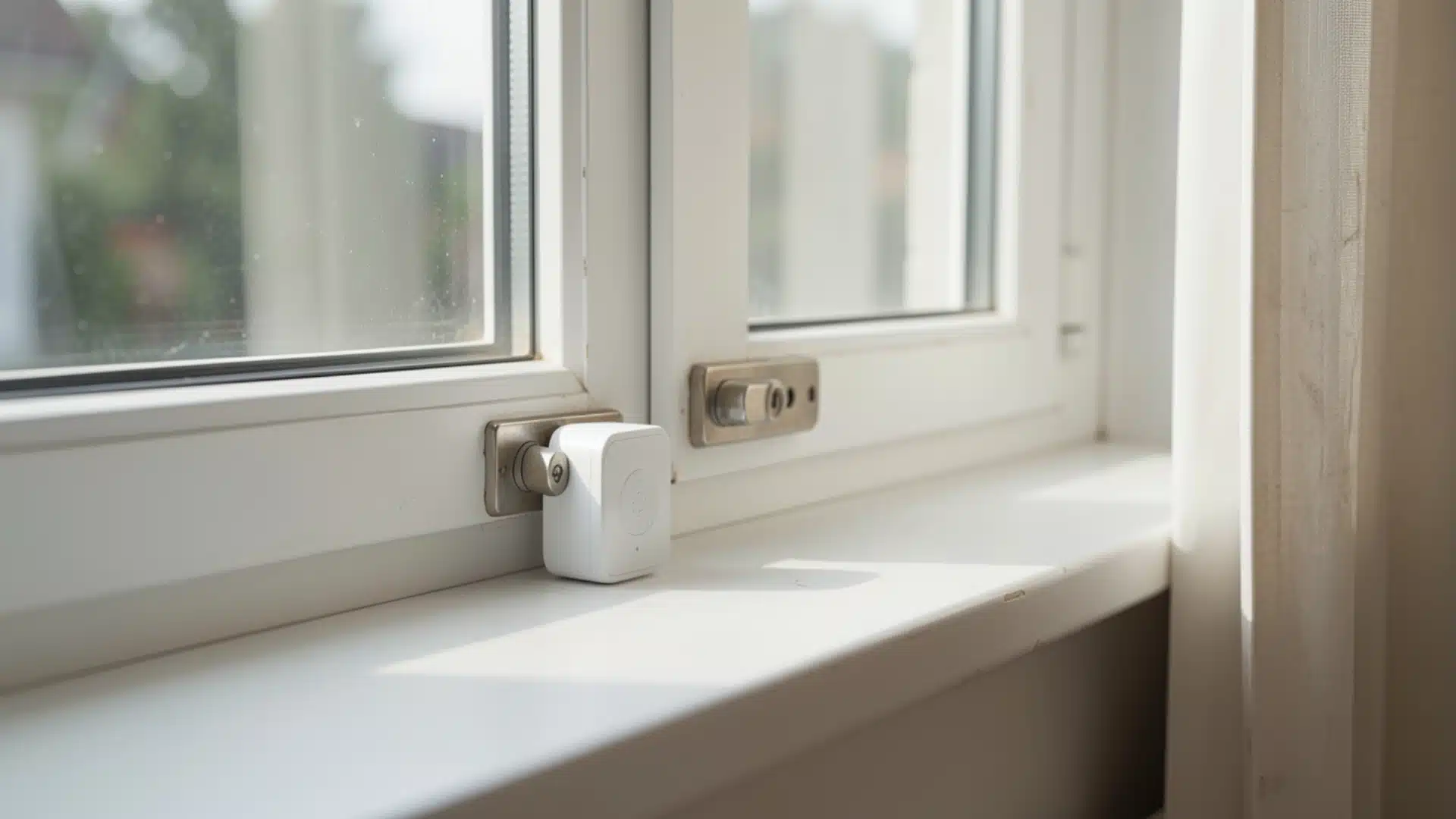
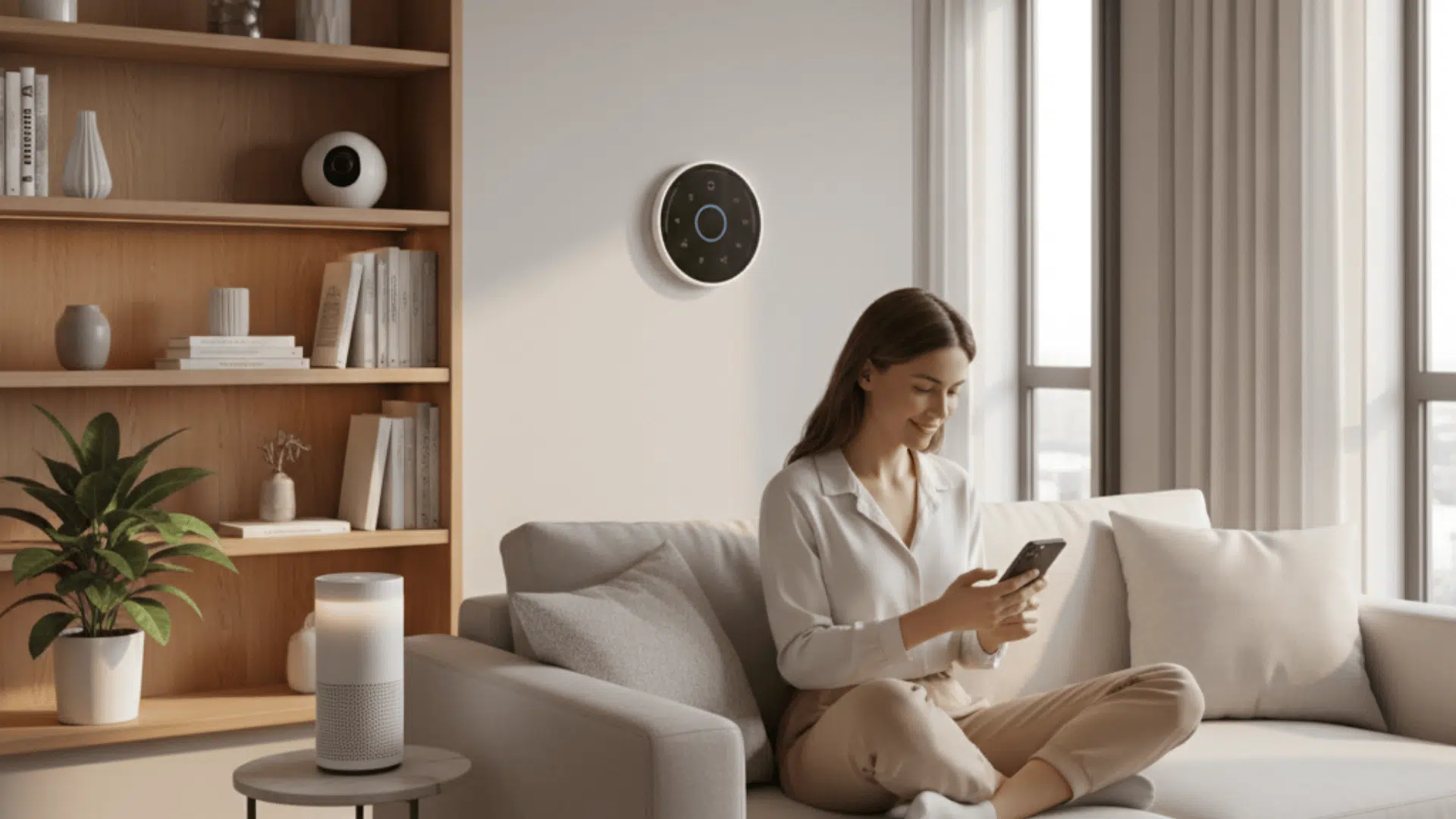
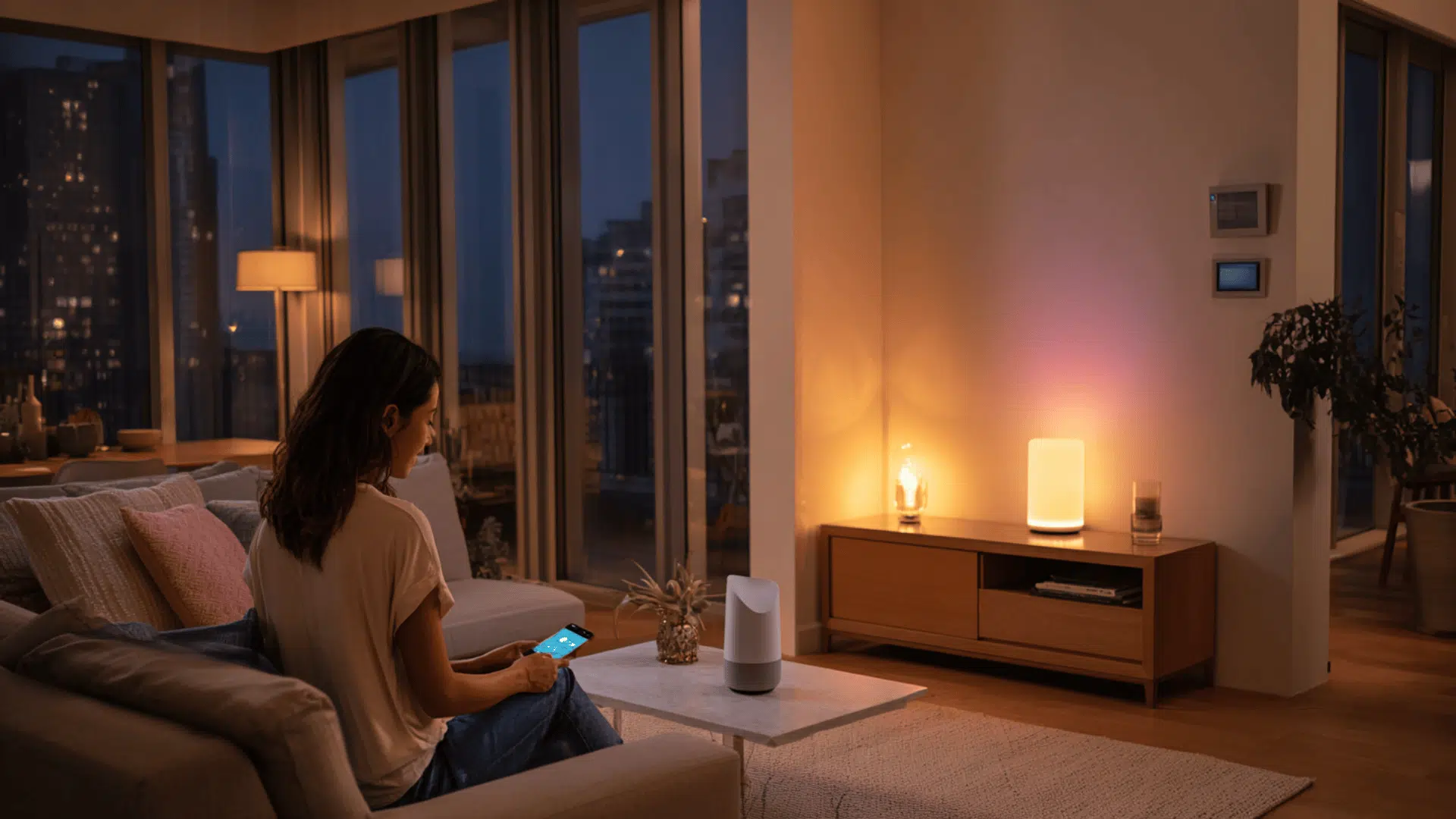
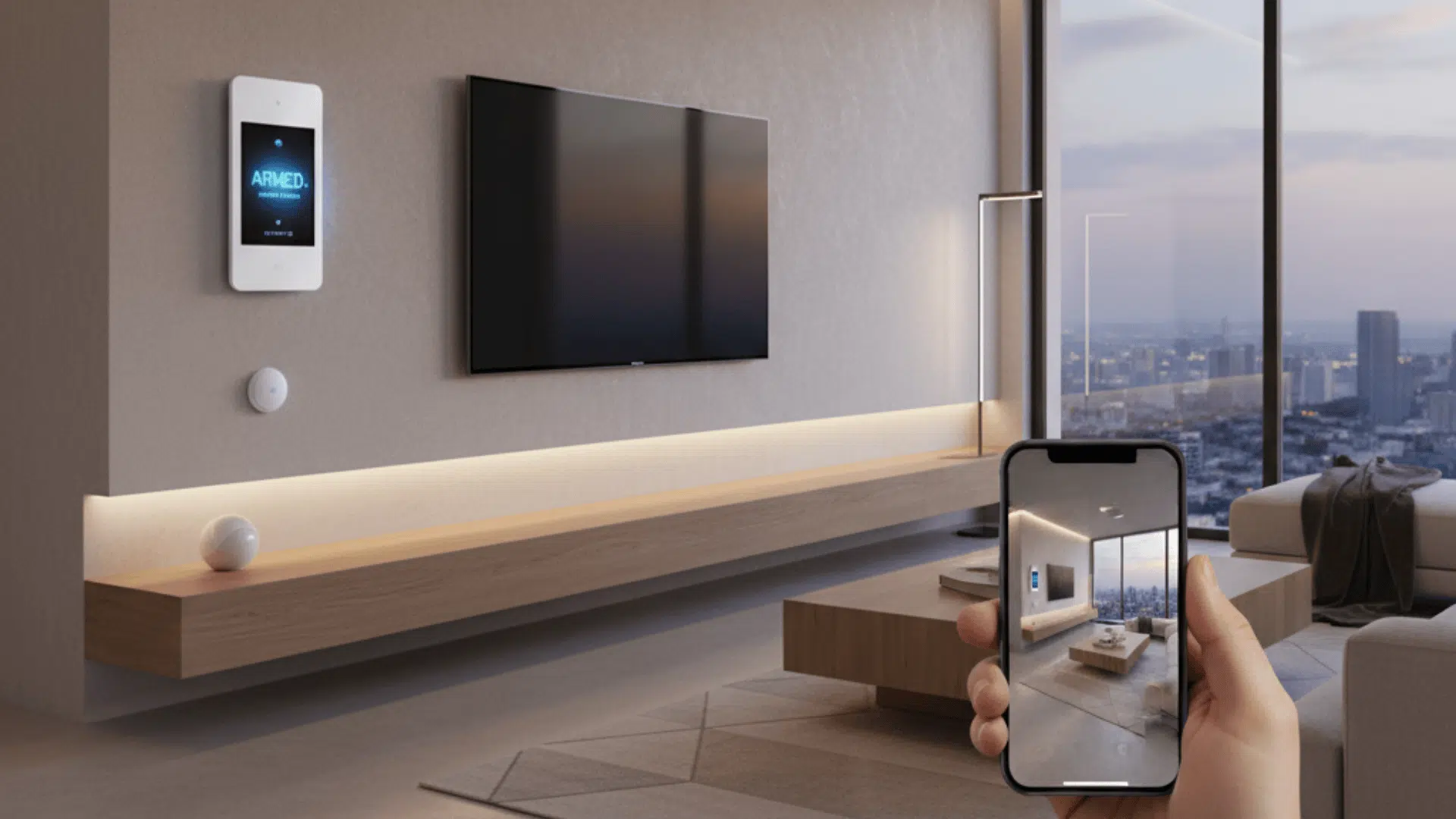
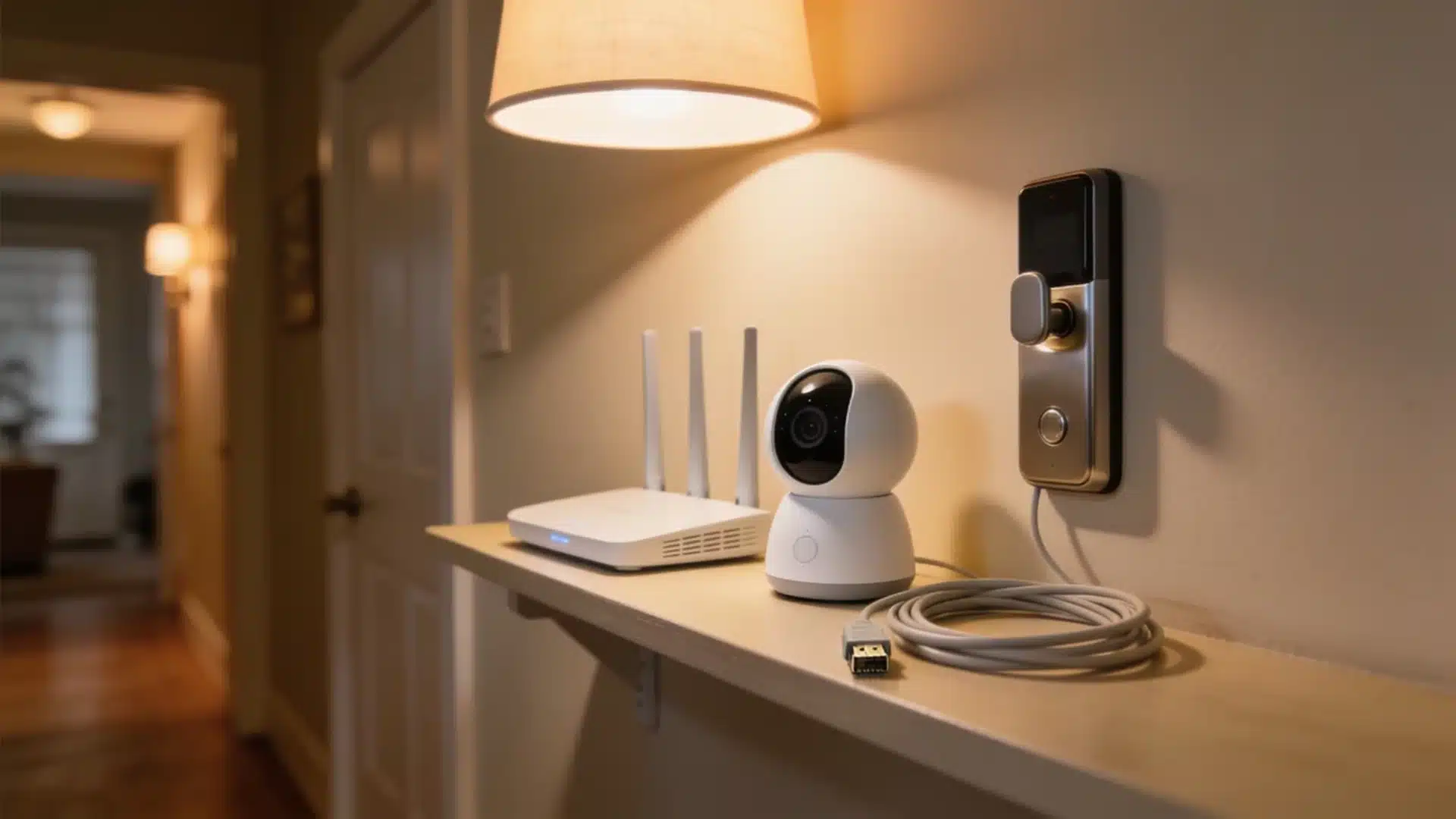
Visible alarms and cameras can make a burglar think twice before approaching your home. However, smart devices only provide real protection when the network behind them is secure. A camera, alarm, or smart lock connected to weak Wi-Fi can create a new entry point instead of closing one.
Strengthen your setup by taking these steps:
- Create a strong, unique Wi-Fi password instead of keeping the default password set on the router.
- Turn on multi-factor authentication for every app connected to cameras, alarms, or the process of installing a smart lock.
- Change all factory passwords as soon as each device is installed.
- Set temporary guest codes with clear start and end dates.
Smart security works best when both the hardware and the network are protected. Treat digital access with the same care as a physical key.
Common Mistakes That Quietly Undo These Guidelines
Strong home security can still fail because of small habits that seem harmless at the time. A door left open for a few minutes, a ladder beside the garage, or a dead alarm battery can undo the protection you have carefully put in place.
Common mistakes include:
- Locking the front door while leaving a side or garage entrance unsecured.
- Keeping ladders or tools outside where they can help someone force entry.
- Sharing vacation plans online before returning home.
- Ignoring low battery alerts from alarms, sensors, or cameras.
These mistakes do not require expensive upgrades to fix. Create a simple weekly routine for checking doors, windows, outdoor equipment, batteries, and security apps.
Consistency matters more than buying another device. Regular checks can keep everyday habits from becoming the weakest point in your home security plan.
How to Verify Your Guidelines Are Actually Working
A security measure only works if it remains reliable long after installation. Locks loosen, batteries drain, passwords get shared, and sensors can stop responding without any obvious warning.
Regular checks help catch these problems before they create an easy opening.
Build a simple maintenance routine:
- Repeat the exterior walk-around at the start of every season.
- Test alarms, cameras, lights, and window sensors on a fixed schedule.
- Check your home from an intruder’s viewpoint to spot weak or hidden entry points.
- Replace device batteries and update passwords before they become unreliable.
- Review temporary access codes and remove any that are no longer needed.
Home security should be treated as an ongoing habit, not a one-time upgrade. Every guideline above depends on someone checking that it still works as intended.
Where Home Security Is Headed Next
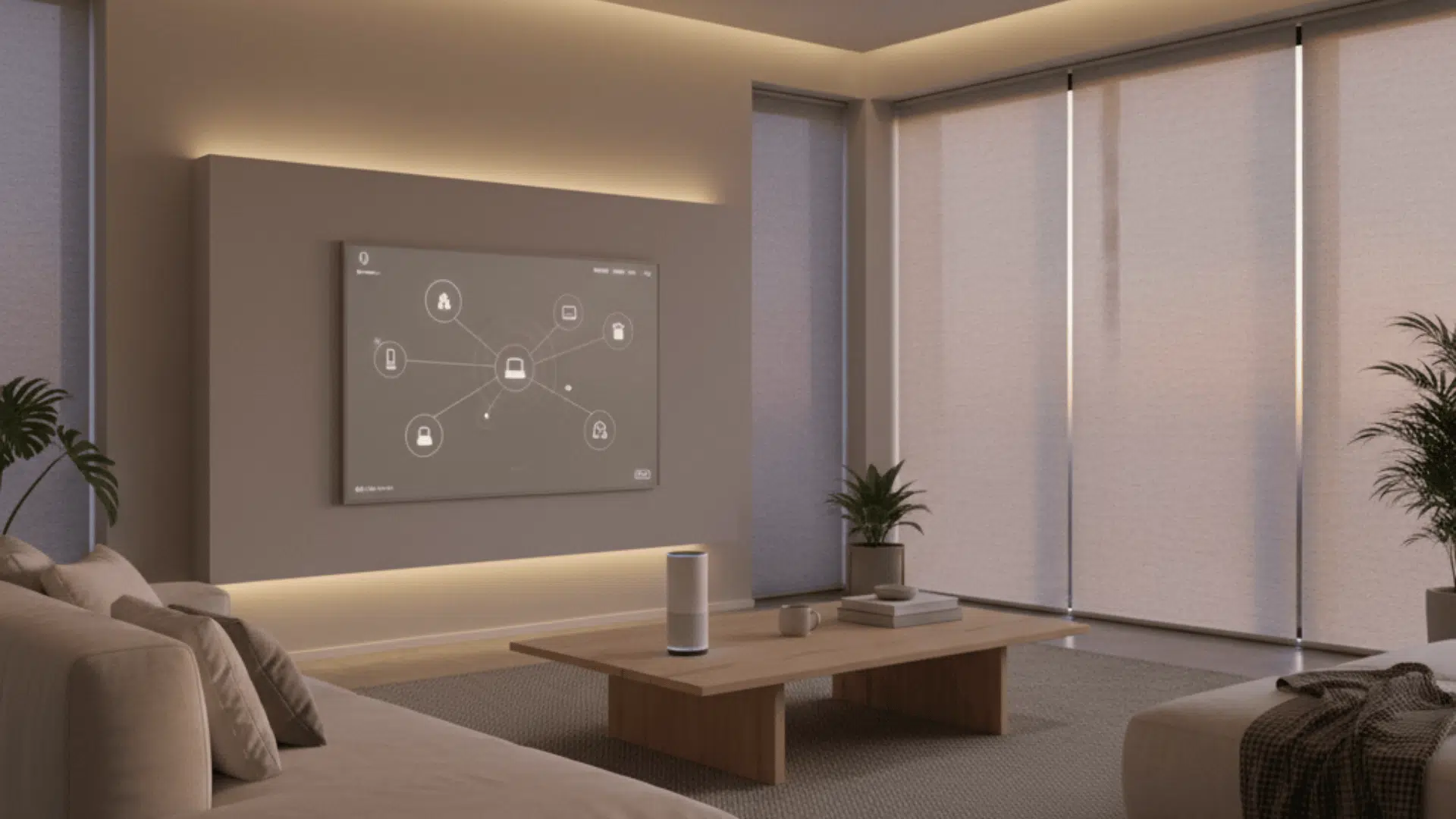
Home security is shifting from separate devices to a single connected system that responds on its own.
| Trend | What’s Changing | Why It Matters |
|---|---|---|
| Connected systems | A triggered window sensor pulls up the nearest camera feed automatically | Cuts the lag between a break-in attempt and someone actually seeing it |
| Professional monitoring | Monitoring services are getting cheaper as smart systems become standard | An alert only helps if someone’s ready to act on it right away |
| Mandatory password resets | Device makers are starting to force password changes at setup | Weak Wi-Fi is becoming the entry point that physical guidelines alone can’t cover |
None of this replaces the basics covered earlier. It just means the tech layer is catching up to the habits that already work.
Conclusion
Home security works best when each weak point is handled in a clear order. Start by checking doors, windows, locks, lighting, and routines before spending money on advanced equipment.
A stronger strike plate, a working window latch, a trimmed hedge, or a better Wi-Fi password may prevent more trouble than a complicated system that leaves basic gaps untouched.
The goal is not to make your home feel unwelcoming. It is to remove the simple opportunities that make entry easier. Walk around your property today as though you have never seen it before, and note what looks hidden, loose, dark, or unprotected. Then choose one practical fix and complete it this week.
Which home security guideline will you start with? Share your choice and experience in the comments.
Frequently Asked Questions
What time of day do most home burglaries happen?
Many residential burglaries occur during daytime hours when homes are more likely to be unoccupied. However, timing varies by location, neighborhood, and individual circumstances, so homeowners should focus on reducing entry opportunities rather than relying on a specific schedule.
Do fake security cameras actually deter burglars?
Fake cameras may discourage inexperienced burglars, but they are less reliable than working security cameras. Experienced intruders may notice missing wires, unrealistic blinking lights, poor placement, or the lack of a connected system. Real cameras provide stronger deterrence and can record useful evidence.
How often should I change my Wi-Fi password for smart home security?
Change the default Wi-Fi password immediately after setting up your router. Update it again whenever you share it with guests, contractors, or service providers. You should also change it after a suspected breach and use a long, unique password that is not reused elsewhere.
What’s the single most effective guideline for renters?
Renters should strengthen the main entry points without making permanent changes. Add a removable door security bar, reinforce existing window locks, and use portable alarms where allowed. These options improve protection without drilling holes, changing the property, or violating common lease restrictions.