Beyond simply brightening a pathway or patio, well-chosen outdoor lights improve visibility, make your home feel more welcoming, and add an extra layer of security after dark. They can also highlight architectural details, showcase your landscaping, and create the perfect atmosphere for relaxing or entertaining outdoors.
With so many styles and features available, finding the right fit can feel overwhelming. Should you choose garden wall lights, pathway fixtures, spotlights, or something else entirely? Which features are worth considering, and how do you balance appearance with functionality?
I’ll walk you through the different types of fixtures, the key features to look for, and practical tips to help you choose fixtures that complement your home while meeting your everyday needs.
Key Factors to Consider
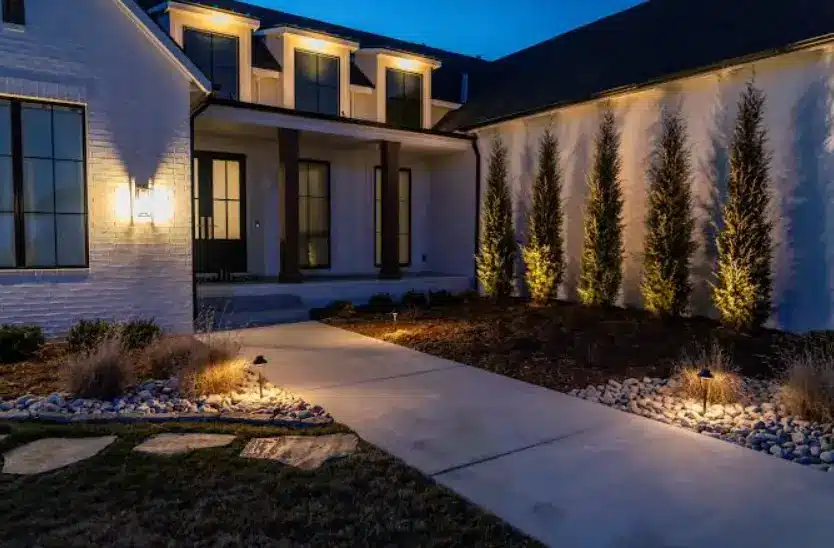
Durability
When shopping for fixtures, it’s easy to focus on appearance first, but durability is just as important. After all, exterior fixtures need to cope with changing weather conditions throughout the year, from heavy rain and strong winds to dust and temperature fluctuations.
This is why it’s important to choose IP-rated outdoor wall lights. An IP rating indicates how well a fitting is protected against moisture and solid particles, giving you a better idea of whether it’s suitable for exterior use. In most cases, choosing a model with an IP44 rating or higher is a smart move, as it offers reliable protection against the elements.
Investing in these fixtures can save you from frequent replacements and maintenance issues down the line. It also provides peace of mind, knowing your fixtures are built to perform year after year. Once durability is covered, you can focus on finding a design that complements your home.
Whether your style leans towards traditional lantern-inspired fittings or clean, contemporary designs, the right choice can enhance your space while standing up to whatever the weather has in store.
Purpose
Before choosing a fixture, think about what you want it to do. Are you hoping to create a warm, welcoming atmosphere for evenings outside, or is your main goal to improve visibility and security around your home? The answer will help narrow down your options.
Softer fittings can add a cozy ambiance to patios, entrances, and seating areas, while brighter options or models with motion sensors are better suited to driveways, pathways, and other areas where safety is the priority. Matching the fitting to its purpose will ensure you get the best balance of style and practicality.
Placement
Where you plan to install your outdoor wall light plays a big role in choosing the right option. A fitting that works perfectly beside a front door may not be the best choice for a patio or garden seating area. Think about the purpose of each location and how much illumination it needs.
Entryways and paths often benefit from brighter fixtures that improve visibility, while decorative designs can help create a relaxed atmosphere in exterior entertaining spaces. It’s also worth checking that the size and style suit the wall and surrounding area, ensuring the finished look feels balanced rather than overpowering.
Bulbs
The type of bulb you choose can make a big difference to both performance and running costs of your outdoor wall lights. While halogen bulbs are often more affordable upfront and provide instant brightness, LED options are typically the better long-term investment.
They use less energy, last much longer, and require fewer replacements over time. Think about how often you’ll use your fixtures and how much maintenance you’re willing to do.
Power Source
The way your fixtures are powered can have a big impact on convenience, maintenance, and long-term costs. Before deciding, think about how often you plan to use it and how much installation work you’re comfortable with.
-Hardwired electrical options provide a reliable and consistent source of power, making them a great choice if you want dependable brightness whenever you need it. However, because they require a permanent connection, professional installation may be necessary, which can add to the initial cost.
-Solar-powered options are a popular alternative for those looking for a more flexible and environmentally friendly solution. Since they recharge using sunlight, they don’t require wiring and are usually simple to install. Keep in mind, though, that their performance can depend on weather conditions and the amount of daylight available.
-Battery-operated fittings offer another easy-to-install option, especially in areas where wiring isn’t practical. They provide good flexibility, but you’ll need to replace or recharge the batteries regularly, which can become less convenient if they are used frequently.
Consider your space, budget, and how you plan to use your fixtures to choose the most practical power source for your home.
Different Types of Outdoor Lights
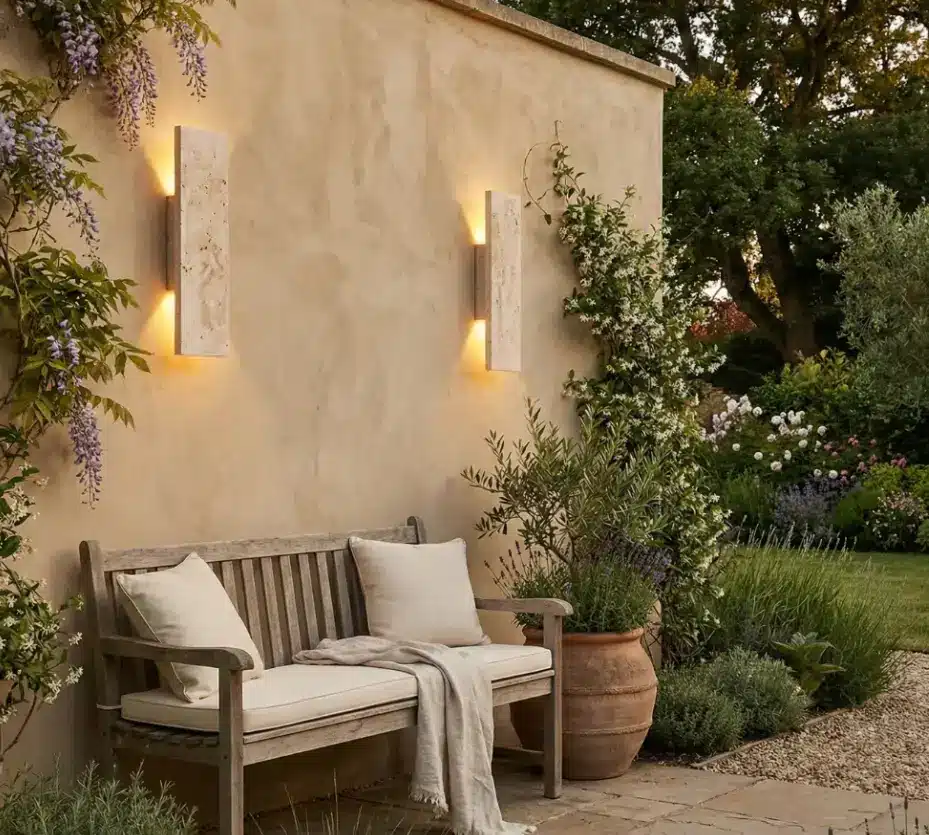
What are the different types of outdoor lights? Exterior lighting can change the way your exterior space looks and feels. Whether you want to make your garden more inviting, improve safety around your property, or highlight your home’s best features, there is a fixture designed for the job. From subtle decorative options to powerful security solutions, understanding the different types available makes it easier to find the right fit for your needs.
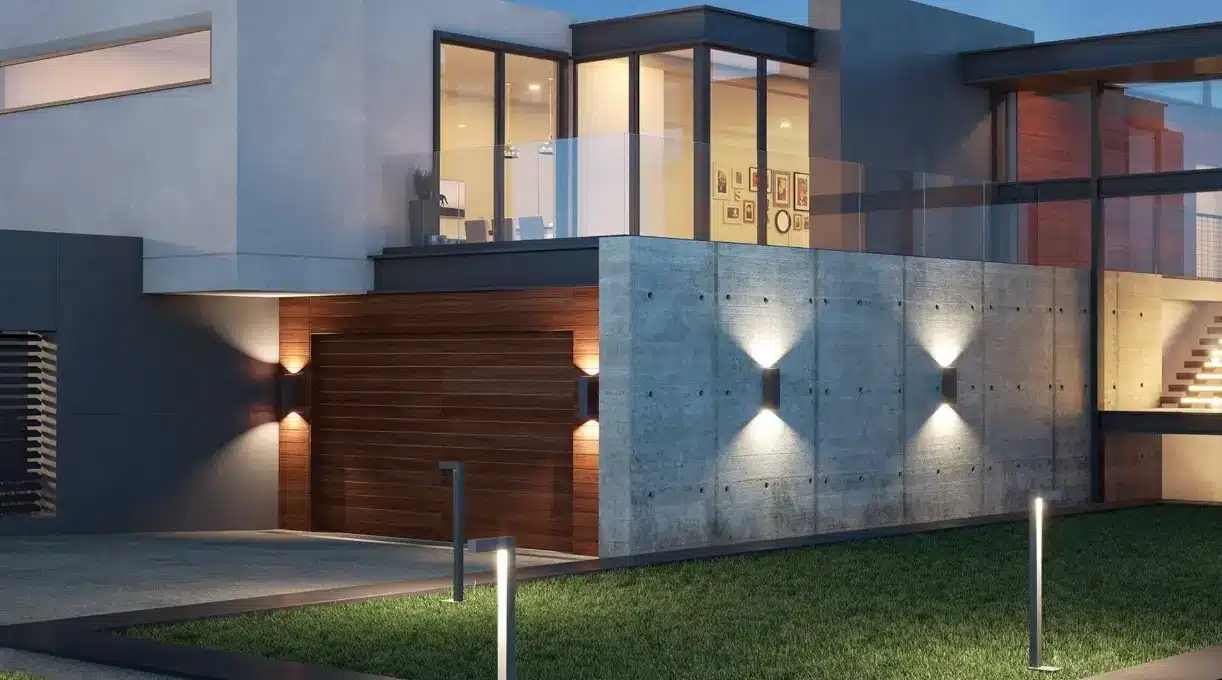
-Wall lanterns: A timeless choice for entrances, porches, and patios, these LED outdoor wall lights add both character and practicality to your home’s exterior. Available in styles ranging from classic farmhouse designs to sleek modern looks, they create a welcoming glow while enhancing your property’s curb appeal.
-Solar fixtures: Solar-powered options are a convenient choice for exterior spaces because they don’t require complicated wiring. By using energy collected from sunlight, they provide an eco-friendly way to brighten pathways, gardens, decks, and other areas while keeping installation simple.
-Landscape lighting: Designed to showcase the beauty of your outdoor features, landscape fixtures help highlight trees, plants, pathways, and architectural details. They add depth and atmosphere to gardens, creating a dramatic look once the sun goes down.
-Floodlights and security fixtures: When visibility and safety are the priority, floodlights provide strong illumination across larger areas such as driveways, yards, and entrances. Many options also include motion sensors, helping improve security by lighting up movement around your property.
-Pathway fixtures: Pathway fixtures make walkways, garden paths, and driveways easier to navigate while adding a decorative touch. Their soft glow creates a warm, inviting route through your exterior space.
-Deck lighting: Perfect for patios, stairs, and outdoor entertaining areas, deck fixtures improve visibility while creating a comfortable atmosphere. They can highlight architectural details and make your outdoor area feel like an extension of your home.
-String lighting: String fixtures are a favorite for creating a relaxed and charming outdoor setting. Draped across patios, pergolas, balconies, or trees, they bring a cozy glow that’s perfect for gatherings and quiet evenings outside.
-Post fixtures: Mounted on pillars or posts, these fixtures provide a stylish way to illuminate driveways, entrances, and pathways. They often pair beautifully with matching wall designs to create a coordinated exterior look.
Choosing the right outdoor fixtures comes down to your goals, whether that’s creating ambiance, improving safety, or highlighting your favorite features. With the right combination, your space can become more functional, comfortable, and enjoyable long after sunset. You can transform your outdoor area into a beautiful space that suits your lifestyle and one you can enjoy throughout the year.