Thinking about upgrading your home can be exciting—until you start listing everything that needs to be done. Suddenly, you’re comparing ideas, researching materials, setting a budget, and wondering where to begin. It’s enough to make many homeowners put the entire project on hold.
The good news is that successful home upgrades rarely happen because someone had all the answers from day one. They happen because the project is broken into manageable steps. Whether you’re refreshing a single room or planning something larger, experienced professionals such as SMC Construction know that careful planning often leads to smoother projects and better results.
Instead of trying to tackle everything at once, focus on creating a clear plan that keeps the process simple and organised.
Start With the Problem, Not the Project
Before looking at paint colours or flooring samples, ask yourself one question:
What am I trying to improve?
Perhaps your kitchen feels cramped, your bathroom lacks storage, or your family has simply outgrown the current layout. Identifying the real problem helps you avoid spending money on upgrades that look great but don’t improve your daily life.
A clear goal makes every decision easier.
Prioritise Your Wish List
It’s easy for one project to grow into five.
Write down every improvement you’d like to make, then separate them into three categories:
- Must-have improvements
- Nice-to-have features
- Ideas for the future
This approach keeps your budget under control while ensuring the most important work gets completed first.
Set a Realistic Budget
Every home upgrade comes with expected and unexpected costs.
When planning your budget, allow room for:
- Materials
- Labour
- Permits if required
- Furniture or appliances
- A contingency fund for surprises
Having a financial buffer can make unexpected expenses far less stressful.
Gather Inspiration Carefully
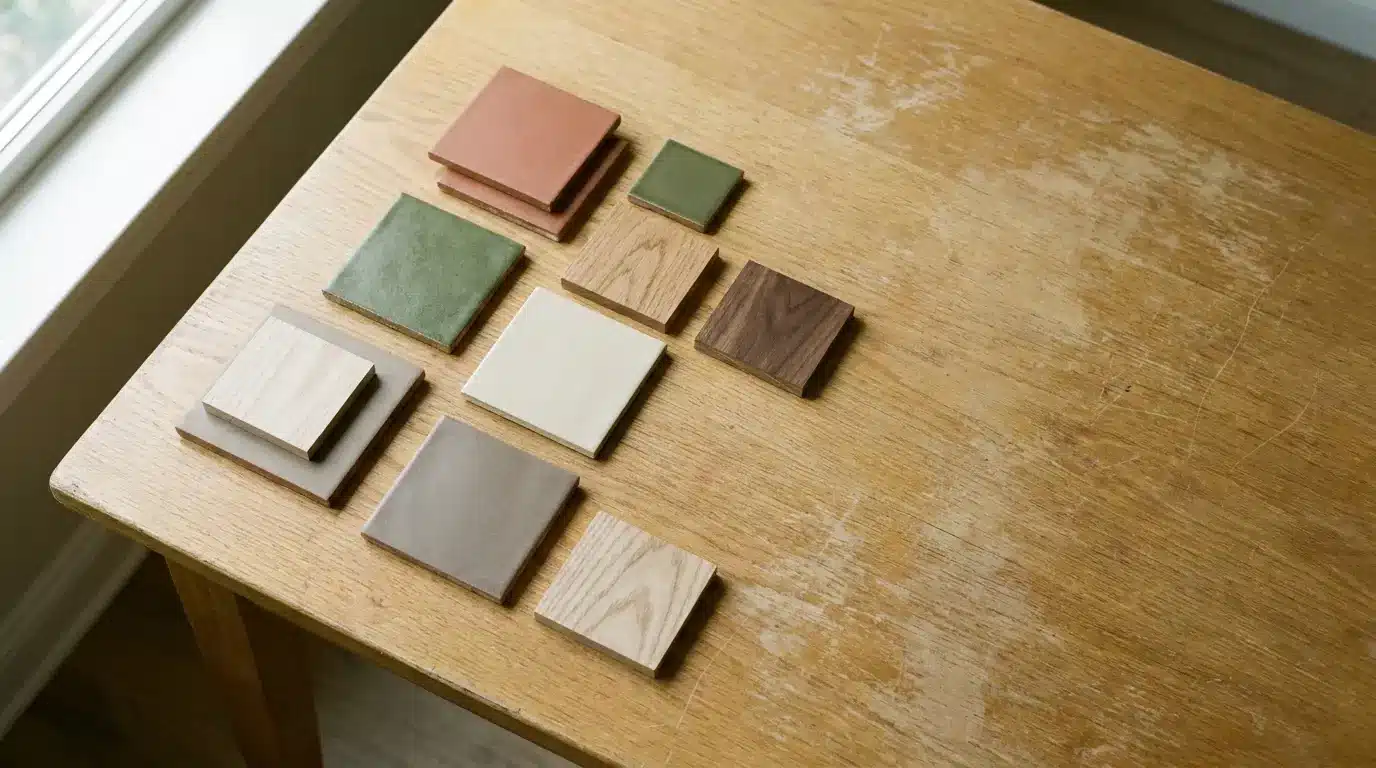
Looking through home magazines and social media can be helpful, but don’t feel pressured to copy every trend.
Instead, collect ideas that match your lifestyle.
Think about how you use each space every day rather than chasing features that simply look impressive online. Timeless, practical choices often provide better long-term value than short-lived trends.
Create a Simple Timeline
Large projects feel much more manageable when they’re broken into smaller milestones.
For example:
- Finalise your goals
- Set your budget
- Research ideas
- Choose professionals
- Confirm materials
- Begin construction
Focusing on one step at a time makes the entire process feel less overwhelming.
Stay Flexible Along the Way
Even the best-planned projects may require small adjustments.
Materials can become unavailable, schedules can shift, or better ideas may emerge once work begins. Remaining flexible helps reduce stress and allows you to make thoughtful decisions instead of rushed ones.
Remember that the goal is creating a home that works better for you—not completing every task exactly as originally planned.
A Little Planning Goes a Long Way
Home upgrades don’t have to feel intimidating. By identifying your priorities, setting a sensible budget, creating a realistic timeline, and taking each step one at a time, the process becomes much easier to manage.
The most rewarding projects are rarely the ones completed the fastest. They’re the ones that have been planned carefully, allowing every improvement to make your home more comfortable, practical, and enjoyable for years to come.