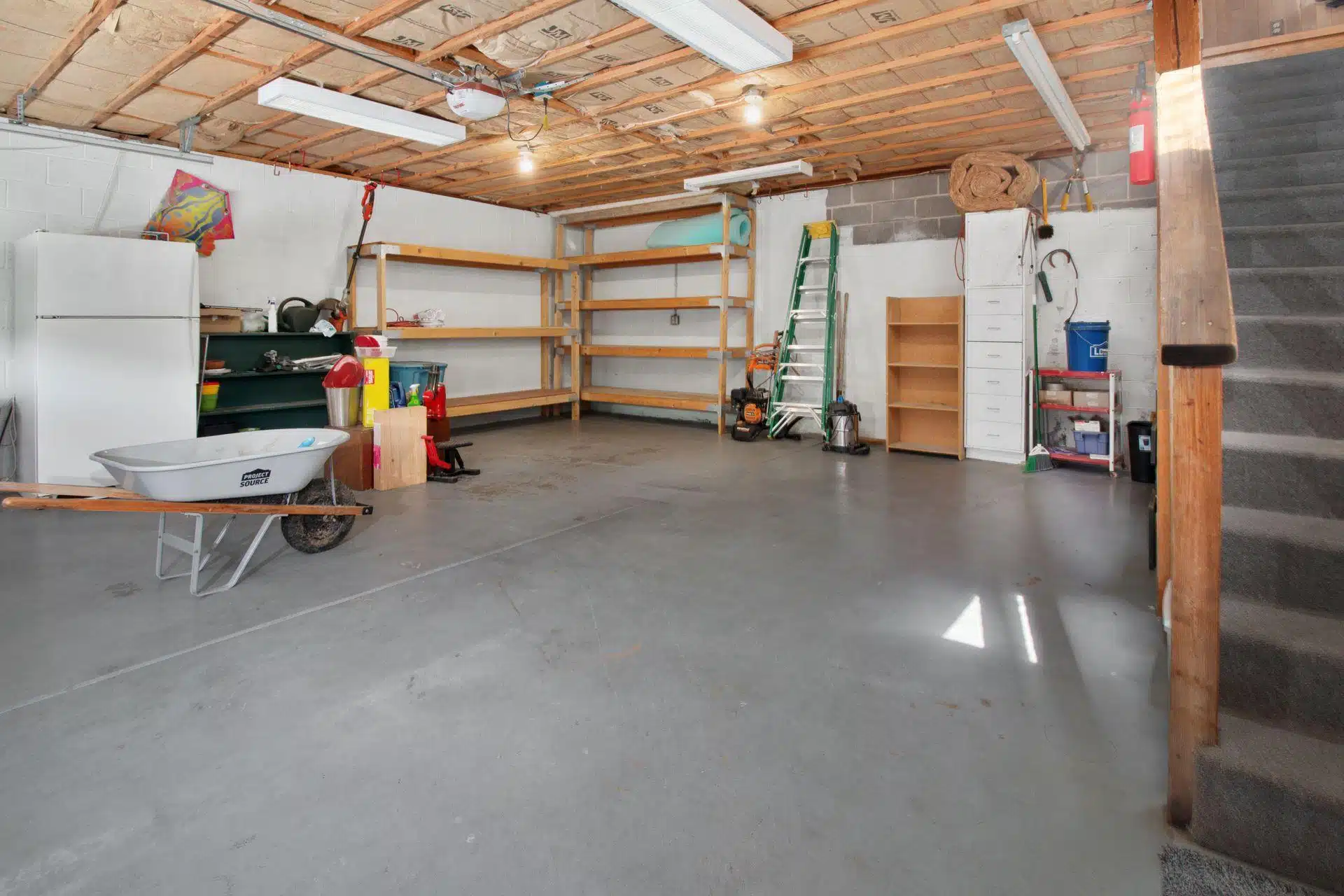
Warehouse operators across Dallas are taking a second look at their pest management agreements.
After years of reactive treatments and standardized monthly visits, many facilities managers now realize the traditional contract model leaves critical gaps when it comes to protecting stored goods, maintaining regulatory compliance, and responding quickly to seasonal pressure from rodents and insects.
The shift is not about finding cheaper service. It is about finding smarter service that matches the actual risks warehouse environments create.
Why Warehouse Pest Risks Differ From Standard Commercial Spaces
When it comes to pest control for warehouses, the risks go far beyond damaged goods, as in fast-moving distribution environments, pests can contaminate inventory, disrupt workflows and create ripple effects across the supply chain, with constant shipments, open dock doors and high product turnover meaning even minor pest activity can affect large volumes of product.
Large square footage allows rodents to establish nesting sites far from human activity, loading docks create frequent openings where mice and rats can enter undetected, and pallet racks and stacked inventory provide hidden voids that offer warmth and concealment. These structural realities make warehouses fundamentally different from restaurants, offices, or retail stores where pest activity is easier to spot and control.
Rodents can carry many diseases that can spread directly or indirectly to people, creating health hazards for employees working near infested storage zones. More urgently,
pests like cockroaches, beetles, and rodents can spoil food, damage packaging, and ruin stored items, leading to health risks and product recalls.
The volume and velocity of goods moving through Dallas distribution centers also raises the stakes.
The Texas climate, with its warm temperatures and humidity, only adds to the challenge by supporting year-round pest activity, meaning operators cannot rely on seasonal slowdowns to reduce pressure.
Common Gaps in Traditional Pest Contracts and What Warehouse Operators Want Instead
Most legacy pest control agreements were written for static commercial buildings with predictable foot traffic and consistent operating hours. Warehouses operate differently. Many facilities run multiple shifts, maintain fluctuating inventory levels, and see constant turnover of pallets, packaging materials, and personnel.
Commercial pest control contracts cover businesses, restaurants, warehouses, hotels, and multi-unit properties, and these agreements are typically more detailed than residential ones, often including compliance documentation, scheduled inspection reports, pest logs, and specific protocols required by health inspectors or industry regulations. Yet warehouse operators report that standard contracts often fail to address loading dock vulnerabilities, overnight rodent activity, or high-risk zones near break rooms and waste disposal areas.
Another frequent complaint involves response time. Traditional monthly or quarterly visit schedules leave long gaps during which new infestations can establish themselves undetected. In sectors like food storage or pharmaceutical distribution, even a few days of delay can trigger audit failures or client contract terminations. Warehouse operators are shifting toward providers offering more responsive or specialized service, and services like PestSanity help businesses compare providers based on certifications, response protocols, and industry-specific expertise rather than price alone.
Contract flexibility is another major issue.
Service frequency depends on facility type, pest pressure, industry requirements, and regulatory standards, with most Dallas food service establishments requiring monthly service at minimum, while warehouses and manufacturing facilities may use monthly or bi-monthly services. Operators want agreements that allow them to scale services up during seasonal surges without paying for unnecessary visits during slower periods.
Documentation is equally critical.
Documentation of a proactive pest management program is critical in a warehousing and logistics environment, as pest management programming has been specifically designed to comply with the various third-party audit requirements and regulatory audits such as FDA and USDA. Contracts that do not clearly outline reporting procedures, monitoring station placement maps, or corrective action protocols create compliance headaches during third-party inspections.
What Modern Pest Management Providers Offer Warehouse Operators
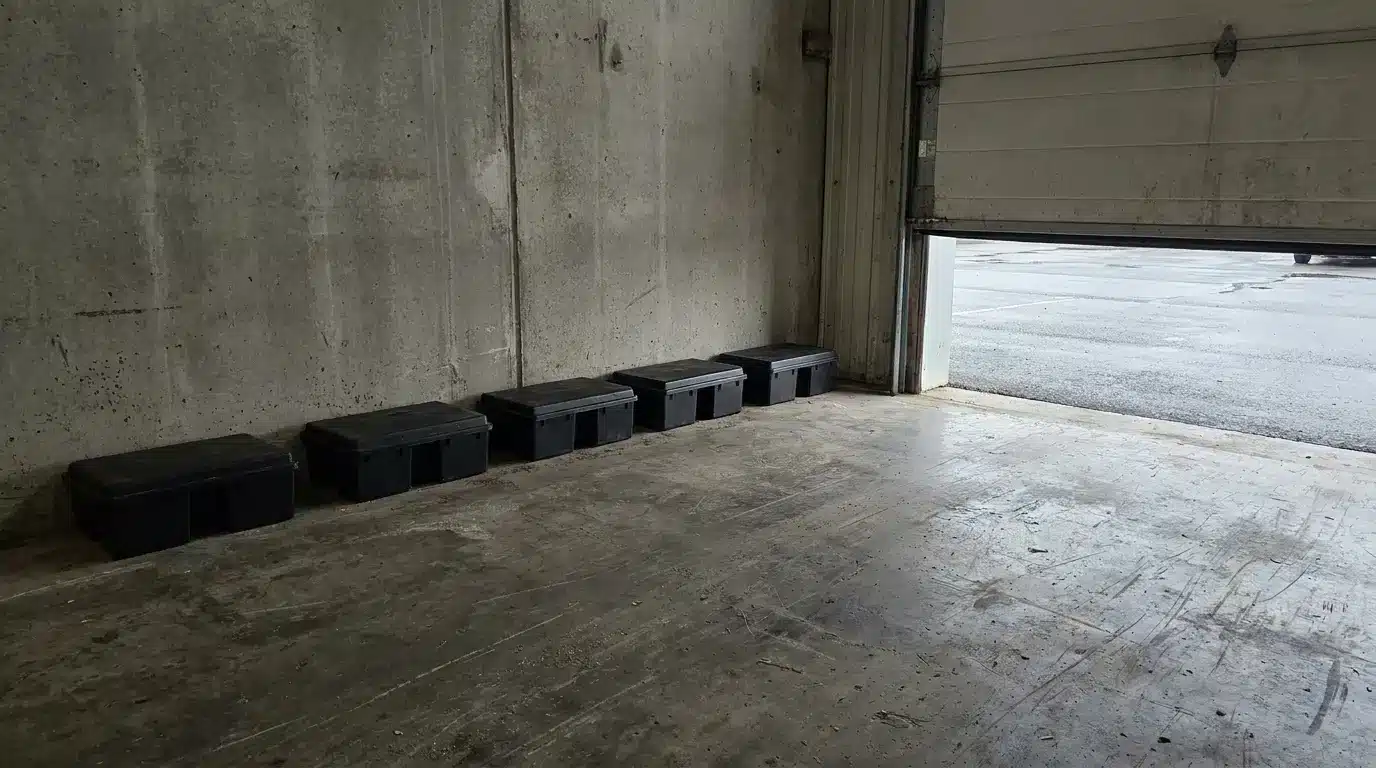
The best warehouse pest programs today go beyond spraying baseboards and replacing bait stations. They begin with a comprehensive facility assessment that maps entry points, identifies harborage areas, evaluates dock door integrity, and reviews sanitation protocols.
Warehouse programs start with a full facility walk-through to map all rodent entry points (typically gaps around dock doors, utility penetrations, and foundation cracks), assess interior harboring areas, identify stored product pest activity in racking systems, and evaluate bird pressure on the roof and loading platforms. This level of detail allows providers to build customized treatment plans that address specific vulnerabilities rather than applying generic solutions.
Modern providers also integrate technology. Digital monitoring stations, real-time activity alerts, and cloud-based reporting platforms give facility managers visibility into pest pressure trends without waiting for monthly service reports.
Warehouse logistics operations rely on this kind of data integration to maintain operational efficiency and reduce costly disruptions.
The National Pest Management Association (NPMA) released the 2016 Pest Management Standards for Food Processing and Handling Facilities, and since 2007, NPMA guidance on pest management in food facilities has been the cornerstone of NPMA’s commercial activities, providing a framework that leading providers now use to structure their warehouse programs around prevention, monitoring, and rapid intervention rather than reactive chemical treatments.
Specialized training matters too. Technicians working in warehouse environments need to understand how stored product pests enter facilities, how to inspect incoming shipments for hitchhiking insects, and how to recommend exclusion measures that do not disrupt daily operations. This expertise is what separates basic pest control from true integrated pest management.
How to Evaluate a Pest Control Partner for Warehouse Operations
Selecting the right provider requires looking beyond price and asking the right operational questions. Start by reviewing their experience with warehouse accounts similar to yours in size, inventory type, and regulatory environment. Ask for references from clients in food distribution, cold storage, or e-commerce fulfillment.
Request a sample service agreement and review it carefully.
Additional important documents include annual service calendars, pest sighting logs, monitoring device placement maps, chemical usage logs with safety data sheets, corrective action reports for identified issues, and compliance certificates for relevant regulations, with many Dallas providers now offering digital documentation systems providing real-time access to complete service histories.
Make sure the contract specifies response times for emergency calls, outlines procedures for after-hours issues, and details what happens if pest activity exceeds acceptable thresholds between scheduled visits.
Evaluate their approach to exclusion and prevention. The best providers will recommend structural repairs, suggest operational changes, and work with your maintenance team to seal entry points rather than relying solely on chemical treatments.
Exclusion recommendations identify and recommend repairs for structural gaps, dock door seals, floor drain covers, and other entry points that are allowing pests access, as exclusion is always more cost-effective than repeated treatment.
Look for providers who offer employee training.
At least once per year, the pest management company should offer to conduct an educational program for plant personnel, with the date, content and list of those who attend the program kept in the plant pest management records, and warehouse staff should be invited and encouraged to participate. Training warehouse staff to recognize early warning signs and report activity quickly can prevent small problems from becoming costly infestations.
Finally, review their reporting and communication practices. Modern providers use mobile apps, online portals, or automated email summaries to keep facility managers informed. Reports should include photos of findings, trend analysis, and clear recommendations for corrective actions. This level of transparency helps operators stay audit-ready and make informed decisions about facility improvements.
Building a Long-Term Pest Management Strategy
Rethinking pest contracts is not a one-time project. It requires ongoing collaboration between facility managers, pest control providers, and warehouse operations teams. The most successful programs involve quarterly business reviews where service data is analyzed, seasonal risks are anticipated, and contract terms are adjusted based on performance.
Investing in preventive infrastructure pays dividends over time. Upgraded dock seals, improved waste management protocols, and regular staff training all reduce pest pressure and lower long-term treatment costs. The partnership model works best when both parties view pest management as a shared operational priority rather than a transactional vendor relationship.
Dallas warehouse operators who have made this shift report fewer audit findings, reduced product loss, and greater confidence in their ability to meet client and regulatory expectations consistently.