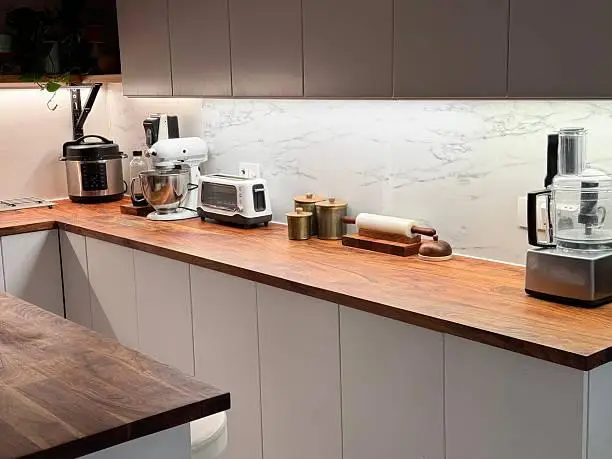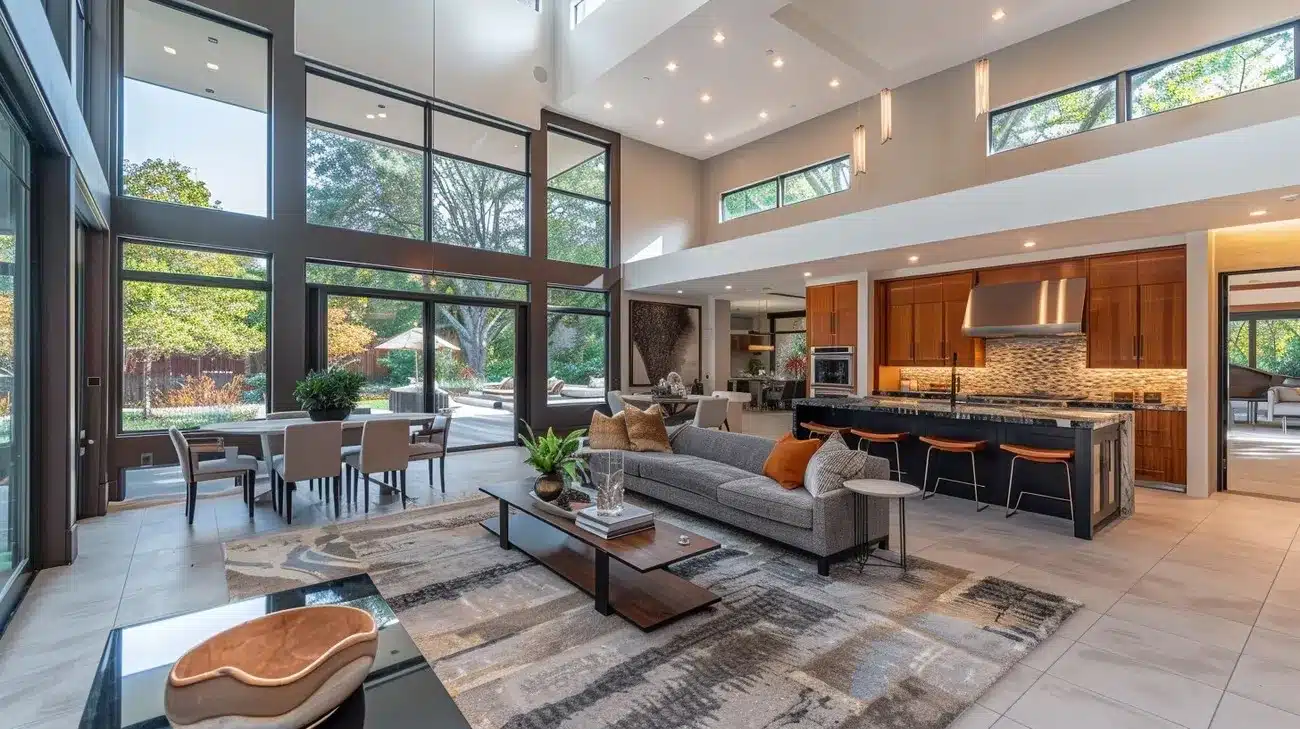
Have you ever walked into a house and instantly felt a sense of calm and quiet wealth? People often rush to pick out fancy light fixtures, deep sofas, or trendy floor tiles during a remodel.
Real, lasting luxury comes from structural flow, natural light, and the physical details you notice right away. Focusing on the layout and foundational elements first makes your design look entirely seamless.
This guide breaks down essential luxury home renovation ideas and luxury home additions that improve your space. You will also find real project costs and smart planning tips to get the highest value from your build.
Core Upgrades that Make a Home Feel Luxurious
Luxury home design starts with structural upgrades that define space, light, comfort, and long-term quality of life before decorative elements are even considered.
- High Ceilings: High ceilings improve airflow, enhance natural light distribution, and make every room feel significantly larger, more open, and architecturally premium.
- Solid Core Doors: Solid core doors add weight, improve sound insulation between rooms, and instantly make interiors feel more private, stable, and high-end.
- Large Windows: Large windows maximize natural daylight, reduce dependency on artificial lighting, and create a strong visual connection between indoor and outdoor living spaces.
- Heated Floors: Heated floors provide consistent warmth from the ground up, eliminate cold bathroom surfaces, and enhance comfort during colder seasons without visible systems.
- Built-Ins: Built-in storage integrates directly into walls, reduces clutter from standalone furniture, and creates a seamless, custom-designed interior appearance throughout the home.
- Smart Home Wiring: Smart home infrastructure enables centralized control of lighting, climate, and entertainment systems, but requires proper hidden wiring installed during early construction phases.
These foundational upgrades define the overall quality and experience of a luxury home before any decorative styling decisions are made.
Luxury Home Renovation Ideas and Additions
Each upgrade affects more than appearance. It directly improves how you live in the space and how future buyers value it. The ideas are ranked from essential impact to premium luxury additions.
1. Gourmet Chef’s Kitchen
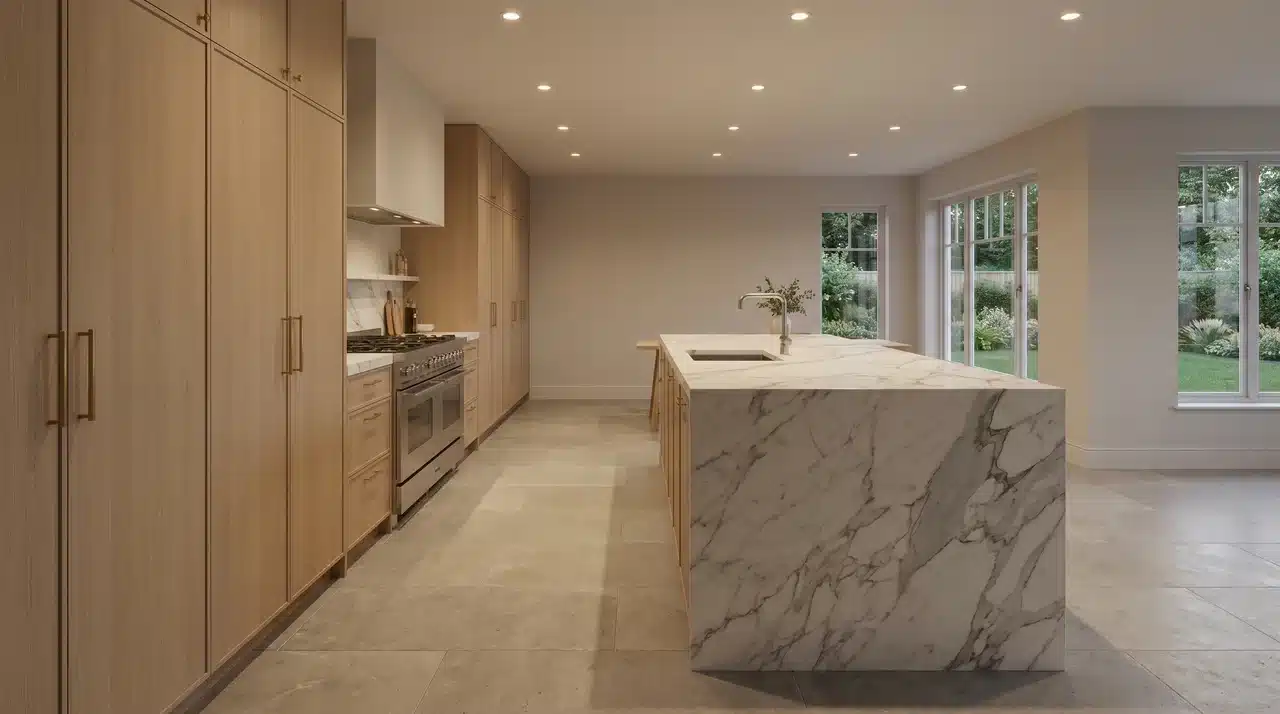
The kitchen is the center of daily life and needs professional tools to match. You can install integrated appliances like a large gas range and a built-in coffee system.
Adding a marble island with waterfall edges creates a beautiful focal point. A walk-in pantry keeps your counters completely free of mess. This project makes cooking easier and elevates the style of your entire home.
Tip: Choose durable stone slabs like quartz or quartzite for your counters so they resist stains and heat from heavy daily cooking.
2. Spa-Inspired Primary Bathroom
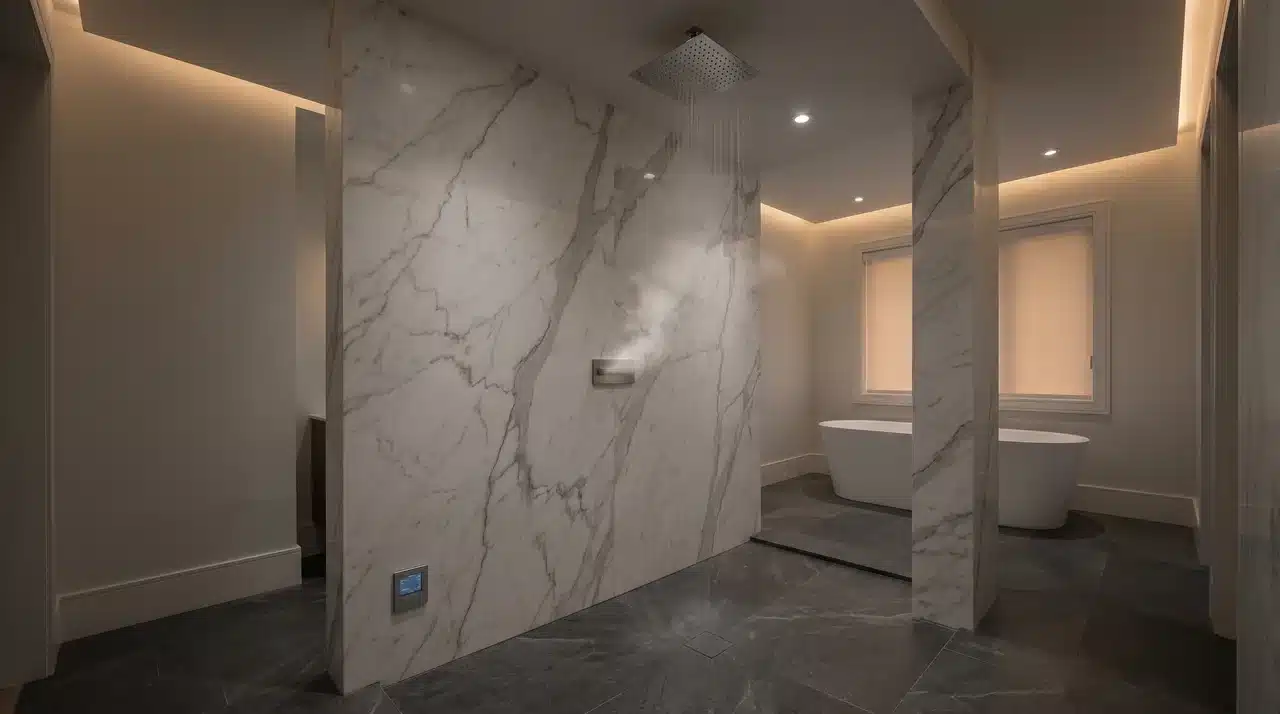
A master bathroom should feel like a private resort where you can relax after a long day. You can achieve this by installing large porcelain slabs from the floor to the ceiling.
Add a deep soaking tub and a walk-in steam shower with a rain showerhead. Heated floors and warm towel racks make your morning routine feel incredibly comfortable and fancy.
Tip: Install a digital valve system in your shower to preheat the water to your exact favorite temperature automatically.
3. Custom Walk-In Closet and Dressing Room
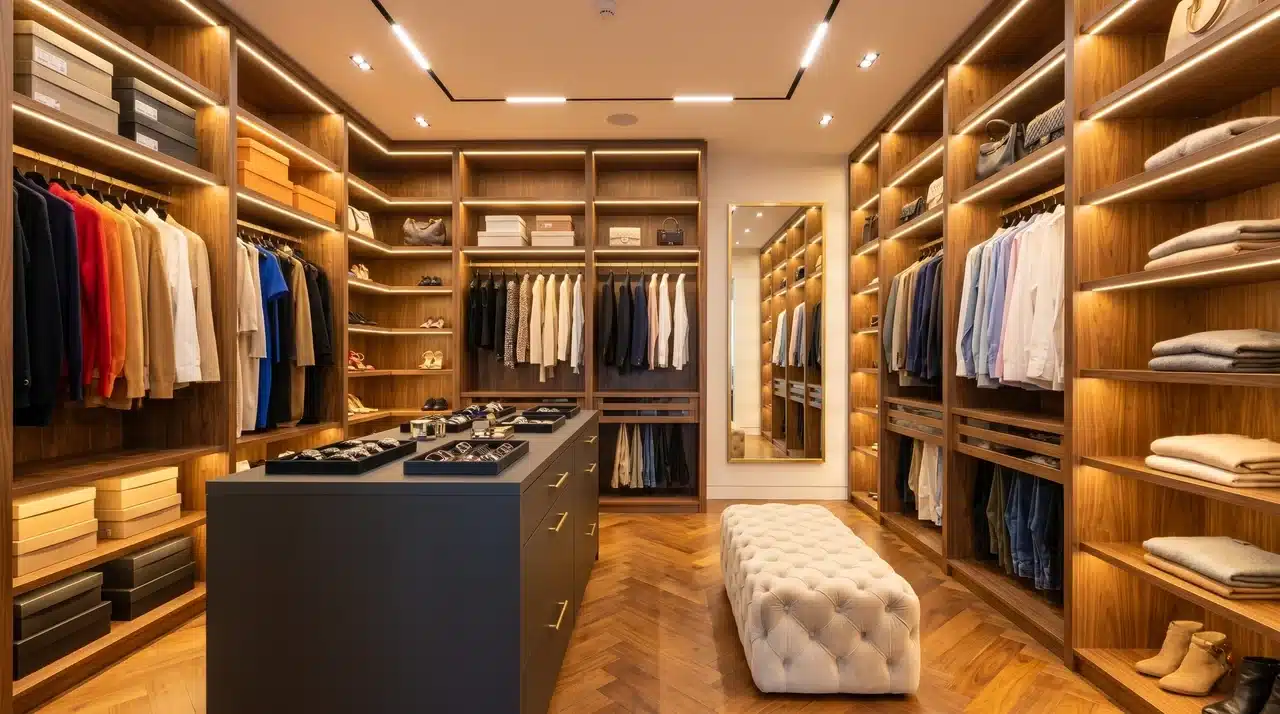
A luxury closet is much more than just a place to hang up your daily outfits. It functions as a private dressing room with custom wood shelving built all the way to the ceiling.
You can add a central drawer island with velvet lining to protect your favorite watches and jewelry. Bright LED lighting tracks help you see colors clearly while choosing your clothes.
Tip: Place a small ottoman or a plush chair in the center of the room to make putting on shoes comfortable.
4. Bespoke Home
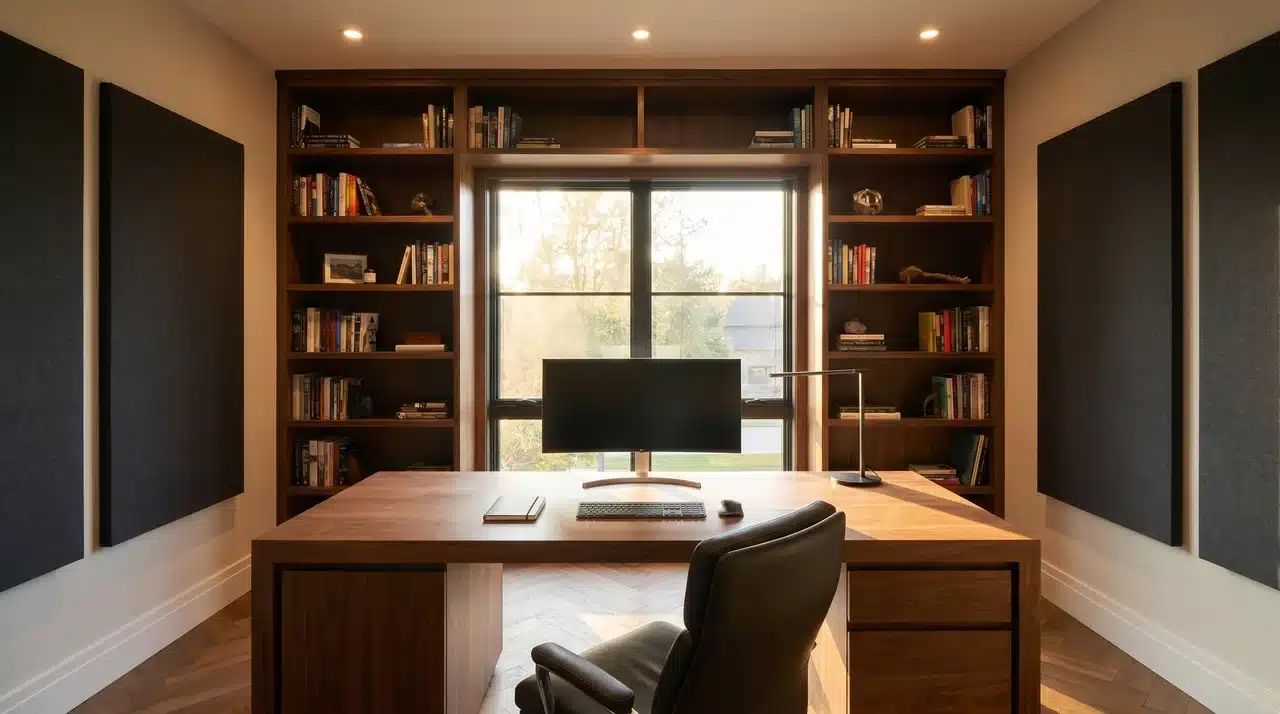
Working from home requires a quiet space that looks professional and keeps you focused throughout the day. You can build custom bookshelves along the walls and install a heavy desk made for the space.
Adding acoustic wall panels blocks outside household noise during important video calls. A large window ensures you get plenty of natural sunlight while you work.
Tip: Run all your computer power cables inside the desk legs to keep your workspace looking clean and organized.
5. Smart Home Integration
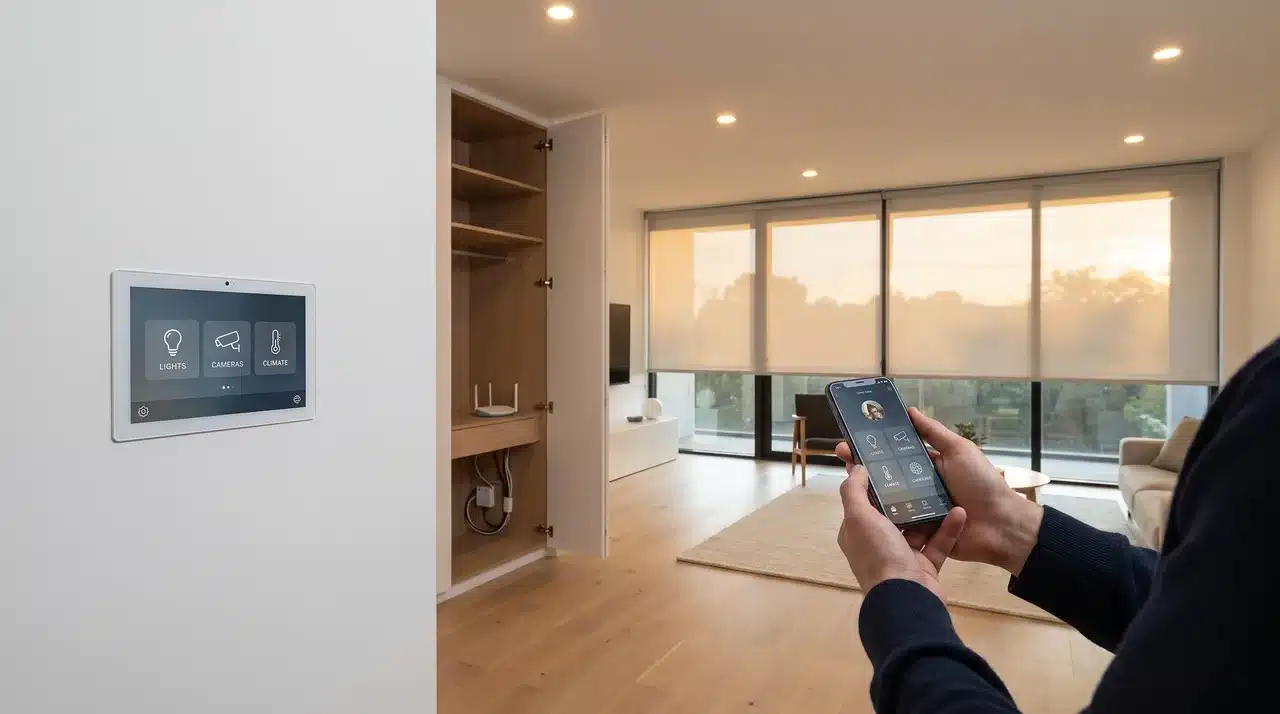
True luxury home renovation projects include technology that seamlessly connects all the systems in your home.
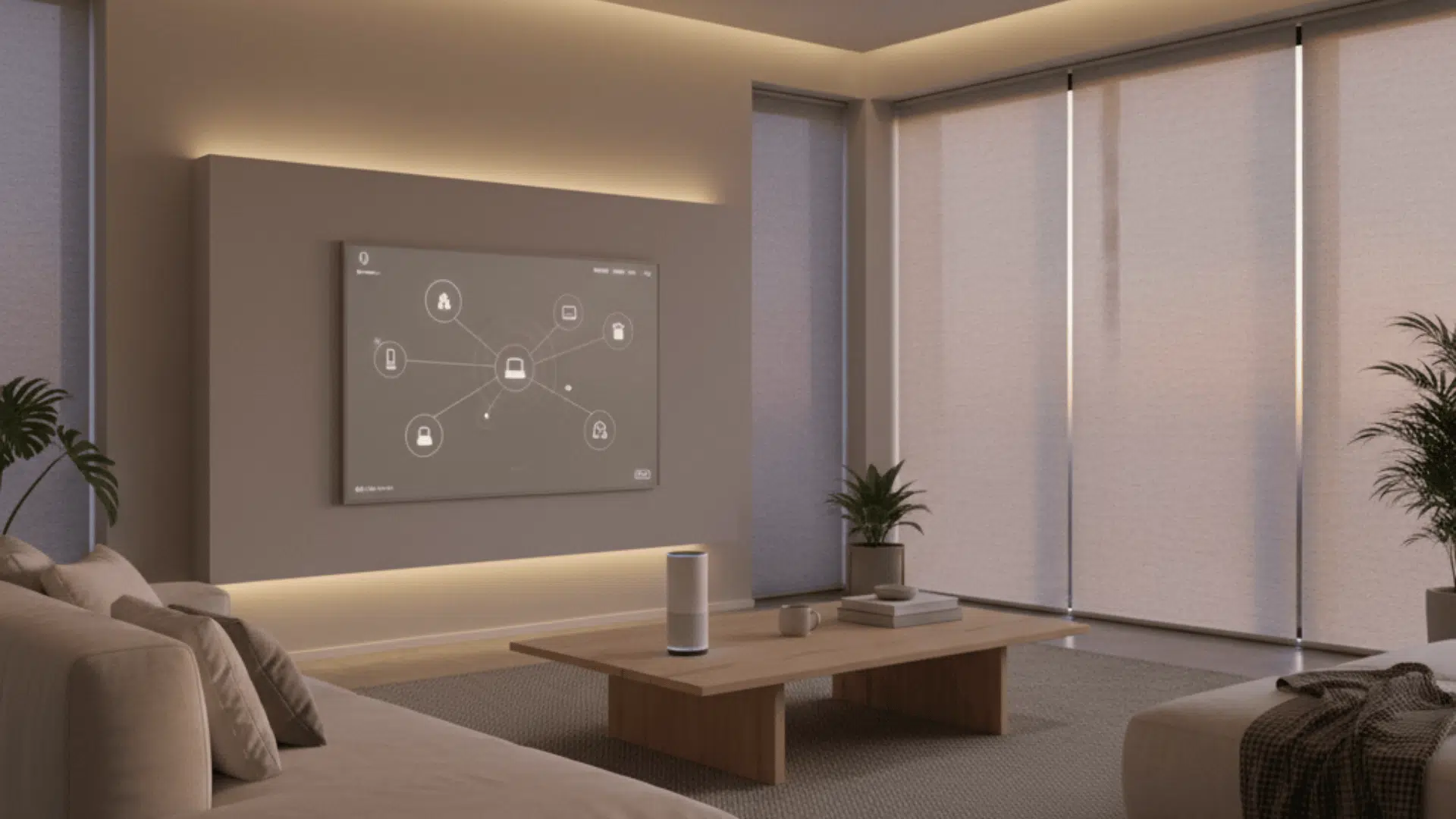
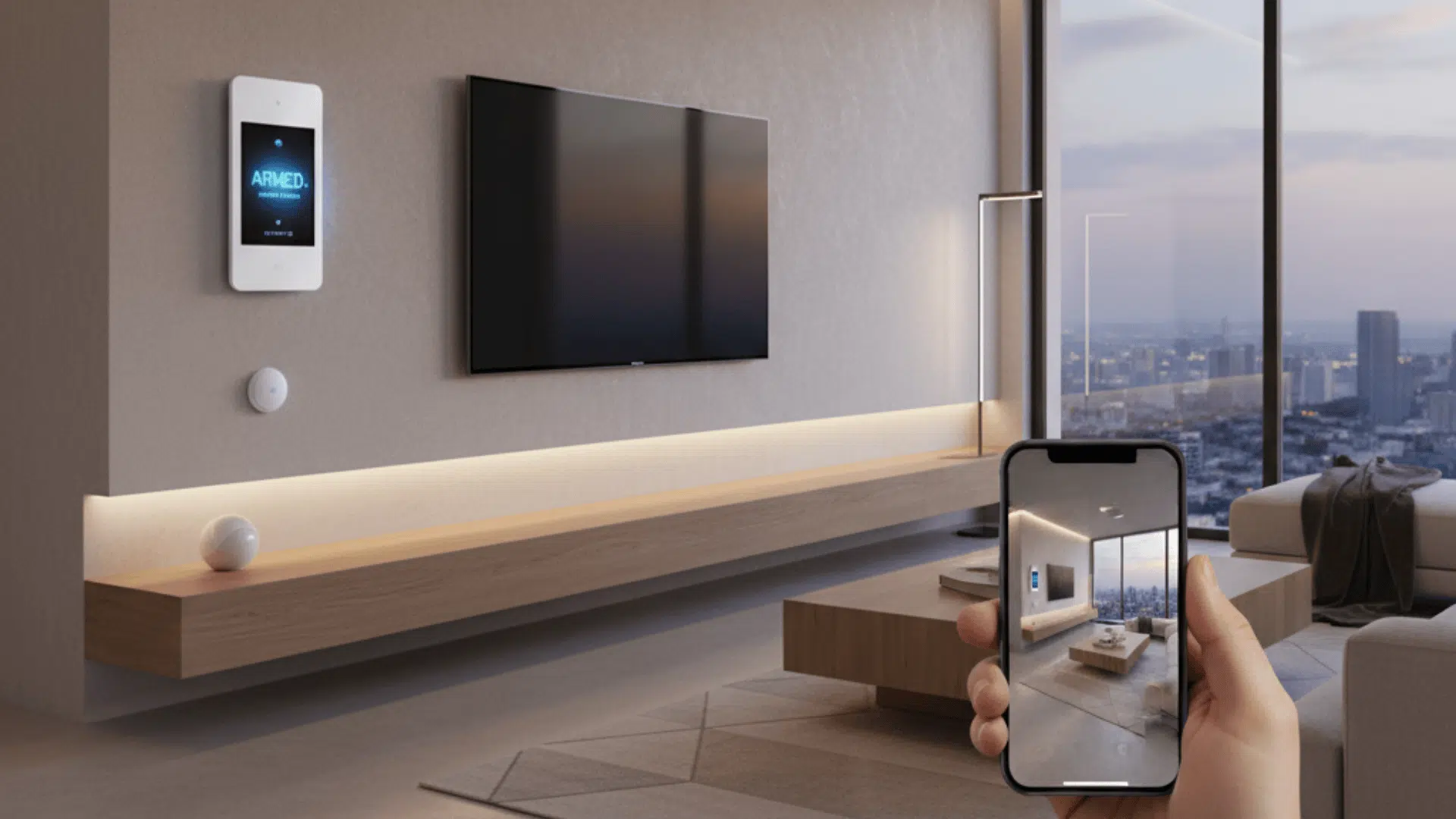
The wall panel controls the lights, cameras, and climate from a single screen. The router sits neatly inside a central closet, keeping the signal strong throughout the entire home. Automated roller shades descend as the sun shifts, managing heat without touching a single switch.
Renovation Tip: Place your main system routers in a central closet so your internet signal stays strong across the whole property.
6. Home Theater or Media Room

A dedicated media room brings the excitement of a real movie theater directly into your private home. You should install special soundproofing inside the walls so the audio does not disturb other family members.
Use a high-quality laser projector and a massive screen for the best picture. Plush reclining chairs arranged on tiered rows ensure everyone gets a perfect view.
Tip: Use matte dark paint on the walls and ceiling to prevent light reflection from ruining your movie picture quality.
7. Conservatory or Glass Sunroom
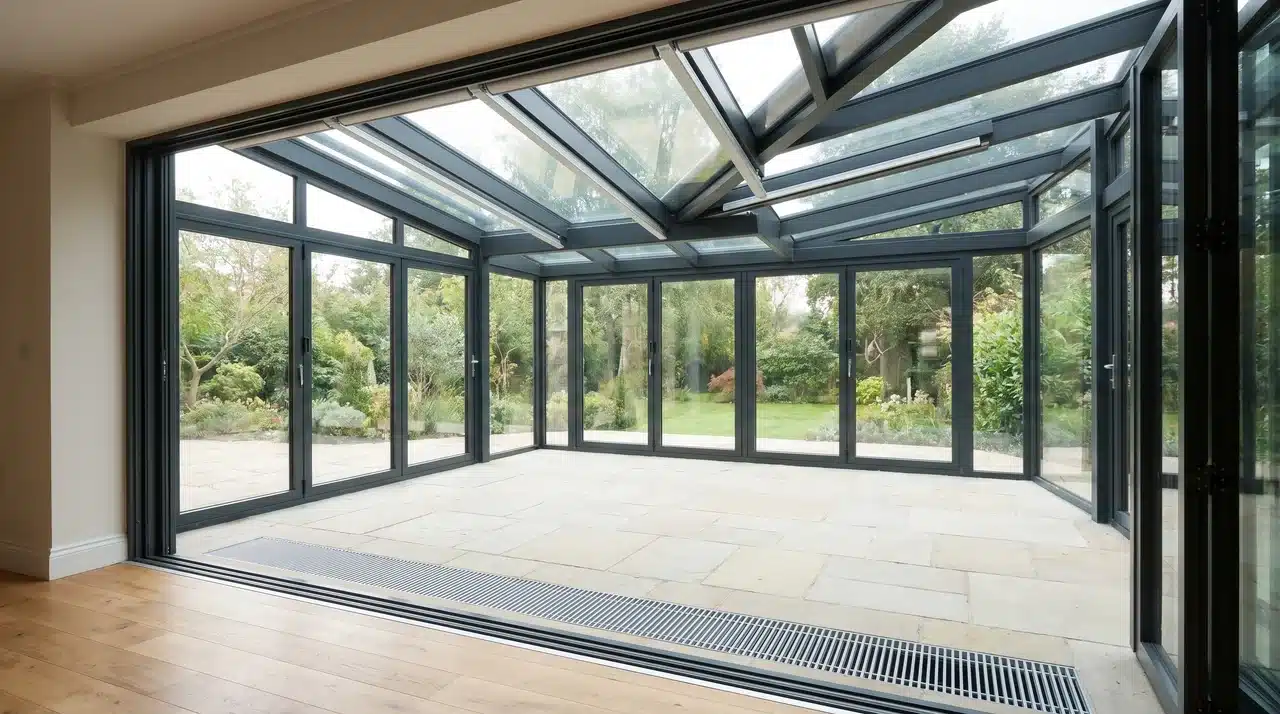
A glass sunroom is one of the most beautiful luxury home additions you can build on your property. This bright space features large windows that let in natural light while keeping you safe from bugs and bad weather.
You can use this room as a peaceful indoor garden or a bright reading lounge that connects you directly to nature.
Tip: Use special double-pane glass with UV protection so your furniture does not fade from the strong afternoon sun.
8. Alfresco Kitchen and Outdoor Living
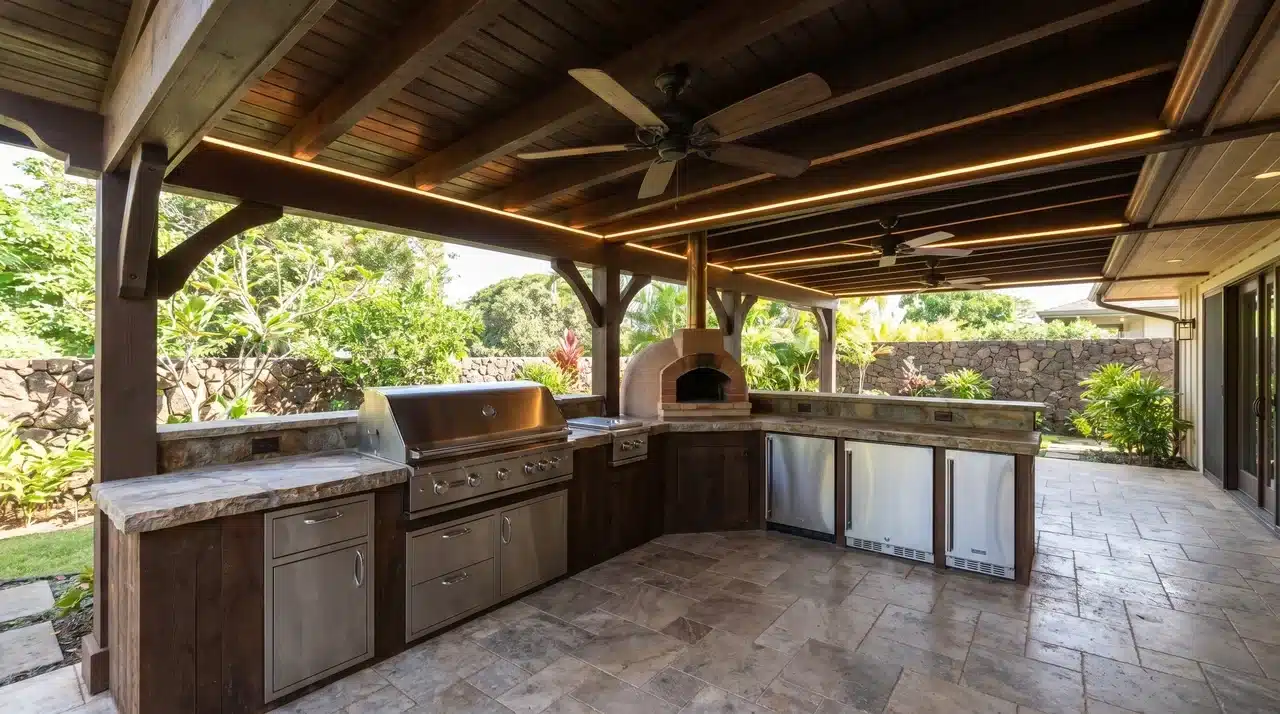
Transforming your backyard involves creating an outdoor living space that feels just like a comfortable indoor living room. You can build a sturdy patio cover and install a full outdoor kitchen with a built-in grill and small fridge.
Adding a stone fireplace or a brick pizza oven makes this area the perfect spot for hosting weekend dinners.
Tip: Choose marine-grade stainless steel for your outdoor cabinets so they never rust during heavy monsoon rains or winter humidity.
9. Custom Home Gym
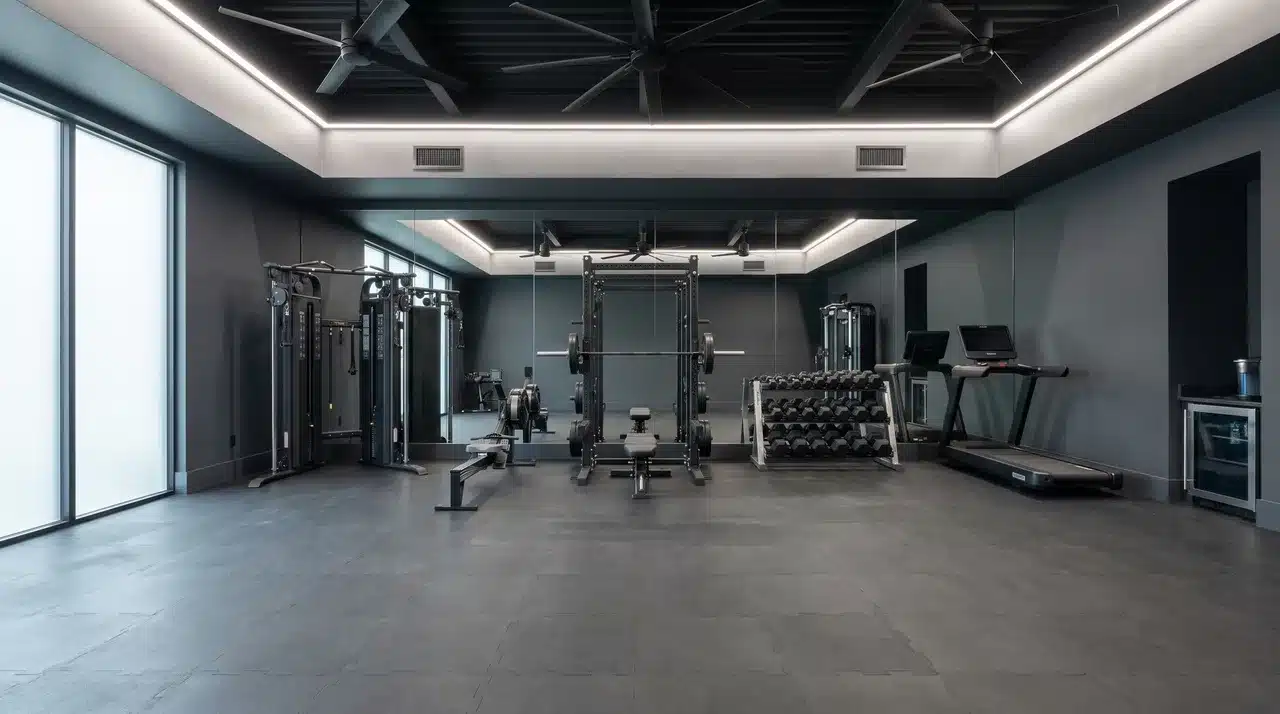
A premium home gym saves you time on travel and keeps you healthy in a space designed just for you. You can install impact-absorbing rubber floors to protect your joints during heavy workouts.
Add floor-to-ceiling mirrors on one wall to check your form while exercising. Proper ventilation keeps the air moving so the room always smells fresh and clean.
Tip: Install a small beverage fridge to keep cold water and sports drinks close by during your intense workout routines.
10. Sunken Wine Cellar
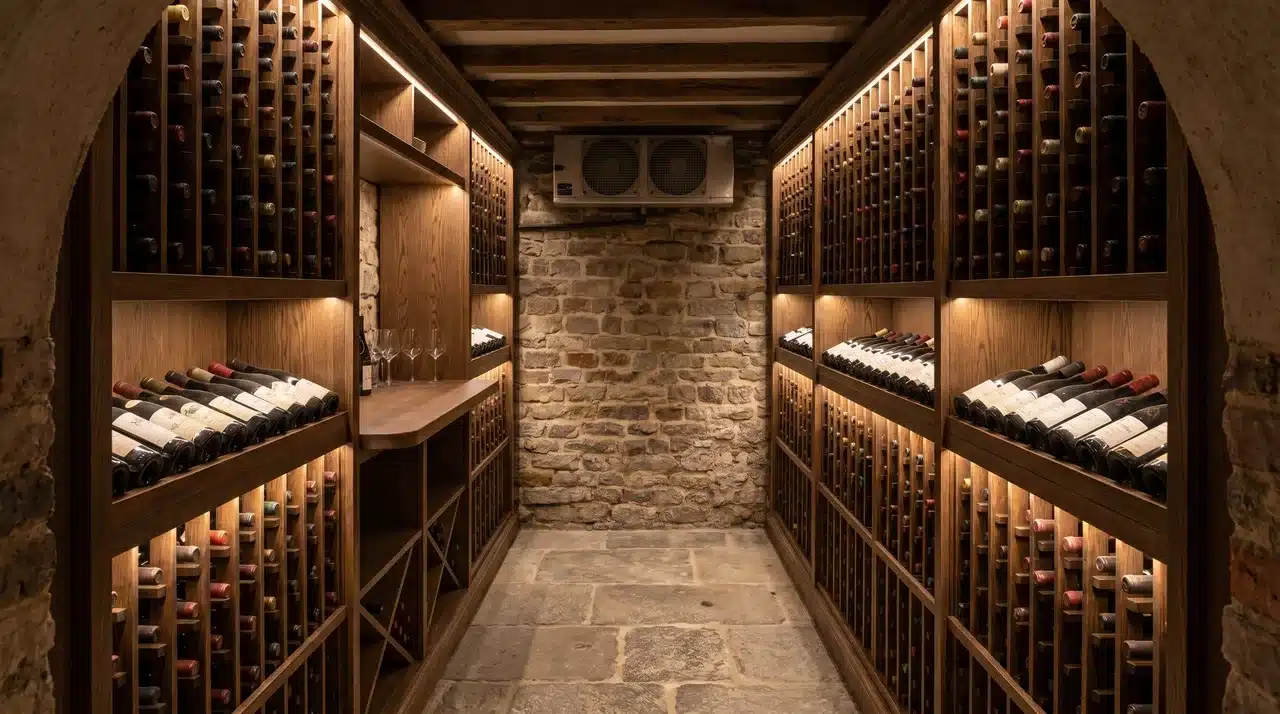
A dedicated wine cellar is an excellent addition for homeowners who love collecting and hosting tasting parties. You need a specialized climate-control system to keep the room at a steady temperature.
Custom wood or metal racks hold your bottles safely while soft LED lights showcase your collection beautifully behind a thick glass viewing wall.
Tip: Make sure the door has a tight rubber seal to prevent outside air from altering the room’s humidity level.
How Much Does Home Renovation Cost?
Before breaking down your budget, it helps to look at the typical per-square-foot baseline expenses that shape modern home remodeling.
Home renovation costs vary widely depending on project scope, materials, and location:
| # | Project | Cost Range (USD) | Key Price Drivers |
|---|---|---|---|
| 1 | Gourmet Chef’s Kitchen | $65,000–$200,000 | Pro appliances (Wolf, Sub-Zero), custom vs. semi-custom cabinetry |
| 2 | Spa-Inspired Primary Bathroom | $35,000–$150,000 | Steam generator, large-format tile, digital valve system |
| 3 | Custom Walk-In Closet | $20,000–$80,000 | Solid hardwood vs. MDF shelving, integrated LED lighting |
| 4 | Bespoke Home Office | $15,000–$60,000 | Built-in millwork, acoustic panels, smart glass windows |
| 5 | Smart Home Integration | $15,000–$150,000 | Platform choice (Control4, Crestron, Savant), number of subsystems |
| 6 | Home Theater / Media Room | $20,000–$100,000 | Acoustic treatment, laser projector vs. LED cinema screen |
| 7 | Conservatory / Glass Sunroom | $50,000–$150,000 | Structural glazing type, UV double-pane spec, HVAC |
| 8 | Alfresco Kitchen & Outdoor Living | $15,000–$100,000 | Cover structure, marine-grade cabinetry, masonry features |
| 9 | Custom Home Gym | $15,000–$70,000 | Rubber flooring, mirror wall area, HVAC upgrade |
| 10 | Sunken Wine Cellar | $30,000–$200,000 | Climate control unit, custom racking, basement conversion scope |
These baseline estimates show that structural work and heavy plumbing changes always demand a larger financial investment than cosmetic room transformations.
Reviewing these numbers carefully helps you set a sensible spending limit with your general contractor before structural demolition work begins.
How to Sequence Your Renovation Spending
Renovation spending works best when structured in a logical order, starting from core construction elements and gradually moving toward finishes and lifestyle upgrades.
- Start with structural changes: Begin with ceilings, layout modifications, insulation, and window upgrades because these define the home’s foundation and cannot be easily changed later.
- Install core systems first: Complete electrical wiring, plumbing lines, HVAC systems, and smart home infrastructure before any interior finishes to avoid costly rework later.
- Upgrade essential rooms next: Focus on kitchens and bathrooms first since they deliver the highest functional impact, daily usage value, and long-term property return.
- Complete the main living areas: Once the structure and systems are stable, invest in flooring, lighting, and built-in storage to create cohesive, usable living spaces.
- Add premium finishes afterward: Install visible materials like countertops, tiles, and decorative surfaces at this stage to ensure they sit on a fully stable base.
- Plan lifestyle spaces last: Home gyms, theaters, wine rooms, and specialty spaces should come in final phases after essential construction and primary living areas are complete.
Better sequencing keeps costs stable, limits rework, and improves overall return on investment across the build process.
Conclusion
A high-end home transformation requires making choices in the right order. You learned how prioritizing structural upgrades, setting realistic budgets, and picking the right lifestyle additions can elevate your entire living space.
Focusing on your home’s bones ensures that your investment brings lasting value and daily comfort. Now that you know how to build a strong foundation for your project, you can confidently turn your vision into a reality.
If you’re ready to plan your renovation properly, not just browse ideas, speak with a licensed design-build firm in your area. Bring your phasing questions.
Bring your budget range and let the structure lead; the rest follows naturally.
Frequently Asked Questions
Does a luxury home addition increase property value more than a renovation?
Generally yes. Additions create new square footage that appraisers can value directly. Renovations improve existing space but are limited by your neighbourhood’s price ceiling.
What is the most valuable luxury renovation for resale?
Kitchens and primary bathrooms consistently return the most at resale. The condition is that materials match the home’s existing tier. A Calacatta marble bathroom in a mid-range home won’t recover its full cost. The renovation has to belong in the house it’s in.
How long does a luxury home addition typically take?
Most additions take 6 to 18 months from permit approval to completion. Design and permitting add another 2 to 6 months before work begins. Anything involving foundation work or complex structural changes sits at the longer end. Plan for the full timeline before committing to a move-out date.