Indoor air quality rarely gets the attention it deserves. Most people notice dust gathering on a shelf or a lingering cooking smell, but far fewer stop to consider what’s actually circulating through the air itself—a mix of particles, gases, and moisture-related contaminants coming from everyday sources like cooking, cleaning products, building materials, pets, and even outdoor air that drifts inside. Since many homes don’t exchange much air with the outdoors, pollutant levels indoors can climb higher than most people expect. Improving the situation generally comes down to three complementary strategies: source control, ventilation, and filtration. Filtration devices, including an air purifier, can supplement these broader strategies when a pollutant source can’t be fully eliminated—though it’s worth noting that no single device or action solves every indoor air concern on its own. The right combination really depends on the pollutant involved and the specifics of the home.
Understanding Common Indoor Air Pollutants
Indoor air pollutants generally fall into a handful of broad categories. Particles include dust, pollen, pet dander, smoke, and the fine particulates released during cooking. Biological contaminants—think mold, bacteria, and dust-mite allergens—tend to thrive wherever conditions stay damp. Gases and vapors, including volatile organic compounds, come from paints, furnishings, and cleaning products. Combustion pollutants, such as carbon monoxide and particulate matter, originate from fuel-burning appliances, fireplaces, candles, and tobacco smoke.
These categories don’t all respond the same way to the same fixes. A filter built to capture particles may do almost nothing against gaseous pollutants, which usually call for ventilation, source removal, or specialized adsorptive media instead. Public-health and building-science organizations—including the U.S. Environmental Protection Agency, the Centers for Disease Control and Prevention, and ASHRAE—offer guidance that helps distinguish which pollutants respond to filtration and which require an entirely different approach.
Start With Source Control
Reducing a pollutant at its source is typically the most effective first move. Practical steps include avoiding smoking or vaping indoors, running exhaust fans during cooking and bathing, storing solvents and pesticides according to label instructions, repairing leaks promptly, and keeping fuel-burning appliances and chimneys well maintained.
Take a household dealing with recurring cooking smoke as an example. Running a range hood that vents outdoors, cracking a window during high-heat cooking, and tweaking cooking methods will usually do more good than relying on a filtration device alone—smoke particles and gases keep getting generated at the source, after all, so the device is constantly playing catch-up.
The first question worth asking: What’s producing the pollutant, and can that source be removed or reduced?
Improve Ventilation Safely
Ventilation works by diluting indoor pollutant concentrations with outdoor air. That might mean opening windows when weather and outdoor air quality cooperate, using exhaust fans, or leaning on mechanical ventilation in homes that are more tightly sealed. Exhaust ventilation pulls air out of a specific room, supply ventilation brings outdoor air in, and balanced ventilation handles both at once.
That said, ventilation isn’t always the right call. During wildfire smoke events, high pollen counts, extreme temperatures, or outdoor pollution episodes, opening windows can actually bring in more contaminants than it removes. It’s also worth remembering that ventilation dilutes pollutants rather than eliminating their source—or capturing whatever’s already lingering indoors.
Use Filtration as a Supplement
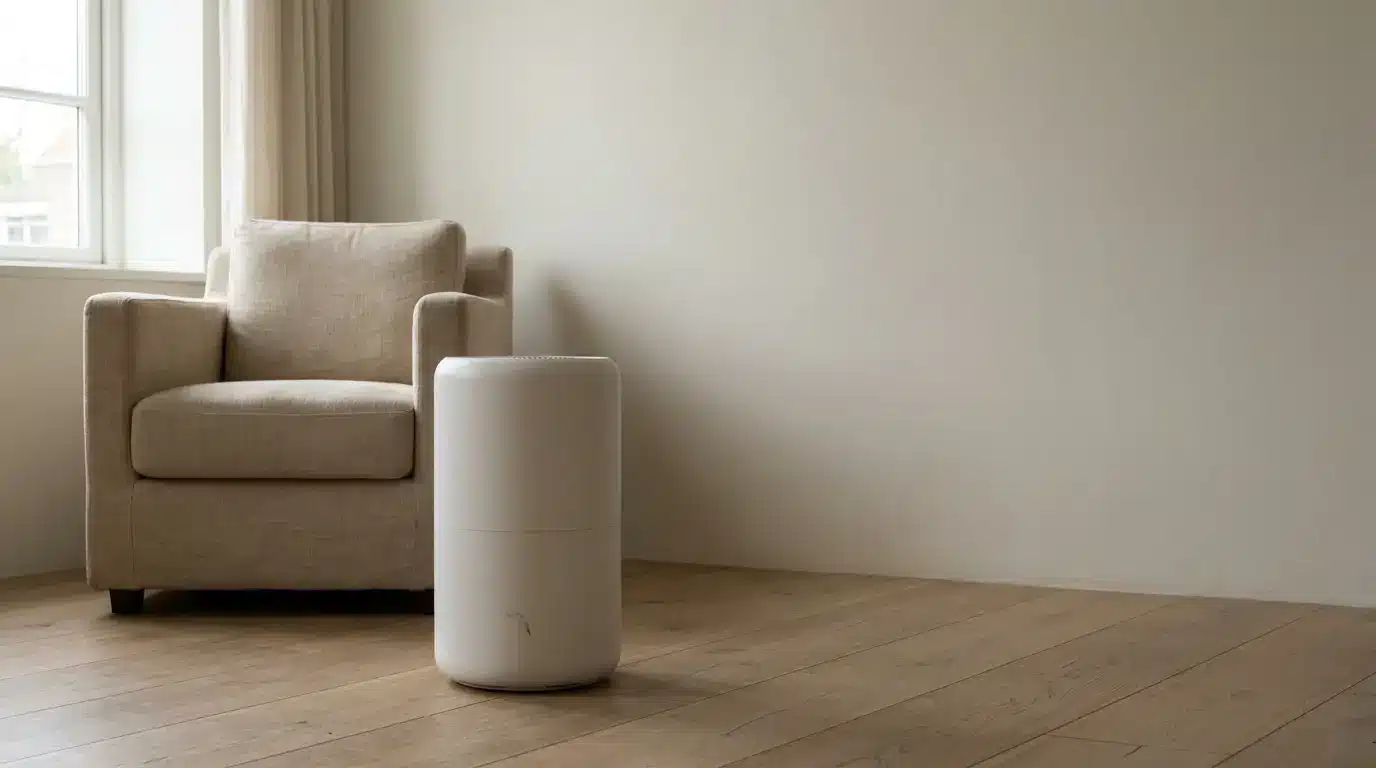
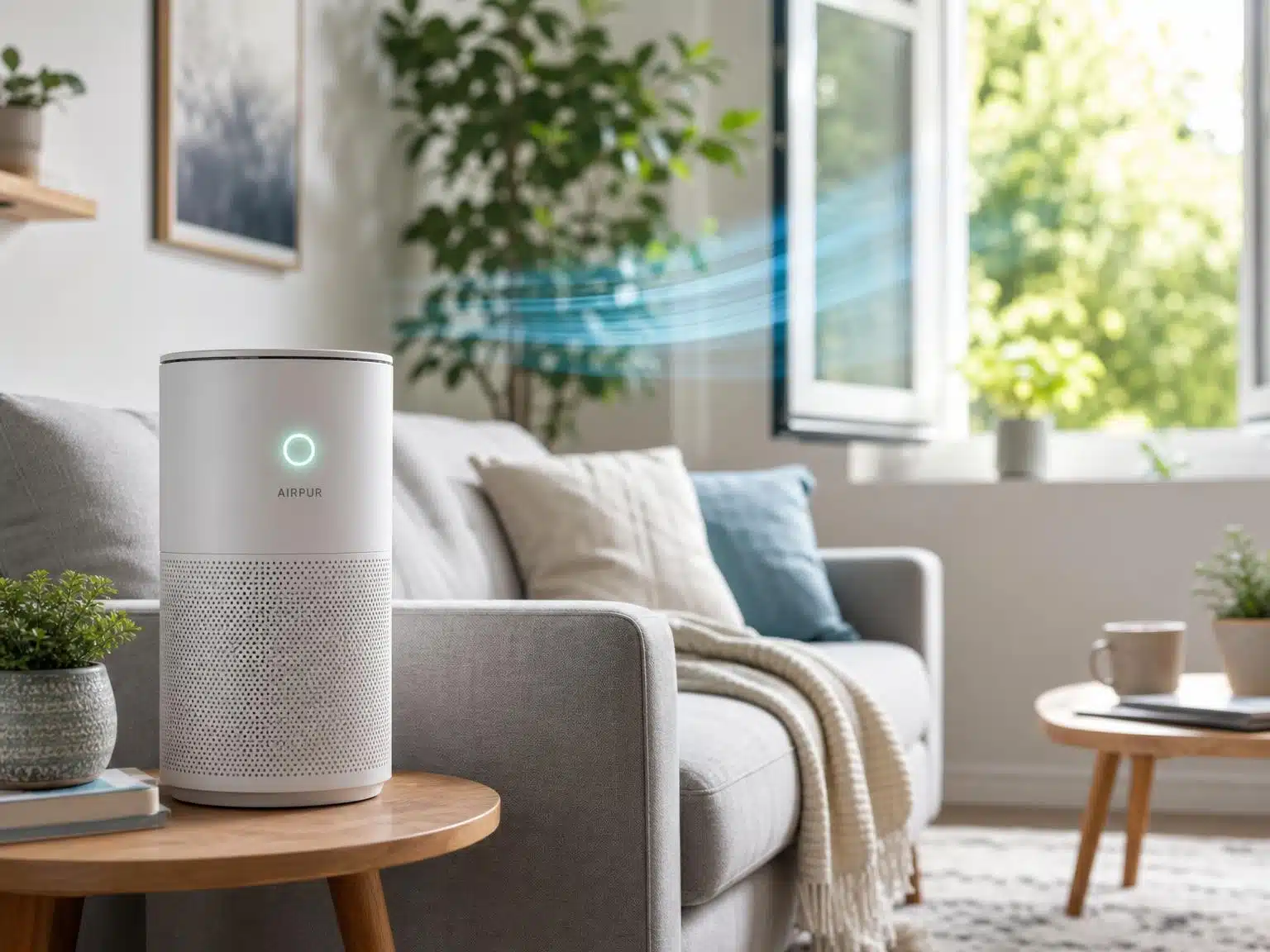
Filtration—whether through a portable unit or a central HVAC filter—plays a supporting role rather than standing in for source control and ventilation. Portable units typically handle a single room, while HVAC filters work through a home’s broader heating and cooling system. Picking the right option means weighing room size, particle-removal performance, noise, energy use, and the cost and availability of replacement filters.
How well a filter performs depends not just on the filter itself but on how much air actually moves through it. Installing a high-resistance HVAC filter into a system that wasn’t designed to support it can restrict airflow and strain the equipment, so it pays to check manufacturer specifications before upgrading.
Some devices generate ozone or rely on ionizing technology. Since ozone can become its own indoor air problem, it’s worth looking into independent safety information and recognized certifications before adopting any unfamiliar technology. Both the EPA and ASHRAE publish guidance on air-cleaning devices and the safety considerations that come with them.
What filtration can and cannot do:
- Can help reduce certain airborne particles.
- May have limited effectiveness against gases, depending on design.
- Cannot correct moisture problems, eliminate pollutant sources, or substitute for adequate ventilation.
Manage Moisture, Dust, and Allergens
Moisture control ties directly into biological contaminants like mold and dust mites. Repairing leaks, addressing condensation, improving exhaust in bathrooms and kitchens, and drying wet materials promptly all help reduce the conditions that encourage mold growth. Keeping indoor humidity at a reasonable level—rather than chasing one fixed number that’s supposed to work everywhere—supports that same goal. Cutting down on dust redistribution while cleaning, and managing pet dander through regular grooming and washing, rounds out the picture.
Picture a musty bedroom with a persistent damp smell. Tracking down and repairing a hidden leak will almost always do more than buying a filtration device, since the underlying moisture keeps generating contaminants until it’s actually fixed. For extensive or recurring mold, professional remediation may be necessary rather than relying on household-level fixes alone.
Create a Practical Indoor-Air-Quality Checklist
- Identify likely pollutant sources in the home.
- Remove or reduce the source where possible.
- Use local exhaust during cooking, bathing, and cleaning.
- Check for leaks, dampness, and condensation.
- Maintain combustion appliances and install carbon-monoxide alarms.
- Choose filtration based on room size, pollutant type, and airflow.
- Replace or clean filters as directed by regular maintenance schedules.
- Reassess the plan if odors, irritation, or visible mold persist.
When to Seek Additional Help
Professional evaluation becomes worthwhile when odors or irritation persist without explanation, mold keeps coming back, renovation-related chemical smells won’t fade, or multiple occupants notice symptoms that ease up after leaving the building. Suspected carbon monoxide exposure calls for immediate action—evacuate and contact emergency services rather than reaching for a filtration device. Qualified HVAC technicians, indoor-environmental professionals, or medical providers can offer guidance tailored to the specific issue; this article isn’t meant to diagnose illness or pin symptoms on a particular pollutant without proper testing.
A Layered Approach to Cleaner Indoor Air
Healthier indoor air generally comes down to layering strategies: tracking down and reducing pollutant sources, ventilating when outdoor conditions allow, using filtration as a targeted supplement, and keeping household systems maintained to control moisture. The right balance depends on the home, the people living in it, and the pollutants at play. As a starting point, try picking out one likely pollutant source, one ventilation improvement, and one maintenance task you can tackle this week.