Missing one address update after a move can cost you more than you’d expect. A lost tax refund, a lapsed insurance policy, or a bill sent to the wrong house adds up fast.
Most people file a USPS forwarding request and assume that covers everything. It doesn’t. Several organizations need a direct update from you, and forwarding alone won’t reach them.
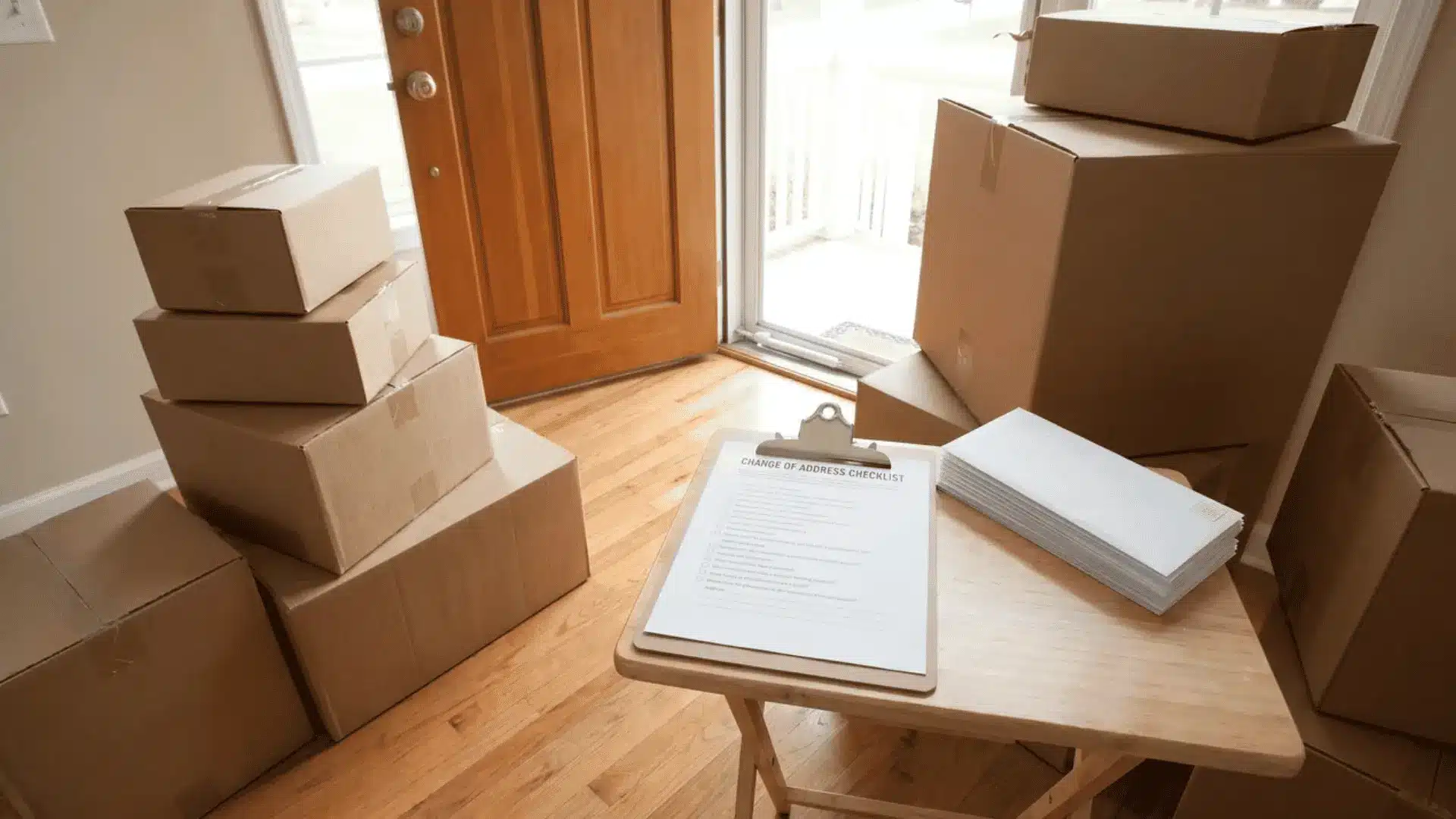
Working through a change of address checklist is the clearest way to stay on top of every update without missing anything important. The order and timing matter more than most people realize.
Keep reading to find out exactly who to notify, when to do it, and what breaks down when you don’t.
When Should You Start Your Change of Address Checklist?
Start your change of address checklist at least 2–3 weeks before moving day. That window gives time-sensitive updates, like your USPS forwarding request and DMV records, enough time to process without rushing.
Earlier is better. Some agencies take longer than others, and a late submission can cascade into missed bills or lapsed coverage before you’ve even unpacked.
One thing to keep in mind: DMV deadlines work differently. Most states require you to update your driver’s license and registration within 10–30 days after your move, not before. That’s a post-arrival task, not a pre-move one.
If you delay starting altogether, gaps show up fast. Mail goes to the wrong address, accounts fall out of sync, and catching up takes far longer than staying ahead would have.
Why USPS Forwarding isn’t Enough on its Own?
USPS forwarding is a temporary bridge, not a permanent fix. Filing it is the right first move, but it doesn’t replace direct updates.
Here’s what forwarding actually covers:
- First-class mail (bills, personal letters, checks): forwarded for up to 12 months
- Periodicals (magazines, newspapers): forwarded for 60 days only
- Marketing mail: not forwarded at all
- Verification fee: $1.10 when filing online
That scope is narrower than most people expect. If it’s not first-class, don’t count on it arriving.
The bigger issue is government and financial mail. The IRS, Social Security, and many financial institutions send mail that is forwarded inconsistently or not at all. A direct update with each one is the only reliable fix.
The 12-month limit catches people off guard, too. Once forwarding expires, anything you never updated directly goes back to your old address. No warning, no redirect.
What breaks down in practice:
- Government agencies: IRS and SSA mail often doesn’t forward reliably
- Financial statements: some lenders and brokerages bypass standard forwarding
- After 12 months: undelivered mail returns to sender with your new address on the label
Forwarding buys you time. Updating each organization directly is what actually protects you in the long term.
Government and Legal Contacts to Update
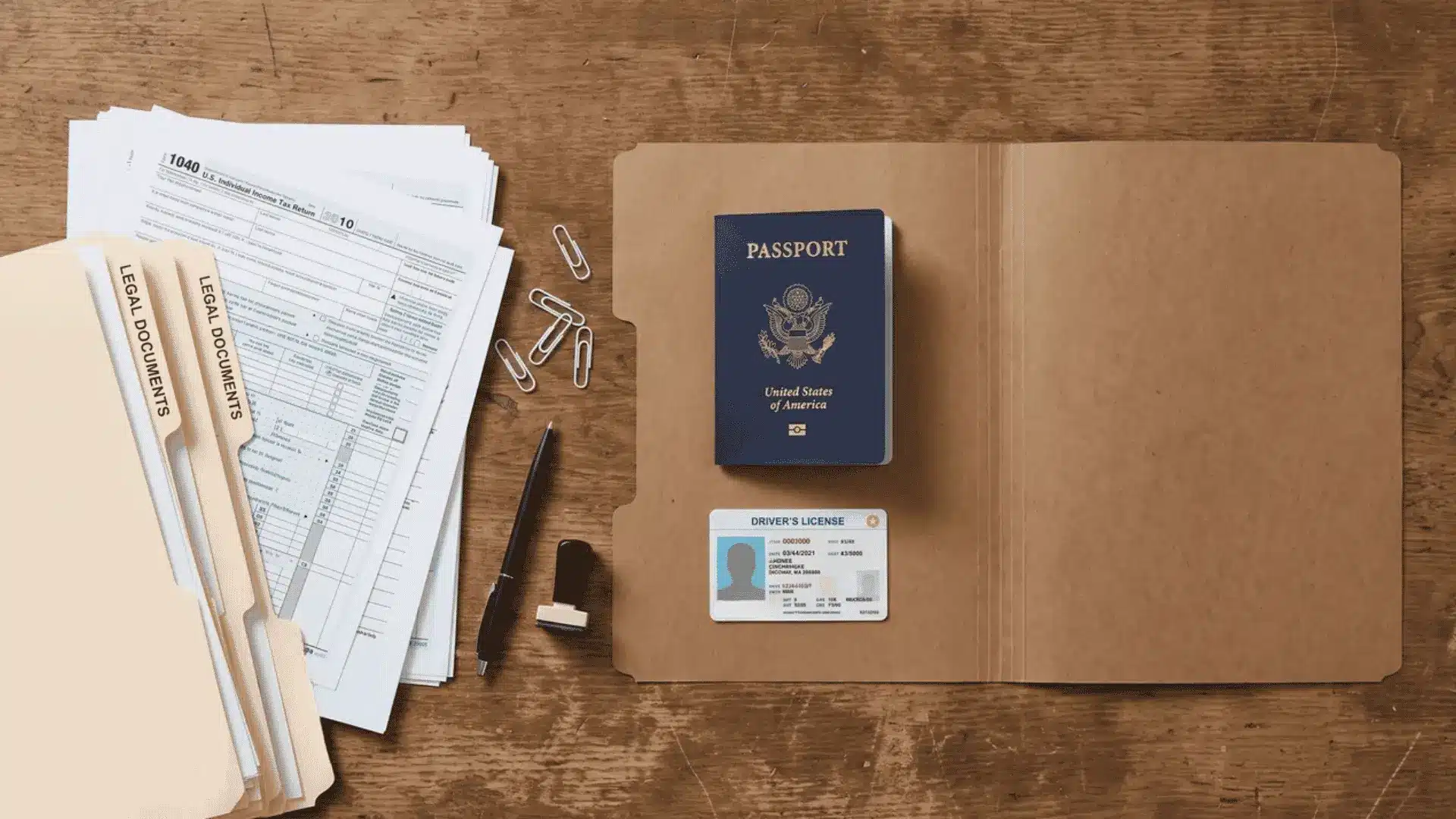
Government and legal organizations should be among the first on your address change list. Missing even one can delay benefits, tax documents, or legal correspondence for months.
- USPS: Submit your forwarding request at USPS.com/move to redirect first-class mail while you complete direct updates
- IRS: File Form 8822 to update your mailing address for tax refunds and official notices
- Social Security Administration: Update at ssa.gov, by phone, or in person if you receive benefits or expect SSA correspondence
- DMV: Update your driver’s license and vehicle registration; most states require this within 10–30 days of moving, making it the one legally mandatory update on this list
- Voter Registration: Re-register at vote.gov if you’ve moved to a new county or state; deadlines vary, so do this early
Don’t put off updates to the IRS or SSA. Both send time-sensitive documents, and a late update can push your tax refund or benefit correspondence back by months.
Financial, Insurance, and Employer Contacts to Update
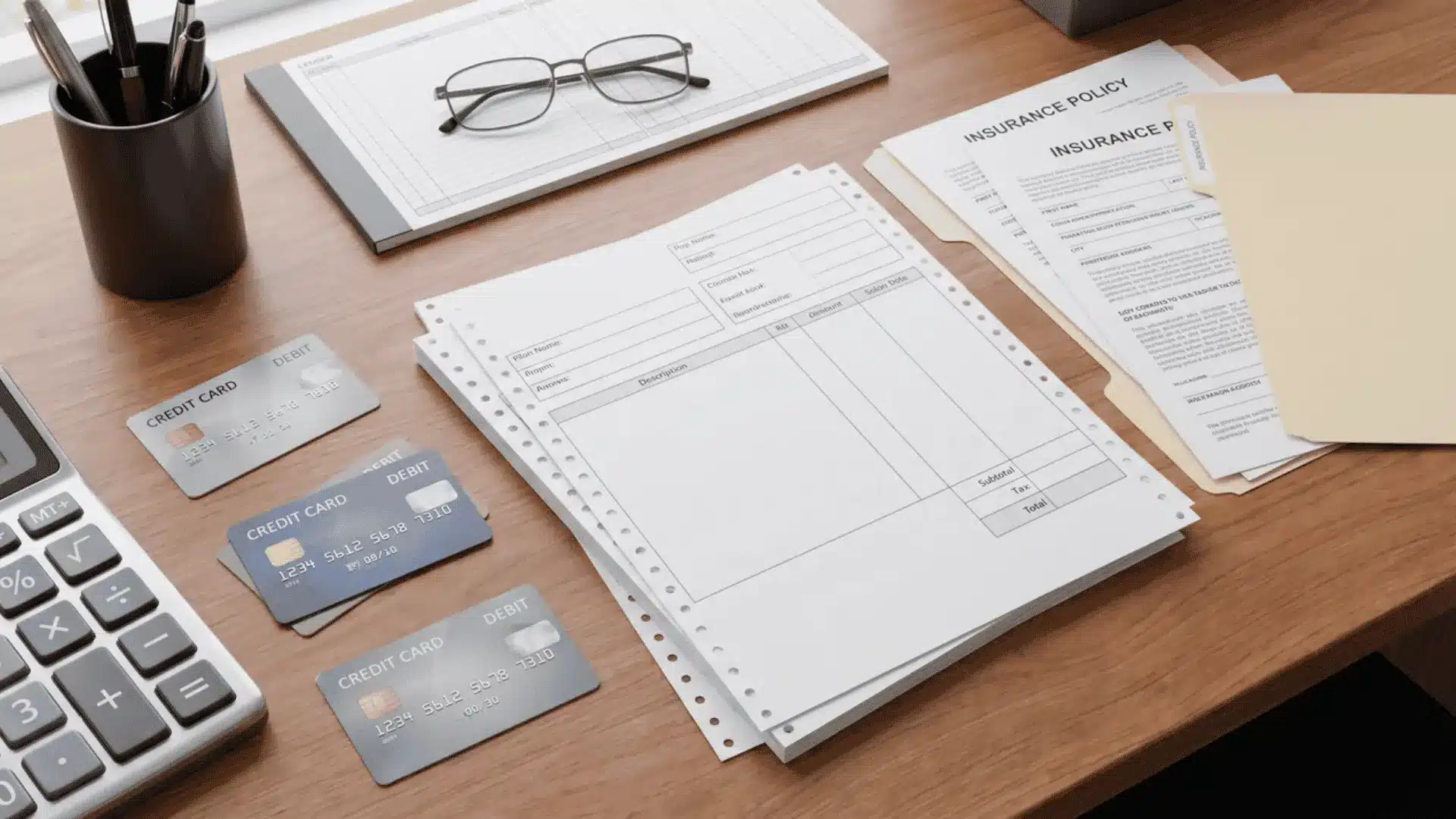
This category is about protecting your money and coverage. Unlike government updates, the risks here show up as fraud flags, missed bills, and payroll errors that are easy to miss until real damage is done.
Here’s who needs your new address:
- Banks and credit unions: Update all accounts, checking, savings, and any loans tied to your profile
- Credit card issuers: Update each card separately; a billing address mismatch can trigger fraud flags on everyday purchases
- Mortgage or loan servicers: Update your address to keep statements and notices coming to the right place
- Investment and retirement accounts: Brokerage and 401(k) providers send tax documents, an outdated address means missing them
- Insurance providers: Update auto, home, renters, health, and life insurance policies
- Employer HR department: Update payroll records, benefits, and tax withholding details
The one that bites people hardest is the employer update. An incorrect address on file means your W-2 is sent to the old house. You won’t find out until tax season, months after the move.
Utilities and Home Services to Transfer
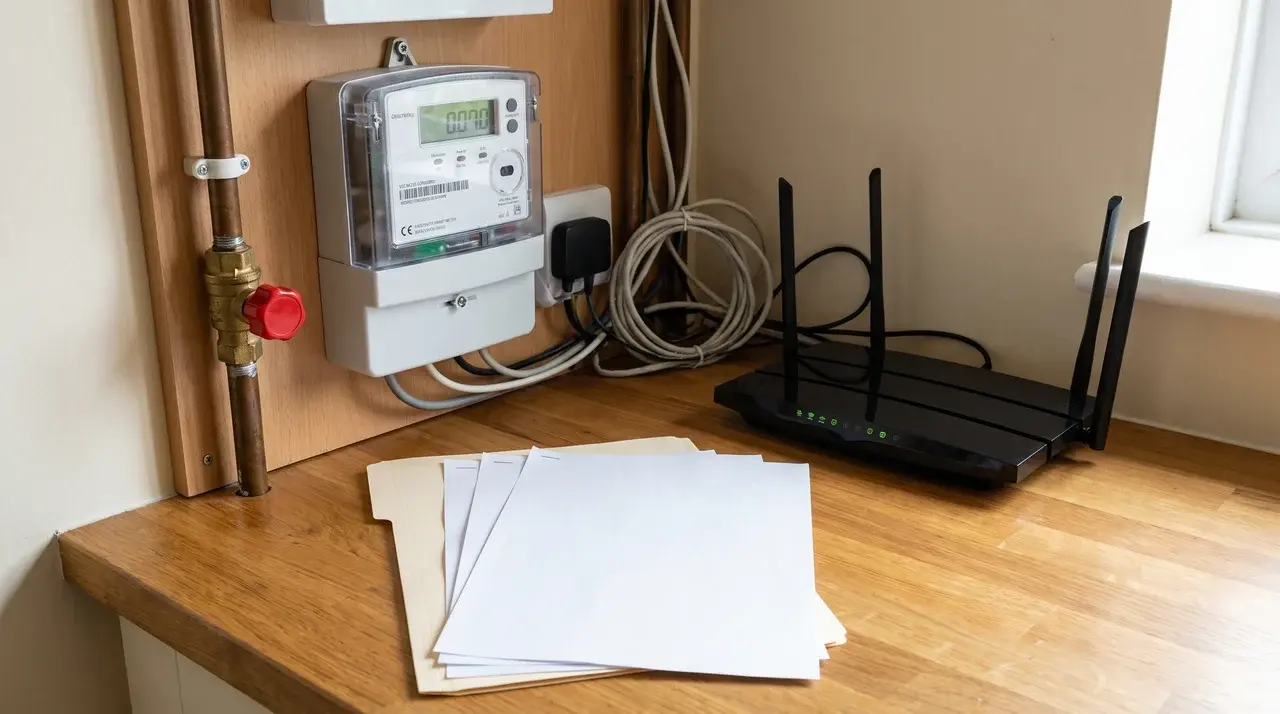
Utilities aren’t just an address change. They need a move-out date at the old place and a move-in date at the new one.
Missing either means overpaying for a vacated address or arriving somewhere with no power on day one. Contact each provider at least two weeks out.
Electricity and gas need to be disconnected at the old address and activated at the new one. Overlap service dates by a day to avoid any gap on moving day.
Water and sewer are handled by your local municipality. Notify them directly with both dates to avoid billing overlap or an unplanned service interruption.
Internet and cable need the most lead time. Check whether your provider covers your new address; if not, cancel and set up a new account early.
One thing most people miss: if your modem or router is rented, returning it is a separate step from canceling service. Skipping it usually means an unexpected charge later.
Get all transfer confirmations in writing. If something isn’t active when you arrive, that record is what gets it resolved fast.
Medical, Pet, and Subscription Updates

This section isn’t about legal deadlines or fraud prevention. It’s about making sure your care, your pet, and your deliveries follow you to the new address without interruption.
Start with healthcare. Notify your doctor, dentist, and pharmacy of your new address before the move. If you’re switching pharmacies, initiate the prescription transfer early; some locations require records to be sent in advance before they can fill anything.
Pets need attention here too. Update your address with your vet and, just as importantly, with your pet’s microchip registry. If your pet gets lost after the move and the registry still shows the old address, there’s no way to trace them back to you.
Subscriptions are easy to overlook but quick to fix. Go through each one before moving day:
- Online shopping (Amazon, eBay, Chewy): Update default shipping addresses
- Meal kit and auto-delivery services: Update before the next shipment processes
- Magazines and newspapers: Update or pause delivery
- Streaming services: Update billing address to avoid payment failures
A quick pass through your subscriptions two weeks before moving day catches most of these. It takes less time than chasing a misdelivered package after the fact.
Conclusion
A complete change of address checklist does more than redirect your mail. It protects your benefits, finances, coverage, and continuity of care all at once.
The biggest mistakes happen when people treat USPS forwarding as the finish line. Direct updates with government agencies, financial institutions, and utility providers are what actually close the gaps.
Every category in this checklist exists for a reason. Skip one, and the consequences usually show up weeks later when they’re harder to fix than they would have been upfront.
Don’t wait until moving day to begin. Start your checklist two to three weeks out, and you’ll arrive at your new address with everything already in order.
Frequently Asked Questions
What is the first thing you should do when you move?
Submit your USPS change of address request and notify time-sensitive entities, such as your employer and bank, first, ideally 2-3 weeks before moving day. This gives mail forwarding time to activate, preventing missed bills or payroll issues. Government agencies and the DMV can update their records once you’ve confirmed your new address.
How soon before moving should you submit a change of address?
Submit your change of address 2-3 weeks before your move date. This gives USPS time to process forwarding and gives you a buffer to notify banks, employers, and utility providers before your move-out date, reducing the chance of mail or service gaps.
What documents are needed for a change of address?
For USPS, you’ll need proof of identity, your old and new addresses, and the $1.10 verification fee if filing online. For DMV updates, most states require your driver’s license, proof of new residency (like a lease or utility bill), and vehicle registration details.
Is USPS forwarding enough to update my address across the board?
No. USPS forwarding only redirects mail for up to 12 months and doesn’t update your address on file with government agencies, banks, or subscription services. You still need to notify entities such as the IRS, SSA, and your bank directly to avoid gaps once forwarding expires.