When you plan to buy or rent a home in 2026, you don’t just look at the price, rooms, or location. You also think about the move itself. You ask how much it will cost, how easy the area is to reach, how fast you can set up your new home, and whether your family can settle there without too much stress. A good property can still feel difficult if the relocation process becomes expensive or messy.
In this blog, you’ll learn how relocation logistics are influencing modern real estate decisions.
1. Relocation Is Now Part of the Buying Decision
In 2026, buyers are not only asking, “Is this a good home?” They are also asking, “Can I actually move here without too much stress?” This is changing the way people judge a property before they make an offer. A home may have the right price, enough rooms, and a good location, but if the move looks difficult, buyers may step back.
The growing importance of relocation logistics can be seen in the moving services industry itself. According to market forecasts, the global moving services market is expected to grow from $86.7 billion in 2024 to $147.7 billion by 2033.
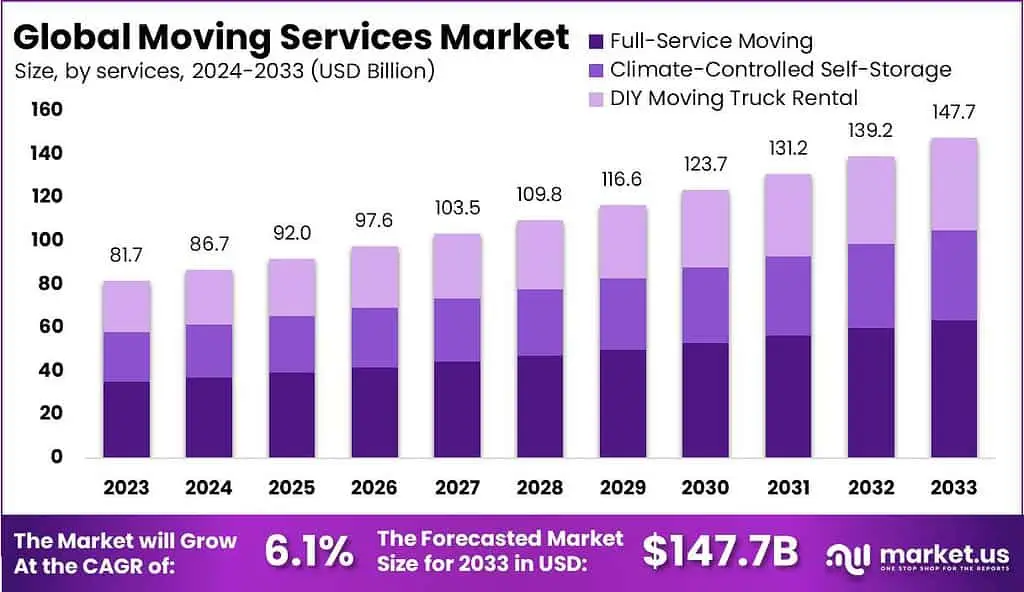
This growth shows rising demand for professional moving, storage, transportation, and relocation support as people place greater value on making moves easier and more predictable.
For example, if the house is far from their current city, they may think about transport costs. If the building has strict moving rules, they may worry about timing and extra charges. If the street is too narrow for moving trucks, furniture delivery can become a problem. If storage is not nearby, the move can feel even harder.
Because of this, relocation logistics are now affecting property choices directly. Buyers are giving more value to homes that are easier to reach, easier to move into, and easier to set up. They want fewer problems after closing the deal. This means a smooth move can make a property more attractive, while a difficult move can make even a good home feel less practical.
2. Moving Costs Are Changing What Buyers Can Afford
Moving costs are now changing what many buyers can realistically afford. A buyer may have enough money for the home itself, but the relocation expenses can push the total cost higher than expected. Packing, movers, transport, storage, temporary housing, cleaning, utility setup, and furniture delivery can all add pressure to the budget.
We interviewed Pablo Giordano, Owner and Founder of Ontrack Moving & Storage — an asset-based moving carrier, “Buyers usually focus on the mortgage, closing costs, and the price of the home, but the move itself can change the numbers quickly. Distance, stairs, building access, storage needs, packing, and whether the move is handled directly by an asset-based carrier all affect the final cost. A home may look affordable, but if the relocation is complex, that extra expense can influence what a buyer can comfortably choose.”
This is influencing real estate decisions in a very practical way. Some buyers are choosing smaller homes because they want to keep money aside for the move. Some are choosing closer locations because long-distance moving costs more. Others are avoiding properties that need too much setup, repair, or new furniture because the move is already expensive.
In 2026, people are becoming more careful with every extra cost. They do not want to spend all their money on the property and then struggle with the relocation. The “real price” of a home is not just the listing price anymore. Buyers are now adding the cost of moving into their decision, which means a home that looks affordable at first may feel less affordable once relocation costs are included.
3. Remote Work Is Expanding Where People Can Move
Many buyers are not tied to one office location every day now. This gives them more room to look at suburbs, smaller cities, and quieter areas that may offer more space, better comfort, or lower prices. Relocation has become a bigger part of the real estate decision because buyers are thinking about how a place will support daily life, not just how close it is to work.
Daniel C, CMO of Preface Pallets, says, “When people spend more time at home, the property around the house starts to matter more. Privacy, outdoor space, shade, noise, and the condition of the yard can all affect how comfortable that home feels every day.”
The rise of remote and hybrid work is one of the main reasons for this shift. Recent workforce data shows that 52% of remote-capable employees work in a hybrid arrangement, while 27% work fully remote.
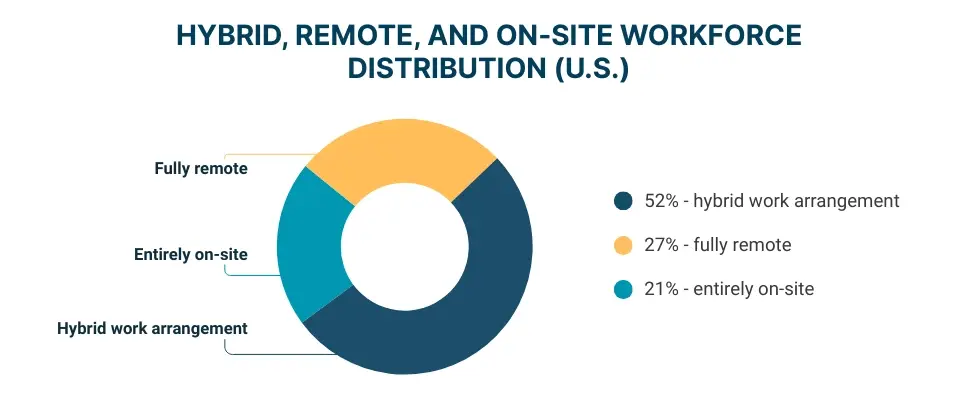
With fewer people required to be in a central office every day, buyers have more freedom to choose locations based on lifestyle, space, affordability, and long-term comfort rather than simply living as close to work as possible.
But remote work does not mean people can move anywhere without thinking. Buyers now check details that directly affect their routine, such as internet quality, home office space, power reliability, nearby cafés, delivery options, and airport access. If they still visit the office sometimes, commute time also stays part of the decision.
Sam Williams, E-commerce Manager at Tiletopia, adds, “When the home becomes part of the workday, layout and comfort matter more. A quiet room, good light, useful surfaces, and easy-to-maintain finishes can make the space feel more practical for everyday living.”
This is influencing the type of homes people choose. A small apartment near the office may feel less useful if the buyer works from home most of the week. A house with an extra room, quieter surroundings, and better daily comfort may feel more valuable. Relocation choices are now helping buyers compare how well each place supports work, family, and normal routines after the move.
4. Property Readiness Is Influencing Relocation Timelines
Not every home is ready to live in the day the keys change hands. Some buyers purchase properties that need updates before moving in, while others relocate to vacation destinations or second homes where timing, seasonal access, and renovations become part of the planning process. As a result, buyers are paying closer attention to how quickly a property can support everyday living after closing.
Having worked with homeowners on renovation and exterior improvement projects for decades, JR Girskis, President of Suburban Construction Inc., says buyers increasingly view move-in readiness as part of a property’s overall value.
“A home doesn’t have to be brand new, but buyers want confidence that major improvements won’t delay their move,” Girskis says. “When roofing, windows, siding, or other essential systems are already in good condition, families can focus on settling into their new home instead of coordinating contractors immediately after closing. That certainty often becomes a deciding factor during relocation.”
Relocation planning becomes even more important in destination and resort markets, where buyers often coordinate purchases around school schedules, seasonal access, remote work arrangements, or second-home use. Delays in preparing the property can disrupt carefully planned move-in dates and reduce the flexibility buyers expect.
Drawing on two decades of experience helping clients purchase mountain properties, Natalia Bassova, Founder and CEO of Resort Real Estate Inc., says buyers increasingly evaluate how quickly they can begin enjoying the lifestyle they’re investing in.
“Many buyers today aren’t simply purchasing a property—they’re planning an entire lifestyle transition,” Bassova explains. “Whether it’s a primary residence, vacation home, or mountain retreat, buyers place significant value on homes that are ready to enjoy with minimal delays. The easier the transition from closing to everyday living, the more attractive a property becomes during the decision-making process.”
As buyers place greater emphasis on convenience, the time between closing and comfortably living in the home has become another factor influencing purchasing decisions. Properties that require fewer immediate improvements often provide a smoother relocation experience and allow homeowners to settle into their new routines much faster.
5. Buyers Are Looking Beyond the Home Itself
Relocation decisions do not always begin with choosing the next property. For many homeowners, they begin with figuring out how to leave the current one. This is especially true for people living in mobile homes, where selling the property, coordinating the move, and planning the next step often happen at the same time. The easier that transition feels, the more flexibility buyers have when pursuing a new home in another city or neighborhood.
Unlike traditional home sales, mobile homeowners may face unique timing challenges, community requirements, or financial considerations that influence when they can relocate. Removing those barriers can make it much easier for families to move quickly when a new opportunity becomes available.
Jared Vidales, CEO of We Buy Mobile Homes Arizona, says simplifying the sale of an existing mobile home can have a significant impact on relocation planning.
“Many homeowners don’t realize how much their current property affects the timeline for buying the next one,” Vidales explains. “Working with a local company that buys mobile homes for cash can remove many of the delays that come with traditional sales, giving families greater flexibility to relocate when the right opportunity appears. A smoother exit from one home often makes the transition into the next home much less stressful.”
As relocation becomes a larger part of the real estate decision, buyers are looking at the entire journey rather than focusing only on the destination. Reducing delays, simplifying the selling process, and creating greater certainty before the move can make one property feel far more practical than another, even when both meet similar housing needs.
6. Family Needs Are Changing Relocation Decisions
Families usually have more to think about when moving. A single buyer may focus on price, commute, or lifestyle, but a family has to think about schools, children, elderly parents, pets, healthcare, safety, and daily travel. These details can make relocation logistics a major part of the real estate decision.
Nidhi Singhvi, Co-Founder and CEO of Unvault, shares, “Families often make moving decisions with long-term security in mind. Just like people protect valuable coins or heirlooms because they carry both financial and personal meaning, families look for homes that protect their daily stability. Schools, safety, healthcare, and access to trusted services can matter just as much as the property itself.”
A home may look perfect at first, but if changing schools is too difficult, the family may avoid it. If the area is far from hospitals, childcare, or daily essentials, it may not feel practical. If the move requires too many steps, long travel, or temporary living, parents may choose a simpler option that creates less stress for everyone.
Families also think about how quickly life can feel normal again after the move. They want children to adjust, routines to return, and daily life to become predictable. This is why many families prefer homes near schools, parks, clinics, grocery stores, and family-friendly services.
Ákos Doleschall, Managing Director at Hustler Marketing, adds, “Good decisions usually come from understanding the whole journey, not just the first click or first impression. Working with Klaviyo for Ecommerce shows how much timing, personalization, and follow-up matter in customer decisions. Family relocation works the same way. The home has to fit what happens after the move, from school runs to routines and everyday comfort.”
7. Real Estate Agents Are Becoming Relocation Guides
Real estate agents are also being affected by relocation logistics. In 2026, buyers expect more than basic property details. They do not only want to hear about bedrooms, square footage, or price. They want to understand what moving into that home will actually feel like, from the first truck arrival to the first normal week after settling in.
Buyers respond better when they can picture the full experience, not just the space itself. Whether someone is choosing artwork, a design piece, or a home, practical details shape confidence. Access, placement, delivery, and how the item fits into daily life can influence the final decision.
This means agents now have to answer more practical questions.
- Can a moving truck easily reach the property?
- Are there building rules for move-in days?
- Is there enough parking for delivery vans?
- Are storage units nearby?
- How far are schools, hospitals, grocery stores, and public transport?
Clear answers can influence whether a buyer feels confident or confused. If an agent can explain building access, local services, delivery options, and possible move-in challenges, the property feels easier to choose. If the buyer senses too many unknowns, they may keep looking because the move feels risky or stressful.
Dan Close, Founder and CEO of BuyingHomes, adds, “A buyer is not only deciding whether they like a house. They are deciding whether the next stage of life feels manageable there. Agents who understand access, timing, local services, and move-in concerns can help buyers see the practical side of the decision.”
This is changing the role of agents. A good agent is not just helping people find a house. They are helping people understand the full move. They guide buyers through the area, local services, access points, and possible problems, so the decision feels clearer and more realistic.
8. Digital Tools Are Making Relocation More Planned
In the past, many people visited a property, liked it, and only started thinking about the moving process later. Now, buyers can check many details much earlier. They can view the home online, compare moving costs, check the neighborhood, read reviews, and understand the basic relocation process before making a final decision.
Tom Rockwell, CEO of Concrete Tools Direct, adds, “Online planning helps buyers notice practical problems before they become expensive ones. Access, delivery space, road conditions, parking, and site readiness all matter when heavy or bulky items need to be moved. Checking these details early can make a property feel much easier, or much harder, to choose.”
This is influencing real estate decisions because buyers now have more information in their hands. They can see if the area has good roads, nearby services, internet options, storage facilities, and delivery access. They can also get moving quotes online and understand how much the relocation may cost.
“A home decision feels clearer when buyers can picture how their furniture and daily life will fit into the space. Digital tools make that easier because people can compare room sizes, layouts, delivery access, and design needs before they move,” says Savas Bozkurt, Owner of Royal Restoration DMV.
Because of this, buyers are less likely to make a decision based only on emotions. A home may look good in photos, but online research can show if the move will be difficult or expensive. A simpler home may become more attractive if the area is easy to access, well-connected, and easier to move into.
9. Vehicle Transportation Is Becoming Part of Relocation Planning
Relocation is no longer just about getting furniture from one address to another. Many buyers today are relocating across states or even across the country, and that means planning how every part of their household will arrive safely, including their vehicles. For families with multiple cars, luxury vehicles, classic automobiles, or motorcycles, driving each vehicle long distances is not always practical.
As relocation distances increase, vehicle transportation has become another factor influencing where and when people move. Buyers are weighing not only the cost of purchasing a home but also the logistics of transporting their vehicles, coordinating delivery schedules, and ensuring they have reliable transportation shortly after arriving. When these details are planned well, the transition feels far more manageable.
Mehmet Metin Cayli, Head of Sales and Business Development at Bold Auto Transport, says vehicle logistics have become an increasingly important part of the relocation conversation.
“People often budget for the home purchase and household move but overlook vehicle transportation until the final stages,” Cayli explains. “When someone is relocating hundreds or even thousands of miles, having a clear transportation plan for their vehicles reduces both stress and unexpected costs. The smoother every part of the relocation process is, including getting the family’s vehicles to the new destination, the more confident buyers feel about making a move to a different city or state.”
For buyers considering long-distance moves, understanding transportation timelines, delivery options, and total relocation costs early can make it easier to compare properties across different regions. As more people prioritize flexibility in where they live, comprehensive relocation planning now extends well beyond the home itself.
10. Sustainability Is Affecting Relocation Choices
Sustainability is also starting to influence how people think about relocation and real estate. Many buyers are becoming more careful about waste, fuel use, and unnecessary travel during a move. For most people, this is not about making a perfect eco-friendly decision. It is about finding a home that makes everyday life simpler and less wasteful after the move is complete.
According to Jonathan Matha, CEO of Modern Chandelier, “People are paying more attention to long-term use instead of only the initial purchase. Whether it is a home, a lighting fixture, or a piece of furniture, buyers often want something that fits their lifestyle for years rather than something that creates extra costs, upgrades, or replacements later.”
This thinking is influencing where people choose to live. Some buyers prefer homes closer to work, schools, family, or daily needs because it can reduce travel after the move. Others look for neighborhoods with better public transport, walkable streets, or services nearby. A shorter and easier move can also reduce transport costs, packing materials, and the overall effort involved in relocating.
Energy efficiency is becoming part of the conversation as well. Homes with better insulation, efficient lighting, updated systems, or lower monthly utility costs can feel more attractive because buyers are looking beyond the purchase price. They want to understand what living in the home will actually cost over time.
Rameez Ghayas Usmani, Award-Winning HARO Link Builder & CEO of HARO Link Building, shares, “People make stronger decisions when they look at the full picture instead of one headline number. The same way businesses evaluate long-term value. Homebuyers are paying closer attention to ongoing costs, convenience, and how a property supports everyday life after the move.”
Sustainability, in this sense, is choosing a place that is easier, more practical, and more affordable to live in over the long run. Buyers are increasingly looking for homes that support a better routine after the relocation is finished.
Closing
Relocation logistics are now a serious part of real estate decisions in 2026. Buyers are not only thinking about the home they want. They are also thinking about how easy it will be to move there, set up their life, and settle without too much pressure. A home may look perfect, but if the move feels costly or difficult, buyers may choose another option.
That’s why the smartest real estate decisions now include both the property and the relocation process.