Ask most homeowners which upgrades add value to a property, and you’ll hear familiar answers. Kitchen remodels. Modern bathrooms. Hardwood flooring. Landscaping improvements.
Those projects certainly make sense, but buyer expectations are changing. Today’s homebuyers are increasingly looking beyond traditional upgrades and paying closer attention to features that improve everyday living. Comfort, flexibility, energy efficiency, and wellness have become major influences on purchasing decisions, particularly among younger buyers and homeowners planning to stay in a property for the long term.
This doesn’t mean every trendy feature automatically adds value. However, it does mean that homes offering practical lifestyle benefits often stand out in increasingly competitive markets.
The most successful home improvements share a common characteristic: they enhance the homeowner’s experience today while remaining attractive to future buyers tomorrow.
Indoor Saunas and Wellness Amenities
One of the most significant changes in residential real estate is the growing importance of wellness-oriented features.
For years, wellness amenities were associated primarily with luxury properties. Today, they are appearing in homes across a much wider range of price points because buyers increasingly value features that support relaxation, recovery, and overall quality of life.
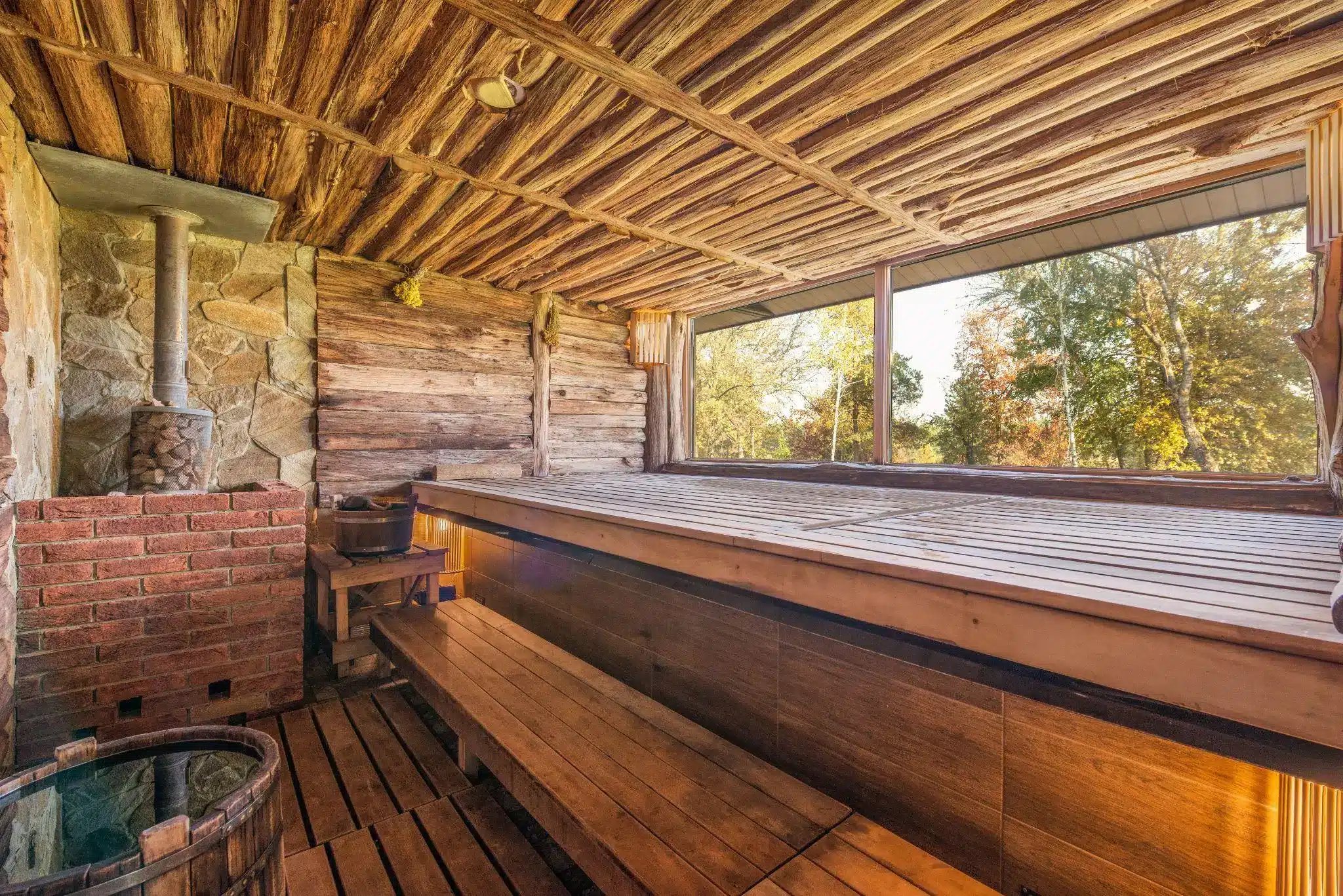
Among the most popular additions are home saunas. Part of their appeal lies in practicality; unlike many luxury upgrades that are used occasionally, a sauna can become part of a regular routine. It also requires relatively little maintenance compared to many other lifestyle-focused home improvements.
Modern infrared saunas have been particularly influential in expanding the category. Compact footprints, energy-efficient operation, and straightforward installation requirements make them suitable for spare rooms, home gyms, basements, and dedicated wellness spaces.
If you’re a homeowner seeking a first sauna for your home, we highly recommend the best infrared sauna for home, particularly the 2 and 3-person sauna collection. These are particularly affordable and offer a level of convenience and accessibility that would have been difficult to imagine only a decade ago.
Select Saunas has helped drive this trend by making premium sauna brands more accessible to everyday homeowners. Their curated selection of infrared, traditional, and outdoor models from respected manufacturers allows buyers to compare different technologies and configurations while receiving guidance tailored to their available space and wellness goals.
Modular Solutions Making Home Wellness Accessible
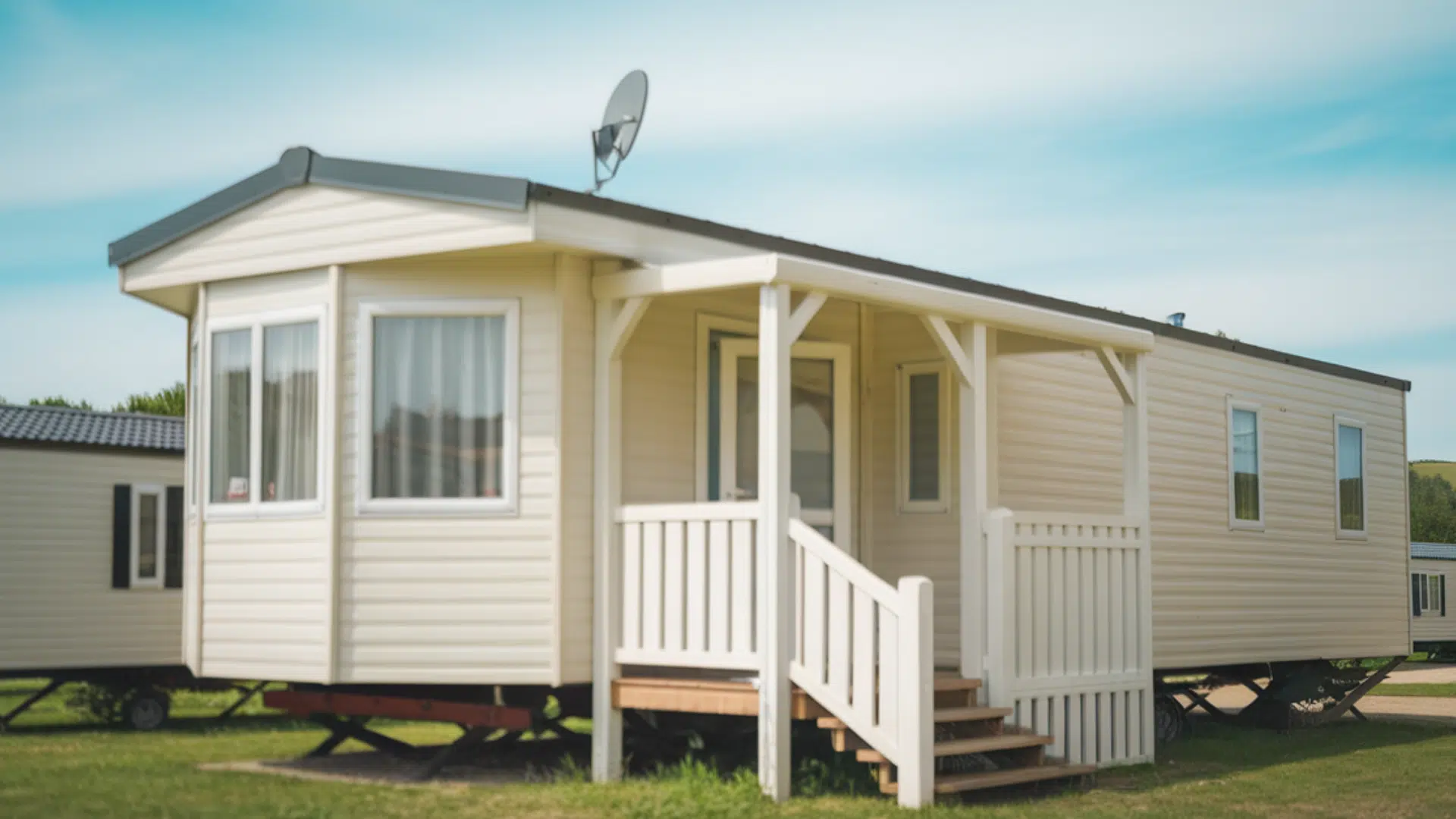
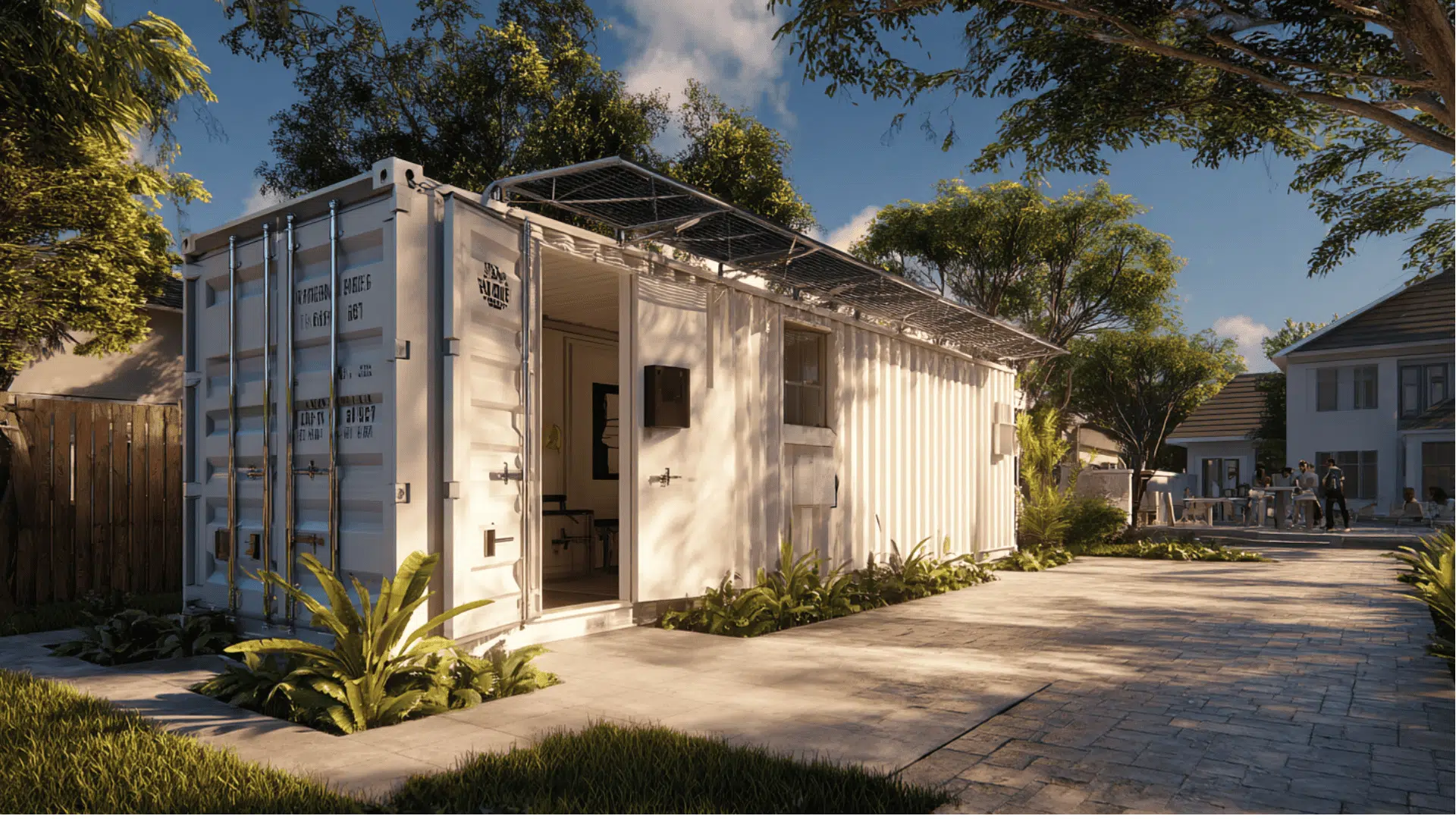
Homeowners increasingly want upgrades that deliver premium results without requiring months of construction, multiple contractors, and unpredictable costs. This has fueled growing demand for prefabricated and modular solutions across a wide range of categories, from outdoor structures and home offices to wellness amenities.
The appeal is straightforward: faster installation, lower project complexity, and greater cost predictability.
The wellness sector provides a good example of this shift. In the past, adding a home sauna often required custom design work, specialized contractors, and extensive planning. Today, companies such as Sauna Kit Company offer pre-engineered indoor and outdoor sauna kits that dramatically simplify the process while maintaining the quality and experience homeowners expect from a premium sauna.
This trend extends beyond wellness products alone. Buyers increasingly appreciate home features that can be added efficiently, maintained easily, and adapted to changing needs over time.
As labor costs continue rising and homeowners seek more predictable renovation outcomes, modular solutions are likely to play an increasingly important role in residential design.
Flexible Spaces Continue to Command Attention
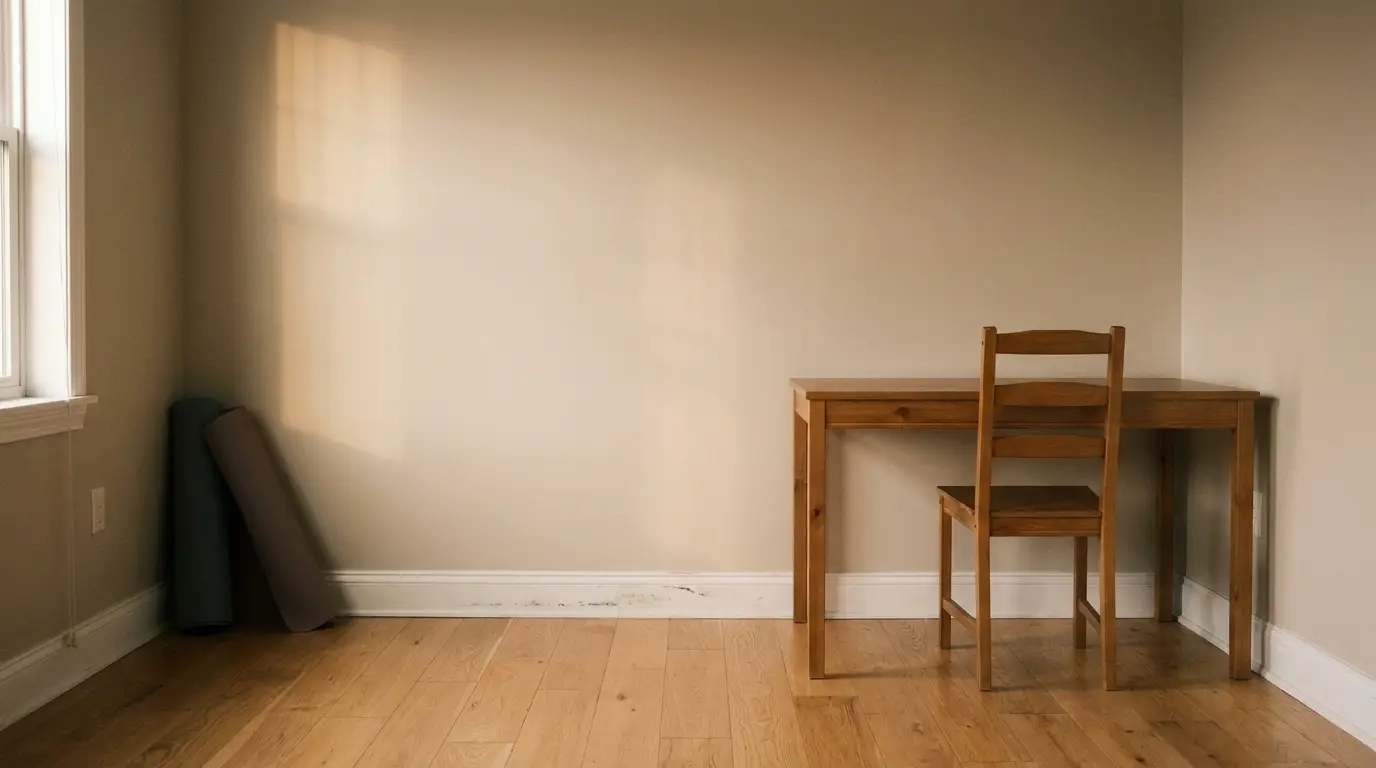
As work, wellness, recreation, and family life increasingly overlap, buyers are placing greater value on spaces that can evolve alongside their needs. A room that functions as a productive home office today, a fitness studio tomorrow, and a guest suite when family visits offers far more long-term value than a space designed for a single purpose.
This shift has given rise to what many designers call “future-proof” living spaces. Rather than building rooms around highly specialized functions, homeowners are increasingly prioritizing layouts that can be adapted with minimal effort.
The ability to repurpose a room without major construction makes a property more resilient to changing lifestyles, family structures, and market preferences.
Several design features contribute to this adaptability:
- Thoughtful acoustic separation for work and privacy
- High-speed connectivity and smart-home infrastructure
- Durable, neutral finishes that suit multiple uses
- Flexible storage solutions
- Open layouts that can accommodate changing furniture configurations
These elements may not be as visually striking as a luxury kitchen or dramatic outdoor feature, but they often provide greater long-term utility.
The reason is simple: buyers are no longer evaluating homes solely for who they are today. They’re evaluating them for who they might become over the next five, ten, or even twenty years.
A young couple may envision a nursery. A remote worker may see a dedicated office. An active homeowner may imagine a fitness room or wellness space. The more possibilities a room offers, the broader the property’s appeal becomes.
When evaluating home upgrades, it can be helpful to apply a simple “lifecycle test”: Will this space still serve a valuable purpose if my lifestyle changes significantly in the future?
The improvements that pass that test are often the ones that retain their value the longest.
Indoor Air Quality Is Becoming a Premium Home Feature
One of the most significant shifts in residential design is that homeowners are paying closer attention to something they can’t always see: the quality of the air they breathe.
For decades, buyers focused primarily on visible features such as countertops, flooring, and fixtures. Today, many are becoming equally interested in the systems operating behind the walls, particularly those that influence health, comfort, and long-term well-being.
Modern indoor air quality (IAQ) systems are designed to reduce allergens, particulate matter, odors, and volatile organic compounds (VOCs) that can accumulate inside tightly sealed homes. Features such as high-efficiency filtration, whole-home air purification, energy recovery ventilators (ERVs), humidity control systems, and smart ventilation technologies are becoming increasingly common in both new construction and major renovations.
This shift reflects a broader understanding that wellness extends beyond fitness and recovery routines.
Just as a sauna session may become part of a daily wellness ritual, the air inside a home quietly influences comfort, sleep quality, concentration, and overall quality of life every single day.
From a property-value perspective, indoor air quality improvements also possess an important advantage: they appeal to nearly everyone. Families with children, remote workers, allergy sufferers, pet owners, and health-conscious buyers can all appreciate a home that delivers a cleaner and more comfortable indoor environment.
As wellness continues shaping residential design, air quality is increasingly becoming a feature that buyers expect rather than a luxury they discover.
Outdoor Wellness Features and Property Appeal
Outdoor living remains one of the strongest influences on residential design, but the concept has evolved significantly.
Today’s buyers increasingly look for outdoor environments that support relaxation and well-being in addition to entertainment. Features such as outdoor saunas, cold plunges, outdoor showers, fire features, relaxation decks, and natural landscaping can transform a backyard into a true extension of the home’s living space.
These improvements often deliver value in two ways. First, they increase the functional use of the property by creating additional areas for recreation and relaxation. Second, they help a home stand out in a competitive market by offering a distinctive lifestyle benefit that many buyers find appealing.
As wellness continues influencing home design, outdoor recovery and relaxation spaces are likely to become increasingly common.
Energy Efficiency: A Reliable Home Value Driver
While wellness features receive much of the attention, energy-efficient upgrades remain among the most consistently valuable home improvements.
Buyers continue to prioritize features that reduce operating costs and improve year-round comfort, including:
- High-performance windows
- Modern insulation systems
- Efficient HVAC equipment
- Smart thermostats
- Sustainable building materials
Unlike some design trends, energy efficiency offers measurable benefits that homeowners can experience immediately through improved comfort and lower utility costs.
Many of the most desirable properties today combine both approaches: wellness-oriented amenities that enhance quality of life and energy-efficient systems that improve long-term operating performance.
Final Thoughts: The Best Home Improvements Support Better Living
Property value is influenced by many factors, some of which homeowners cannot control.
However, thoughtful upgrades can significantly affect how buyers perceive a property and how enjoyable it is to live in over time. Features such as flexible living spaces, wellness-oriented amenities, outdoor retreats, and energy-efficient upgrades all fit this description.
Ultimately, the upgrades that tend to add the most value are often the ones that make a home a better place to live long before it ever goes on the market.