Hot water is the quiet giant of a household energy bill. In most homes it is the single largest energy use after heating and cooling, often a quarter of the total, and yet it runs invisibly in a cupboard or against an outside wall, ignored until the day it fails. If you are building, renovating, or fitting out a modular home, the hot water decision you make now will shape your running costs for the next decade.
For a long time the choice was simple and not very inspiring: a conventional electric tank, a gas unit, or rooftop solar with an electric booster. Heat pumps have changed that conversation entirely.
What a Heat-Pump System Actually Does
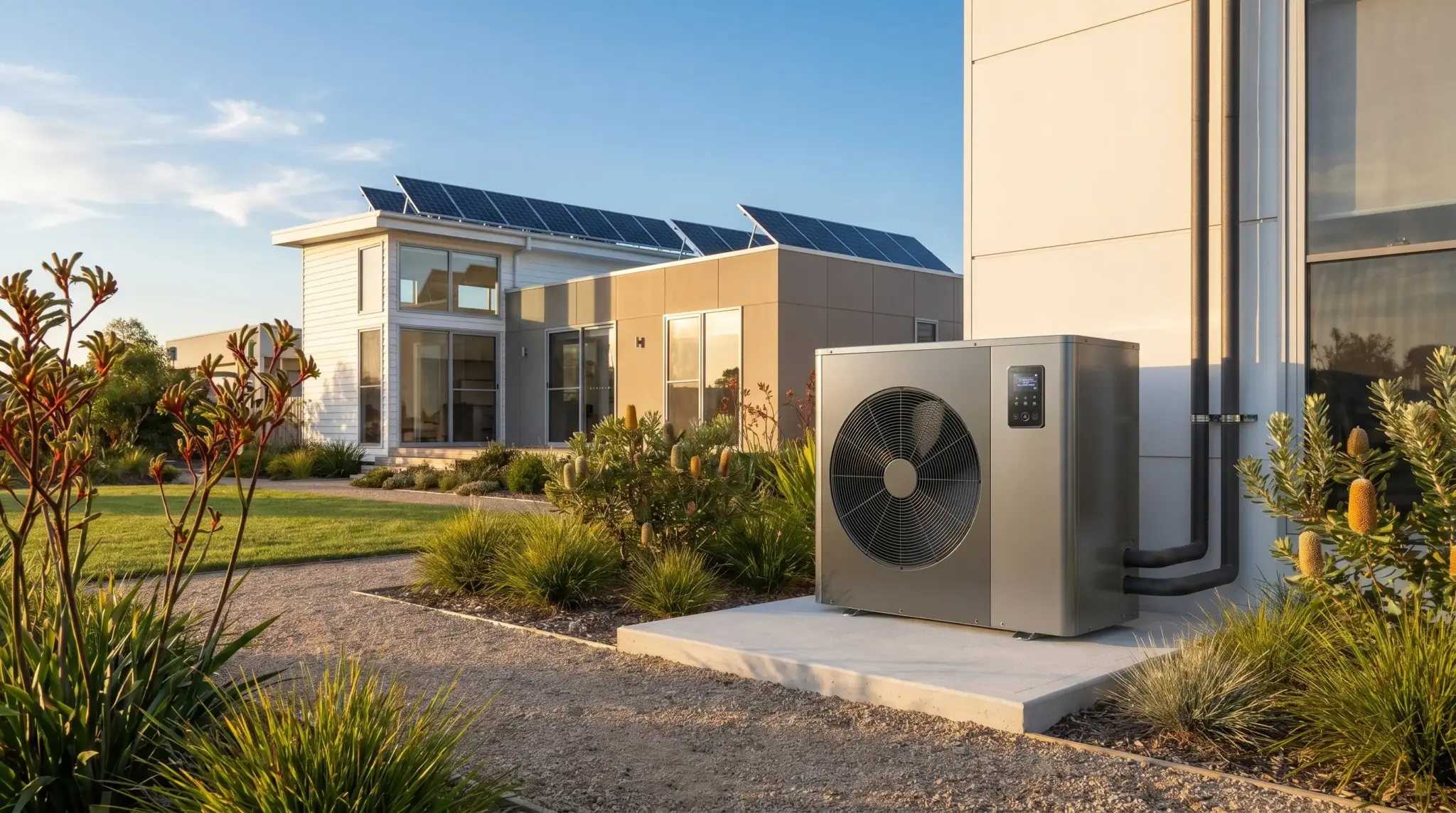
A heat-pump hot water system works like a refrigerator running in reverse. Instead of using electricity to create heat directly (the slow, expensive way a standard electric element does it), it uses a small amount of electricity to move heat out of the surrounding air and into the water tank. Because it is shifting existing warmth rather than generating it from scratch, it can deliver roughly three to four units of heat for every unit of electricity it draws.
In plain terms: the same hot shower for a fraction of the energy. That efficiency is why heat pumps have become the default recommendation for new and energy-conscious homes, and why most current rebate schemes are nudging households toward them. Browsing Eurosun’s heat-pump range gives a sense of how the technology has matured: quieter units, better cold-weather performance, and tank sizes matched to real household demand rather than a one-size-fits-all guess.
Why It Suits Modern and Modular Homes Especially
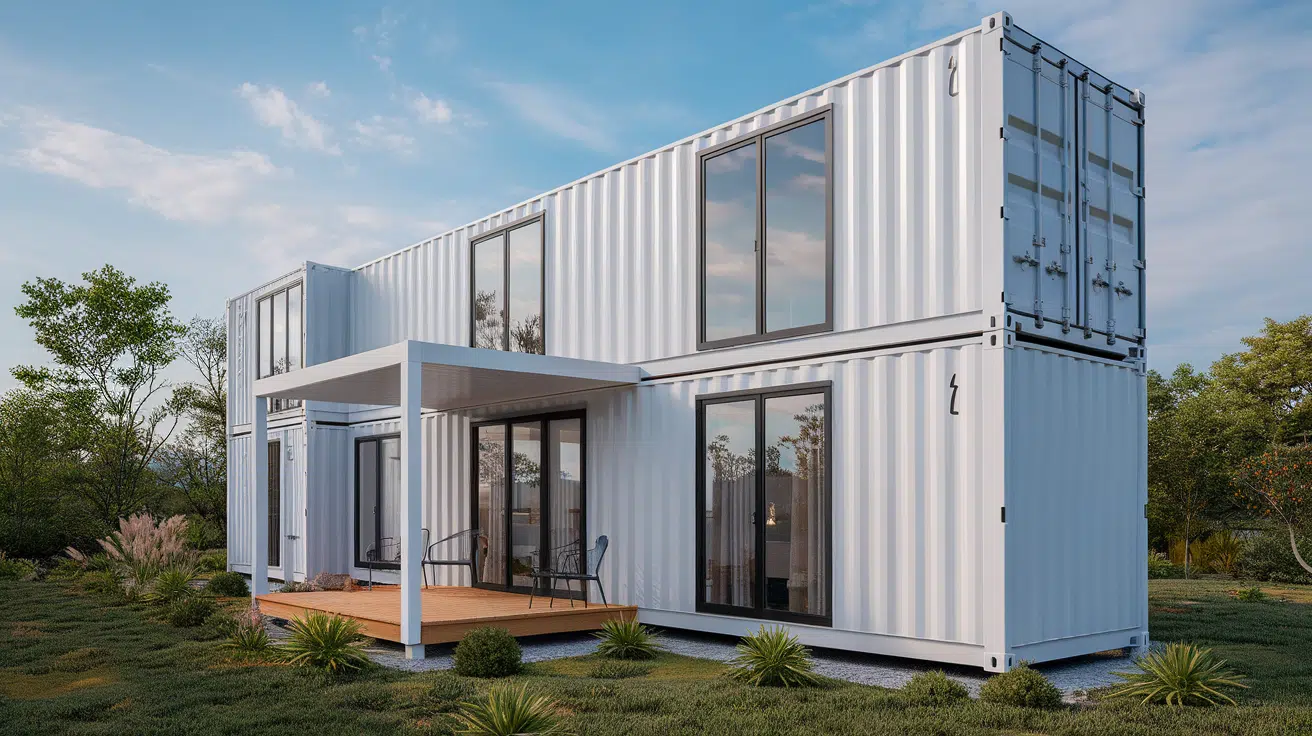
Heat pumps and modern home design are a natural fit. A well-sealed, well-insulated build, the kind of envelope a modular or prefab home is engineered for, loses less heat everywhere, so an efficient hot water system isn’t fighting against a leaky house. Pair a heat pump with rooftop solar and you can schedule it to run in the middle of the day on your own generation, effectively storing surplus solar as hot water instead of exporting it for a few cents. For a compact or off-grid-leaning home where every kilowatt-hour counts, that synergy is hard to beat.
There is also the space and mobility angle. A modular home delivered to a regional block may be a long way from the gas network, which quietly rules out gas hot water. An all-electric heat pump sidesteps that entirely and keeps the home’s energy footprint on a single, increasingly renewable supply.
Installation Is Where the Savings Are Won or Lost
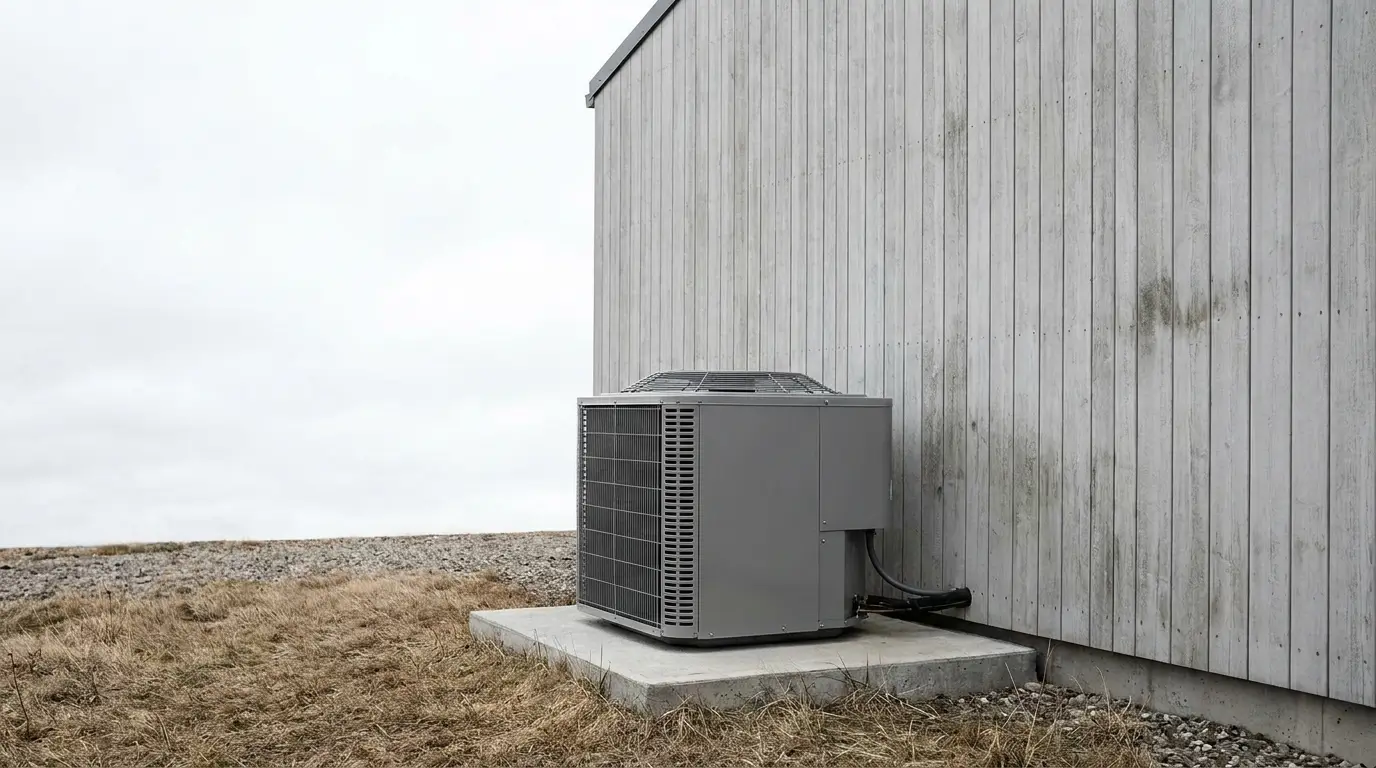
Here is the part that gets overlooked: a heat pump is only as good as its installation. Unlike a simple element swap, these systems need the right location for airflow, sensible pipe runs to minimize heat loss on the way to the tap, condensate drainage, and correct electrical and timer setup so the unit runs when power is cheapest or solar is flowing. Get any of that wrong and you erode the efficiency you paid a premium for.
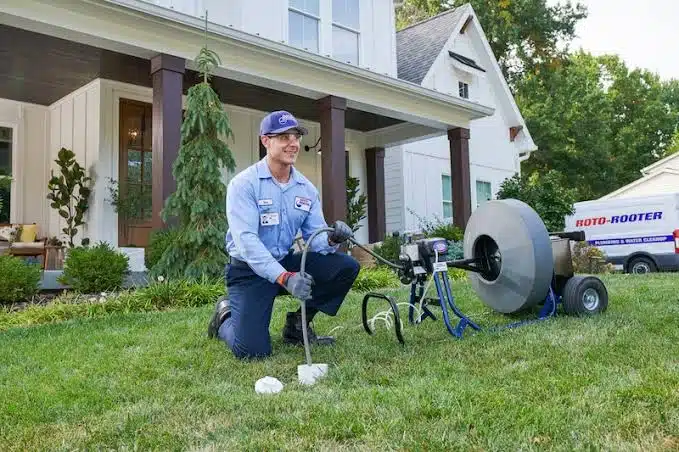
This is genuinely licensed work, not a weekend project. It is worth having the hot water system experts at Proud Plumbing & Gas size, position, and commission the system, and just as importantly, service it over time. A heat pump that is correctly installed and maintained holds its efficiency for years; one that is rushed in the wrong spot becomes an expensive disappointment.
What the Running Costs Actually Look Like
It helps to put rough numbers on the difference. A conventional electric storage system does the most expensive thing possible: it turns roughly one unit of electricity into one unit of heat. A heat pump pulling warmth from the air typically delivers three to four units of heat for that same unit of electricity, which is why households switching off old electric tanks often see their hot-water energy use fall by around two-thirds. On a bill where hot water was a quarter of the total, that is a meaningful dent in the whole household’s running costs, not a rounding error.
Gas tells a similar story. As gas prices have climbed and daily supply charges have crept up, the gap between gas hot water and an efficient electric heat pump has narrowed and, in many homes, reversed, particularly once you factor in a household generating its own solar. The heat pump lets you spend your own midday solar on tomorrow’s hot showers instead of exporting it back to the grid for a few cents per unit.
The Mistakes That Quietly Erode the Savings
Because the technology is efficient on paper, it is easy to assume the savings are automatic. They are not. A handful of avoidable mistakes can claw back much of the benefit:
- Tucking the unit in a sealed, airless cupboard. A heat pump needs a steady supply of air to draw warmth from; starve it of airflow and it works harder for less.
- Long, uninsulated pipe runs. Heat lost between the tank and the tap is heat you paid to create. Short, well-lagged runs keep it where it belongs.
- Running it at the wrong time. Without a timer set to peak solar or off-peak power, the unit may quietly run on the most expensive electricity of the day.
- Skipping servicing. Filters and coils need occasional attention; a neglected unit slowly loses the efficiency that justified buying it in the first place.
Every one of these comes down to how the system is specified and installed, which is exactly why the choice of installer matters as much as the choice of unit.
A Short Upgrade Checklist
- Size it to the household, not the catalog. Too small and you run cold; too big and you pay to heat water you never use.
- Plan the location early. Heat pumps need airflow and clearance, so decide where it goes before the walls go up.
- Coordinate with solar. Set the unit to run during peak solar generation to slash the running cost further.
- Check the rebates. Heat-pump upgrades attract incentives in most regions, so factor them into the comparison.
- Use a licensed installer. The efficiency on the spec sheet only shows up if the install is done right.
Turn Your Biggest Hidden Cost Into a Win
Hot water is the rare household expense that is both large and almost completely invisible, which is exactly why it is so easy to overpay for, year after year, without ever noticing. A heat-pump system flips that. Chosen to suit the home, installed by a licensed professional, and timed to run on cheap or self-generated power, it turns your single biggest hidden cost into one of the easiest wins in a modern home: quiet, efficient, and built for the way we power our houses now. Make the decision deliberately at the build or renovation stage, and you will be reaping the savings long after you have forgotten the unit is there.