The tiny home movement continues to grow as more people embrace simpler, more affordable, and energy-efficient lifestyles. Whether used as a primary residence, vacation cabin, backyard ADU, or off-grid retreat, tiny homes present unique heating and cooling challenges that traditional HVAC systems are not designed to solve.
Mini split AC systems offer efficient heating and cooling without requiring ductwork, making them one of the most practical HVAC options available for tiny homes. Their space-saving design, quiet operation, and energy-saving technology make them an ideal choice for small-space living. For many tiny homes between 300 and 600 square feet, a 12000 BTU air conditioner often provides the right balance of cooling power, heating performance, and energy efficiency.
Unique Heating and Cooling Challenges in Tiny Homes
Tiny homes differ significantly from conventional houses. Their compact layouts create a unique set of HVAC requirements that homeowners must consider before selecting a heating and cooling system.
Limited Interior Space
Every square foot matters in a tiny home. Bulky furnaces, large air handlers, and extensive duct systems can consume valuable living space. Homeowners often prioritize furniture, storage, and functionality, leaving little room for traditional HVAC equipment.
Energy Efficiency Matters More
Tiny home owners are typically more conscious of energy consumption. Because many tiny homes operate on smaller electrical systems or renewable energy sources, HVAC equipment must maximize efficiency while minimizing power usage.
Off-Grid and Mobile Living Considerations
Some tiny homes are built on trailers or located in remote areas. In these situations, heating and cooling systems must operate reliably while using as little electricity as possible. Lightweight and compact HVAC equipment is often preferred.
Maintaining Comfort in a Small Footprint
Small spaces can heat up or cool down quickly. Temperature fluctuations may occur more frequently than in larger homes, making precise climate control essential for maintaining comfort throughout the day.
Why Mini Splits Are Ideal for Tiny Homes
Mini split systems address many of the challenges that tiny home owners face. Their design and technology make them particularly well-suited for compact living environments.
Space-Saving Design
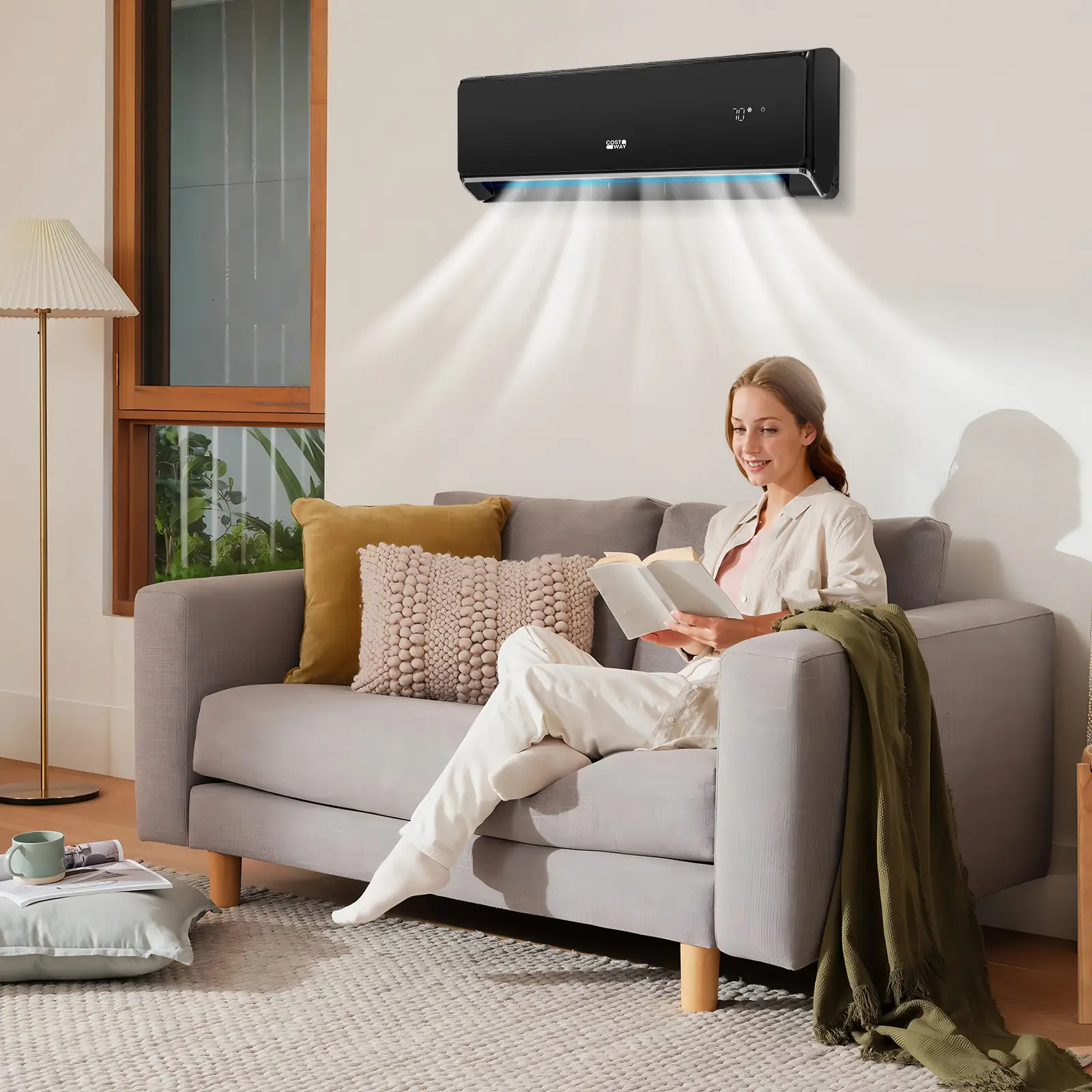
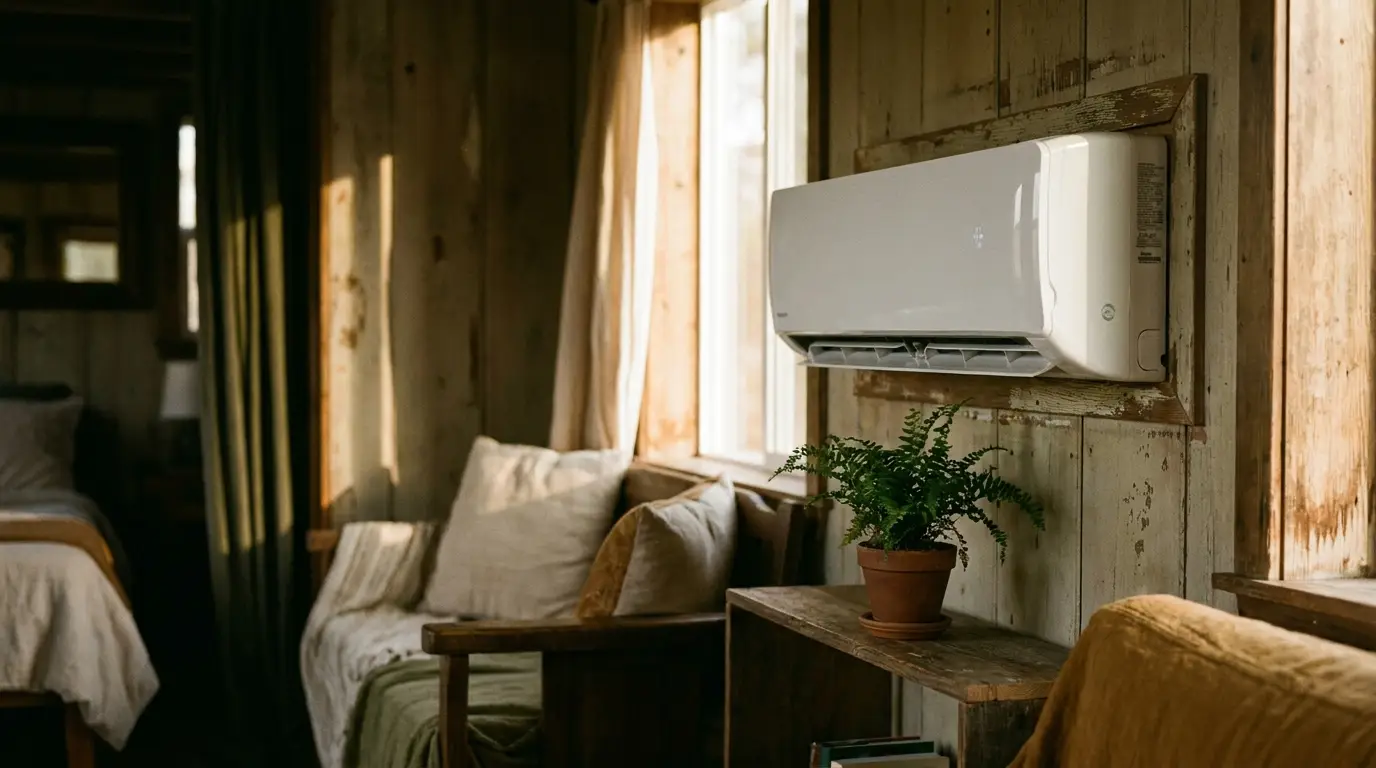
Mini split systems consist of a small outdoor condenser and one indoor air handler mounted on a wall or ceiling. Unlike traditional HVAC systems, they do not require large mechanical rooms or bulky ductwork.This compact design helps preserve valuable floor space and allows homeowners to maximize the functionality of their tiny home.
No Ductwork Required
One of the biggest advantages of mini splits is their ductless operation. Traditional central HVAC systems require extensive duct networks that are often impractical in tiny homes.Without ducts, installation becomes simpler, faster, and less invasive. Homeowners also avoid energy losses associated with leaky ductwork.
Heating and Cooling in One System
Most modern mini split heat pumps provide both cooling during summer and heating during winter.Instead of purchasing separate air conditioners and heaters, tiny home owners can rely on a single system for year-round comfort. This reduces equipment costs and simplifies maintenance.
High Energy Efficiency and Lower Utility Bills
Mini split systems are among the most energy-efficient HVAC solutions available today. Many models achieve high SEER2 (Seasonal Energy Efficiency Ratio) and HSPF2 (Heating Seasonal Performance Factor) ratings.Their inverter-driven compressors continuously adjust output to match the home’s heating or cooling needs, reducing wasted energy and lowering monthly utility bills.
Precise Temperature Control
Mini splits provide accurate temperature control compared with traditional systems that frequently cycle on and off.This precision helps maintain consistent indoor comfort while minimizing unnecessary energy consumption.
Quiet Operation for Better Living Comfort
Noise can feel amplified inside a small living space. Mini split systems are designed for quiet operation, with indoor units often producing sound levels comparable to a whisper.This makes them ideal for sleeping areas, home offices, and compact living environments where noise reduction is important.
Energy Savings: How Much Can Tiny Home Owners Save?
For many homeowners, reducing long-term operating costs is one of the main reasons for choosing a mini split system.
Reduced Energy Loss Compared With Ducted Systems
According to energy experts, duct losses in conventional HVAC systems can account for a significant portion of energy waste. Because mini splits deliver conditioned air directly into the living space, these losses are virtually eliminated.
Inverter Technology and Variable-Speed Compressors
Unlike traditional HVAC equipment that constantly turns on and off, mini splits use inverter technology to adjust compressor speed based on real-time demand.This allows the system to maintain stable temperatures while consuming less electricity.
Lower Monthly Operating Costs
The exact savings depend on climate, electricity rates, insulation quality, and system usage. However, many homeowners report noticeable reductions in heating and cooling expenses after upgrading from window units, portable air conditioners, or electric resistance heaters.
Long-Term Return on Investment
Although mini splits often cost more upfront than portable or window air conditioners, their efficiency can help offset the initial investment over time through lower utility bills and reduced maintenance requirements.
Mini Splits vs Other HVAC Options for Tiny Homes
Before choosing a system, it helps to compare mini splits with other common HVAC solutions used in tiny homes.
| Feature | Mini Split | Window AC | Portable AC | Electric Heater | Central HVAC |
|---|---|---|---|---|---|
| Heating & Cooling | Yes | Limited | Limited | Heating Only | Yes |
| Energy Efficiency | High | Moderate | Low | Moderate | Moderate |
| Space Saving | High | Moderate | Low | Moderate | Low |
| Installation Complexity | Moderate | Easy | Easy | Easy | High |
| Noise Level | Low | High | High | Low | Moderate |
Choosing the Right Mini Split for a Tiny Home
Not every mini split system is equally suited for small-space living. Choosing the right unit can significantly improve comfort and efficiency.
Determine the Correct BTU Capacity
Proper sizing is critical. An oversized unit may short-cycle, while an undersized system may struggle to maintain comfort.Most tiny homes between 100 and 400 square feet typically require between 6,000 and 12,000 BTUs, though insulation levels and climate conditions should also be considered.
Consider Your Climate Zone
Homeowners in colder regions should look for cold-climate heat pumps capable of maintaining heating performance in freezing temperatures.Those in hot southern climates may prioritize high cooling efficiency ratings.
Look for High SEER2 and HSPF2 Ratings
Higher efficiency ratings generally translate into lower operating costs.When comparing systems, look for models with strong SEER2 and HSPF2 performance to maximize long-term energy savings.
Single-Zone vs Multi-Zone Systems
Most tiny homes only require a single-zone system because the living area is relatively small.However, larger ADUs, loft-style layouts, or multi-room tiny homes may benefit from multi-zone configurations.
Smart Features and Wi-Fi Connectivity
Modern mini splits often include smart controls, mobile apps, programmable schedules, and remote monitoring.These features help optimize comfort while reducing unnecessary energy use.
Installation Considerations for Tiny Homes
Proper installation plays a major role in system performance and longevity.
Indoor Unit Placement
The indoor air handler should be positioned where airflow can circulate freely throughout the home. Avoid placing furniture or large objects directly in front of the unit.
Outdoor Condenser Location
The outdoor condenser should be installed on a stable surface with sufficient clearance for airflow and maintenance access.For mobile tiny homes, mounting solutions must account for transportation and vibration.
Electrical Requirements
Most mini split systems require dedicated electrical circuits. Before installation, verify that your home’s electrical system can support the selected unit.
Installation in Mobile Tiny Homes
For tiny homes on wheels, homeowners should choose equipment designed to withstand movement and varying outdoor conditions.Proper mounting and secure refrigerant line protection are especially important.
Professional Installation vs DIY Kits
DIY mini split kits have become increasingly popular, but professional installation can help ensure maximum efficiency, warranty compliance, and long-term reliability.Homeowners should evaluate their technical skills and local building requirements before deciding which option is best.
Conclusion
Tiny homes demand HVAC systems that are efficient, compact, and versatile. Mini split air conditioners meet these requirements better than most alternatives by combining heating and cooling in a single system, eliminating the need for ductwork, and delivering exceptional energy efficiency.
Whether you live in a stationary tiny house, a backyard ADU, or a mobile home on wheels, a properly sized mini split can provide reliable year-round comfort while keeping energy costs under control. For many tiny home owners, it is simply the most practical and cost-effective HVAC solution available today.