Why Scaffold Access Matters During Deliveries
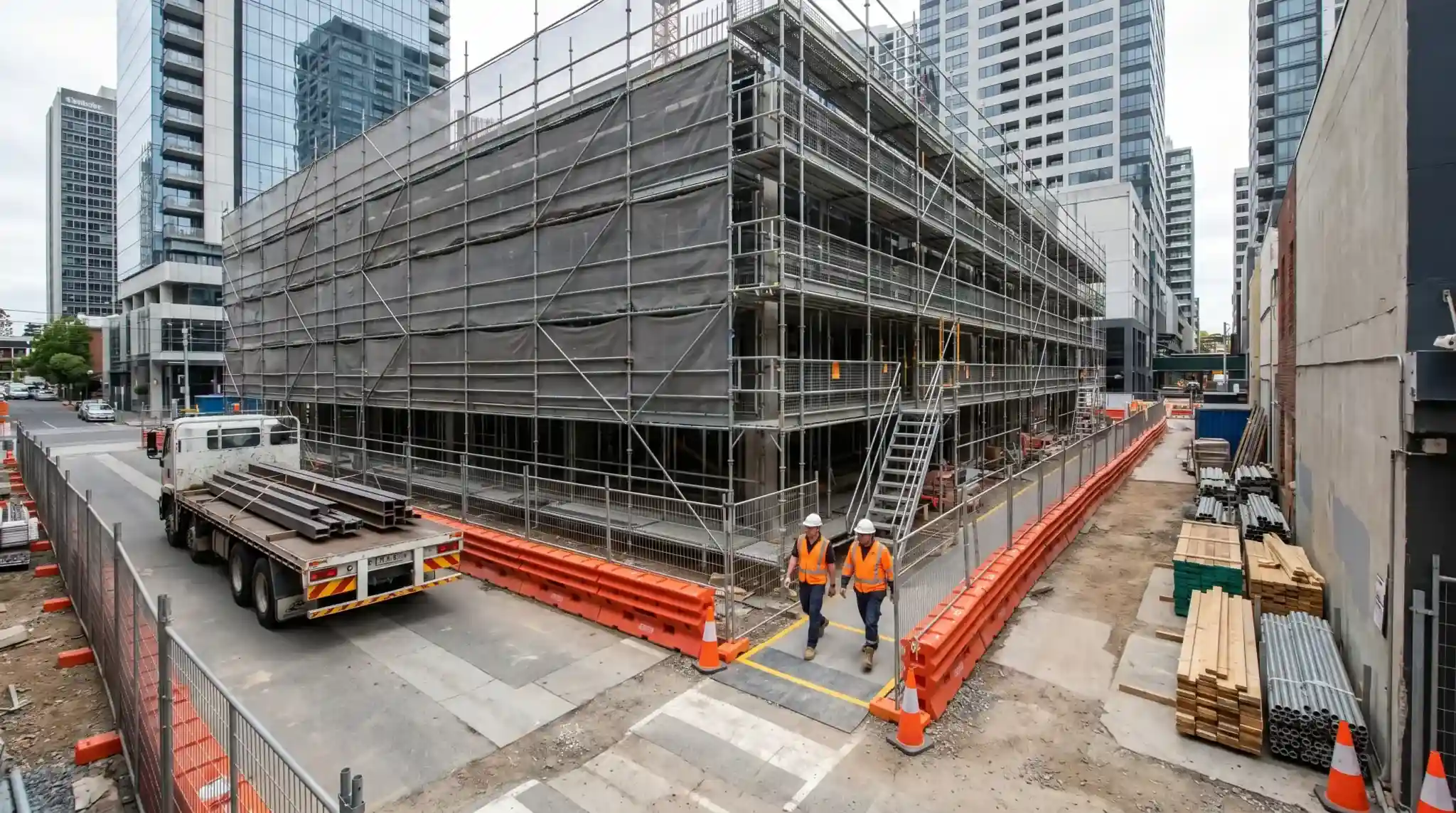
On busy construction sites, every delivery changes how workers move. A truck arriving with materials can narrow walkways, shift attention toward unloading, and place workers closer to scaffolds, ladders, stacked supplies, and moving equipment. In a dense city like Chicago, where construction often happens near traffic, sidewalks, alleys, and limited staging areas, these conditions can become more difficult to manage.
Scaffold access should be planned before materials reach the site. Workers need clear entry points, stable walking surfaces, safe routes to elevated work areas, and enough room to carry tools or supplies without climbing around obstacles. When coordination is poor, crews may be forced to step over debris, use crowded platforms, or move between trucks and work zones without a safe route.
Planning access before unloading begins helps prevent falls and keeps deliveries moving smoothly. Construction managers, contractors, drivers, and workers all benefit when drop zones, pedestrian routes, and scaffold entry points are clearly defined.
How Poor Delivery Planning Can Lead to Scaffold Falls
Scaffold falls often happen when movement around a work area becomes crowded, rushed, or unclear. Materials may be placed too close to scaffold entrances, workers may have to carry heavy items through narrow paths, or crews may move between trucks and elevated platforms without proper direction.
In Chicago, these risks can increase when construction sites operate near active streets, tight alleys, occupied buildings, or pedestrian walkways. A blocked access point may seem like a small inconvenience, but it can force workers to climb from the wrong side, step across unstable surfaces, or use makeshift paths to reach the scaffold.
Delivery planning should account for where materials will be staged, how workers will reach the scaffold, and whether access will remain clear during unloading. When these details are ignored, a fall may raise questions about site control, contractor responsibility, and whether the injured worker should speak with a Chicago construction fall lawyer about their legal options.
Legal Duties Around Scaffold Safety
Construction companies and site managers are expected to maintain reasonably safe working conditions around scaffolds and elevated work areas. This can include inspecting scaffold systems, keeping access points clear, securing materials properly, and coordinating deliveries so they do not create unnecessary hazards.
Different parties may share responsibility for jobsite safety. General contractors often oversee operations and scheduling, while subcontractors may handle scaffold use, material handling, or equipment placement. Property owners, scaffold providers, and delivery teams may also play a role depending on how the incident occurred.
Scaffold safety standards typically require stable platforms, guardrails, proper access points, weight limits, and regular inspections. Problems can develop when delivery activity interferes with those protections, such as when materials block scaffold entrances or rushed schedules pressure crews to work before walkways are cleared.
After a scaffold fall, investigators may review whether safety procedures were followed, whether hazards had been reported, and whether the site had enough space and supervision to manage deliveries safely. Inspection records, delivery schedules, incident reports, and witness statements can help determine liability.
Steps Workers Should Take After a Scaffold Fall
The moments after a scaffold fall can affect both a worker’s recovery and the ability to document what happened. Even when injuries seem minor at first, workers should seek medical attention as soon as possible. Falls can cause head injuries, internal injuries, back damage, or joint problems that worsen over time.
The incident should be reported immediately to a supervisor or site manager. A written report creates a record of when and where the fall occurred, along with the conditions present at the time. Workers may also benefit from photographing the scaffold area, nearby materials, blocked access points, weather conditions, or any equipment involved before the scene changes.
Witness information can also be important. Coworkers, drivers, spotters, or supervisors may have seen unsafe conditions leading up to the fall, including overcrowded walkways, rushed unloading, or unstable surfaces near the scaffold.
Workers should keep copies of medical records, accident reports, and related communication. Construction sites often involve multiple companies at the same location, which can make liability questions more complicated. Early documentation can help clarify who was responsible for maintaining safe access and working conditions.
Coordinating Truck Routes, Drop Zones, and Scaffold Entry Points
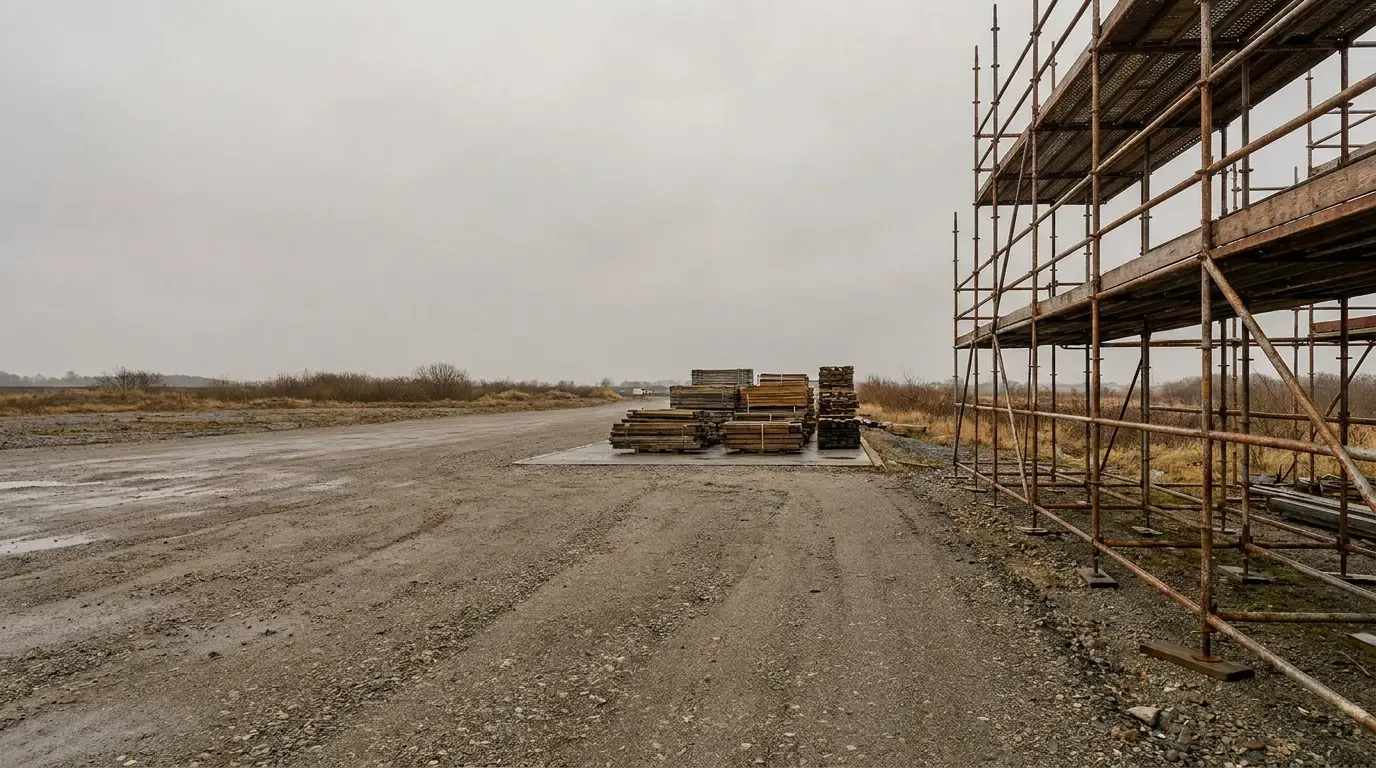
Construction sites become more dangerous when delivery traffic and worker access routes overlap. Trucks carrying lumber, steel, concrete forms, or equipment often need to move through limited spaces while crews continue working nearby. Without a coordinated plan, workers may be forced to walk around active unloading areas or carry materials across unstable surfaces.
Site managers should identify where trucks will enter, where materials will be unloaded, and how workers will access scaffolds during each phase of delivery. Keeping pedestrian pathways separate from vehicle movement reduces confusion and lowers the risk of falls caused by blocked walkways, sudden stops, or shifting materials.
Drop zones also need enough space to prevent supplies from piling near scaffold entrances. Proper staging areas help crews maintain stable footing and allow access points to remain visible and unobstructed throughout the day.
Many sites use spotters or traffic coordinators to guide drivers through active work zones. Communication between drivers and supervisors gives crews time to clear pathways, secure loose materials, and prepare the area before unloading begins.
Weather, Visibility, and Timing Challenges
Weather conditions can make scaffold access more dangerous during deliveries. Rain, ice, snow, and strong winds affect both elevated work areas and the ground surfaces workers use to reach them. In colder regions such as Chicago, winter weather can create slippery platforms, frozen walkways, and reduced visibility around loading zones.
Poor lighting can also increase fall risks, especially during early morning deliveries or shorter daylight hours. Workers carrying tools or materials may have difficulty spotting uneven surfaces, loose debris, or gaps near scaffold entrances. Drivers moving through crowded work areas may also struggle to see workers crossing near unloading zones.
Delivery timing plays an important role in site safety. Tight schedules can pressure crews to unload quickly, even when conditions are unsafe. Wet surfaces, muddy ground, and heavy site traffic can further increase the chance of slips and falls.
Construction managers can reduce these risks by adjusting delivery schedules during severe weather, improving lighting, and inspecting scaffold access points throughout the day. Keeping pathways dry, stable, and free from debris helps workers move more safely between ground-level operations and elevated platforms.
Communication Between Drivers and Site Supervisors
Clear communication between drivers and site supervisors can reduce confusion around scaffold access and delivery activity. Construction sites change throughout the day as materials arrive, crews shift tasks, and work areas become more crowded. Without updated instructions, workers and drivers may enter the same space at the same time.
Pre-arrival communication helps sites prepare before trucks reach the property. Supervisors can identify safe unloading zones, confirm which scaffold access points must remain clear, and notify crews about temporary traffic changes. Drivers also benefit from knowing where to park, where materials should be staged, and which areas should be avoided.
Visual communication is equally important. Signs, barriers, cones, and marked pedestrian routes help workers move safely around delivery areas. Spotters can guide drivers through narrow spaces and alert crews when equipment or materials are being moved near scaffold systems.
Many construction companies rely on established safety procedures from recognized industry sources. Following updated fall prevention guidelines can help supervisors identify hazards before workers begin unloading or accessing elevated platforms.
Consistent communication allows delivery teams and construction crews to work efficiently while maintaining safer conditions around scaffolds, loading areas, and active work zones.
How Logistics Planning Supports Safer Jobsite Movement
Construction safety depends heavily on how people, equipment, and materials move throughout the site. When deliveries are poorly timed or unloading areas are disorganized, workers may encounter blocked scaffold entrances, unstable walking surfaces, or crowded access routes.
Strong logistics planning creates a more controlled flow of activity. Delivery schedules can be coordinated to avoid overcrowding during high-risk tasks, while designated staging areas can keep materials from interfering with scaffold access. Organized traffic patterns also help workers move safely between ground-level operations and elevated work areas.
Technology and route planning can further improve coordination on larger projects. Some companies use tracking systems, scheduled delivery windows, and centralized communication tools to manage vehicle movement and reduce congestion. Better delivery coordination can help construction teams maintain safer access routes while improving efficiency across the site.
Site supervisors may also conduct regular walkthroughs during delivery periods to identify changing hazards. Loose debris, shifting materials, muddy surfaces, or temporary obstructions near scaffolds can develop quickly when multiple deliveries occur throughout the day. Addressing these conditions early helps workers maintain safer footing and clearer access to elevated platforms.
Safer Access Creates Smoother Deliveries
Scaffold safety and delivery coordination are closely connected on active construction sites. Workers rely on clear access routes, stable walking surfaces, and organized unloading areas to move safely between ground-level operations and elevated work zones. When deliveries disrupt those conditions, the risk of scaffold falls can increase quickly.
Careful planning helps reduce many of these hazards. Coordinated delivery schedules, designated staging areas, regular inspections, and strong communication between drivers and supervisors all support safer movement throughout the jobsite. Weather, limited space, and changing work conditions can still create challenges, but proactive safety measures help crews respond more effectively.
Construction projects operate more efficiently when scaffold access remains clear and predictable. Safer movement supports workers, improves coordination between teams, and helps reduce delays caused by preventable accidents.