The Shifting Australian Home Landscape
Australian homeowners are rethinking what makes a house feel like home in the modern era. The conversation has shifted from sheer size to thoughtful design, lifestyle fit, and genuine personal expression.
For decades, the Australian dream centred on bigger blocks and larger floor plans across the suburbs.
Today, the focus has moved toward how each room functions, feels, and reflects the people actually living in it.
This shift is reshaping every corner of the housing market right across the country.
From sprawling family homes to compact dwellings tucked into hillside acreage, design priorities are evolving in fascinating ways.
What Defines Modern Australian Design
Regional Character and Climate
Climate, lifestyle, and regional character all influence how Australians design their homes today. A house in coastal Queensland will look and feel quite different from one in the Adelaide Hills or the leafy Melbourne suburbs.
Despite those regional differences, a few common threads run through almost every contemporary project.
Natural light, indoor outdoor flow, sustainable materials, and a strong sense of calm continue to top the wish list.
Light and Material Choices
Light has always been a defining feature of Australian architecture from the colonial period onwards.
Modern designs amplify this tradition with larger windows, skylights, and considered orientation that captures the sun without overheating the rooms inside.
Materials have also evolved as builders move toward textures that age gracefully over the years.
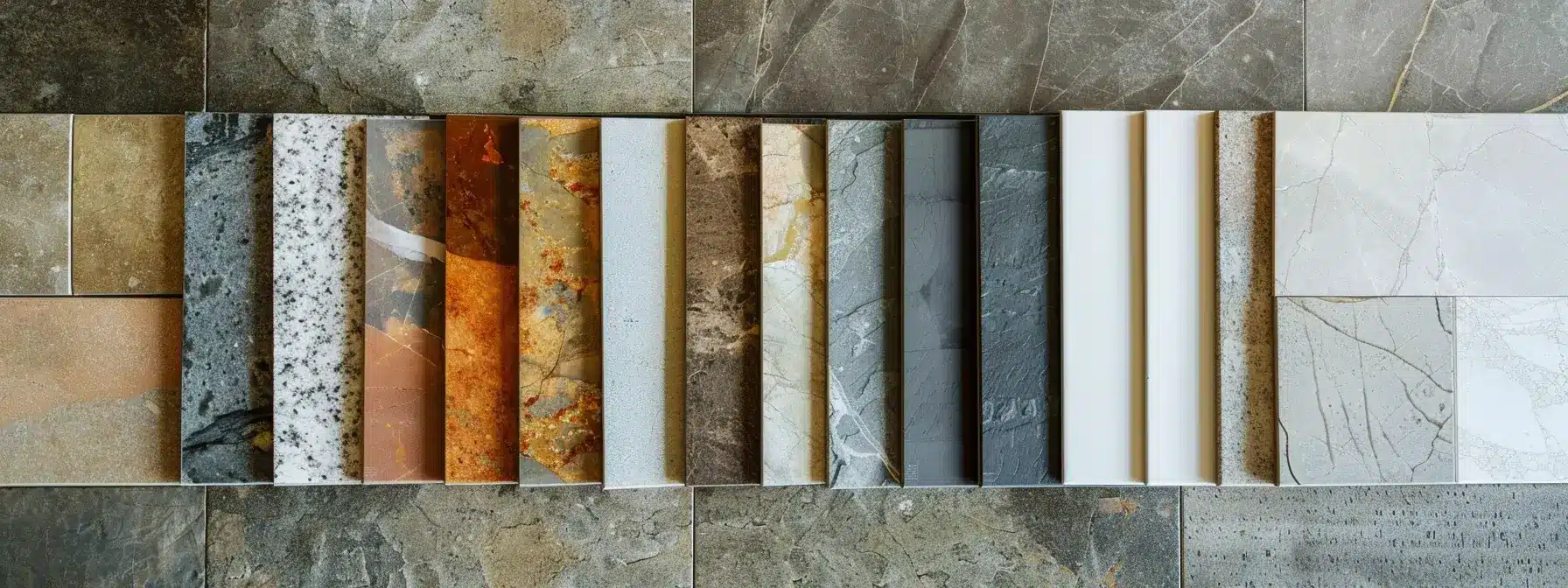
Timber, stone, brick, and steel are being used in fresh combinations that feel both grounded and contemporary at the same time.
The Kitchen as the Heart of the Home
Why the Kitchen Has Taken Centre Stage
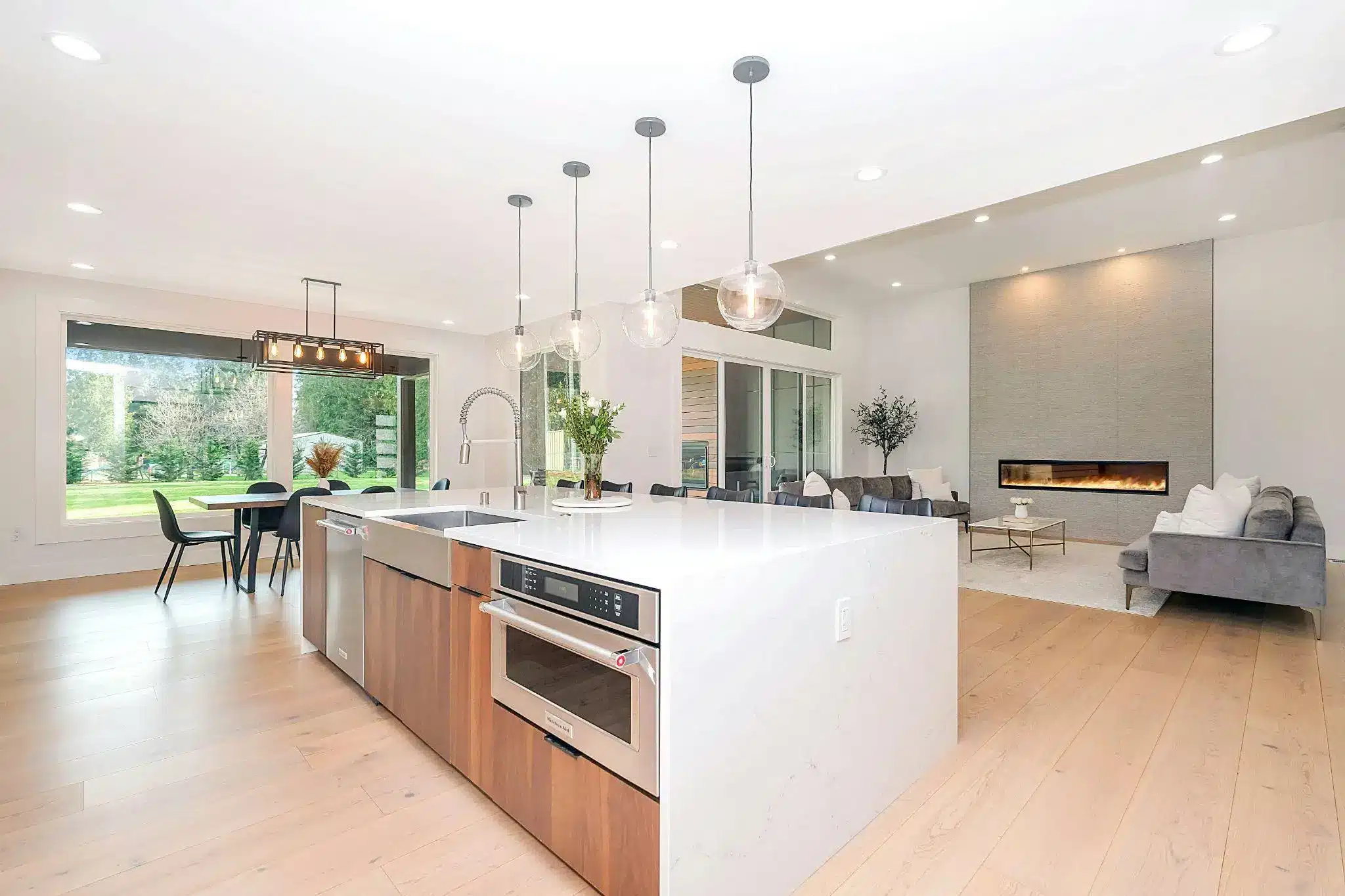
The kitchen has emerged as the true heart of the modern Australian home. It is no longer just a place to cook but a social hub where families gather, and guests linger long into the evening.
Open plan layouts have made the kitchen visible from almost every angle of the living area. This visibility has pushed homeowners to treat the space as a design centrepiece rather than a purely utilitarian zone.
Colour, Texture, and Coastal Influence
Colour palettes for kitchens have softened into calming neutrals like warm whites, sage greens, and gentle stone tones.
These hues invite light, create flow, and pair beautifully with timber accents and natural materials throughout the room.
Coastal influences have become particularly popular in homes near the beach and well inland, too.
The relaxed elegance of seaside living continues to inspire some of the most sought-after kitchen styles in the country today.
The Enduring Appeal of the Hamptons Look
One look that captures this mood with quiet confidence is the classic Hamptons aesthetic.
Homeowners curious about this approach can explore Hampton Kitchens for inspiration on shaker cabinetry, marble benchtops, and that signature breezy charm.
Designing Beyond the Kitchen
Lighting and Smart Storage
Beyond the kitchen, lighting choices have become a key player in defining how a space feels overall.
Pendant lights above an island bench or sculptural fittings in a hallway can transform an ordinary room into something memorable.
Storage has also been reimagined to support cleaner sightlines and uncluttered everyday surfaces.
Integrated appliances, deep drawers, and hidden pantries help maintain a calm and organised atmosphere from morning right through to night.
Indoor Outdoor Living
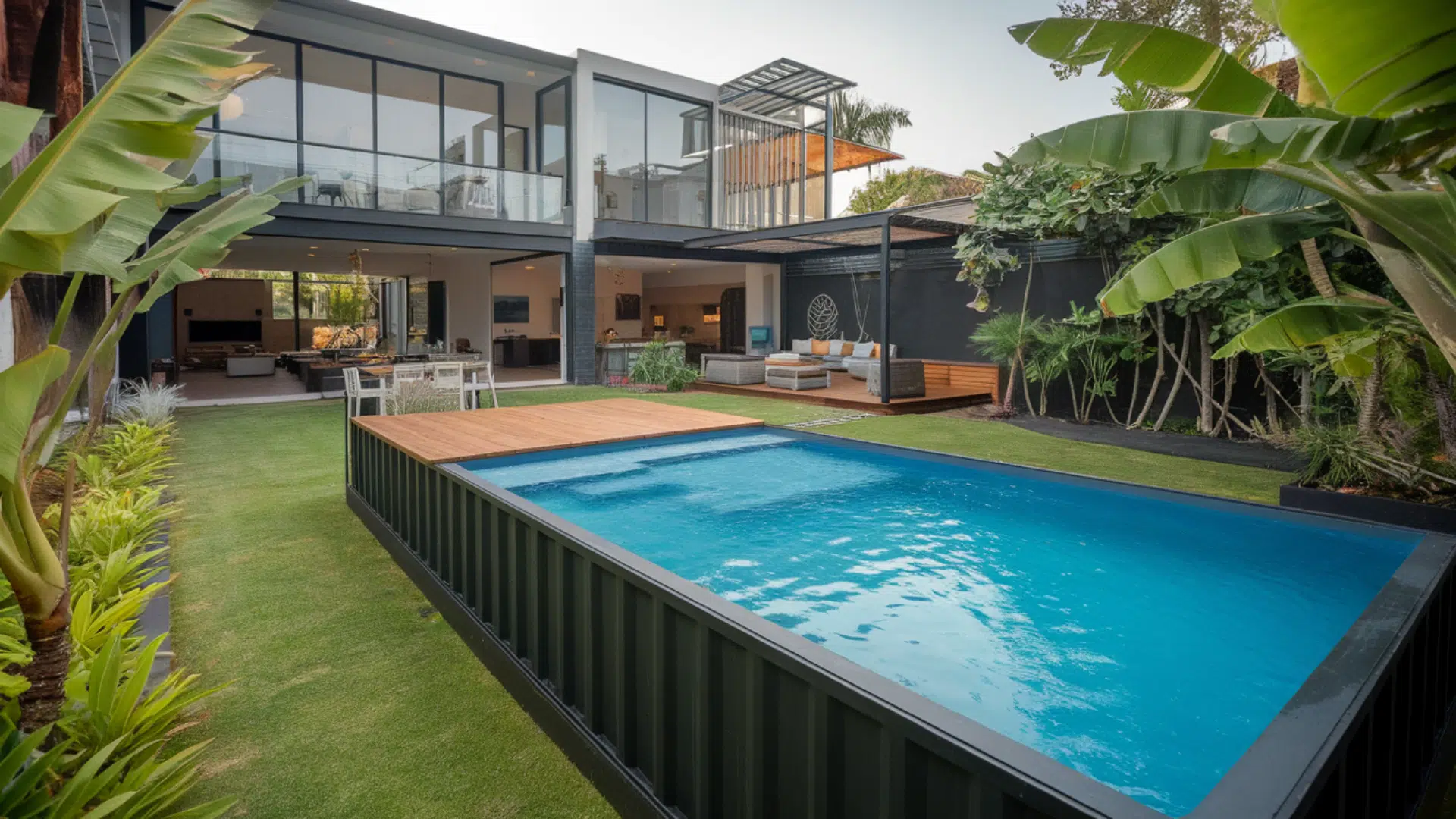
Outdoor connection is another trend defining contemporary Australian living in homes large and small.
Large sliding doors, covered alfresco zones, and seamless transitions to the garden are now considered essentials rather than luxuries.
This indoor-outdoor mindset reflects the broader Australian lifestyle of long summers and easy entertaining.
Homes are increasingly designed so the boundary between inside and outside almost disappears on a clear afternoon.
Sustainability and Eco-Minded Materials
Sustainability has also taken centre stage in how new homes are conceived and built today. Energy-efficient appliances, solar-ready roofs, and water-wise fittings are no longer optional extras but expected features in any modern build.
Material choices reflect this same eco-minded thinking from one room to the next. Recycled timber, low-VOC paints, and locally sourced stone are valued for both their look and their lighter environmental footprint.
The Rise of Compact Living
Why Australians Are Going Smaller
At the other end of the spectrum from grand renovations sits the rising interest in compact living. Smaller homes are gaining serious traction with Australians from all walks of life across the country.
This movement is driven by affordability, environmental awareness, and a clear desire for simpler daily routines.
Many people are realising that a smaller footprint can deliver a richer everyday experience when the design is right.
Compact living also frees up time and money that bigger homes typically demand for upkeep and bills.
Less square footage often translates into more freedom for travel, hobbies, and time spent with the people who matter most.
Innovation in Tiny Home Design
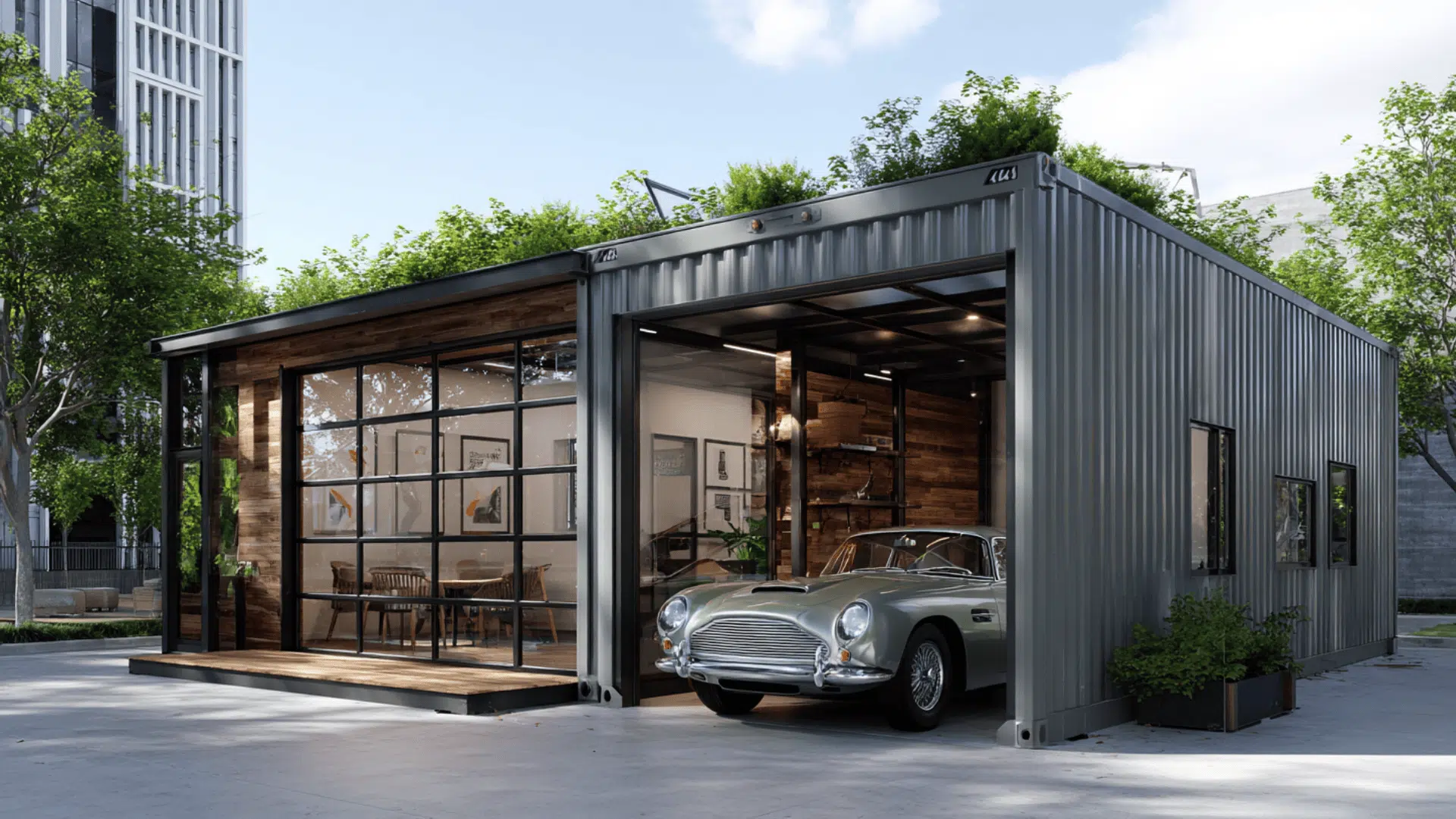
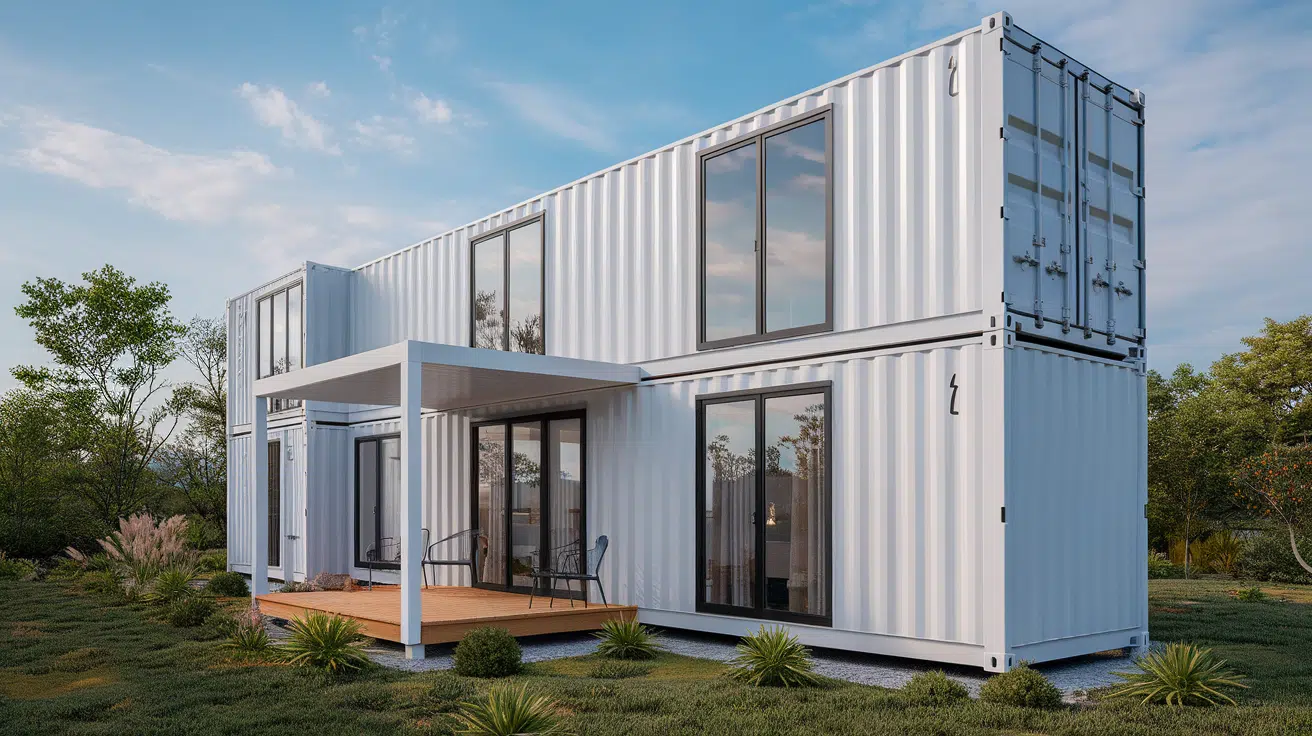
The popularity of smaller dwellings has sparked a genuine wave of innovation in floor planning across the industry.
Designers are finding clever ways to pack remarkable comfort, storage, and personality into modest dimensions.
Architects working in this space are pulling double duty from every wall, corner, and ceiling cavity. The result is a generation of homes that feel surprisingly spacious despite their tight overall footprint.
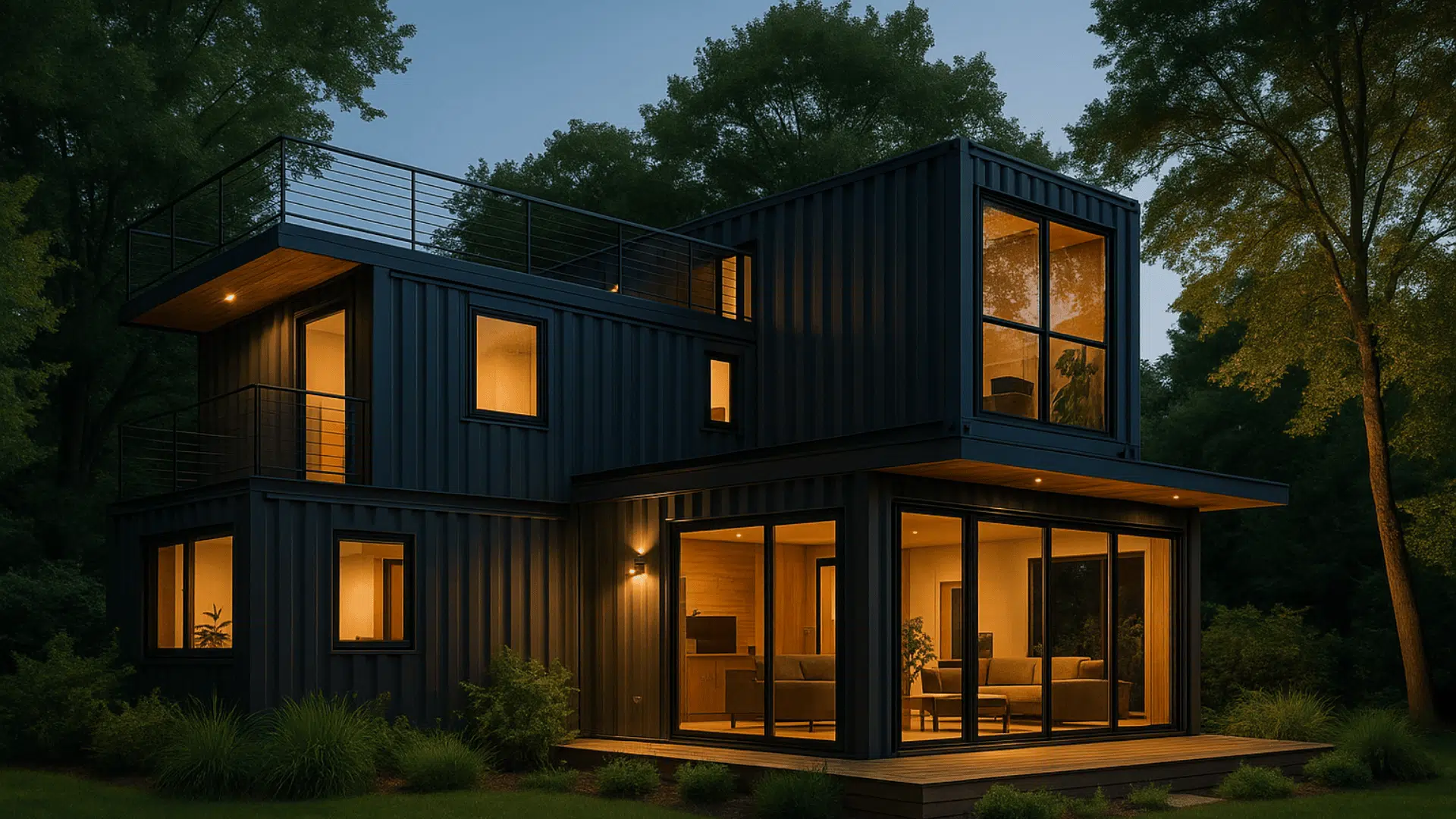
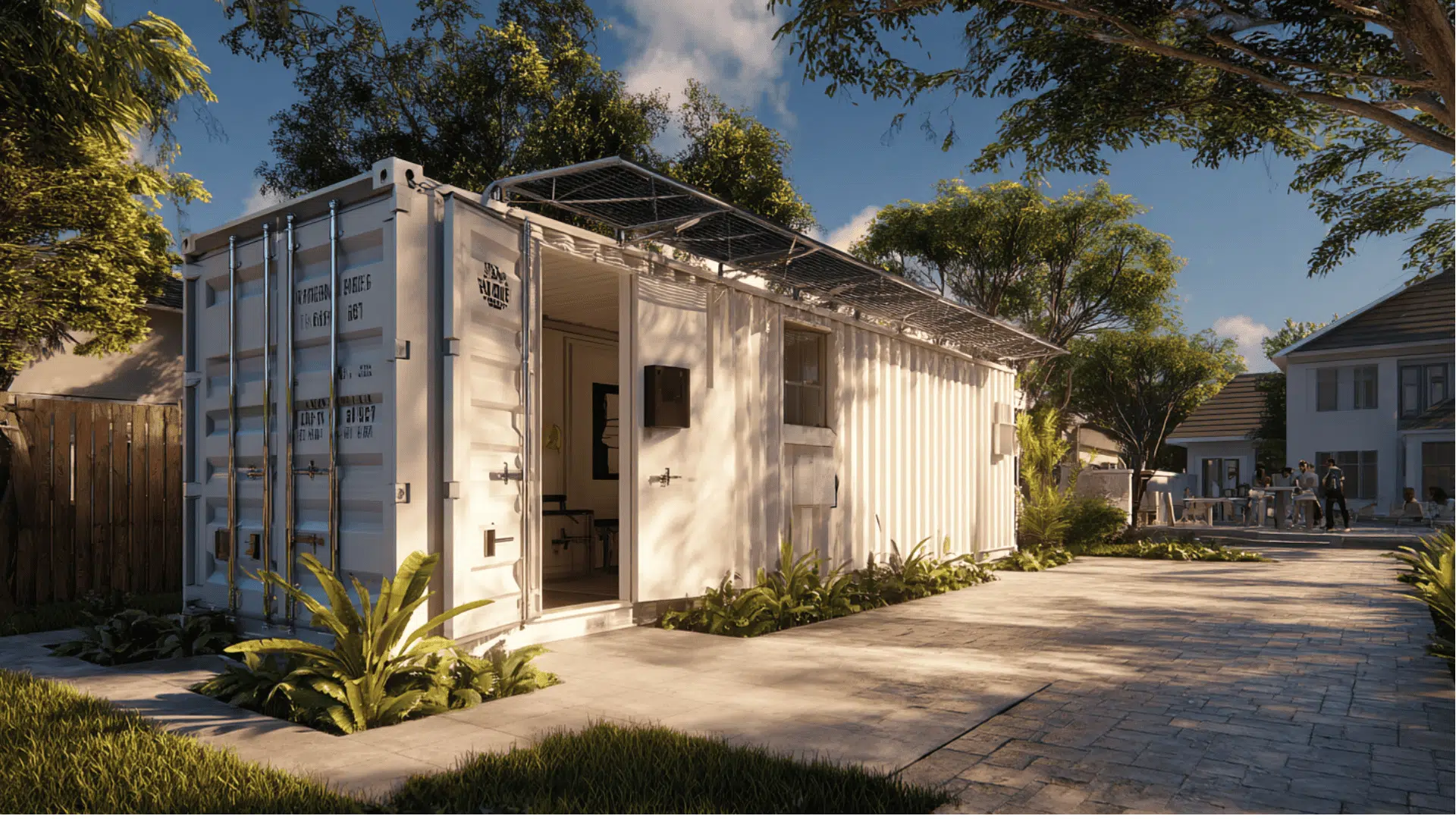
For anyone drawn to this approach, it is worth taking time to explore tiny homes in Australia and see what is genuinely possible. The category is far more diverse than many people might initially expect.
Versatility and Lifestyle Fit
Tiny homes are not just about saving space or money but about reshaping personal priorities. Living with less encourages a focus on quality, craftsmanship, and the items that truly matter to the owners.
These compact dwellings can serve as primary residences, weekenders, granny flats, or steady rental income streams.
Their flexibility makes them appealing across age groups, budgets, and life stages, from young singles right through to retirees.
Bringing It All Together
Intentional Design at Any Scale
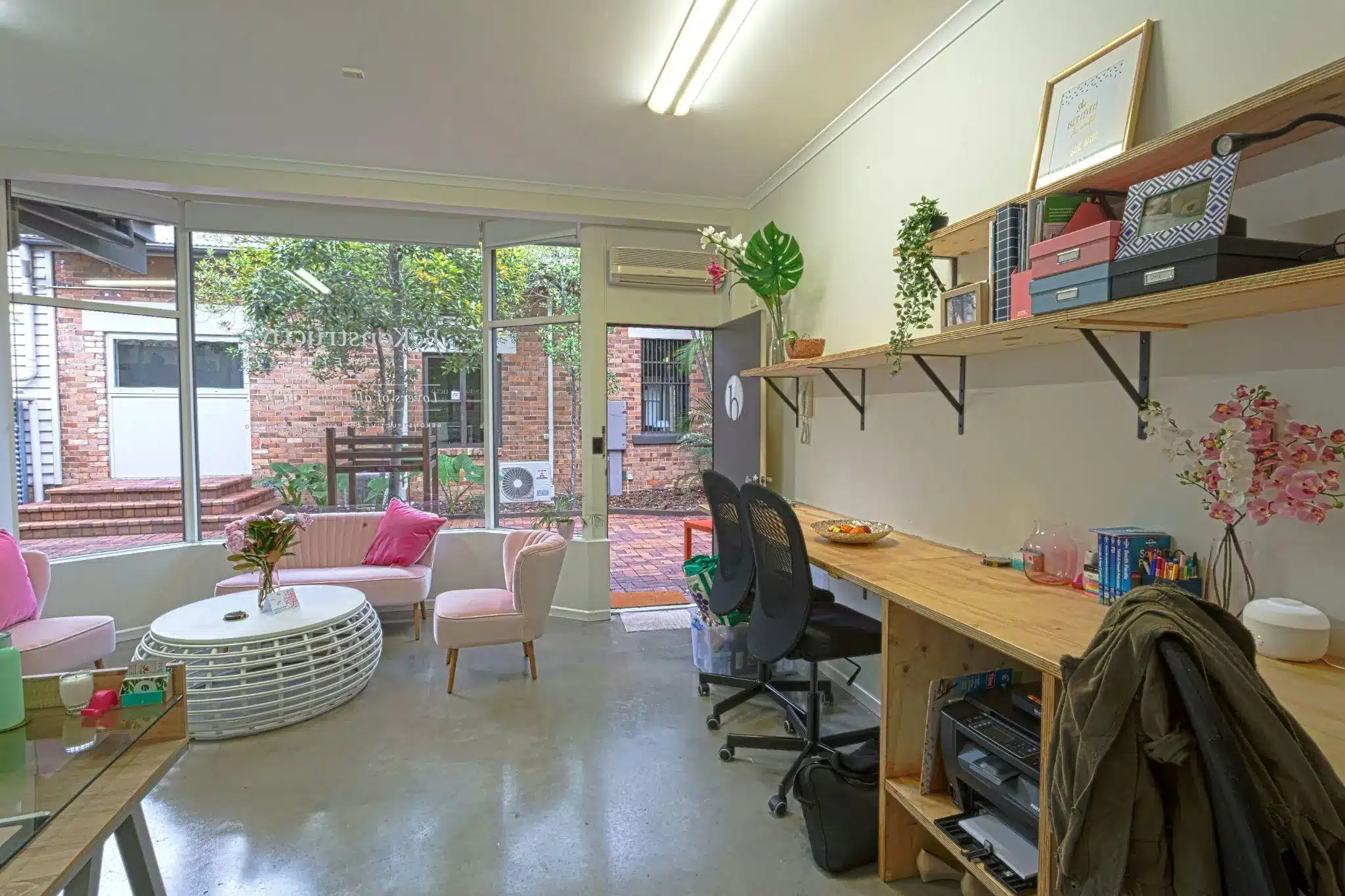
What both grand kitchens and tiny homes share is a deep focus on intentional design. Whether the canvas is two hundred square metres or twenty, every single choice counts toward how the space lives and feels.
Personalisation has become the thread tying these very different projects together in recent years.
Australians want homes that feel uniquely theirs rather than rooms that could belong to anyone in any city.
Working with thoughtful designers and builders is what makes that personalisation possible from concept through to completion.
Their expertise translates abstract preferences into practical layouts, fittings, and finishes that stand the test of time.
Practical Planning Tips
Budgeting honestly from the very start is one of the most underrated elements of any home project.
Clear numbers prevent disappointment later and allow creativity to flourish within sensible limits.
Timing is another factor worth considering carefully before committing to a renovation or a new build.
Lead times for trades, materials, and approvals can stretch much longer than first-time renovators tend to expect. That planning stage is also a good opportunity to understand the condition of an existing home, particularly before older properties are altered, a topic covered in resources such as Rapid Building Inspections Brisbane.
Patience pays off, though, when the result is a home that truly fits its occupants. Rushing important decisions almost always leads to small regrets that surface only once the dust has finally settled.
It also helps to look at plenty of examples before locking in any major design directions. Browsing photos, visiting showrooms, and walking through completed projects builds a clearer picture of what genuinely appeals.
Final Thoughts
Whether the dream involves a grand coastal kitchen or a beautifully designed tiny home, the underlying principles remain the same.
Thoughtful planning, quality materials, and a clear sense of how you want to live will always deliver the best possible result.
The Australian home of today is more personal, more efficient, and more connected to its surroundings than ever before.
Embracing that shift opens up exciting possibilities no matter the size of the block or the scale of the project ahead.