It is easy to overlook the bed when thinking about how a home is put together. Most people inherit their preferences from habit rather than intention, choosing something similar to what they have always had, or simply replacing what is already there. The decision feels practical, almost automatic, and rarely carries the same weight as furniture or layout.
That quiet default is starting to change. As homes become more considered and more reflective of how people actually live, the bed is beginning to take on a different role. It is no longer just something that fills a room, but something that shapes how the room is experienced.
A Subtle Shift in Priorities
The shift does not announce itself in dramatic ways. It tends to emerge through small moments, such as noticing poor sleep, feeling cramped, or realising that a room is not working as well as it could. Over time, these observations lead to a different kind of question, not what fits, but what feels right.
There is also a growing awareness that sleep is not separate from the space around it. Research from the Sleep Foundation has shown that mattress quality plays a meaningful role in sleep continuity, particularly when it comes to reducing discomfort and nighttime waking. Once that connection becomes clear, the bed stops being a background decision and becomes part of a larger conversation about wellbeing.
Where Size Starts to Matter
One of the most interesting aspects of this change is how people are thinking about size. Larger beds have become more common, often chosen to create space and reduce disturbance. At the same time, there is a growing appreciation for sizes that sit somewhere in between, offering both comfort and flexibility.
A king single, for instance, is often overlooked because it does not fit neatly into traditional categories. Yet it offers a balance that many spaces benefit from. It provides more room than a standard single without overwhelming the layout, making it a thoughtful choice for guest rooms, smaller homes, or spaces that serve more than one purpose. Looking at options like a king single mattress from Bedpost reveals how this middle ground can work in practice, particularly when space and comfort need to coexist.
The Influence of Research, Quietly Applied
The growing attention on bed choice is not purely instinctive. There is a body of research that supports what many people are starting to notice for themselves. A study published in the Journal of Chiropractic Medicine found that individuals who changed to a more supportive mattress reported improvements in both sleep quality and physical comfort over a relatively short period.
There is also evidence that space affects sleep more than people assume. Research discussed in Frontiers in Sleep has explored how limited sleeping space can increase disturbance, particularly when movement is restricted. While these findings are rarely the starting point for a purchase, they tend to reinforce decisions once people begin to think more carefully about their setup.
Design That Works in the Background
What stands out in this shift is that it is not driven by aesthetics alone. The visual aspect of a bedroom still matters, but it is being balanced with a more practical understanding of how the space functions. The bed sits at the centre of that balance, influencing how a room feels and how it is used.
This does not mean that bedrooms are becoming overly technical or overly designed. If anything, the opposite is true. The goal is not to create something complex, but to remove friction. A well-chosen bed can make a room feel more open, more balanced, and easier to live in without drawing attention to itself.
Living with Less, but Choosing Better

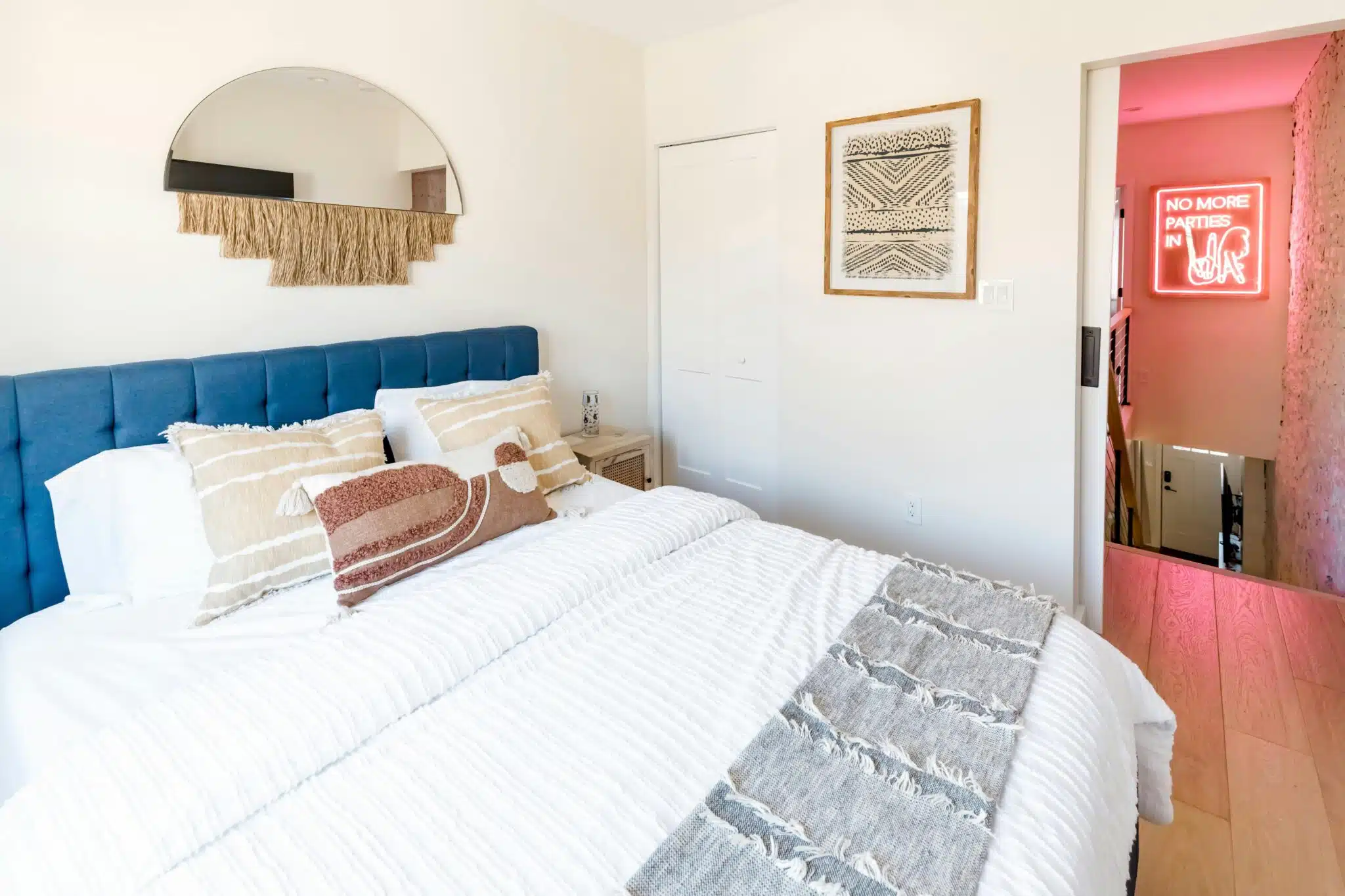
This has led to more thoughtful decisions, where proportion and purpose are considered together. A king single, for example, can allow a room to function as both a sleeping space and something more flexible during the day. These choices feel less like compromises and more like considered responses to how people actually use their homes.
Over time, a few consistent factors tend to influence these decisions:
- the amount of space needed to move comfortably during the night
- the level of support required to avoid pressure or discomfort
- how the bed fits within the overall flow of the room
These are not dramatic considerations, but they shape how the space is experienced over time.
Comfort as a Starting Point
There has also been a shift in how comfort is understood. It is no longer something that sits behind practicality or cost. It has become a starting point, something that informs the decision rather than follows it.
This is partly driven by a better understanding of how sleep affects the rest of life. Energy, focus, and mood are all tied to how well someone rests, and that awareness makes it harder to ignore when something is not working. Instead of waiting for a bed to become unusable, more people are choosing to make changes earlier.
Exploring a wider range of options, such as those available through Bed Post, becomes part of that process. Not as a way to find something new for the sake of it, but as a way to understand what actually improves the experience of the space.
The Quiet Impact of Getting It Right
What makes all of this interesting is how understated it is. A bed rarely stands out as a defining feature in the way a piece of furniture might. It does not demand attention, yet it has a lasting presence in daily life.
It shapes how a room feels when you wake up, how easily you move through it, and how well you rest at the end of the day. These are not things that draw immediate attention, but they are felt consistently over time.
As homes continue to evolve, it is often these quieter decisions that carry the most weight. They do not transform a space overnight, but they shape how it is lived in, day after day.