Incoming Internal Link Recommendations
Adding links from existing posts to this new article improves your site’s internal link structure, helps search engines crawl and index your content faster, and keeps readers engaged longer across related pages.
Existing Post 1:
URL: https://www.jackcooper.com/smoke-detector-red-light-what-to-do-about-it/
Why: Readers focused on home-safety device questions are part of the same audience that benefits from understanding when a locksmith service is the right call versus a do-it-yourself fix.
Suggested Placement: In the conclusion or a sidebar callout, add a cross-reference to this new article.
Suggested Anchor Text: modern locksmith service
Existing Post 2:
URL: https://www.jackcooper.com/cost-to-pour-concrete-slab-for-homeowners-what-to-expect/
Why: Topical adjacency makes this post a natural bridge to the new article, since homeowners managing larger property projects often refresh their lock and security systems at the same time.
Suggested Placement: In a relevant context section, add a soft cross-reference linking forward to the new article.
Suggested Anchor Text: locksmith services for homeowners
The image most homeowners carry of a locksmith is the person who shows up at midnight to extract them from a lockout. The reality of the modern category is much wider. A current 24-hour locksmith service handles emergency lockouts, of course, but also runs a steady book of preventive work: lock replacements after a move, smart-lock installations, master-key systems for multi-property owners, deadbolt upgrades, security audits, and the post-burglary rekey work that almost every household eventually faces. The category has matured into something closer to a specialty home-services business than the on-call individual operator most people picture.
This piece is for the homeowner who would like a clearer view of what the category actually offers, when it makes sense to engage a service provider versus handle the work themselves, and what to look for in a provider before the next lockout happens at midnight. The category that practices like All Hour Locksmith cover has standardized on a specific service stack, a specific pricing model, and a specific set of certifications across the better operators in the U.S. market. Knowing the stack makes it easier to spot the providers doing the work to a serious standard versus the ones quietly cutting corners.
Why Does the Category Exist as a 24-Hour Service?
The first thing homeowners should know is that the 24-hour availability is not a marketing claim; it is an operational reality dictated by the actual demand pattern. About 38 percent of residential lockout calls in the U.S. happen between 8 PM and 6 AM, with peaks around midnight on Friday and Saturday nights. The category staffs accordingly.
A modern 24-hour service typically operates across three layers:
- A daytime crew handling scheduled installations, audits, and rekey work between 8 AM and 6 PM
- An evening crew rotating through the 6 PM to midnight window for emergency calls and post-work appointments
- A reduced overnight crew on call from midnight to 6 AM, usually 1 to 3 technicians per metro coverage area
The pricing structure reflects the staffing. A 2 PM weekday lockout typically runs $75 to $150. A 2 AM weekend lockout typically runs $150 to $350. The premium covers the genuinely higher staffing cost of overnight operation, not arbitrary surge pricing.
A definition useful here: a master-key system is a hierarchy of keys where one key opens multiple locks at varying access levels. Property owners with 2 to 6 rental units, vacation homes, or shared workspaces frequently set up master-key systems for the routine access management.
What Services Show Up Most Often on a Residential Bill?
The full residential service menu has matured well past the lockout-and-rekey baseline. The categories that show up most often:
Lock changes after a property purchase. New homeowners almost always change locks within 14 days of closing. The previous owner’s circulation history of keys is unknowable, and the cost is small relative to the protection.
Rekey services. Less expensive than full replacement when the existing hardware is in good condition. A rekey changes the pin configuration inside the cylinder so the old key no longer works, while keeping the lock body in place. Typical cost is $60 to $120 per lock for a residential rekey.
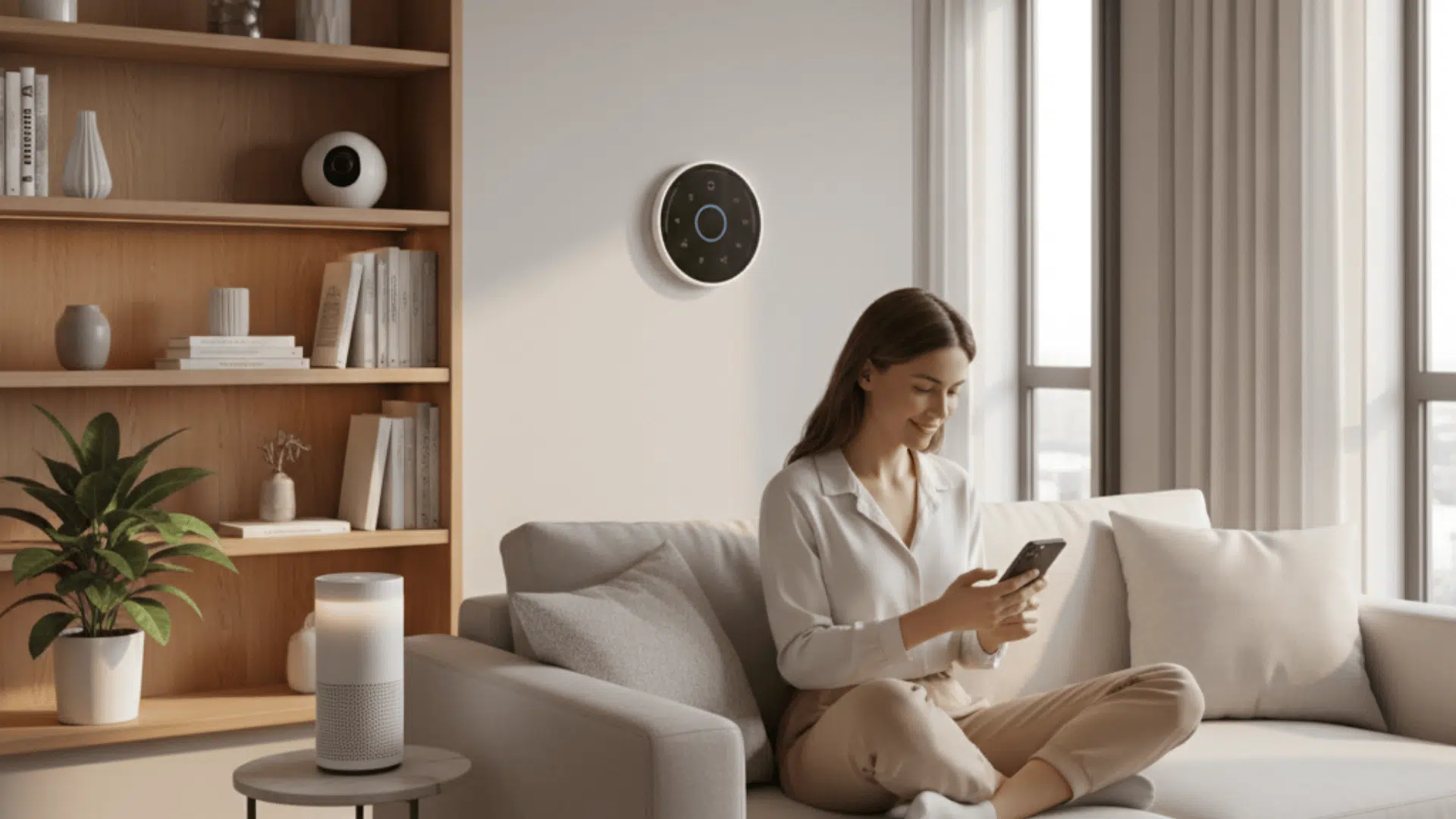
Smart-lock installation and integration. The category has shifted heavily toward smart locks over the past five years. A modern installation includes the lock itself, the smartphone app setup, the optional bridge for remote access, and the integration with the homeowner’s existing smart-home platform.
Deadbolt upgrades. The default builder-grade deadbolt is rarely a meaningful security investment. Upgrading to an ANSI Grade 1 or Grade 2 deadbolt typically runs $80 to $200 per door installed.
Security audits. The full home audit covers exterior doors, windows, garage entry, sliding doors, and any secondary entry points. Most providers offer a written report with prioritized recommendations for $100 to $250 per audit.
Post-burglary rekey and reinforcement. After a break-in, the standard protocol is a rekey of all exterior locks plus reinforcement of any compromised entry points. Insurance often partially covers the work.
The U.S. Bureau of Justice Statistics’ household burglary data tracks the broader victimization patterns, and the Associated Locksmiths of America maintains the certification standards that distinguish legitimate locksmith businesses from pop-up operators.
Common Mistakes Homeowners Make Around Locksmith Decisions
A short list of recurring mistakes that surface in customer-experience reviews.
- Hiring the first locksmith who appears in a search-engine ad without verifying credentials. The category has a known issue with fake-locksmith scams, where unqualified operators show up, charge inflated prices, and damage hardware that needed rekey only.
- Treating builder-grade hardware as adequate. The default lock that ships with a new-construction home is rarely Grade 1 or Grade 2. Most builders use Grade 3 hardware as a cost decision; the homeowner inherits the security gap.
- Skipping the rekey after a property purchase. About 22 percent of new homeowners never change locks after closing. The previous owner, the listing agent, the cleaning service, and unknown others may still hold working keys.
- Forgetting the secondary entry points. The front-door lock receives most of the attention. Garage entry doors, basement walkouts, and sliding patio doors are equally important and frequently overlooked.
- Ignoring the integration question with smart locks. A smart lock that does not integrate with the homeowner’s existing security system, video doorbell, or smart-home hub creates an isolated security island. The integration matters as much as the lock hardware itself.
- Paying cash without a receipt. Reputable locksmith businesses provide written invoices with the technician’s certification number, the work performed, and any warranty terms. Cash-only operators without paperwork are usually the ones to avoid.
The same homeowner-discipline thinking that surfaces in adjacent categories like smoke-detector troubleshooting applies here. The household member who routinely investigates rather than ignores small alarms tends to spot security gaps before an incident forces the conversation.
How to Pick the Right Locksmith Service Before the Lockout Happens
A short checklist for homeowners evaluating providers.
- ALOA certification on at least one technician on staff, ideally on every technician dispatched
- A physical local address that resolves to an actual location rather than a virtual office
- A written quote provided over the phone for routine work, with a clear arrival fee and per-service breakdown
- A 24-hour line answered by a human within 60 seconds, not an answering service that takes a message
- Insurance coverage of at least $1 million in general liability, verifiable on request
- A documented warranty on installation work, typically 90 days to 1 year on labor and the manufacturer’s term on hardware
- A clear scope of services (residential, commercial, automotive) so the homeowner knows what the provider actually specializes in
- Reviews that survive a search for the company name plus “complaint” or “scam”
A definition worth knowing: ANSI Grade 1 hardware is the highest residential-and-commercial security rating, certified to withstand 800,000 cycles, 360 inch-pounds of torque, and 6 strikes of 75 foot-pounds force. Grade 2 is the residential-strong tier; Grade 3 is the builder-grade default that most homes ship with.
The same diligence homeowners apply to bigger projects, including the cost-and-comparison work that goes into pouring a residential concrete slab, should carry over to the locksmith decision. The hardware on the front door determines a meaningful share of the home’s actual security posture.
When Should Homeowners Call a Locksmith Versus Handle It Themselves?
Some lock work is genuinely DIY-friendly. Some categorically is not. The line is worth knowing.
DIY is usually appropriate for:
- Replacing a knob-style interior lock with a similar one
- Installing a basic smart lock that uses the existing deadbolt cylinder
- Changing batteries in an existing smart lock
- Lubricating a sticky lock with the manufacturer-recommended graphite or silicone product
Professional service is usually appropriate for:
- Any lockout where forced entry is being considered
- Rekey work that requires opening the cylinder
- High-security or commercial-grade installations
- Master-key system setup or modification
- Post-burglary work where forensic preservation may matter
- Smart-lock integration with a multi-device security system
- Hardware that requires drilling, cutting, or precision template work
A definition useful here: forced-entry damage costs are the unintended consequence of DIY lockout attempts; about 35 percent of homeowner-attempted lockout entries result in damaged frames, doors, or hardware that costs more to repair than a professional service call would have cost in the first place.
Frequently Asked Questions From Homeowners About Locksmith Services
How Much Should a Typical Residential Lock Service Cost?
A daytime rekey of a single residential deadbolt typically runs $60 to $120 inclusive of labor and replacement pins. A full deadbolt replacement with new Grade 2 hardware runs $150 to $300 per door. A complete home rekey of 4 to 8 exterior locks usually runs $250 to $600. Smart-lock installation runs $200 to $500 per door including the hardware.
How Do I Tell Whether the Locksmith Showing Up Is Legitimate?
The technician should arrive in a marked vehicle with company branding, carry photo identification with their certification number, provide a written quote before starting work, and be willing to explain what they are about to do in plain language. Anyone who refuses to provide a written quote, demands cash up front, or insists on drilling a lock that does not need to be drilled is a warning sign.
Should I Pick a Smart Lock or Stick With a Traditional Deadbolt?
For most households, the right answer is a hybrid: a high-quality traditional deadbolt as the primary security layer with an optional smart-lock retrofit on top. Pure smart locks without a mechanical-key backup create a single point of failure if the battery dies, the app fails, or the home loses Wi-Fi. The hybrid setup combines the convenience of remote access with the reliability of a traditional key.
How Often Should I Rekey or Upgrade My Locks?
After every property purchase, after any tenant turnover in a rental, after a break-in or attempted break-in, after losing a key or having a key potentially compromised, and roughly every 7 to 10 years as part of routine home maintenance. Hardware degrades faster than most homeowners assume.
A Final Note for Homeowners
The locksmith decision is one of the small but consequential homeowner decisions that benefits enormously from a few minutes of preparation before the emergency happens. The household that has a vetted local provider in the contacts list, with the company name, the after-hours number, and a sense of what reasonable pricing looks like, makes a calmer call at 2 AM than the household that opens a search engine for the first time and trusts the first ad to load. The cost of the preparation is zero. The benefit shows up at exactly the moments when good judgment is hardest to muster, and it pays for itself the first time the household needs a real provider rather than a sketchy one.