Exterior cleaning has evolved far beyond simple hose-and-brush routines. Today, it blends chemistry, surface science, climate awareness, and specialized equipment to maintain buildings effectively. In places like Milford, CT, where coastal moisture, seasonal shifts, and environmental buildup interact, exterior surfaces require a thoughtful approach rather than a one-size-fits-all method.
This article explores lesser-discussed aspects of exterior cleaning, focusing on how professionals assess surfaces, adapt techniques, and manage long-term results.
Surface Diagnostics: Reading the Story Before Cleaning
Before any cleaning begins, understanding the condition of a surface is critical. Professionals in an exterior cleaning business rely on visual inspection, touch, and sometimes even moisture meters to evaluate what they’re dealing with.
Different stains, organic growth like algae, atmospheric pollution, rust, or mineral deposits, each require a specific approach. For example, a green film on siding in Milford’s humid climate may indicate algae, while black streaks could point to mold or oxidation. Applying the wrong method not only fails to remove the issue but can also damage the material beneath.
Surface diagnostics also include identifying the material itself. Vinyl siding, painted wood, stucco, brick, and composite materials all respond differently to pressure, temperature, and cleaning agents. A miscalculation here can lead to etching, peeling, or water intrusion. This diagnostic phase is often invisible to homeowners but forms the backbone of effective cleaning.
The Chemistry Behind Effective Cleaning Solutions
While pressure washing gets most of the attention, the real work often happens at the chemical level. Cleaning agents are formulated to break down specific types of contaminants.
Organic growth, for instance, is typically treated with solutions containing sodium hypochlorite or other antimicrobial agents. These compounds penetrate and neutralize biological material at its root rather than simply removing surface stains. On the other hand, mineral deposits may require mild acids to dissolve buildup without harming the substrate.
Balancing chemical strength is crucial. Too strong, and the solution can damage surfaces or surrounding vegetation. Too weak, and it becomes ineffective. In coastal towns like Milford, CT, where salt exposure can alter surface chemistry, selecting the right formulation becomes even more nuanced. Professionals often adjust concentrations based on weather conditions, surface age, and the severity of buildup.
Pressure vs. Soft Washing: Precision Over Force
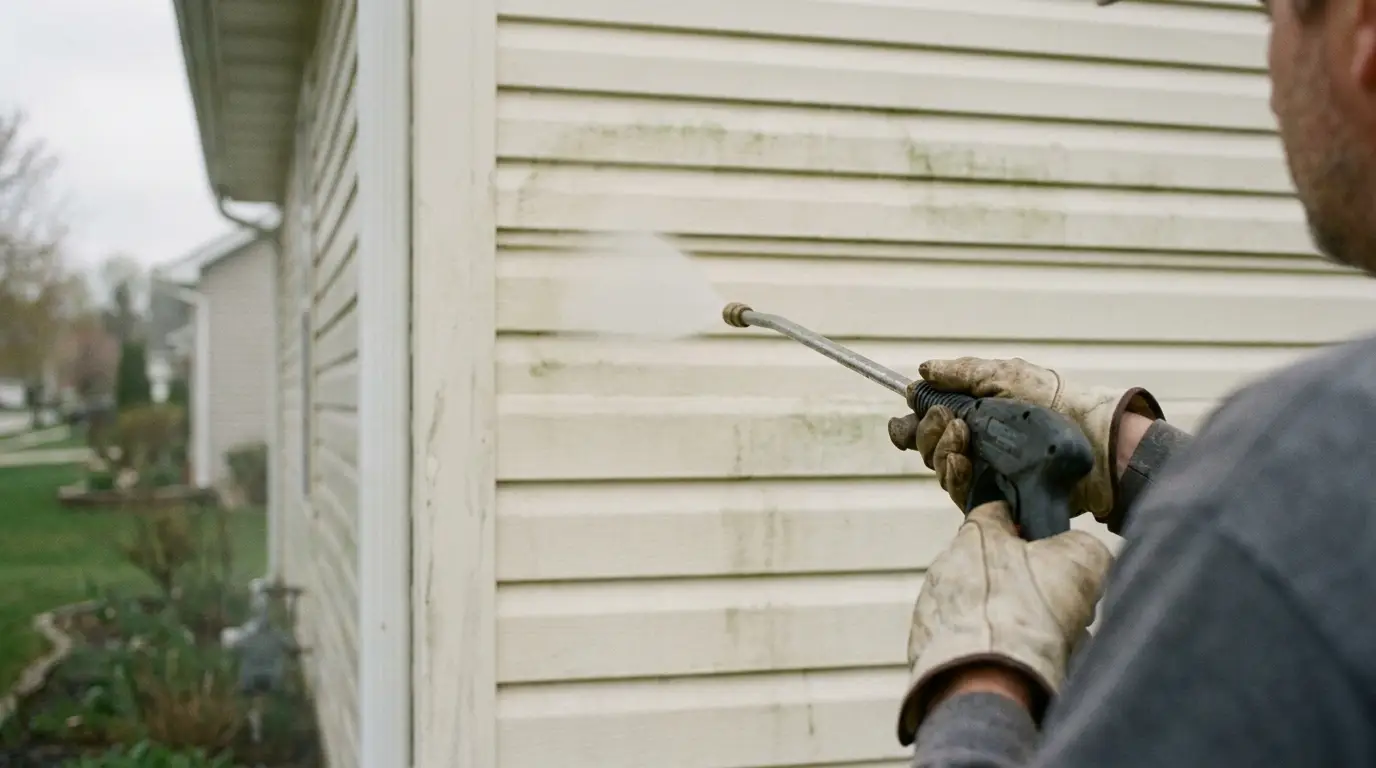
Contrary to popular belief, higher pressure does not always mean better cleaning. In fact, excessive pressure can cause irreversible damage. This is why many professionals prefer soft washing techniques for delicate surfaces.
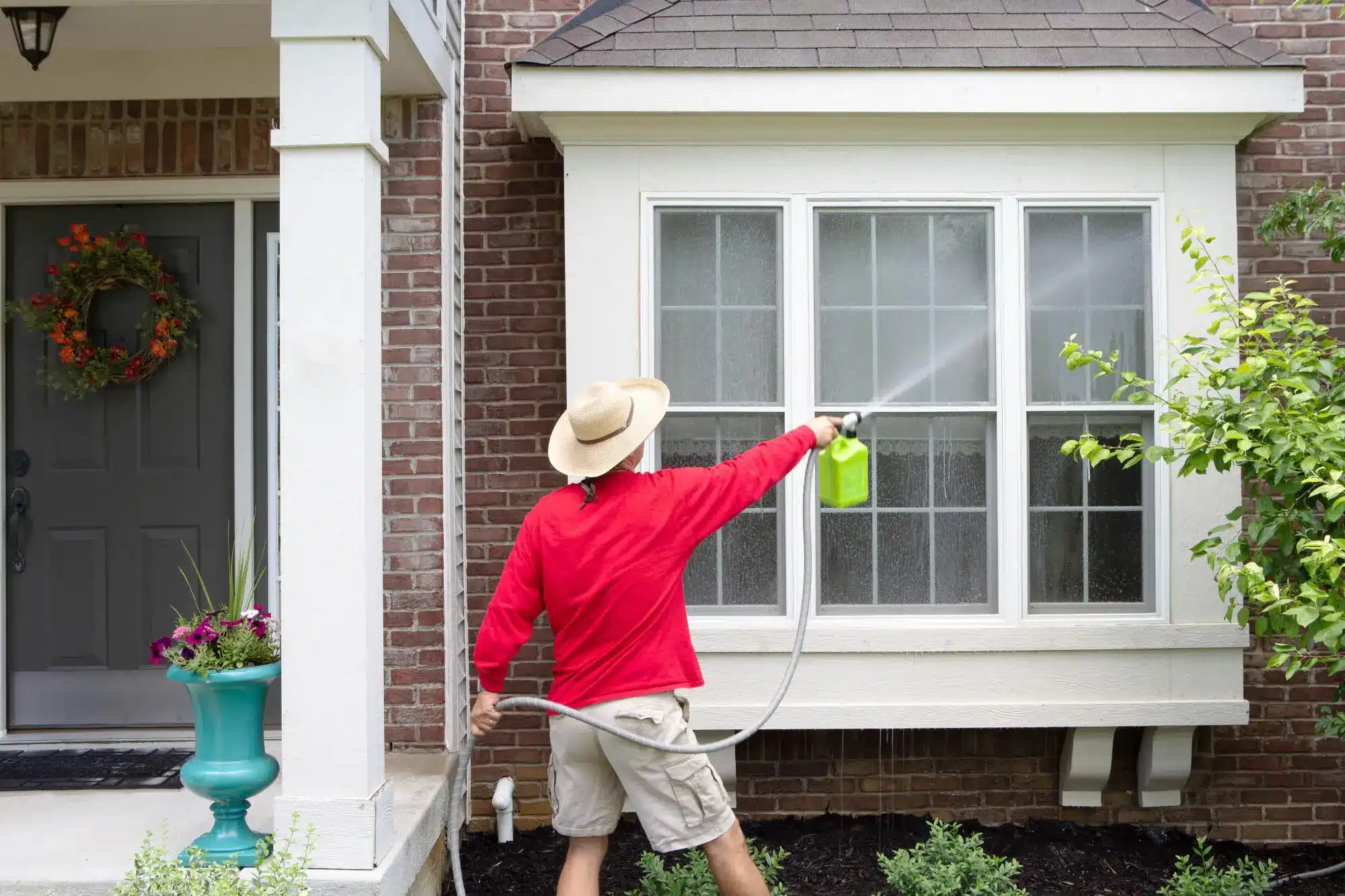
Soft washing relies on low-pressure water combined with specialized cleaning solutions. Instead of blasting away dirt, it treats and loosens contaminants, allowing them to be rinsed off gently. This method is particularly useful for roofs, painted surfaces, and older materials that may not withstand high pressure.
Pressure washing still has its place, especially for hard surfaces like concrete or stone. However, even here, precision matters. The angle of the spray, distance from the surface, and nozzle type all influence the outcome. Skilled technicians adjust these variables continuously, ensuring thorough cleaning without compromising structural integrity.
Environmental Considerations and Runoff Management
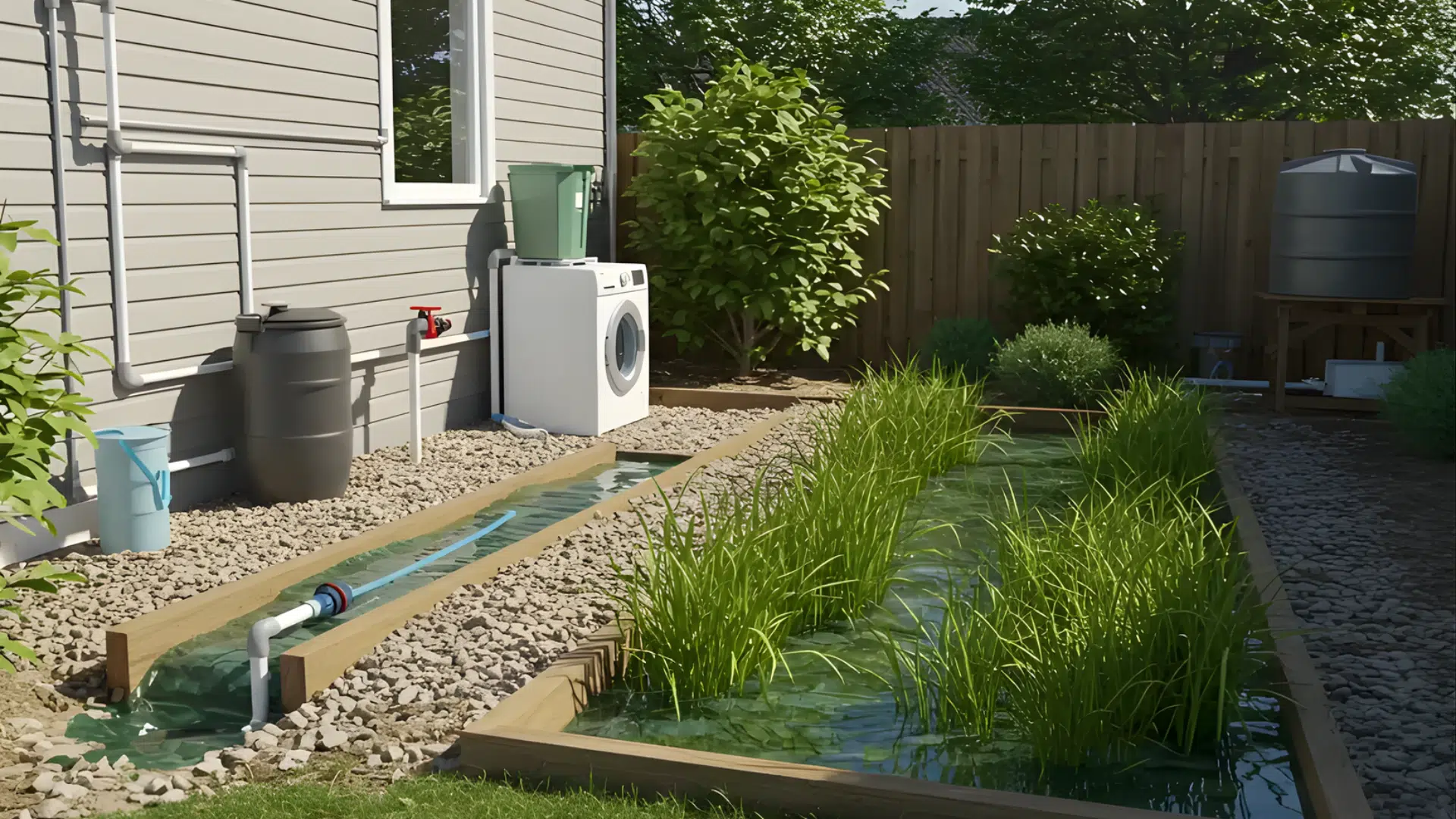
Exterior cleaning doesn’t happen in isolation—it interacts with the surrounding environment. One often-overlooked aspect is runoff management. When cleaning agents and debris are washed away, they can enter storm drains, soil, and nearby water bodies.
In a coastal area like Milford, CT, this becomes particularly important. Regulations may require containment or controlled disposal of wastewater, especially when chemicals are involved. Professionals often use techniques such as diverting runoff, using biodegradable solutions, or capturing wastewater for proper disposal.
Weather conditions also play a role. Wind can carry overspray onto unintended surfaces, while rain can dilute cleaning solutions before they’ve had time to work. Timing and environmental awareness are therefore integral to the cleaning process, not just secondary concerns.
Equipment Innovation and Adaptation
Modern exterior cleaning equipment has advanced significantly, allowing for greater efficiency and precision. Adjustable pressure systems, heated water units, and specialized nozzles enable technicians to tailor their approach to each surface.
Heated water, for example, can improve the breakdown of grease and organic matter, reducing the need for stronger chemicals. Meanwhile, telescoping wands and surface cleaners allow access to hard-to-reach areas while maintaining consistent pressure.
In regions like Milford, where buildings may feature varied architectural styles—from historic homes to modern constructions—adaptability in equipment becomes essential. Professionals often carry multiple tools and attachments, selecting the right combination based on the task at hand. This adaptability ensures that cleaning methods align with both the material and the environmental context.
Long-Term Surface Preservation Strategies
Cleaning is not just about immediate results; it also influences the longevity of exterior surfaces. Improper techniques can accelerate wear, while well-executed cleaning can help maintain structural integrity over time.
One strategy involves scheduling cleanings based on environmental exposure rather than arbitrary timelines. For example, properties near the coast may require more frequent attention due to salt accumulation, while shaded areas prone to moisture may need targeted treatments for organic growth.
Protective treatments can also play a role. Sealants, coatings, and preventative solutions help reduce future buildup and make subsequent cleanings more efficient. These measures are particularly relevant in climates like Milford, CT, where seasonal changes continuously impact exterior surfaces.
Understanding how cleaning interacts with material aging allows professionals to move beyond reactive maintenance and toward proactive care.
Conclusion
Exterior cleaning is a complex process that combines observation, chemistry, technique, and environmental awareness. From diagnosing surface conditions to selecting the right methods and managing long-term effects, each step requires careful consideration. In locations such as Milford, CT, where environmental factors add another layer of complexity, this expertise becomes even more important.
Whether approached by homeowners or handled through an exterior cleaning business, the key lies in understanding that effective cleaning is not about force or frequency alone. It’s about applying the right knowledge at the right time to preserve and maintain the surfaces that define a property.