In the realm of interior design, choosing the right tile can significantly impact both the functionality and aesthetic of a space. Natural stone tile and ceramic tile are two popular choices, each offering distinct benefits and challenges. This article will explore the critical factors to consider when selecting between these two types of tiles, focusing on their characteristics, durability, and cost implications. By understanding these differences, homeowners and designers can make informed decisions that align with their design intent and project requirements.
Natural Stone Tile vs Ceramic Tile Comparison
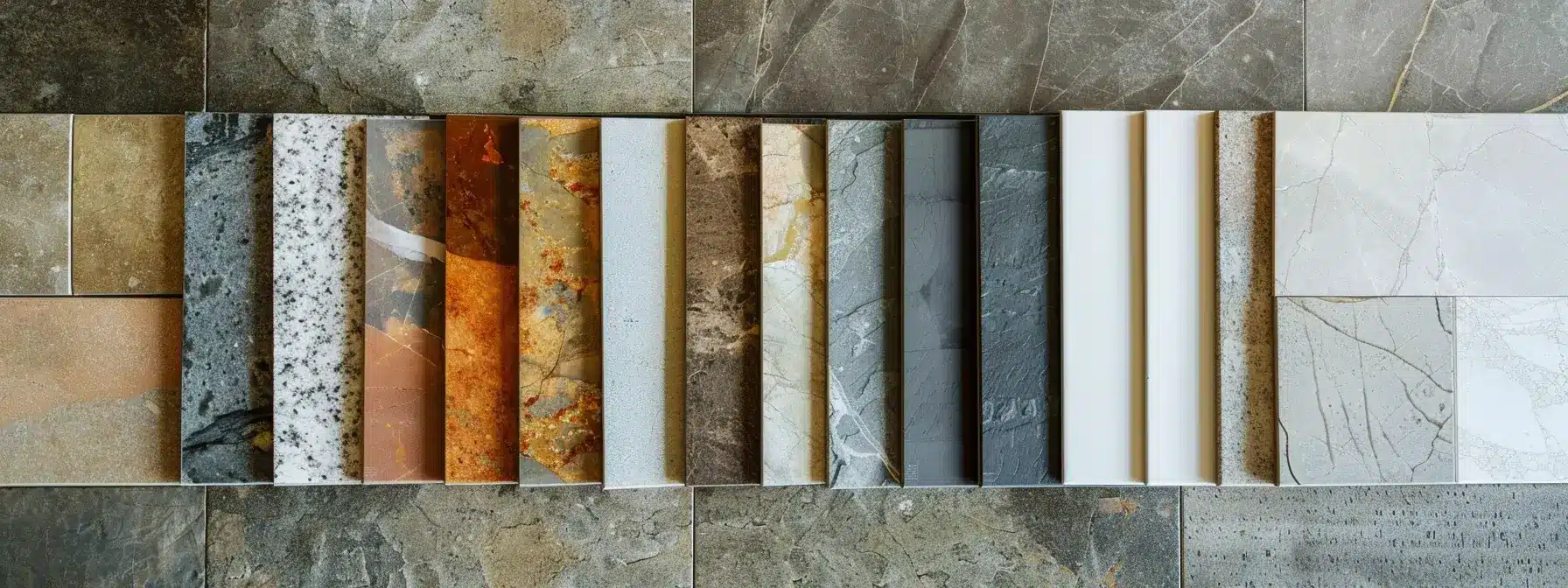
Natural stone tiles, such as limestone, marble, and granite, are known for their unique and luxurious appearance. Each tile has its own natural texture and color variations, which can add a touch of elegance and individuality to a space. Ceramic tiles, on the other hand, are manufactured from clay and offer a wide range of colors and patterns. They are often used in natural stone tile designs to mimic the appearance of stone at a lower cost.
One of the primary differences lies in the material composition. Natural stone tiles require a site analysis to ensure proper installation and maintenance, while ceramic tiles can be more straightforward to install due to their uniformity. The choice between these materials can significantly influence the design intent, affecting everything from mood board creation to final as-built drawings.
Another consideration is the environmental impact. Stone tiles often require more energy for extraction and transportation, whereas ceramic tiles can be more sustainable if sourced from local manufacturers. This is an essential consideration for those looking to incorporate value engineering into their projects.
Key Considerations for Choosing Between Tiles
When selecting between natural stone and ceramic tiles, several key factors should be considered. One such factor is the intended use of the space. For high-traffic areas like kitchens and bathrooms, ceramic tiles may be preferable due to their water resistance and ease of maintenance. Natural stone tiles, while beautiful, may require more frequent sealing and care to maintain their appearance.
The design intent also plays a crucial role. For projects requiring a high level of customization, natural stone tiles are ideal due to their unique patterns and textures. CAD and BIM tools can help designers visualize how these tiles will complement FF&E components in a space. Conversely, ceramic tiles offer a broader range of color theory options, making them suitable for projects where color is a primary focus.
Lastly, it’s important to consider the technical specifications and how they align with the project’s specification book. This includes evaluating factors such as tile thickness, slip resistance, and compatibility with underfloor heating systems. A comprehensive understanding of these elements can ensure that the chosen tile meets both functional and aesthetic needs.
Durability and Maintenance of Natural Stone and Ceramic
Durability is another critical factor when comparing natural stone and ceramic tiles. Natural stone tiles, such as marble and granite, are renowned for their strength and durability but require regular maintenance, including sealing and polishing. The punch list for a project involving natural stone may include ongoing maintenance tasks to preserve the tile’s appearance.
Ceramic tiles, by contrast, are highly durable and resistant to scratches and stains, making them an excellent choice for areas prone to wear and tear. They require less maintenance than natural stone, as they do not need sealing and are easy to clean with standard household products. This can be a significant advantage for homeowners looking for low-maintenance flooring options.
Understanding the specific maintenance requirements of each tile type can help ensure long-term satisfaction and minimize unexpected expenses. Additionally, a detailed punch list can guide the maintenance process and help prevent costly repairs or replacements.
Cost and Aesthetic Differences of Tile Options
The cost of tiles can vary significantly between natural stone and ceramic, impacting budget considerations. Natural stone tiles tend to be more expensive due to the extraction and processing involved. However, they can add significant value to a property, offering a timeless and luxurious aesthetic that is highly sought after.
Ceramic tiles are generally more affordable and offer a versatile range of styles that can mimic the appearance of stone, wood, or other materials. This versatility allows for a wide array of design possibilities without the higher cost associated with natural stone. Additionally, ceramic tiles can be used in intricate mosaic designs, enhancing the aesthetic appeal of a space.
Designers often use 3D rendering to showcase the aesthetic potential of each tile type in different settings. This can help clients visualize how their chosen tiles will look once installed, facilitating better decision-making and ensuring satisfaction with the final result.
Conclusion

Choosing between natural stone and ceramic tiles requires careful consideration of various factors, including durability, maintenance, cost, and aesthetic appeal. By aligning these elements with the project’s design intent and practical needs, homeowners and designers can select the tile that best suits their specific requirements. Whether prioritizing the unique beauty of natural stone or the versatility and affordability of ceramic, understanding these key differences ensures a successful outcome for any interior design project.
Ceramic Vs Porcelain Tile