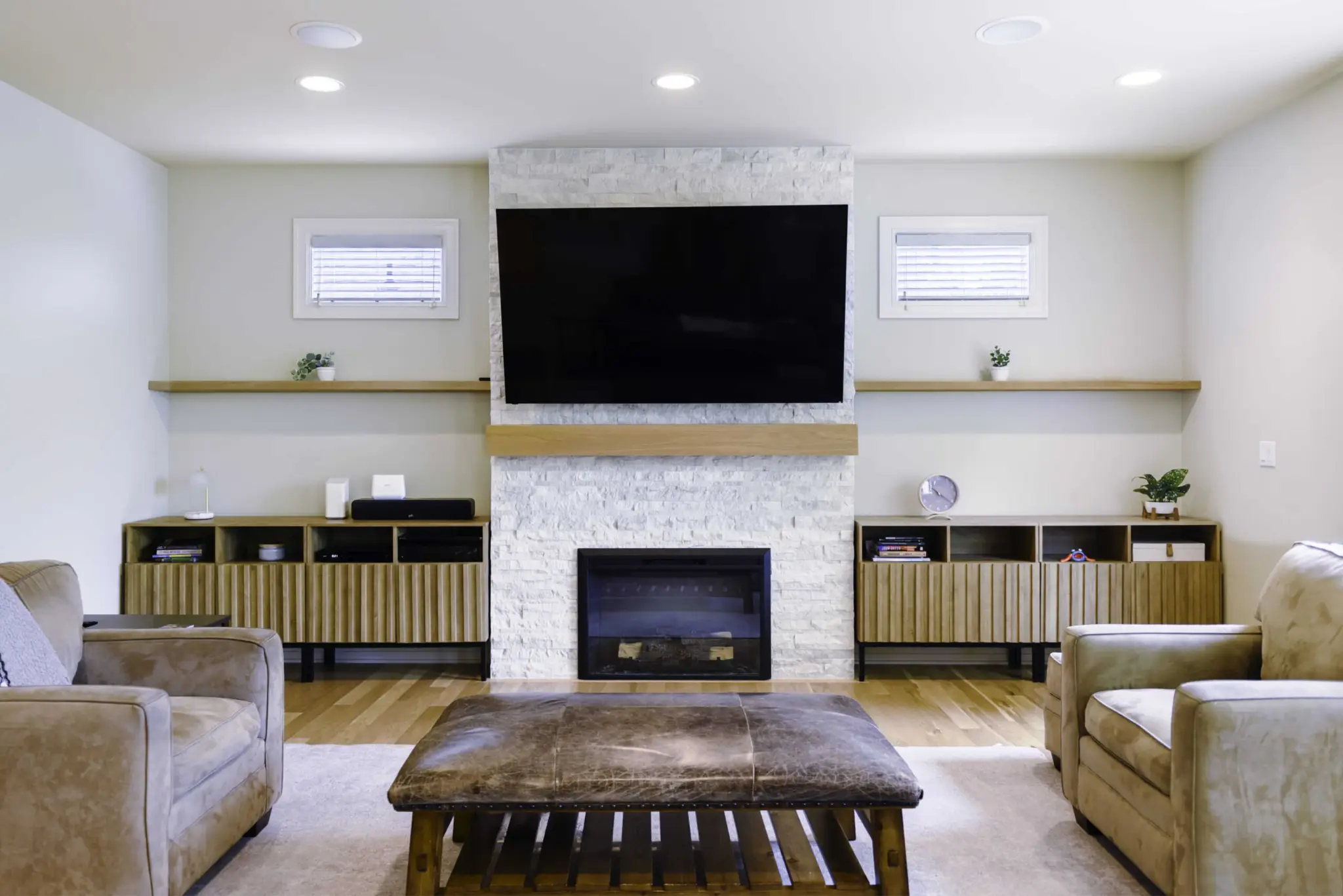
Expanding a home by adding new living space may seem simple at first glance. However, once the process begins, the complexity quickly becomes clear. Permits, structural integration, energy requirements, and system upgrades all need to be carefully addressed before the new space can be safely and legally used.
Working with experienced home addition contractors Seattle early in the process is what helps keep everything organized. Proper planning ensures that the project progresses smoothly instead of turning into a series of delays, corrections, and unexpected costs.
Why Adding a Room Is More Complex Than It Appears
Unlike building a new structure from scratch, a room addition must integrate with an existing home. This means aligning structural systems, extending utilities, and ensuring the new construction performs as part of the original building.
Older homes often introduce additional complications. Over time, changes may have been made without documentation, structural elements may have been altered, and systems such as electrical or HVAC may no longer meet current requirements. These conditions are not unusual, but they must be identified early.
Understanding these factors before design and budgeting begins allows for realistic planning and avoids surprises during construction.
The Construction Process: Step-by-Step Breakdown
A room addition follows a structured sequence of phases. Each phase depends on the previous one being completed correctly, and mistakes early in the process can become increasingly costly to fix later.
Key Stages of Construction
- Foundation and structural connection
- Roof integration and weatherproofing
- Mechanical, electrical, and plumbing extension
This sequence ensures that the addition is stable, watertight, and fully functional before finishing work begins.
Foundation and Structural Connection
The foundation is the base of the entire addition, and it must be designed specifically for the soil conditions on the property. These conditions can vary even within the same lot, making proper assessment essential.
The connection between the new structure and the existing home is one of the most critical points in the project. It must transfer loads correctly while maintaining stability and alignment.
| Structural Element | What It Involves | Why It Matters |
|---|---|---|
| Foundation Type | Selecting the right system based on soil and existing structure | Prevents uneven settling between old and new construction |
| Structural Connections | Designing how framing ties together | Ensures proper load transfer and long-term stability |
| Wall Opening Sequence | Supporting loads before removing existing walls | Prevents structural damage during construction |
Opening the existing exterior wall is a particularly sensitive stage. It requires careful sequencing and engineering to ensure the building remains stable throughout the process.
Roof Integration and Weather Protection
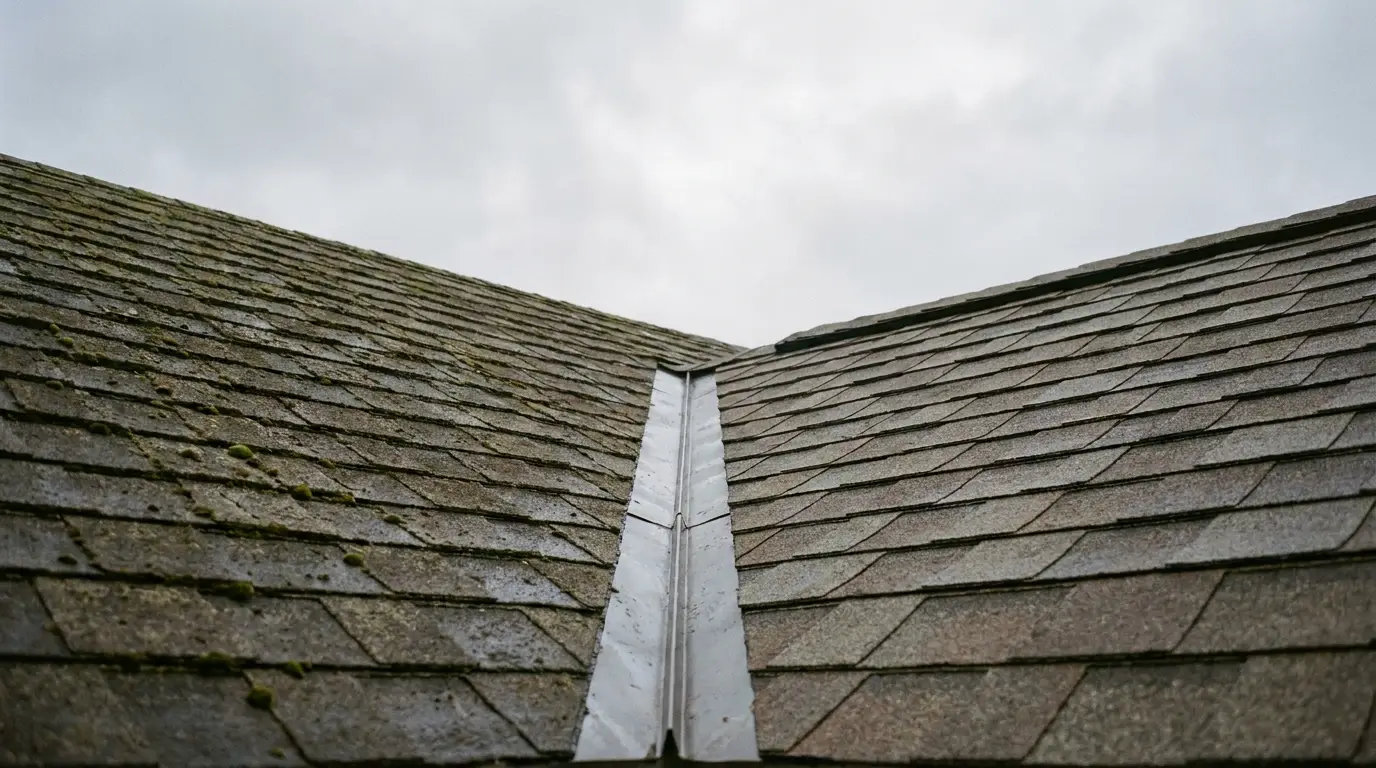
Once the structure is connected, attention shifts to the roof. This is one of the most vulnerable points for potential issues, especially related to water intrusion.
The junction between the existing roof and the new addition must be carefully designed to handle both structural loads and weather exposure. Proper framing ensures stability, while correctly installed flashing and roofing materials prevent leaks.
Even small mistakes in this stage can lead to long-term problems. Water infiltration often starts at these connection points and may not become visible until significant damage has already occurred.
Extending Mechanical and Electrical Systems
After the structural work is complete, the focus moves to extending the home’s systems into the new space. This includes heating, electrical wiring, and plumbing.
Before any work begins, the capacity of the existing systems must be evaluated. Many older homes require upgrades to support additional demand.
Important considerations include:
- HVAC systems must be recalculated to ensure proper heating and cooling
- Electrical panels may need upgrading to handle increased load
- New circuits must be planned before installation begins
- Permit and inspection timelines must be coordinated across trades
Without proper planning, these systems can become a source of delays and additional costs.
Seattle-Specific Code Requirements
Building codes in Seattle add another layer of complexity to room additions. Local regulations include strict requirements for seismic safety, energy efficiency, and permitting processes.
These requirements affect how structures are connected, how insulation is installed, and how systems are designed. In addition, approvals may involve multiple departments, each with its own timeline.
Failing to account for these factors early can slow down the project significantly. Experienced contractors incorporate these requirements into the planning phase to avoid delays.
Common Challenges in Room Additions
Even with careful planning, certain challenges frequently arise during room addition projects. Being aware of these helps homeowners understand what to expect.
- Variations in soil conditions affecting foundation design
- Structural differences between old and new construction
- Limited capacity of existing systems
- Coordination between multiple permits and inspections
These challenges are manageable when addressed early but can become costly if discovered too late.
Why Planning and Experience Matter
A successful room addition depends on more than just good design. It requires careful coordination between structural work, system installation, and regulatory compliance.
As highlighted in the original material , the difference between a smooth project and a problematic one often comes down to how well the process is understood before construction begins.
Experienced contractors approach additions as a fully integrated process rather than a series of separate tasks. This ensures that each phase supports the next and that the final result performs as expected.
Final Thoughts
A well-executed room addition adds meaningful value to a home, both in terms of functionality and long-term performance. Achieving that outcome requires attention to structural connections, system integration, and regulatory requirements from the very beginning.
Working with knowledgeable home addition contractors Seattle ensures that every stage of the project is handled with care and precision. For homeowners looking for a team that understands both construction and local requirements, Maksymov Brownstone delivers the expertise needed to complete the project successfully and efficiently.