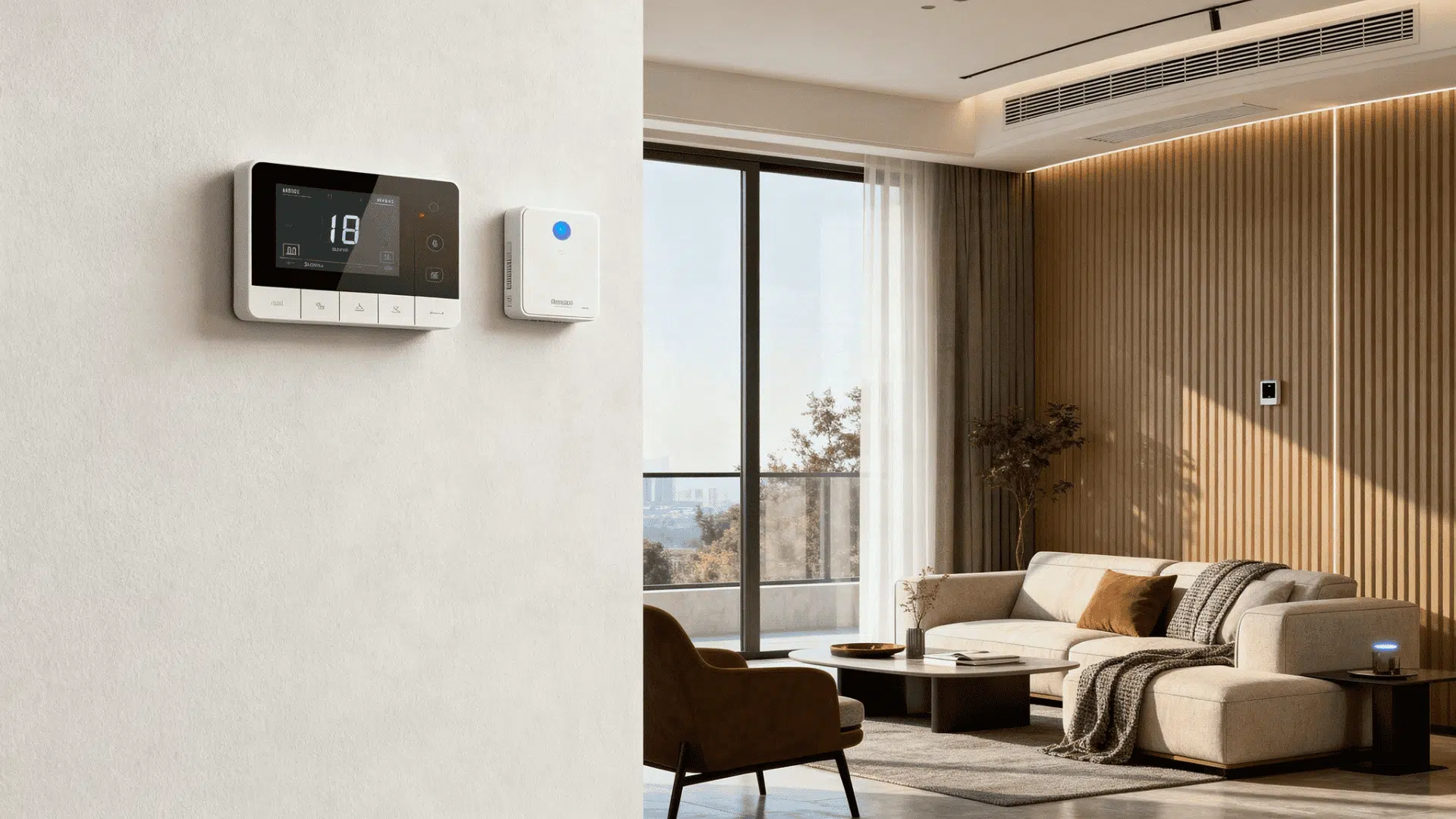
Smart HVAC systems are changing how you manage indoor comfort. You now have better control, improved efficiency, and real-time adjustments at your fingertips.
With connected devices and automation, these systems respond to your habits and environment. This guide helps you understand how they function and why they matter.
Smart HVAC is not just about convenience. It also supports better energy use and consistent indoor conditions.
What are Smart HVAC Systems?
Smart HVAC systems bring intelligence into traditional heating and cooling setups. They combine connectivity, automation, and data to manage indoor environments more efficiently.
You can control these systems remotely, automate schedules, and let them adapt to your daily routine without constant manual input.
Smart HVAC systems connect through the internet and use sensors to monitor indoor conditions. Based on this data, they automatically adjust temperature, airflow, and humidity levels.
This results in a more responsive and efficient system compared to conventional HVAC setups.
Key Components of Smart HVAC Systems & How It Functions
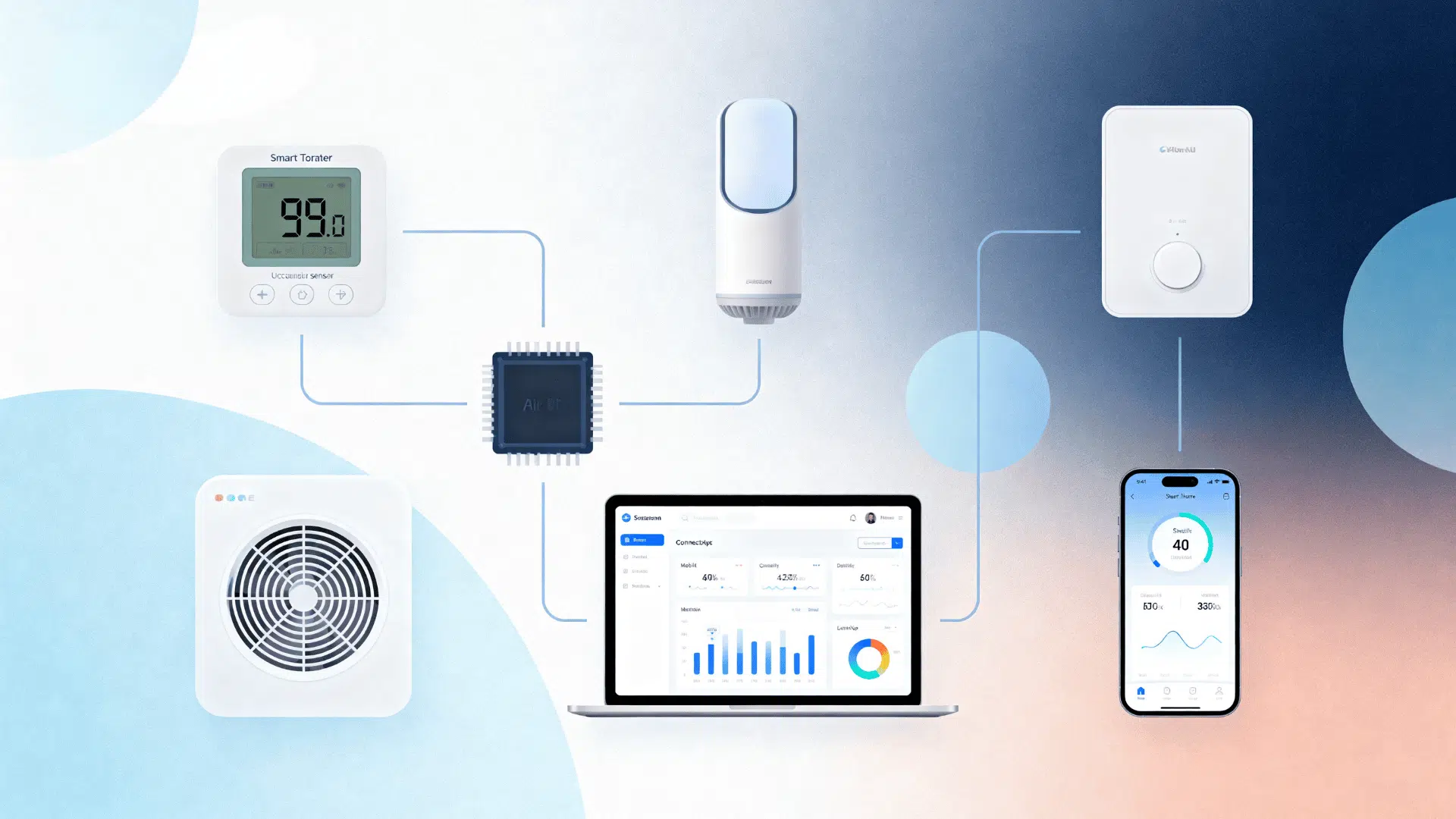
Understanding the core components helps you see how the system operates as a whole. Each element plays a specific role in ensuring smooth performance.
These components work together to deliver comfort, efficiency, and control in a connected setup.
| Function Area | Key Mechanism | How It Works |
|---|---|---|
| Temperature Control | Smart Thermostat & Algorithms | Adjusts based on user preferences and schedules |
| Sensors | Motion & Environmental Sensors | Detect occupancy and environmental changes |
| Automation | AI-Based Scheduling | Runs pre-set or adaptive programs |
| Connectivity | Wi-Fi / Cloud Integration | Allows remote access via apps |
| Feedback Loop | Data Analysis System | Improves performance using collected data |
Smart HVAC systems operate through continuous monitoring and automated adjustments. They rely on data-driven processes to maintain ideal indoor conditions.
Instead of manual control, the system reacts in real time to sensor inputs and user behavior.
Role of AI and Automation
Automation adds intelligence to HVAC systems by reducing the need for manual adjustments. It ensures that your environment stays comfortable with minimal effort.
AI takes this further by learning from your habits and improving system responses over time. For example, the system can recognize when you leave home and adjust cooling or heating accordingly.
Over time, it builds a pattern of your usage and fine-tunes performance. This results in better efficiency and consistent comfort.
Benefits & Limitations of Smart HVAC Systems
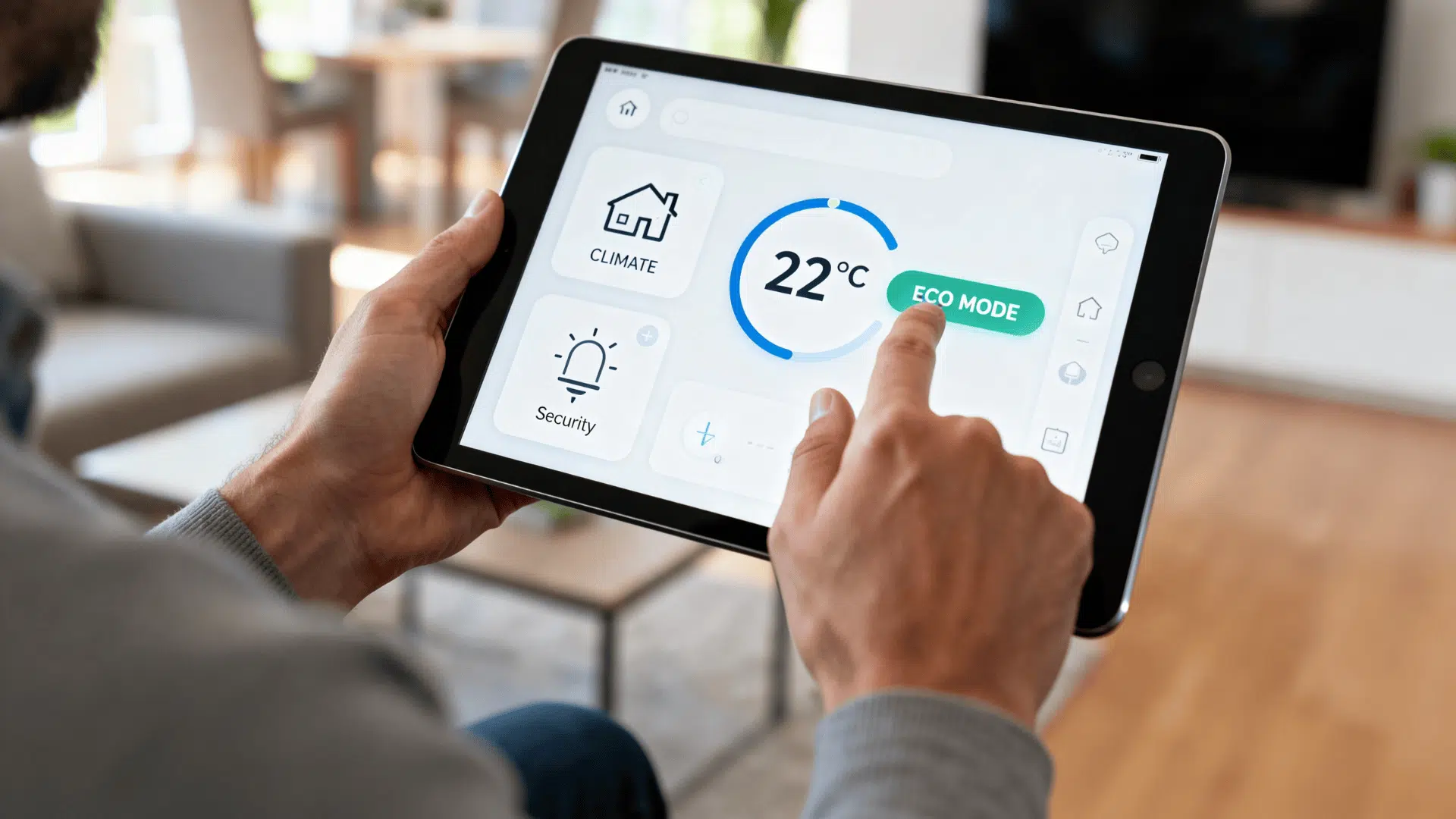
Smart HVAC systems offer several advantages, but they also come with a few limitations. Understanding both sides helps you get a clear picture before making any decisions.
| Benefits | Limitations |
|---|---|
| Improves energy efficiency by optimizing usage | Higher upfront installation cost |
| Allows remote control through apps | Requires stable internet connection |
| Maintains consistent indoor comfort | Compatibility issues with older systems |
| Monitors air quality and system performance | Setup and configuration can be complex |
| Reduces long-term energy costs | May require regular software updates |
Smart HVAC and Sustainability
Smart HVAC systems improve energy management. They help reduce unnecessary consumption while maintaining comfort.
This makes them a suitable choice for users aiming for efficient energy use.
- Energy Reduction: Power optimization lowers electricity consumption
- Smart Scheduling: Time-based control avoids waste during inactive periods
- Efficient Operation: System performance maintains optimal efficiency
- Reduced Emissions: Environmental impact supports lower emissions
Role in Modern Smart Homes
Smart HVAC systems are an important part of connected homes. They work alongside other devices to create a unified environment.
This integration improves overall system coordination and efficiency.
You can link HVAC with lighting, security, and other smart systems. This allows centralized control and better management of your home environment.
Long-Term Value for Users
Beyond immediate benefits, smart HVAC systems offer lasting value. They help you maintain performance while reducing operational issues over time.
You gain better system longevity and fewer unexpected breakdowns.
With continuous optimization and monitoring, your system runs more efficiently for longer periods. This reduces maintenance costs and improves overall reliability in daily use.
Types of Smart HVAC Systems
Smart HVAC systems come in different types to suit various spaces and needs. Choosing the right one depends on your layout, usage, and comfort goals.
| Type | Key Focus | What It Means for You |
|---|---|---|
| Smart Split Systems | Room-Based Control | Best for individual rooms, offering direct and efficient temperature control |
| Smart Central Systems | Whole-Home Coverage | Suitable for larger homes needing consistent temperature throughout |
| Zoned Systems | Customized Settings | Allows different temperatures in different areas for better comfort control |
| Ductless Mini-Split Systems | Flexible Installation | Ideal for spaces without ductwork or for easy upgrades |
| Hybrid Systems | Combined Technology | Uses multiple systems together for improved efficiency and flexibility |
Each option offers a different balance of control and efficiency. Understanding these factors helps you choose a system that fits your space and daily needs.
Installation and Setup Process
Installing a smart HVAC system involves both hardware and software setup. Proper installation ensures smooth performance and long-term efficiency.
A structured process helps avoid common issues during setup.
- Evaluate your existing HVAC system
- Select compatible smart components
- Install thermostats and sensors
- Connect the system to Wi-Fi
- Configure mobile applications
- Test automation features
Professional installation is often recommended for an accurate setup.
Common Setup Challenges
During setup, you may face a few technical challenges. Identifying them early helps you avoid delays and performance issues.
Proper planning can simplify the installation process. Older systems may not support smart upgrades without modifications.
Connectivity issues or incorrect configurations can also affect performance. Addressing these factors ensures a smoother setup experience.
Maintenance and Optimization Tips
Regular maintenance is essential for keeping your system efficient. Smart HVAC systems also provide insights that help you stay on track.
A proactive approach ensures consistent performance and reduces long-term issues.
Tips to follow:
- Clean or replace filters regularly
- Update system software and apps
- Monitor energy usage data
- Check sensor accuracy
- Schedule periodic inspections
These steps help maintain efficiency and extend system lifespan.
Conclusion
Smart HVAC systems bring together automation, connectivity, and data to give you greater control over your indoor environment. You can manage temperature, air quality, and energy use with minimal manual effort.
Understanding how these systems function equips you to make informed decisions for your space. This helps you improve efficiency while maintaining consistent comfort throughout the day.
With the right setup and usage, smart HVAC systems support a balanced approach to comfort and energy management. They offer a practical solution for modern living without adding complexity to your routine.