Moving animals from one location to another is far more complex than booking a truck or a flight. Livestock shipping demands a level of coordination that spans planning, timing, route selection, equipment readiness, and compliance documentation, all before an animal takes a single step toward a vehicle.
That coordination is what transportation logistics types and benefits actually means in practice for the livestock industry. The outcome of any live animal shipment depends less on any single action and more on how well every part of the chain aligns. Animal welfare, legal compliance, and the physical condition of animals on arrival are all direct products of how thoroughly logistics is managed from start to finish.
Freight forwarders, livestock carriers, and on-ground handlers each hold a distinct role in that chain, and when any one of them falls short, the consequences ripple across the entire operation.
What Logistics Actually Controls in Livestock Shipping
Understanding the full scope of logistics is the first step toward managing it well. In livestock shipping, logistics covers planning, timing, handling, equipment readiness, routing, compliance coordination, and contingency response. It is the connective tissue that holds every other decision together.
For transportation logistics types and benefits to translate into real outcomes, each element of the chain must align with the others. Animal welfare, legal compliance, and the physical condition of animals on arrival are all direct products of how thoroughly logistics is managed from start to finish. Freight forwarders, livestock carriers, and on-ground handlers each hold a distinct role in that chain, and when any one of them falls short, the consequences ripple across the entire operation.
The Planning Work That Prevents Animal Stress
Pre-transport planning is where most welfare outcomes are actually decided. The choices made before loading day, from mode selection to scheduling, set the conditions that handlers and carriers will work within for the entire journey.
Match Mode, Route, and Timing to the Shipment
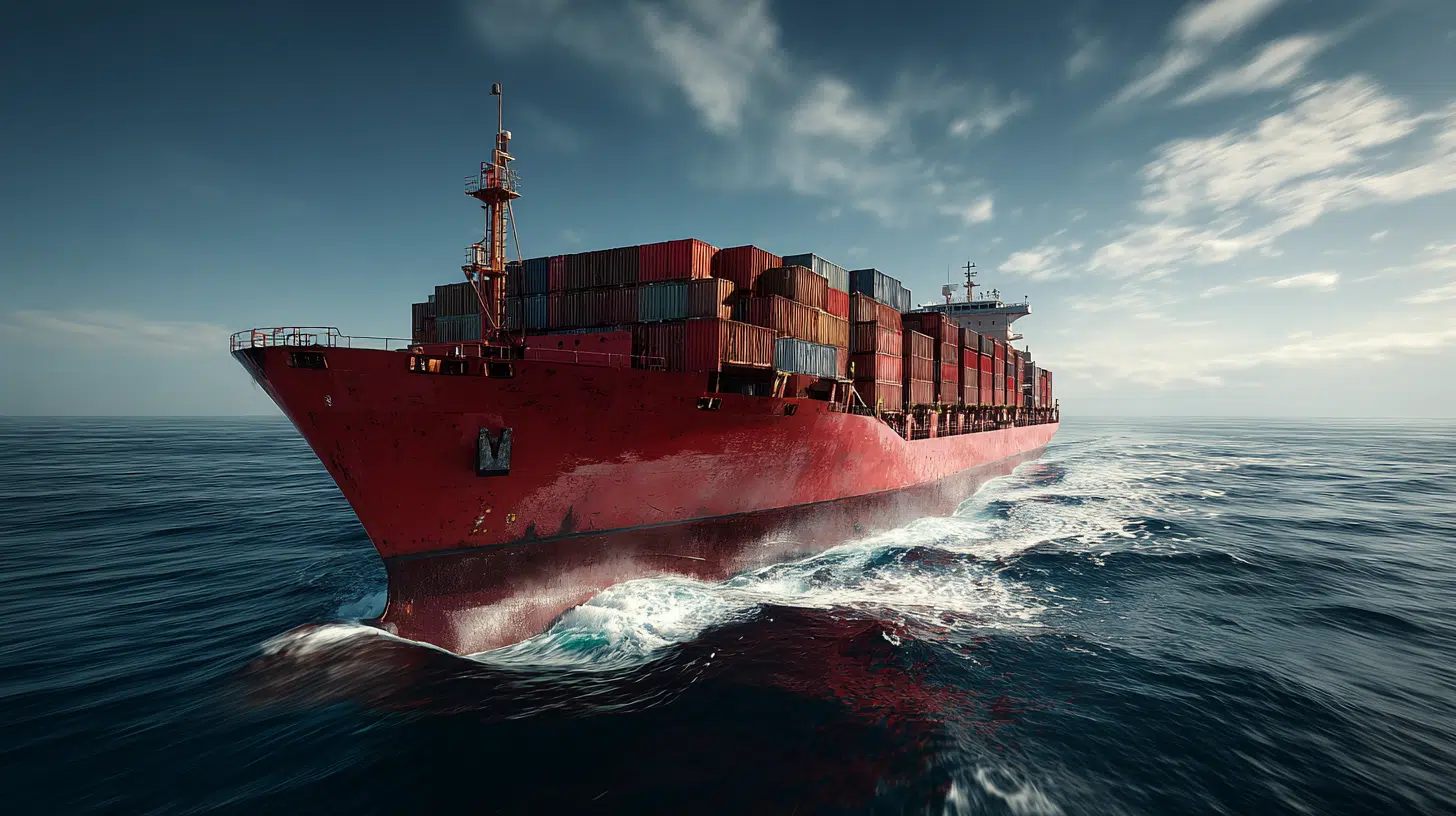
Decisions made before loading day carry more weight than most handlers expect. The choice between road, sea, and air transport shapes everything from handling frequency to total journey time, and each mode introduces different welfare exposures.
Route optimization matters beyond simple distance. Minimizing transfer points reduces handling stress, and scheduling departures around weather windows limits temperature extremes during loading and unloading. For live animal shipments, rest requirements and feeding schedules must be factored into the route timeline, not added as an afterthought.
Choose Equipment That Protects Conditions in Transit
Once the route is confirmed, equipment selection determines whether that plan holds under real conditions. Ventilation systems must match species requirements and expected ambient temperatures throughout the journey, not just at origin.
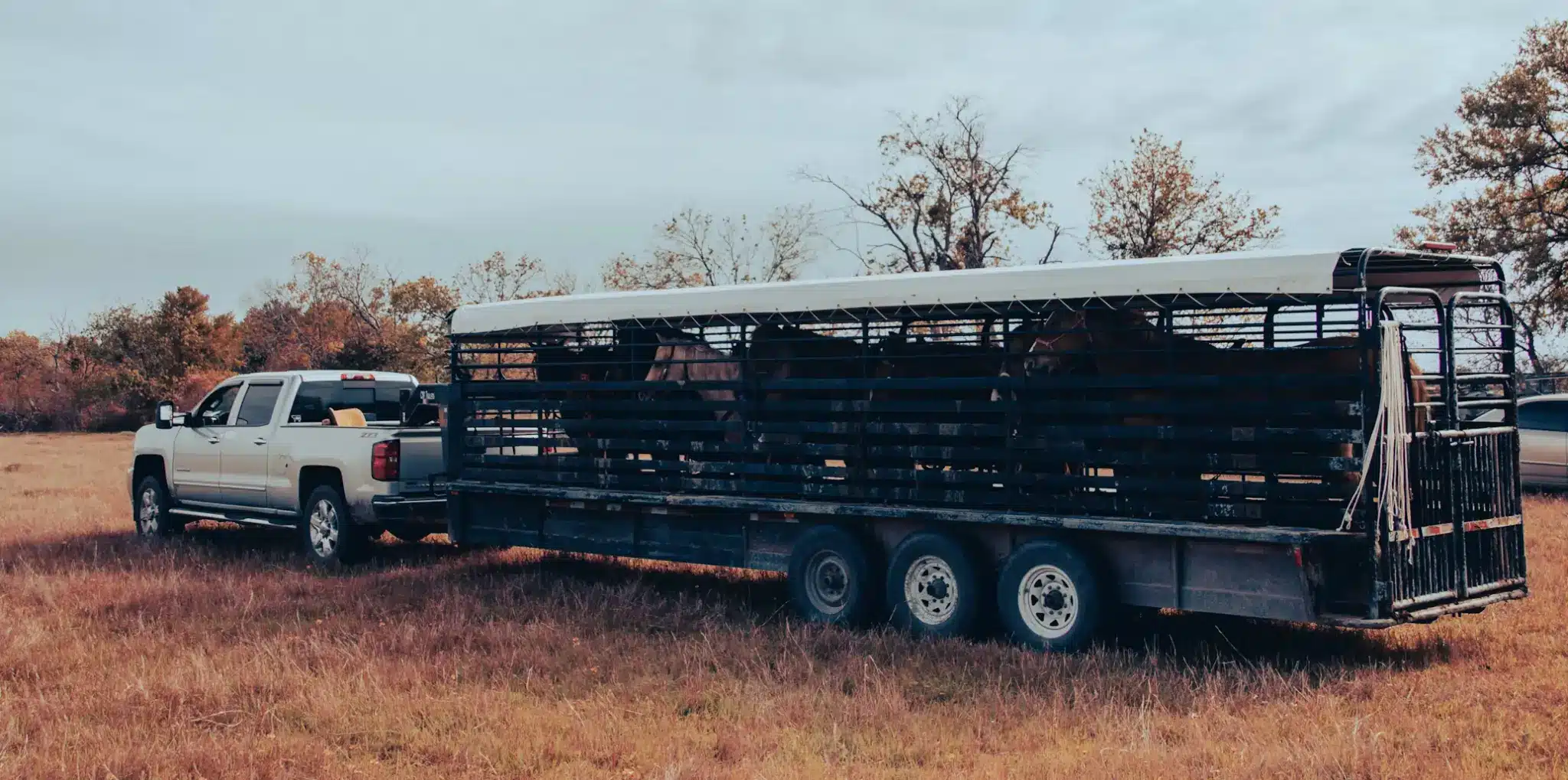
Temperature control becomes especially relevant across longer hauls or mixed-climate routes, where trailer conditions can shift significantly. Reviewing cold chain best practices for sensitive cargo offers useful reference points for managing those transitions. Equipment fit also affects stress, footing, and airflow before departure, which is why carrier-level decisions around stocking density, bedding, and divider configurations matter as much as the route itself. Brechbill Trailers’ livestock lineup is one concrete example of how trailer design choices translate planning intentions into physical outcomes for the animals being moved.
Compliance and Paperwork Move With the Animals
Documentation is not a formality that follows the shipment; it is part of the shipment. Regulatory compliance failures at any checkpoint can result in denied boarding, border refusals, extended holding times, or direct welfare risks to the animals involved.
Veterinary certification and health certificates must be issued within specific pre-travel windows, and those windows vary by species, destination, and transport mode. Permits tied to CITES, the international framework governing trade in protected species, require advance coordination that can take weeks to secure.
For air transport, carriers and freight forwarders must follow the IATA Live Animals Regulations, which specify container standards, labeling, stacking instructions, and handling requirements at every stage of the flight cycle. Domestically, shipments involving certain species fall under the Animal Welfare Act, which sets baseline standards that must be reflected in both carrier documentation and handling protocols.
Each document has a counterpart in the physical shipment: a certificate tied to an inspection, a permit tied to a crate, and a compliance record tied to a route. When those connections break, the animals pay the price. Paperwork timing matters just as much as paperwork accuracy.
Biosecurity and Monitoring During the Journey
In-transit controls are where the planning work described in earlier sections gets tested against real conditions. Biosecurity and monitoring are not passive functions; they are active logistics responsibilities that directly affect both shipment success and herd health at the destination.
Keep Disease Risks From Spreading Through the Chain
Every transfer point in a livestock shipment represents a potential disease exposure window. Animals moving between vehicles, handling facilities, or holding areas come into contact with surfaces, equipment, and other shipments, and without proper sanitation protocols, those contacts accumulate risk.
Effective biosecurity during transit means cleaning and disinfecting vehicles between loads, separating species where cross-contamination is possible, and ensuring that handlers follow consistent hygiene procedures at each stop. These are not isolated precautions; they connect directly to animal welfare outcomes and herd health at the destination.
Use Tracking Data to Catch Problems Early
Real-time monitoring tools now allow handlers to track temperature control conditions, location, and journey duration continuously during transit. When data signals an unexpected delay or a temperature deviation, the response can begin before the problem compounds.
Route optimization decisions can also be updated mid-journey when monitoring reveals changed conditions ahead. The value of that technology is not the data itself; it is the faster intervention it enables, reducing welfare risk and improving the odds of a successful arrival.
Why Good Logistics Defines Shipping Success
Successful livestock shipping is never the result of one good decision. It comes from how well planning, compliance, biosecurity, and real-time monitoring work together across the full journey.
Animal welfare at the destination reflects every choice made before and during transit. In the livestock industry, those choices are inseparable from logistics discipline. The handlers, carriers, and coordinators involved in live animal shipments each influence that outcome, and the quality of their coordination is what ultimately determines whether animals arrive healthy and on time.