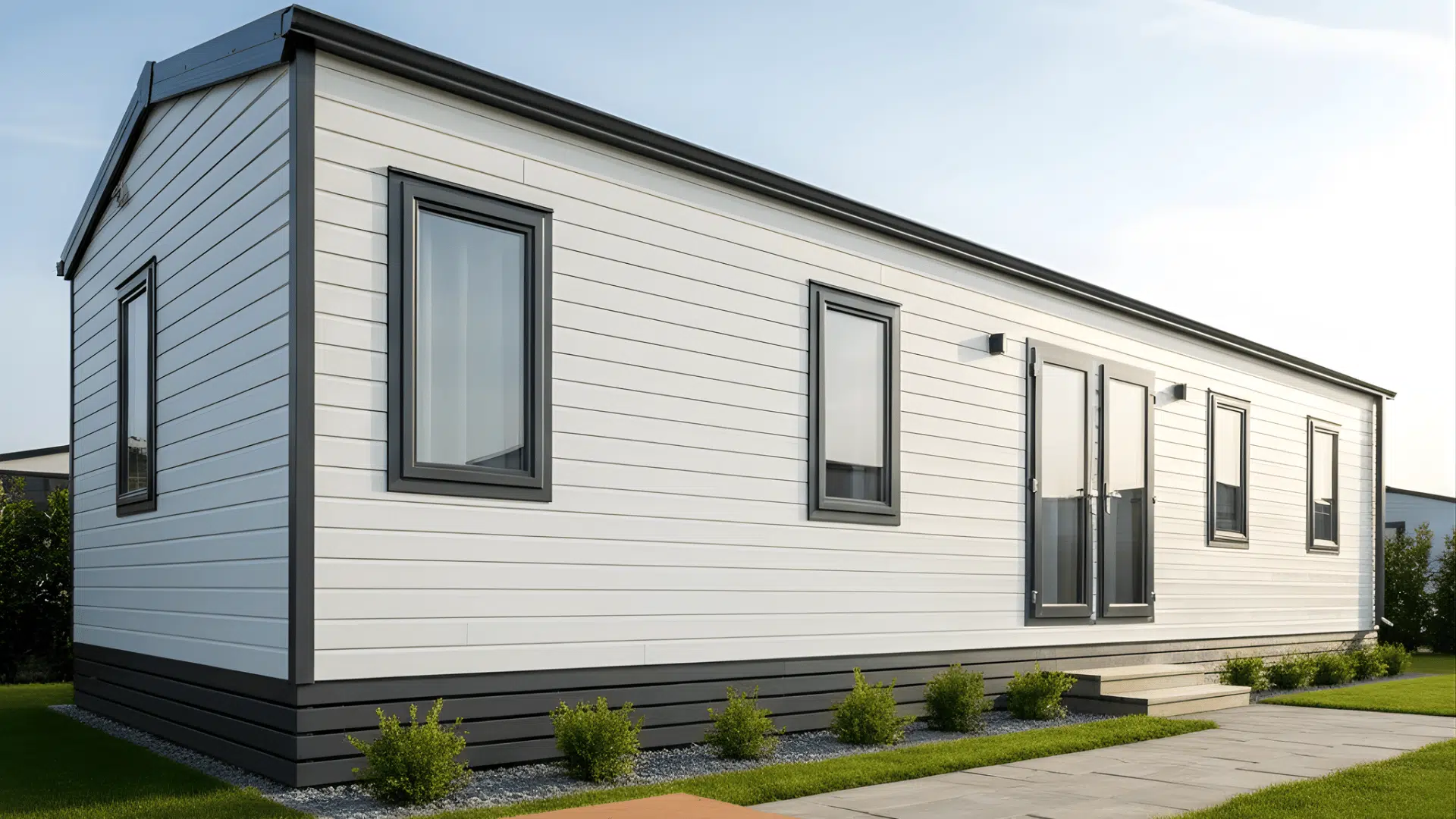
Modular and prefab construction has reshaped how homes get built across the country. Factory assembly lines can cut timelines in half and trim costs by a meaningful margin, which explains why more buyers are choosing this route every year.
However, the speed and efficiency of prefab construction come with trade-offs that rarely show up in the marketing. Plumbing systems, in particular, face a set of risks that traditional site-built homes simply don’t encounter. From transport vibrations loosening fittings to misaligned connections where factory modules meet on-site, the plumbing issues tied to modular construction tend to stay hidden until something goes wrong.
The trouble is that “something going wrong” often means water damage behind walls or under floors, well past the point of an easy fix. This article breaks down the specific vulnerabilities baked into factory-built plumbing, the warning signs worth watching for, and the steps that keep small problems from turning into expensive ones.
Why Prefab Plumbing Fails Differently
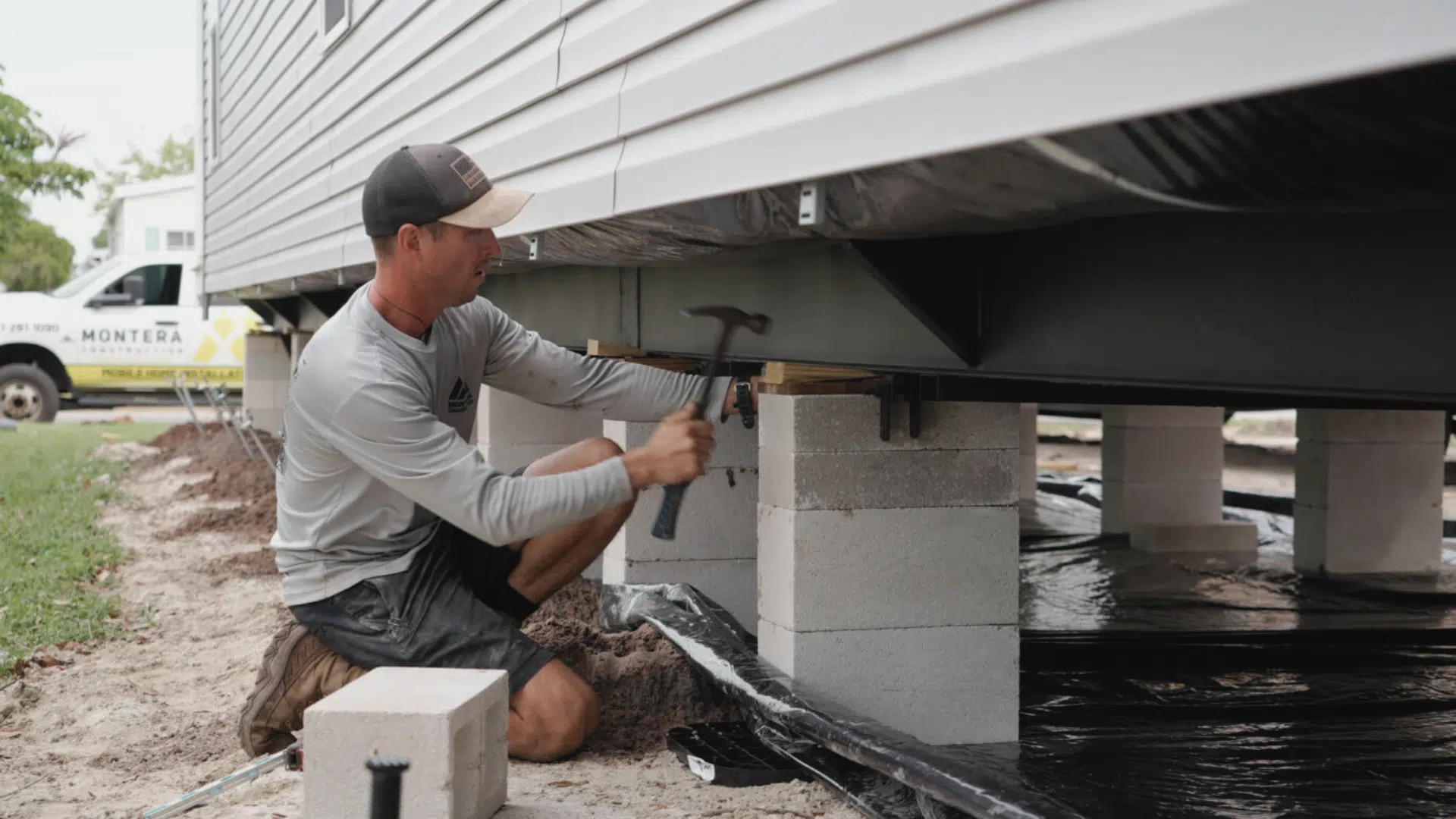
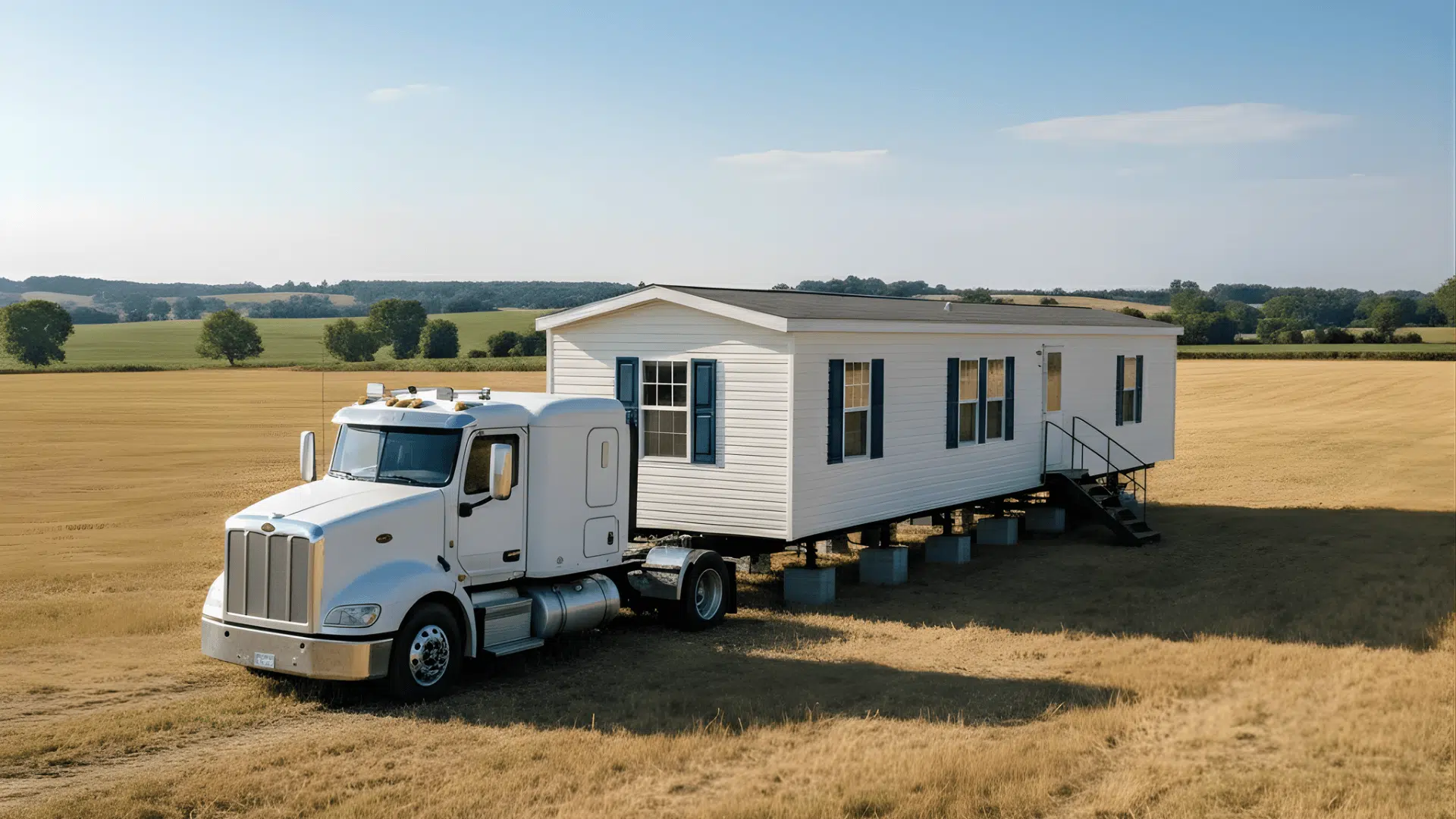
Most homeowners assume plumbing is plumbing, regardless of how a home was built. That assumption misses a critical distinction. In manufactured homes, the pipes are installed in a factory, locked into position, and then loaded onto a truck. Every mile of highway introduces vibration, flexing, and micro-shifts that site-built plumbing never has to endure.
PEX and CPVC are the standard pipe materials in factory-built homes, and both have clear advantages in cost and ease of installation. The problem is how they respond to the stresses of transport. PEX is flexible enough to absorb some movement, but its fittings and connection points are still vulnerable to loosening over repeated jolts. CPVC, being more rigid, can develop hairline stress fractures that don’t leak right away but worsen once the home settles on its foundation.
The highest-risk zone sits where factory modules connect on-site. These inter-module joints are assembled under field conditions rather than the controlled environment of the factory floor. Workers are often joining plumbing lines in tight crawl spaces or between walls, relying on flexible couplings that degrade faster than the rigid connections found in traditional builds. Pipe insulation can mask early signs of moisture at these joints, which means leaks sometimes go unnoticed for months.
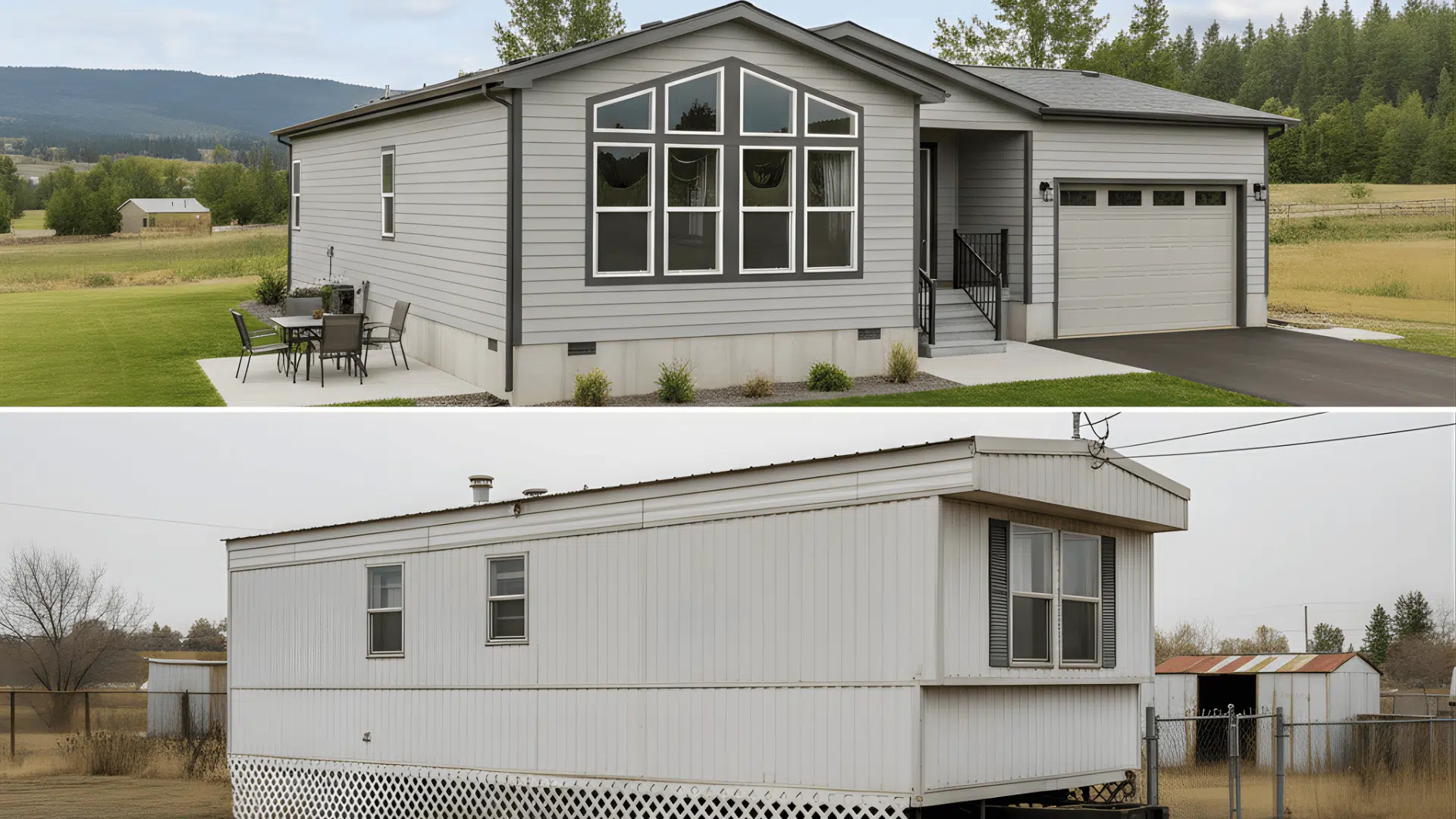
Understanding prefab home construction helps clarify why modular construction introduces these vulnerabilities. The plumbing isn’t inherently inferior, but the journey from factory to foundation puts it through conditions that conventional homes never face.
The Most Common Problems Homeowners Face
The structural vulnerabilities outlined above translate into a handful of recurring plumbing issues that prefab homeowners deal with more often than most. Understanding what these failures look like in practice helps homeowners recognize trouble before it escalates.
Drainage and Sewer Line Failures
Drainage systems rank near the top of the problem list for manufactured homes. Many of these homes use flexible piping that runs beneath the structure, and this piping is prone to developing bellies over time. As the ground underneath shifts or settles, low spots form in the line where waste and water collect instead of flowing toward the outlet. These blockages build gradually, often producing slow drains and odors long before a full backup occurs.
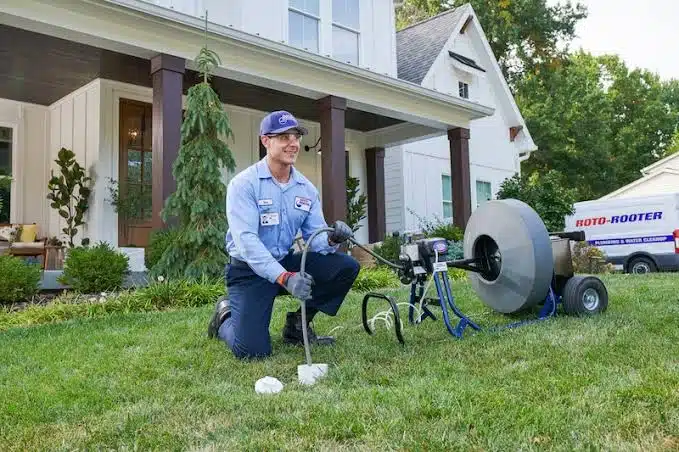
The sewer line connection between the home and the site’s municipal or septic infrastructure is another frequent failure point. Because the home arrives as a finished unit that must be tied into utilities already in the ground, alignment issues are common. Even a slight mismatch in grade or angle can cause waste to pool at the junction, accelerating corrosion and increasing the likelihood of a breach. When a sewer backup or burst pipe strikes, when you need an emergency plumber fast, the situation doesn’t wait for a scheduled appointment.
Water Pressure Drops and Heater Issues

Low water pressure is one of the most reported complaints among prefab homeowners, and the cause often traces back to the factory. Supply lines installed during assembly may be undersized for the home’s actual demand, or they may have been kinked during transport without anyone noticing. Either scenario restricts flow enough to make showers weak and fixtures sluggish.
Water heater problems follow a similar pattern. Units installed in manufactured homes tend to be compact models with different venting configurations, which can lead to inconsistent heating and shorter equipment lifespans. When both issues hit at once, and they often do, the situation can escalate from inconvenient to unlivable in a short window. Recognizing these patterns early gives homeowners a better chance of addressing them before real damage sets in.
Early Warning Signs to Watch For
Catching plumbing trouble early in a modular home often comes down to paying attention to subtle changes that are easy to dismiss. The problems discussed in the previous section rarely announce themselves with a dramatic burst pipe. Instead, they send quieter signals that deserve attention.
Unexplained damp spots or soft flooring near the seams where modules connect are among the earliest indicators of a slow leak at a connection point. These areas deserve regular inspection, especially in the first year after installation. Similarly, fluctuating water pressure that worsens after temperature swings can point to pipe expansion stress, a common issue where factory-installed fittings meet field-assembled joints.
Musty odors near crawl spaces or underneath the home suggest that drainage bellies may already be accumulating standing water. Discolored water after a period of non-use, particularly in seasonal homes, often signals pipe corrosion or sediment buildup inside aging lines.
Climate amplifies all of these risks. Freeze-thaw cycles put extra strain on connections, and frozen pipes remain a real threat in prefab construction because pipe insulation tends to be thinner than what site-built homes receive. High-humidity regions, meanwhile, accelerate corrosion around vulnerable joints. Taking the time for preventive maintenance and preparing your property for installation with these risks in mind makes a measurable difference in long-term reliability.
Protect the Investment Before It Leaks
Prefab and modular homes remain sound investments when the plumbing risks unique to their construction are understood from the start. The vulnerabilities covered throughout this article are all manageable with the right approach. Knowing where to look and when to act is the most reliable protection the investment can have.