Prefab homes are changing how people think about building a house. They’re modern, efficient, and built differently from what most people expect.
But what exactly makes them stand out – and why are more homeowners choosing them today?
In this guide, you’ll learn what prefab homes really are, how they’re built, what they cost, and why they might be the smartest way to own a quality home without the long wait or high price of traditional construction.
What is a Prefabricated Home?
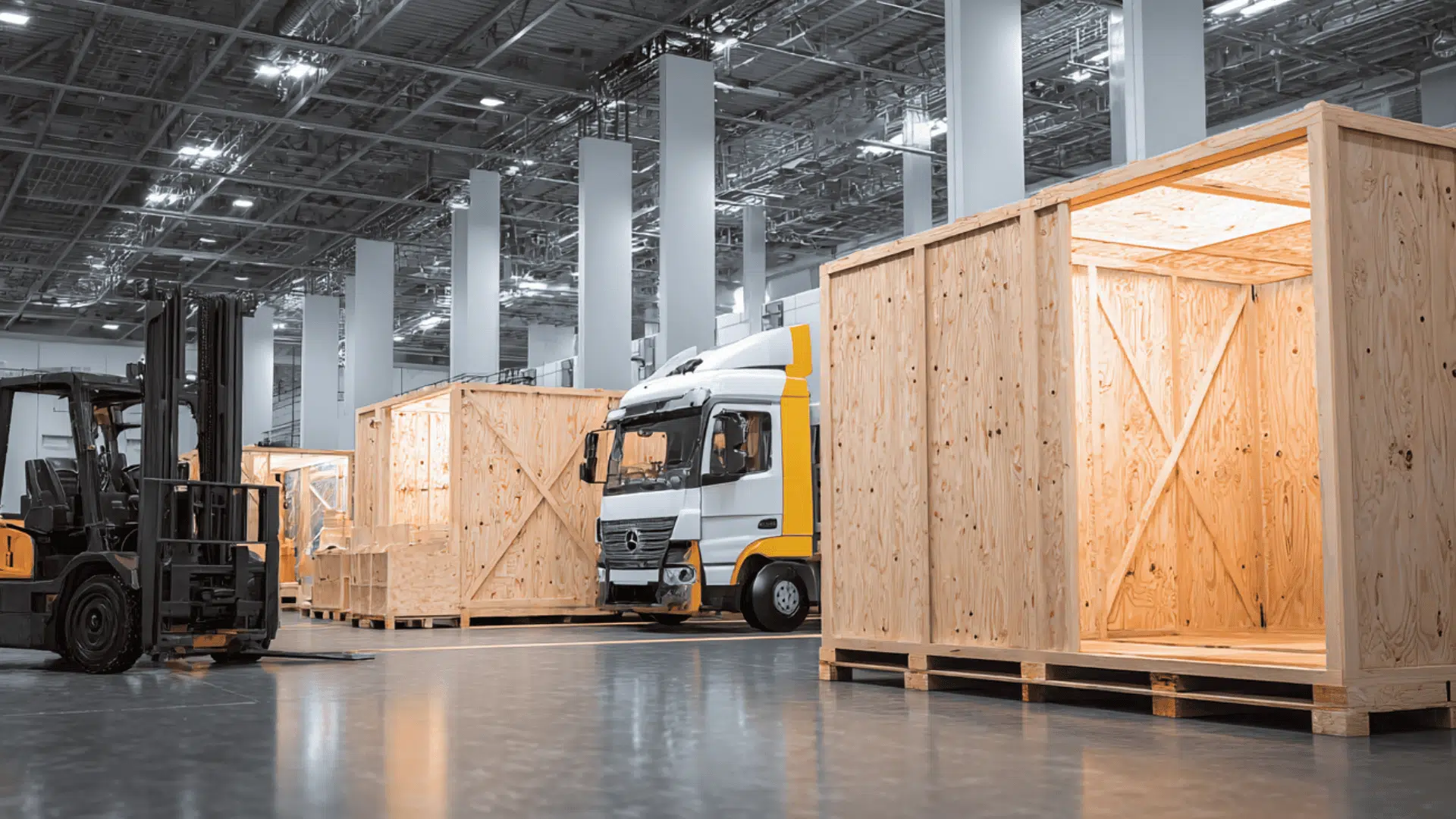
A prefab home, short for prefabricated home, is built in sections inside a factory and then assembled on your land. This process allows greater precision, less waste, and faster completion than traditional construction.
Prefab homes are becoming more popular because they’re affordable, durable, and energy-efficient.
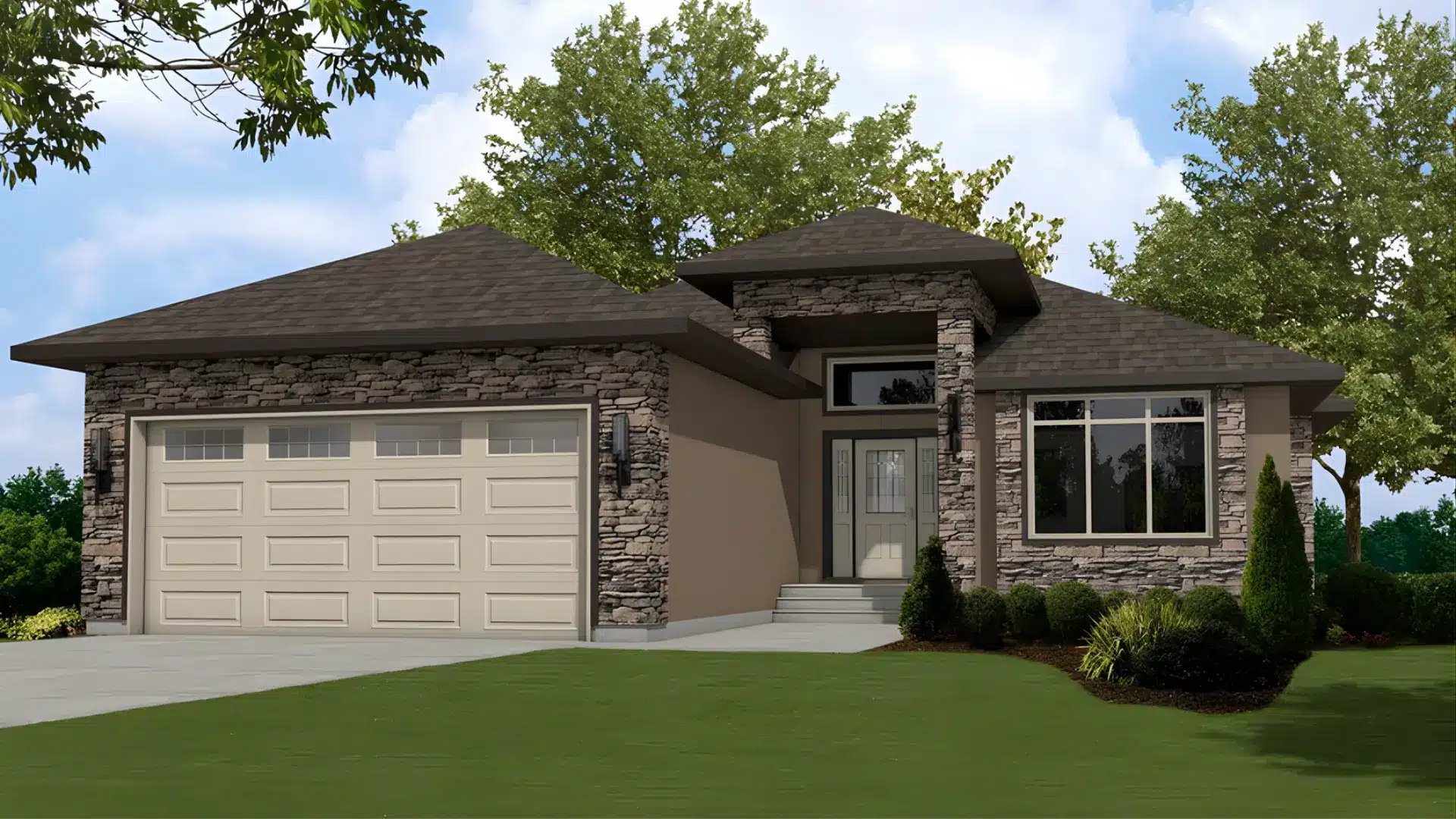
Many builders now offer modern designs with smart layouts, eco-friendly materials, and clean finishes that rival site-built houses.
They provide homeowners with consistent quality, predictable costs, and quicker timelines, making prefab construction a practical choice for today’s housing needs.
Types of Prefab Homes
Prefab homes come in several styles, each built differently. The main difference is how much construction happens in the factory versus on the site.
- Modular Homes: Built in large sections or “modules” joined on-site. Fast to assemble, high in quality, and customizable, ideal for full-size homes built quickly.
- Panelized Homes: Made from pre-built wall and roof panels assembled on-site. Strong, flexible, and efficient, great for traditional designs with modern benefits.
- Kit Homes: Delivered as pre-cut materials with setup instructions. Affordable and simple, perfect for DIY enthusiasts or budget-focused buyers.
- Container Homes: Created from recycled shipping containers. Durable, compact, and eco-friendly, suited for minimalist or small modern homes.
Each type varies in cost, customization, and construction time. Choose based on your budget and design goals.
How Prefab Homes Are Built
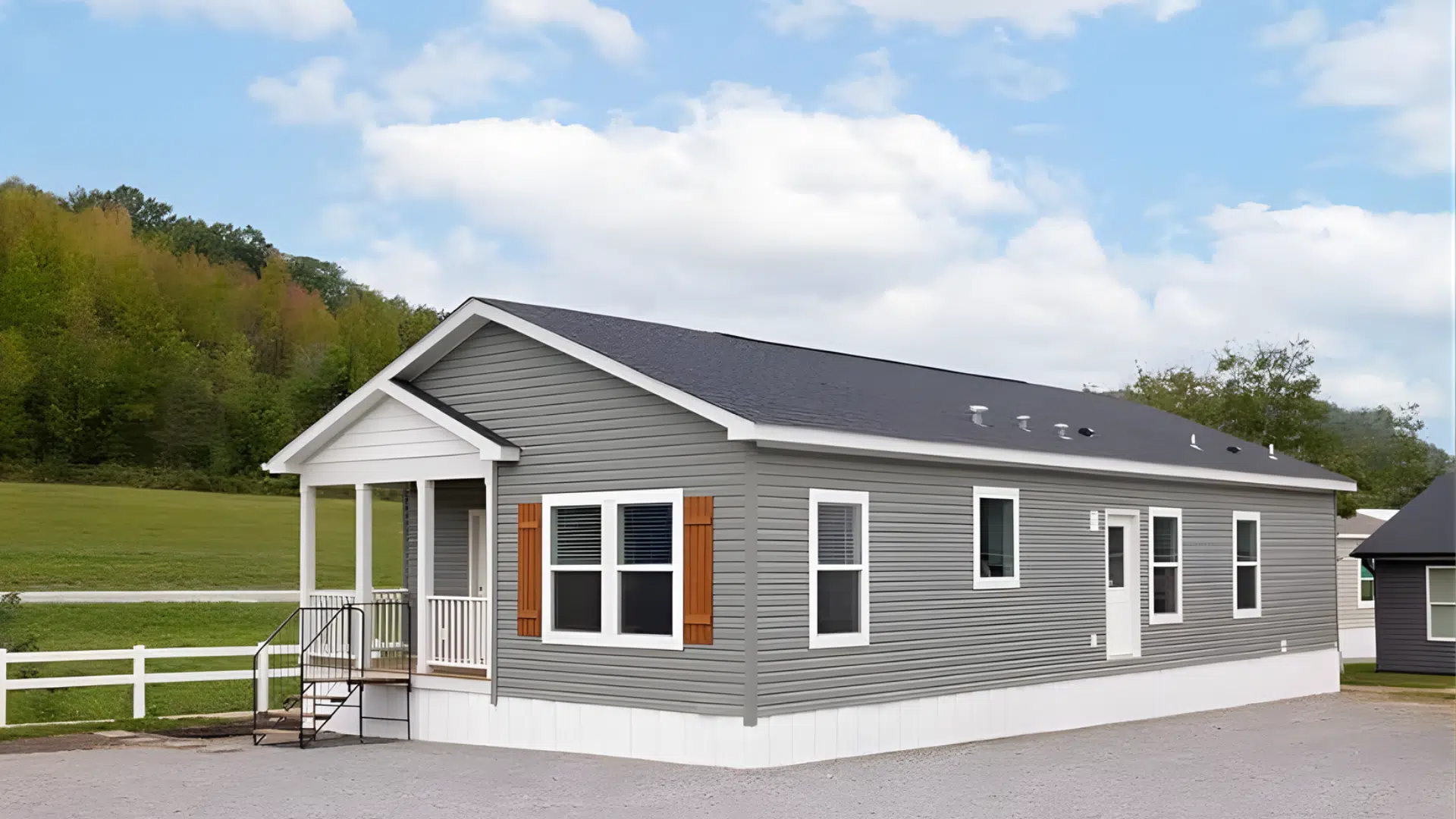
Prefab homes start in a factory, not on an empty lot.
Each part of the house is made in a controlled environment where materials stay dry, and work continues no matter the weather.
Once the sections are complete, they’re transported to the building site. Skilled crews then place them on the foundation and join them together. This process usually takes days instead of months.
Because the work happens indoors, there’s less material waste and fewer construction delays.
Every step is measured and inspected for quality. Many builders also include modern insulation and energy-efficient windows during production, making these homes durable and efficient from day one.
How Much Does a Prefab House Cost?
Many homeowners ask how much a prefab house costs, and the answer depends on factors like size, design, and location.
Prefab homes usually cost less than traditional builds because most of the work happens in a factory.
- Small Homes (800–1,000 sq. ft.): Usually cost between $80,000 and $130,000. These include basic layouts and standard finishes.
- Medium Homes (1,200–1,800 sq. ft.): Priced around $150,000 to $250,000. They offer more space, upgraded materials, and better energy efficiency.
- Large Homes (2,000–3,000 sq. ft.): Range from $270,000 to $450,000+, depending on customization, design, and location.
- Land purchase and site preparation: You’ll need a suitable plot and a prepared foundation.
- Permits and utility hookups: Local regulations and connections for water, power, and sewage add to the total cost.
- Transportation and installation: Moving the factory-built sections and placing them on-site can add to expenses.
Prefab homes offer excellent value for their price. They combine quality construction, faster timelines, and predictable costs, making them a smart alternative to traditional homebuilding.
Prefab vs. Modular vs. Traditional Homes
Understanding the difference between these home types helps you make a smarter decision.
| Feature | Prefab Homes | Modular Homes | Traditional Homes |
|---|---|---|---|
| Where It’s Built | Parts are built in a factory, then assembled on-site. | Large sections are built in a factory and joined on-site. | Entirely built on-site from start to finish. |
| Build Time | Usually faster due to the factory process. | Faster than traditional homes. | Slower because of the weather and on-site work. |
| Cost | Often lower, with fewer labor and material expenses. | Mid-range, depending on customization. | Typically, the highest due to longer build time and waste. |
| Customization | Moderate flexibility depending on the builder. | High flexibility in layout and finishes. | Full design freedom. |
| Quality Control | Consistent due to factory production. | High precision and quality. | Depends on site conditions and contractor skill. |
| Environmental Impact | Lower waste and more energy-efficient. | Energy-efficient and durable. | More waste and higher energy use. |
Prefab and modular homes share many benefits, especially in speed and efficiency. Traditional homes still offer full control, but they require more time and budget.
Common Misconceptions About Prefab Homes
Even with their growing popularity, prefab homes are often misunderstood. Let’s clear up some of the most common myths.
Myth: Prefab homes are poorly built.
Fact: Factory construction includes strict quality checks at every step. Each section is inspected before it leaves the facility, ensuring strength and precision.
Myth:All prefab homes look the same.
Fact: Today’s prefab homes come in a variety of styles, from sleek modern layouts to cozy traditional designs, with customizable features and finishes.
Myth:Prefab homes don’t last long.
Fact: Built with durable materials and controlled processes, they can last as long as site-built houses with regular maintenance.
Myth:Prefab homes aren’t energy-efficient.
Fact: Most include high-quality insulation, sealed joints, and efficient windows that reduce energy loss and lower utility costs.
Myth:Financing prefab homes is difficult.
Fact: Many lenders now offer specific loans for prefab and modular homes, making financing simpler and more accessible
Prefab homes have evolved into durable, efficient, and stylish housing options that meet modern needs without compromising quality.
Top Prefab Home Companies in the U.S.
Choosing the right builder is key to getting a high-quality prefab home. These U.S. companies are known for reliable construction, design flexibility, and long-lasting value.
- Lindal Homes: Offers customizable post-and-beam prefab designs that combine modern aesthetics with lasting durability.
- Champion Homes:One of the largest modular builders, known for affordable and mid-range home designs.
- Clayton Homes: Creates stylish, energy-efficient modular homes to suit a wide range of budgets.
- Cavco Industries: Provides durable, customizable homes backed by strong craftsmanship and nationwide service.
Each builder offers unique styles and pricing, so compare options to find one that fits your needs and location.
Is a Prefab Home Right for You?
Prefab homes are a great option if you want to build faster without exceeding your budget. They offer reliable quality, energy efficiency, and flexible designs suited for different lifestyles.
They’re perfect for people who value sustainability and long-term savings in their homes. With less waste and shorter construction timelines, prefab homes deliver comfort and durability at an affordable price.
Before you decide, consider your land, budget, and local building rules to plan wisely. Managing permits, financing, and selecting a trusted builder will make the entire process smooth and rewarding.
Conclusion
Prefab homes are changing how people think about modern construction. They bring quality, efficiency, and affordability together in one solid design.
If you’ve been researching what is a prefab home and whether it fits your needs, the answer depends on your goals and budget. These prefabricated homes save time, reduce waste, and deliver lasting value.
Looking to begin your project? Compare prefab home builders near you and start planning your prefabricated home with the layout, finishes, and features that suit your lifestyle.