Energy costs are rising, and both homeowners and businesses are seeking practical ways to manage their energy use. A significant amount of energy is often wasted due to outdated systems, poor insulation, or inefficient equipment.
From small upgrades to system-level improvements, there are many ways to improve energy use in both residential and commercial spaces.
This blog breaks down the most effective options, explains how they work, and shows where they fit best.
By the end, you’ll have a clear understanding of how to make better energy choices for long-term savings.
What are Energy Efficiency Solutions and Why Do They Matter?
Energy efficiency solutions are methods, technologies, and services designed to reduce energy use while maintaining the same level of performance.
Instead of limiting usage, the goal is to make systems work more efficiently so less energy is wasted.
These solutions can be applied across lighting, heating, cooling, appliances, and building design. They focus on improving how energy is consumed, stored, and managed in everyday operations.
At a basic level, energy efficiency involves replacing outdated systems with better-performing alternatives and optimizing how energy flows within a space.
This can range from simple changes, such as switching to LED lighting, to larger upgrades, such as installing advanced HVAC systems.
Over time, these improvements help reduce energy bills and improve overall system reliability.
Types of Energy Efficiency Solutions Available
Energy efficiency solutions come in many forms, depending on how energy is used in a space. Some focus on reducing consumption, while others improve system performance or prevent energy loss.
| Solution Type | What It Includes | Why It Helps |
|---|---|---|
| Lighting Solutions | • LED bulbs and fixtures • Motion sensors and timers • Smart lighting systems | • Uses less electricity • Reduces unnecessary usage • Lasts longer than traditional bulbs |
| HVAC Efficiency Solutions | • Energy-efficient AC and heating systems • Smart thermostats • Zoned temperature control | • Lowers heating and cooling costs • Maintains steady temperature • Reduces energy waste |
| Insulation And Building Improvements | • Wall and roof insulation • Double-glazed windows • Weather sealing gaps | • Prevents heat loss and gain • Reduces HVAC load • Improves indoor comfort |
Smart Energy Efficiency Solutions for Homes
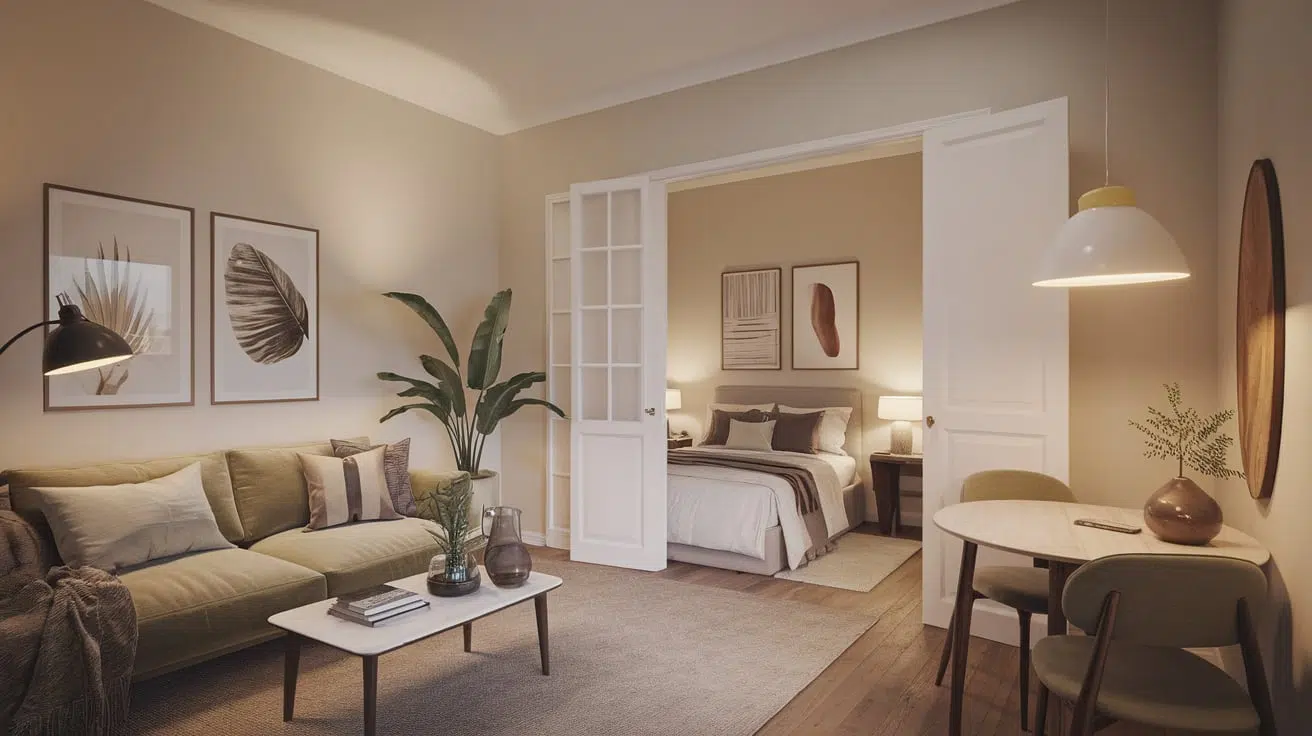
Residential spaces can benefit from simple yet effective changes that reduce energy use without affecting daily comfort. These solutions are easy to implement and often provide noticeable savings over time.
Focusing on key areas such as lighting, appliances, and temperature control can significantly reduce household energy consumption.
1. Smart Thermostats and Temperature Control

Smart thermostats give you better control over indoor temperatures by adjusting settings based on your routine. Instead of constant heating or cooling, they operate only when required, helping avoid unnecessary energy use.
They also adapt to usage patterns and maintain a balanced indoor environment without frequent manual changes. Over time, this helps reduce energy waste and improve system efficiency.
Key Functions:
- Adjusts temperature automatically based on daily schedule
- Reduces energy usage during inactive hours
- Maintains steady indoor conditions with minimal manual input
2. Energy-Efficient Appliances

Modern appliances are built to perform daily tasks with less power than older models. They use advanced technology to perform functions such as cooling, washing, and heating more efficiently.
Replacing outdated appliances helps reduce electricity consumption across multiple areas in the home. It also supports better performance without increasing energy demand.
Key Functions:
- Uses optimized energy for everyday household tasks
- Reduces electricity consumption across major appliances
- Supports consistent performance with lower power input
3. LED Lighting and Smart Controls

Lighting upgrades provide a quick way to reduce energy use at home. LEDs convert more of their energy into light rather than heat, making them more efficient than traditional bulbs.
Smart controls add convenience by managing when and how lights are used. This helps prevent lights from staying on unnecessarily and improves overall efficiency.
Key Functions:
- Converts energy into light more efficiently than traditional bulbs
- Controls lighting usage through timers and sensors
- Reduces excess power consumption from unnecessary lighting
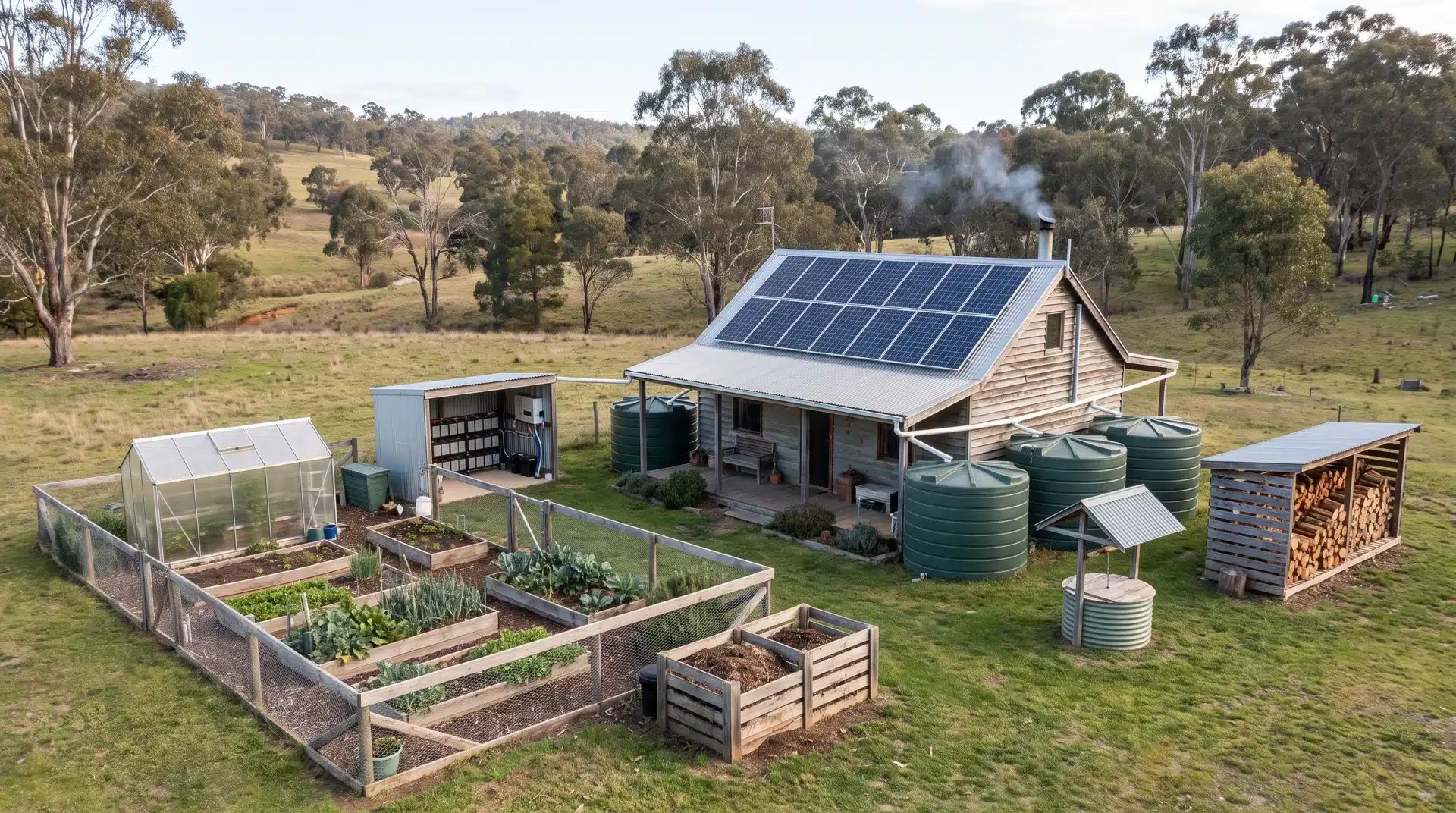
4. Solar Energy Solutions

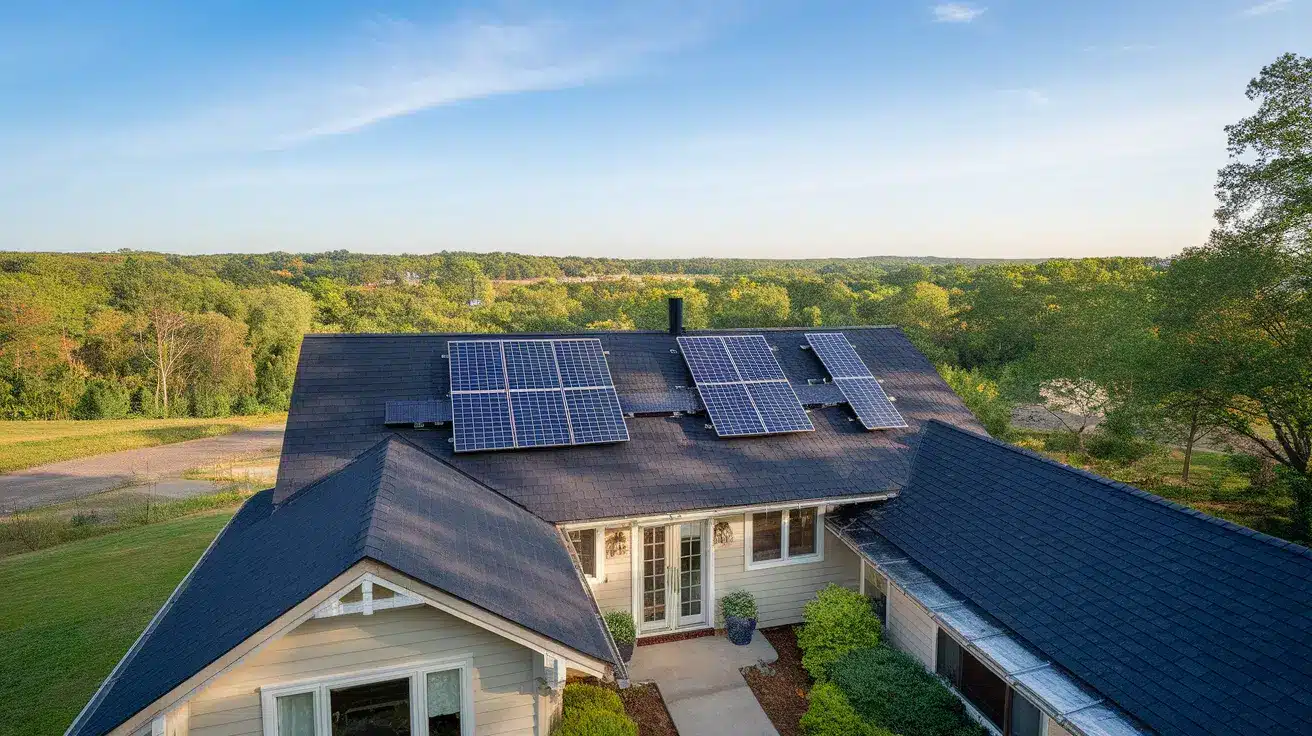
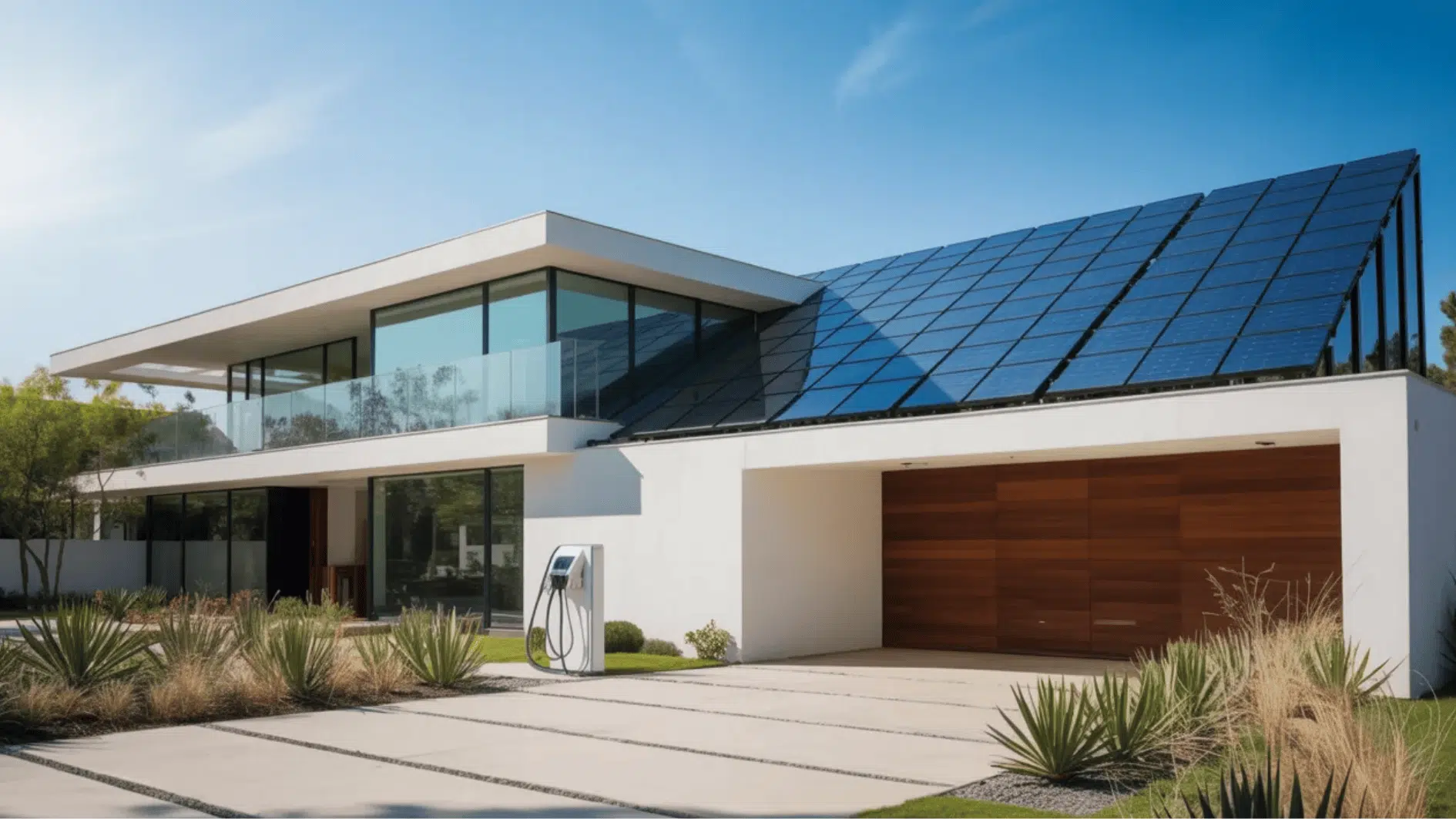
Solar systems use sunlight to generate power, offering an alternative to traditional electricity sources. This reduces dependency on external power supply and helps manage long-term energy costs.
These systems can support daily energy needs and, in some cases, provide additional backup. They are suitable for reducing overall grid usage.
Key Functions:
- Generates electricity using renewable energy from sunlight
- Reduces reliance on traditional power sources
- Supports long-term cost savings through energy generation
5. Home Insulation and Sealing

Insulation helps control how heat moves in and out of a home. Without proper insulation, indoor temperatures fluctuate rapidly, increasing the need for heating and cooling.
Sealing gaps and improving insulation reduces energy loss and keeps indoor conditions more stable throughout the year.
Key Functions:
- Limits heat transfer through walls, roofs, and openings
- Reduces energy demand for heating and cooling systems
- Maintains stable indoor temperature over time
6. Energy Monitoring Systems

Energy monitoring systems provide detailed insights into how electricity is used in your home. They track consumption patterns and highlight areas where usage is higher than expected. This information helps you make better decisions about energy use and adjust habits where needed.
Key Functions:
- Tracks real-time energy usage across devices
- Identifies areas of high energy consumption
- Supports better control over energy usage patterns
Energy Efficiency Solutions for Commercial Spaces
Commercial spaces often have higher energy demands due to larger areas and extended operating hours. Efficient systems help reduce operational costs and improve overall performance.
Businesses can benefit from structured energy management and system upgrades.
7. Energy Management Systems (EMS)

Energy management systems help businesses monitor and manage energy usage across multiple systems. They provide detailed data that highlights inefficiencies and areas for improvement. This allows better planning and control over energy consumption in large facilities.
Key Functions:
- Collects and analyzes energy usage data across the facility
- Identifies inefficiencies in different operational areas
- Supports data-driven decisions for energy control
8. High-Efficiency HVAC Systems

High-efficiency HVAC systems are designed to deliver effective heating and cooling with lower energy input. They use advanced mechanisms to manage temperature across large spaces.
These systems also allow better control over different zones, improving comfort without increasing energy demand.
To maintain these savings, facility teams should pair equipment upgrades with operations tools like HVAC service software that streamlines scheduling, dispatching, and invoicing. Coordinating preventive maintenance, technician routing, and on-site payments helps minimize downtime, reduce truck rolls, and keep HVAC performance and energy use optimized over time.
Key Functions:
- Regulates temperature efficiently across multiple zones
- Reduces energy input required for heating and cooling
- Improves overall system performance in large spaces
9. Efficient Lighting Systems

Commercial lighting systems often operate for long hours, making efficiency important. Upgrading to efficient lighting reduces power usage while maintaining proper brightness levels.
Automation tools help manage lighting schedules and reduce unnecessary usage during non-working hours.
Key Functions:
- Optimizes lighting usage based on operational schedules
- Maintains proper illumination with reduced energy input
- Minimizes power usage during non-operational hours
10. Equipment and Machinery Upgrades

Commercial equipment consumes a significant amount of energy during daily operations. Upgrading to energy-efficient machines helps reduce power usage without affecting output.
Modern systems are designed to operate more efficiently and require less energy to perform the same tasks.
Key Functions:
- Improves energy use in production and operational equipment
- Reduces power consumption during continuous usage
- Supports consistent output with lower energy demand
11. Building Automation Systems (BAS)

Building automation systems connect and control multiple systems within a facility from a central platform. They adjust operations based on usage patterns and real-time inputs. This improves coordination between systems and reduces unnecessary energy use.
Key Functions:
- Integrates control of lighting, HVAC, and other systems
- Adjusts operations based on usage and schedules
- Improves coordination between building systems
How to Choose the Right Energy Efficiency Solutions
Choosing the right solution depends on your energy usage, budget, and long-term goals. A clear understanding of your needs helps narrow down the best options.
- Assess Your Energy Needs: Start by reviewing your energy usage patterns. Identify the areas with the highest consumption and focus on improving them first.
- Compare Available Options: Different solutions offer different benefits. Comparing efficiency ratings, costs, and expected savings helps you make better decisions.
- Work with Professionals: Consulting experts can help you choose solutions that fit your space and requirements. They can also guide you through installation and setup.
Conclusion
Energy efficiency solutions provide a practical way to manage energy use in both homes and businesses.
By improving how energy is consumed, these solutions help reduce costs and improve system performance.
From simple upgrades like LED lighting to advanced systems like energy management tools, there are options for every type of space. The key is choosing solutions that match your needs and usage patterns.
Working with experienced service providers can make the process easier and more effective. Over time, these improvements lead to better energy control and noticeable savings.