Winter can be tough on a motorcycle that sits unused for months.
Many riders park their motorcycles without proper preparation, thinking it will be fine. But even a short winter break can lead to damage.
This guide keeps things simple and practical. You’ll learn how to prepare your motorcycle, store it safely, and avoid common mistakes that other riders often regret.
By the end, your bike will be ready to handle winter and start smoothly when riding season returns.
Why Proper Motorcycle Storage is Important?
Storing a motorcycle properly during winter isn’t just about parking it and walking away. Long periods of inactivity, combined with cold and moisture, can slowly affect key parts of the bike.
Issues like rust, weak battery performance, and fuel problems often show up later when you try to ride again.
Here’s why it matters:
- Prevents rust and corrosion: Moisture that settles on metal parts can cause damage.
- Protects the battery: Avoids complete discharge and early failure.
- Keeps fuel system clean: Stops fuel from breaking down and clogging parts.
- Maintains tire condition: Prevents flat spots and pressure loss.
- Supports engine health: Keeps internal components in better condition.
A few simple steps before storage can save you from expensive repairs later.
How Long Can a Motorcycle Sit Unused in Winter?
Motorcycles can sit idle for a few weeks, but longer periods—especially in winter—can lead to battery drain, fuel issues, and moisture damage. Proper storage helps avoid these problems and keeps your bike ready to ride.
| Time Parked | What Happens Without Prep | Risk Level |
|---|---|---|
| 1–2 Weeks | Minimal impact | Low |
| 3–4 Weeks | Battery starts draining, fuel degrades | Medium |
| 2–5 Months | Moisture buildup, engine & tire issues | High |
| With Proper Storage | Systems stay protected and stable | Safe |
Preparing Your Motorcycle Before Winter Storage
Preparation is the most important part of winter storage. Taking time to get your motorcycle ready helps prevent the most common problems and keeps it in good condition for months.
Step 1: Clean and Dry Your Motorcycle Thoroughly
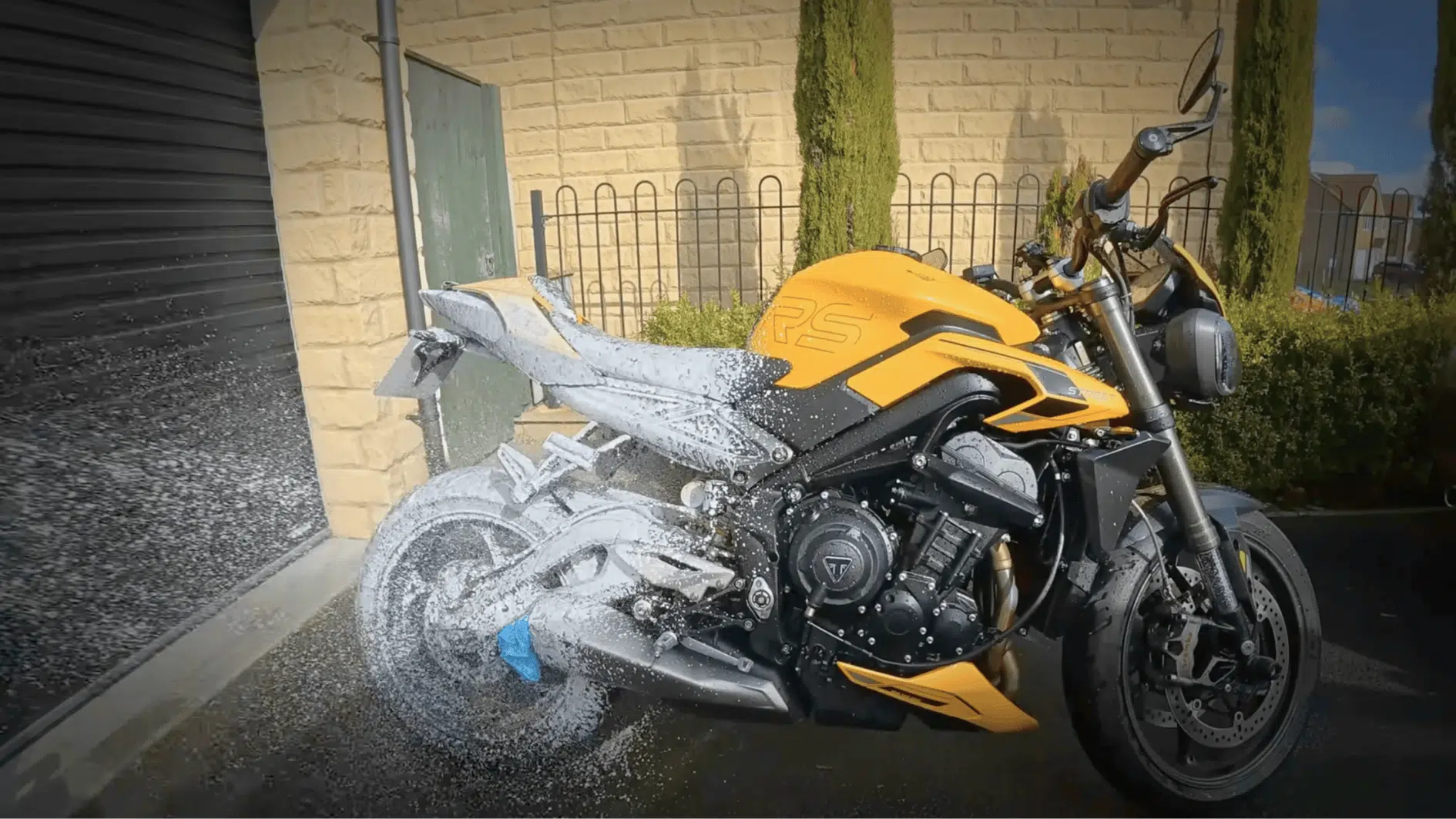
Dirt, salt, and grime can trap moisture and slowly damage your bike during winter. Over time, this can lead to rust, faded paint, and corrosion on small parts.
Cleaning the motorcycle properly removes these harmful elements before storage. A fully dry surface also prevents hidden moisture from settling in gaps and joints.
Step 2: Rust Prevention
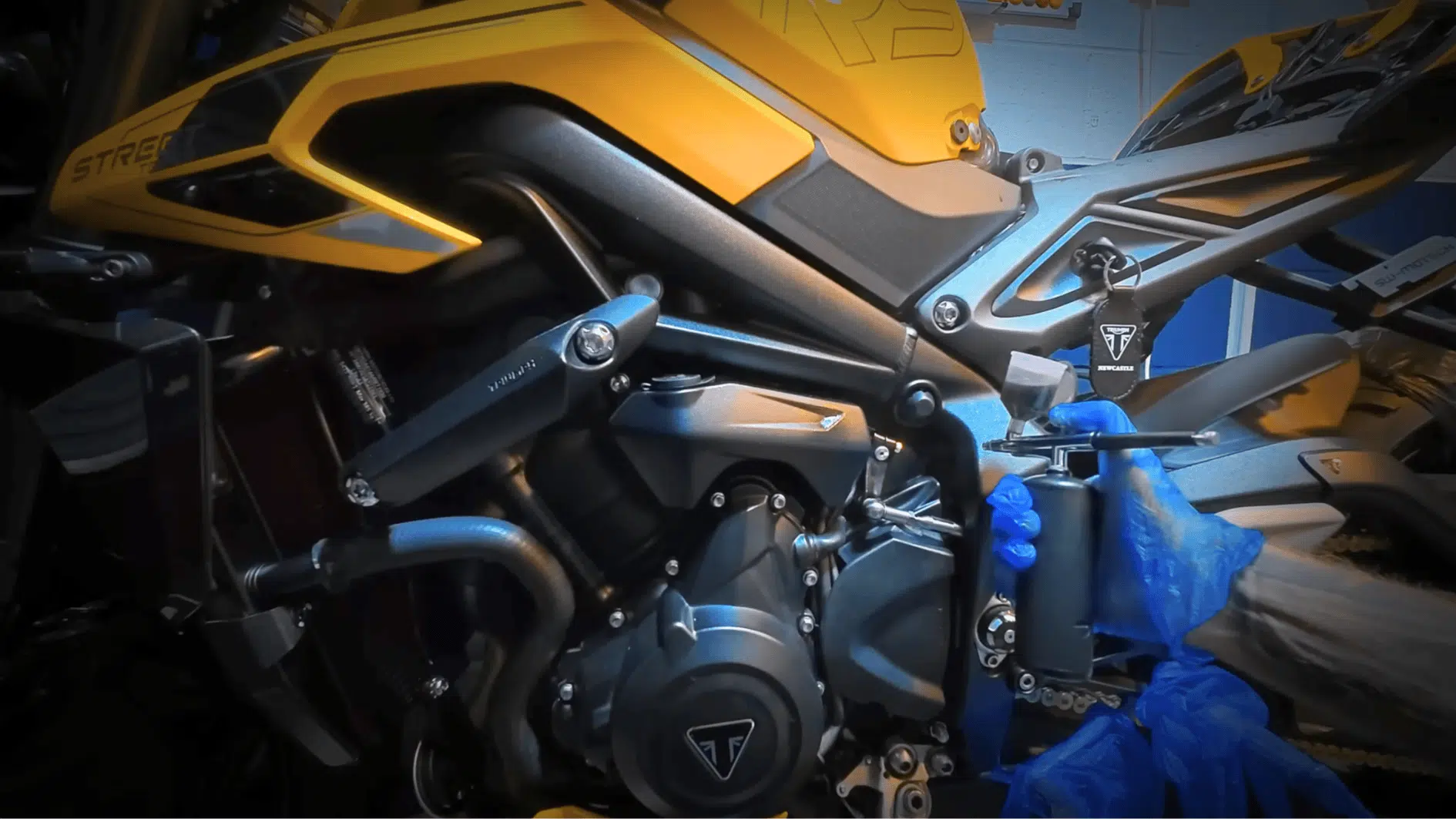
Winter air carries moisture that can settle on exposed metal and cause rust over time. Even small areas of corrosion can spread if left unchecked.
Applying a protective layer creates a barrier against damp conditions. This helps keep metal components in good condition throughout the storage period.
Step 3: Fuel Management
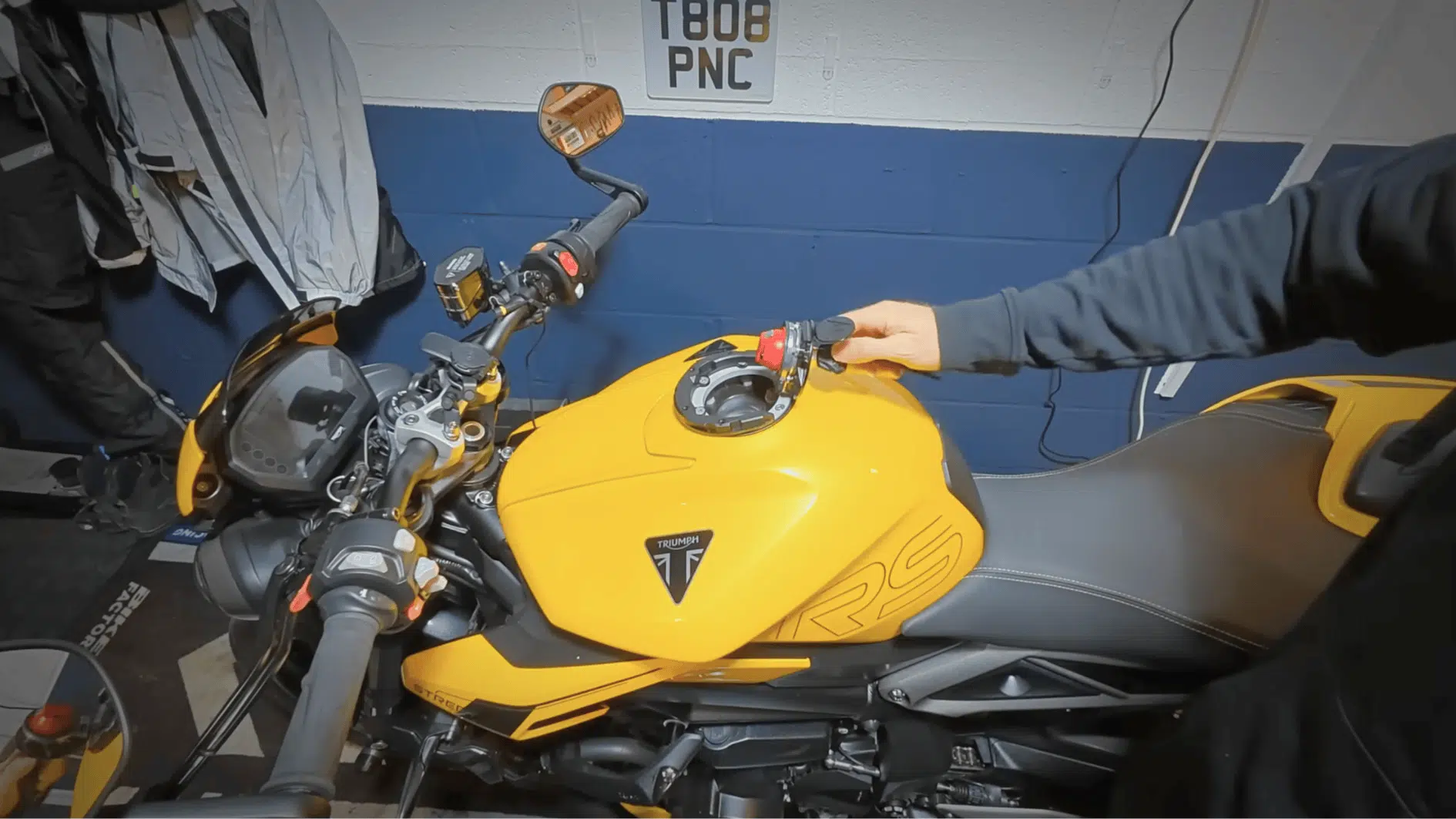
Fuel does not stay stable when left unused for long periods. It can break down and create deposits inside the tank and fuel system.
A partially filled tank also allows moisture to form, increasing the risk of internal rust. Managing fuel before storage helps maintain smoother performance later.
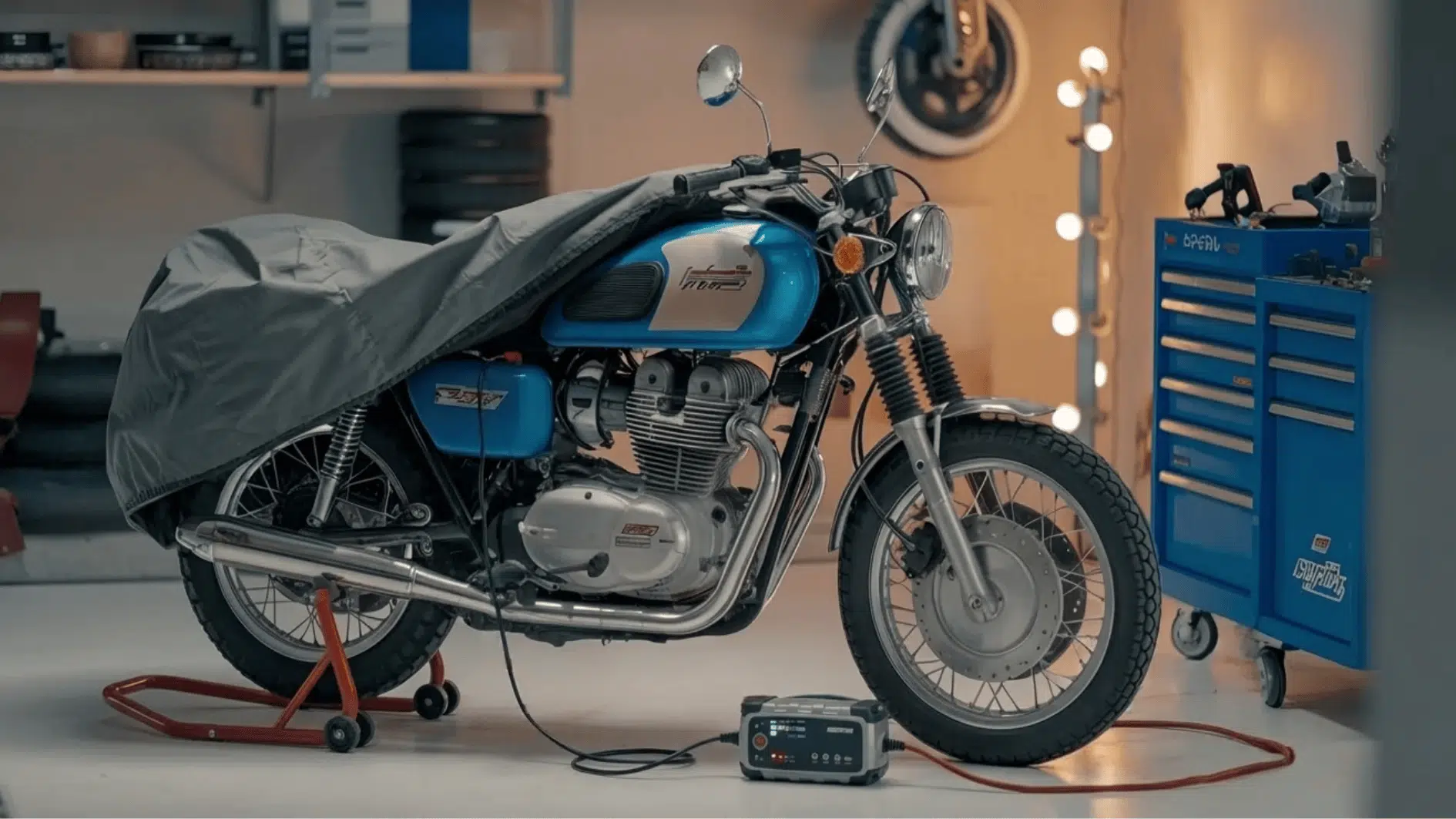
Step 4: Battery Care
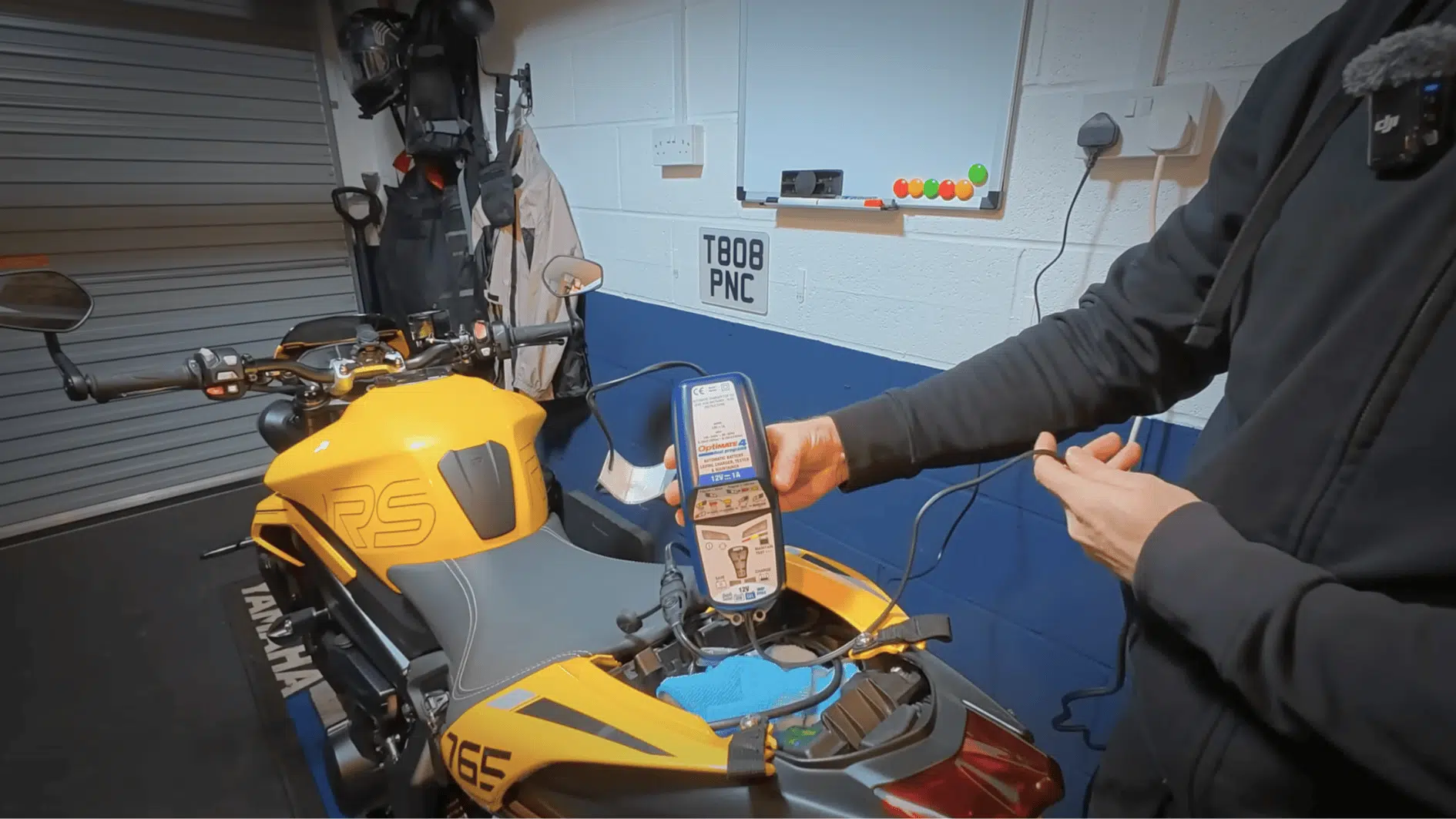
Cold temperatures and inactivity can drain the battery faster than expected. If the charge drops too low, it may not recover properly. This often leads to starting issues once winter ends.
Taking care of the battery beforehand helps avoid unnecessary replacements.
Step 5: Tyre Maintenance
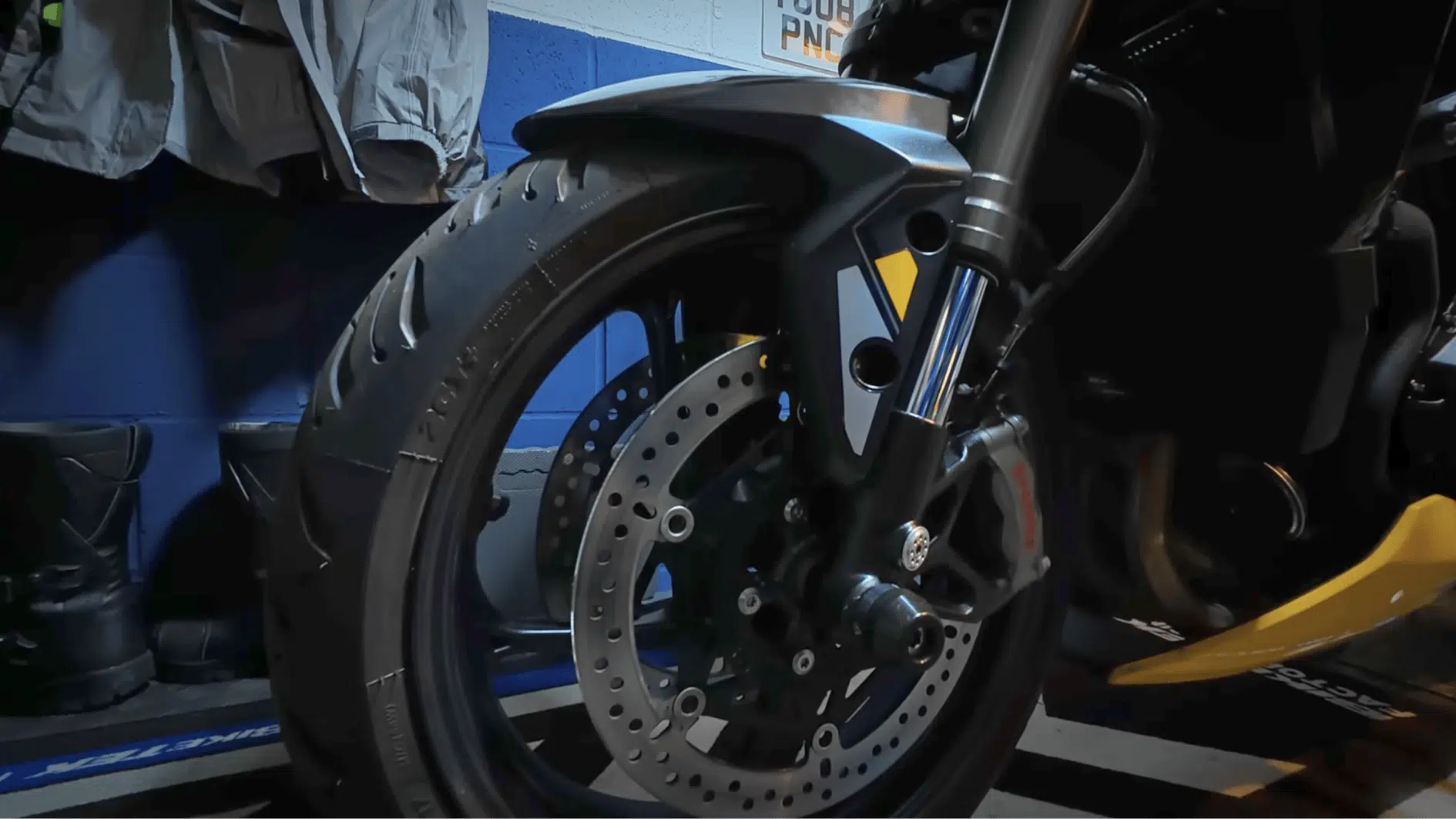
Tyres can lose pressure and develop flat spots when the bike stays in one position for months. This can affect balance, comfort, and overall performance.
Proper tyre care helps maintain their shape and condition. It also ensures a smoother ride when the motorcycle is back in use.
Step 6: Oil Change
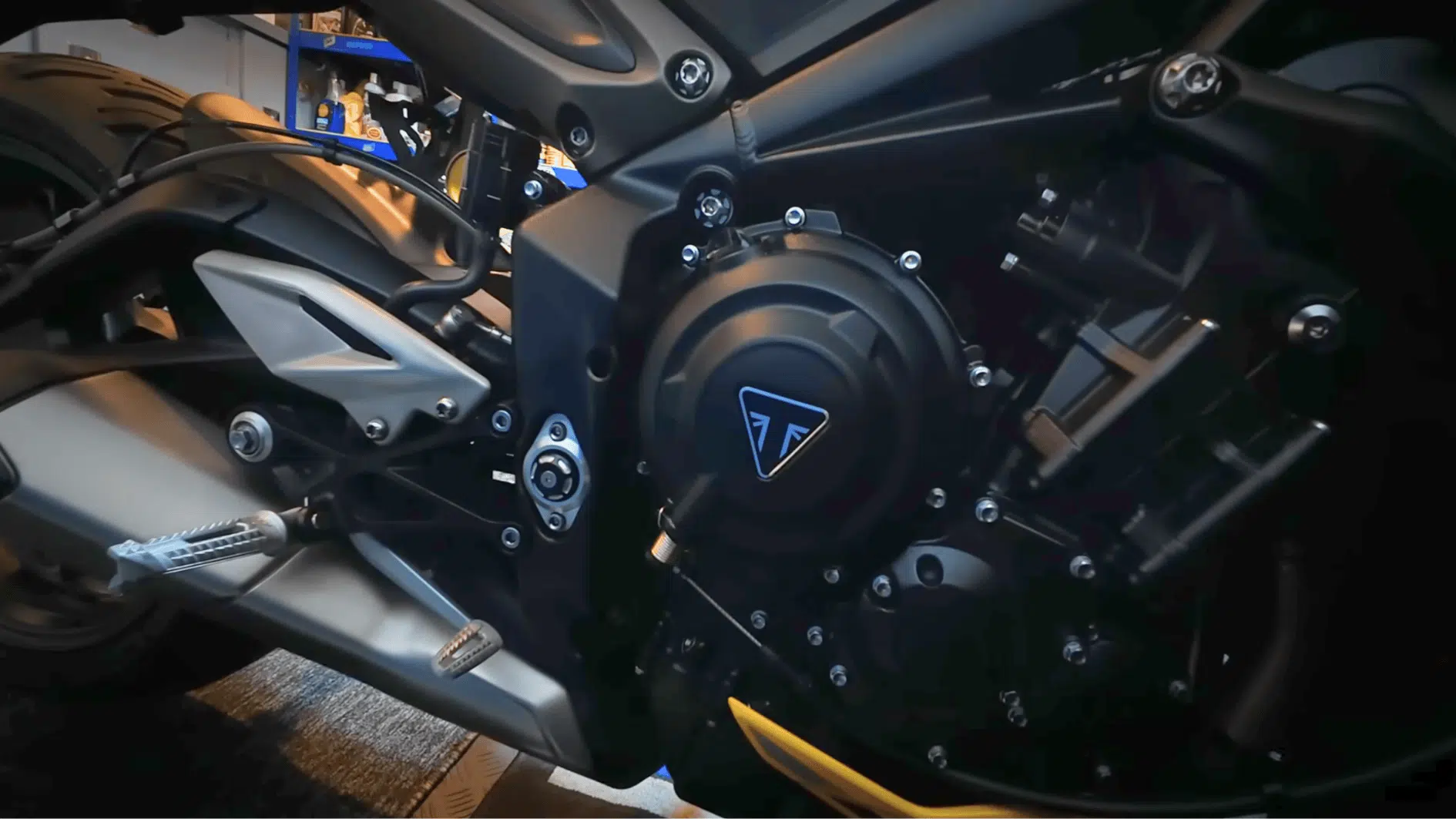
Engine oil collects dirt and small particles over time. If left unchanged, these can settle and affect internal engine parts during storage.
Fresh oil provides better protection and keeps components in good condition. This is especially helpful if the oil is already due for a change.
Step 7: Chain Lubrication
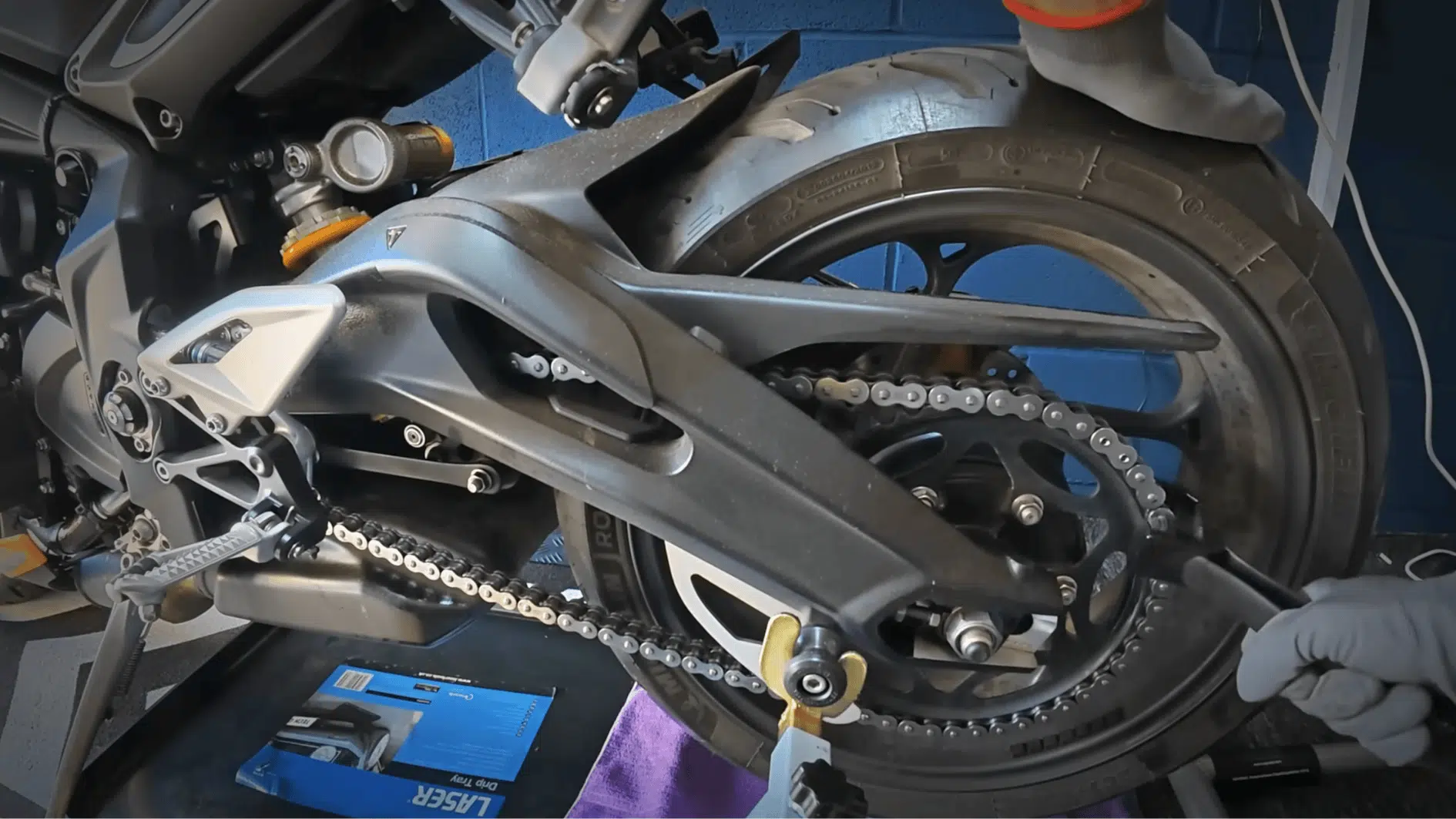
The chain is highly exposed to moisture and can rust if left untreated. A dry or dirty chain may stiffen and wear out faster.
Cleaning and lubricating it creates a protective layer against corrosion. This helps maintain smooth movement and extends the chain’s life.
For a visual guide, watch the video given below:
Common Mistakes to Avoid
Many riders overlook small details when storing their motorcycle for winter, thinking they won’t matter much. But these minor mistakes can slowly turn into bigger issues that show up when it’s time to ride again.
- Leaving the fuel tank empty: Empty or partially filled tanks allow air and moisture to enter, increasing the risk of internal rust and fuel system issues.
- Not using a fuel stabilizer: Fuel starts to break down during storage, forming deposits that can clog injectors and affect engine performance later.
- Using non-breathable covers: Plastic or airtight covers trap moisture underneath, creating a damp environment that speeds up rust formation.
- Parking on soft or damp surfaces: Soft ground or damp areas can cause instability and expose the bike to rising moisture from below.
Motorcycle Storage Myths You Should Ignore
Many riders follow advice that sounds helpful but can actually harm their motorcycles over time. These myths often come from outdated practices or incomplete information.
Understanding what really works helps you avoid mistakes that lead to damage. Clearing up these misconceptions can save effort and keep your bike in better condition.
Myth 1: Starting the Bike Occasionally is Enough
Short engine runs may seem like a good way to keep your motorcycle active, but they often do more harm than good.
When the engine does not run long enough to reach full temperature, moisture builds up inside. This can affect internal parts and reduce engine health over time.
- Leads to condensation buildup inside the engine and exhaust system, which can cause internal corrosion.
- Does not fully charge the battery since short runs don’t provide enough time for proper charging.
Myth 2: Draining Fuel is Always Better
Some riders believe removing all fuel before storage is the safest option, but that is not always true. Modern fuel systems are designed to handle stored fuel when treated properly. Leaving the tank empty can actually create more problems than it solves.
- Empty tanks can develop rust inside due to moisture buildup in the exposed space.
- A fuel stabilizer helps maintain fuel quality and prevents breakdown during long-term storage.
Myth 3: Cover Alone is Sufficient Protection
Using a cover is helpful, but it is not enough to fully protect your motorcycle during winter. A cover only protects the exterior, while internal systems still need attention. Without proper preparation, issues can develop even under a good cover.
- Does not prevent internal damage such as battery drain, fuel degradation, or engine wear.
- Needs proper preparation steps, such as cleaning, lubrication, and fluid checks, before covering the bike.
Myth 4: You Should Completely Cover the Bike Airtight
Some riders believe sealing the motorcycle tightly keeps it safer from dust and moisture. But trapping air inside can actually create a damp environment that leads to rust.
- Airtight covers trap moisture instead of letting it escape.
- A lack of airflow increases the risk of corrosion on the metal part.
Myth 5: Winter Storage Doesn’t Affect Engine Internals
Even when the bike is not running, internal parts can still be affected by moisture and inactivity. Ignoring this can lead to hidden issues.
- Moisture buildup can affect internal engine components.
- Lack of lubrication can impact long-term performance.
Real Life Tips and Advice from Motorcyclists Online
Many riders don’t just rely on manuals – they learn the hard way through trial, error, and real riding seasons.
Over time, they figure out what actually works and what ends up causing problems once spring arrives. That’s why advice from real riders can be surprisingly helpful.
Platforms like Reddit and Quora are full of these first-hand experiences. Here are some practical, real-world tips gathered from those discussions.
“I used to just park my bike and cover it. Big mistake. Battery died every spring. Now I keep it on a trickle charger and it starts instantly.” – SteelRider89, Reddit
“If your garage gets damp, throw in a moisture absorber. I noticed less rust on bolts after doing that.” – ColdGarageGuy, Reddit
“Filling the fuel tank and adding stabilizer is one of the simplest steps people skip. It prevents a lot of fuel system issues.” – Jason Miller, Quora
“Don’t start your bike for a few minutes and think it helps. It actually builds moisture unless you ride it long enough.” – RideSafeAlex, Reddit
“Using stands for your bike during storage helped me avoid tire replacement. Flat spots are real if the bike sits too long.” – Mark Jensen, Quora
Conclusion
Motorcycle winter storage does not have to be complicated, but it does require attention to detail.
Simple steps like cleaning, fuel stabilization, battery care, and proper storage location can prevent the most common issues.
Ignoring these basics often leads to problems that show up when you are ready to ride again. Many riders learn this the hard way after dealing with dead batteries or fuel system trouble.
When warmer days return, your bike will be ready to start smoothly and perform as expected without extra repairs.