Ever watched an F1 race and wondered how those cars even get there? One weekend it’s Monaco. Next, it’s Singapore. Thousands of miles apart.
That’s exactly what makes how F1 cars are transported such a fascinating question. It’s not as simple as tossing them in a van.
It’s a full-blown military-style operation. And most fans never even see it. This post breaks down the methods, the madness, and the sheer scale behind it all.
Why Moving an F1 Car Isn’t as Simple as It Sounds?
An F1 car might look tough on track, but behind the scenes, it’s incredibly sensitive.
Every part is built for performance, not durability, which means even slight mishandling can cause damage. That’s exactly why how F1 cars are transported becomes so important.
These cars can’t just be driven or shipped like regular vehicles. They need careful packing, controlled conditions, and expert handling at every step.
One small mistake can impact performance later. And that’s what makes transporting them just as critical as building them in the first place.
What It Takes to Move an F1 Team from One Race to The Next

Image Source – Formula 1
Getting an F1 team to the next race isn’t just about moving cars. Equipment, tools, and parts all need to arrive on time.
1. What Actually Needs to Be Moved?
It’s not just the race cars making the journey. Transporting F1 cars is only one piece of it the equipment and tools that travel alongside them are just as critical to a successful race weekend.
| Category | What It Includes | Priority Level |
|---|---|---|
| Race Cars | Primary car, spare chassis | Critical |
| Power Unit Parts | Engine, gearbox, MGU-K, MGU-H | Critical |
| Aerodynamic Components | Front/rear wings, floor sections, diffuser | Critical |
| Suspension & Brakes | Wishbones, uprights, brake ducts, calipers | High |
| Tyre Equipment | Tyre blankets, pressure gauges, fitting tools | High |
| Mechanical Tools | Wheel guns, torque wrenches, rigs, jacks | High |
| Diagnostic & Sensor Tools | Telemetry units, sensor rigs, data loggers | High |
| IT & Data Systems | Servers, monitors, comms gear, data cables | High |
| Garage Infrastructure | Workstations, garage barriers, team signage | Medium |
| Safety & Medical Equipment | Fire extinguishers, medical kits, marshalling gear | Critical |
| Team Hospitality Items | Branded furniture, catering equipment, team kit | Low |
| Spare Consumables | Fluids, lubricants, adhesives, fasteners | Medium |
Some items fly out days before the race. Others follow on a slower, cheaper route. Nothing moves without a plan behind it.
2. How Teams Sort Cargo Before It Moves
Not everything travels the same way or on the same timeline. Teams divide their cargo by urgency early in the process so nothing race-critical gets caught in the wrong shipment.
- Race cars and power units are always prioritized first
- High-priority cargo gets tighter arrival windows
- Support and hospitality gear are scheduled separately
- Backups are packed for key components wherever possible
3. The Planning That Happens Before Anything Moves
Most of the real work happens before a single item leaves the facility. Teams build detailed logistics timelines weeks in advance, especially when races are back-to-back.
- Departure and arrival windows are mapped for every shipment
- Each item slots into a larger event-wide schedule
- Back-to-back races get their own dedicated logistics plan
- Buffer time is built in to absorb unexpected delays
4. Keeping Tabs on Hundreds of Items At Once
When hundreds of high-value items are moving across multiple countries at once, tracking isn’t optional, it’s essential. Teams need full visibility at every stage.
- Every item is logged before leaving the base
- Cargo is grouped and documented by priority
- Movement is monitored from departure to arrival
- Missing items are flagged immediately for alternatives
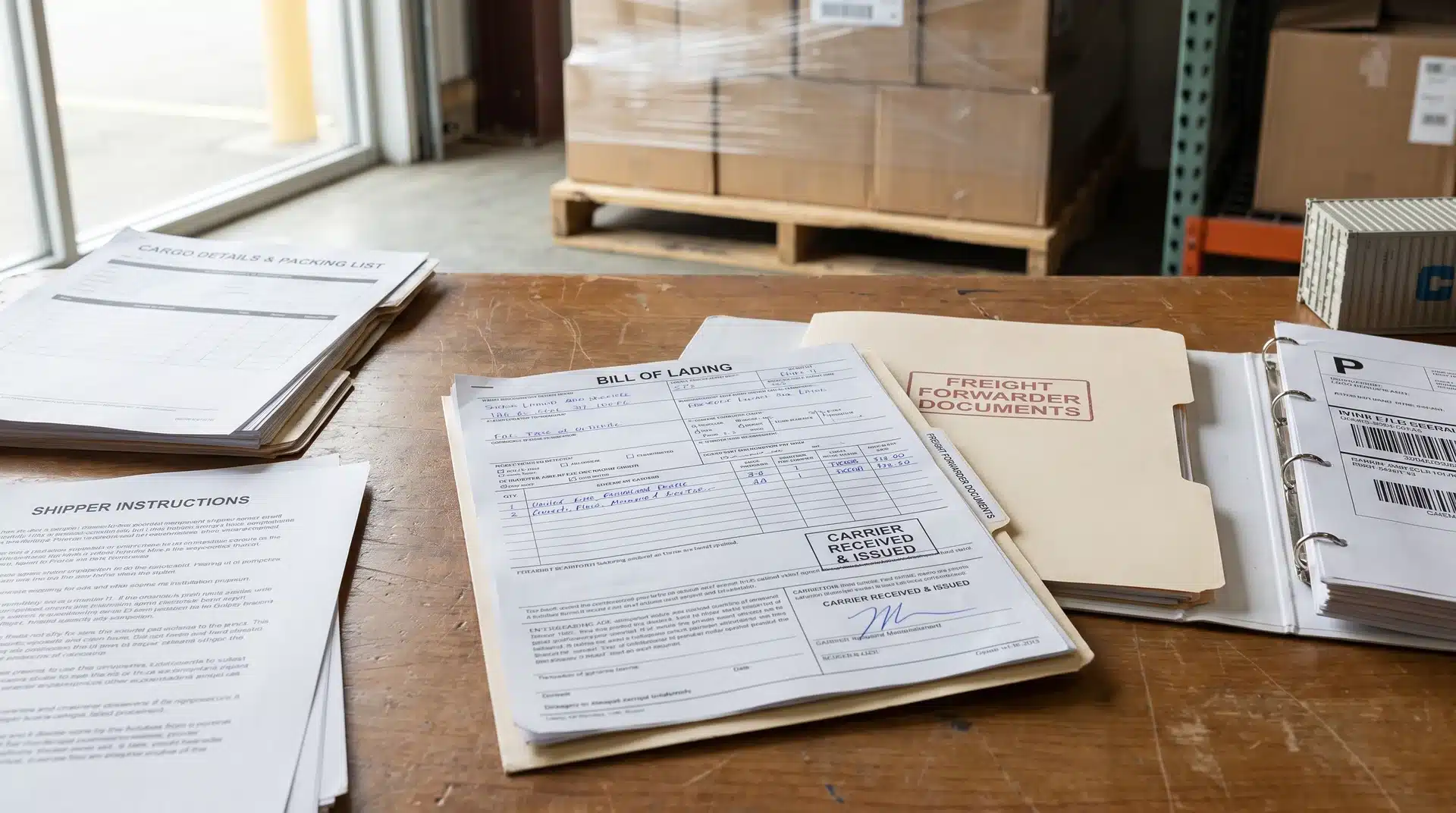
5. Dealing with Borders and International Paperwork
F1 travels to over 20 countries every season. That means customs documentation has to be completely airtight before anything crosses a border.
- Item lists and cargo values are prepared per shipment
- ATA carnets are used to avoid import duties
- Customs requirements are researched well in advance
- All clearances are secured before cargo arrives
6. Protecting Equipment Worth Millions
F1 components are expensive, highly precise, and often surprisingly fragile. Getting them there safely matters just as much as getting them there on time.
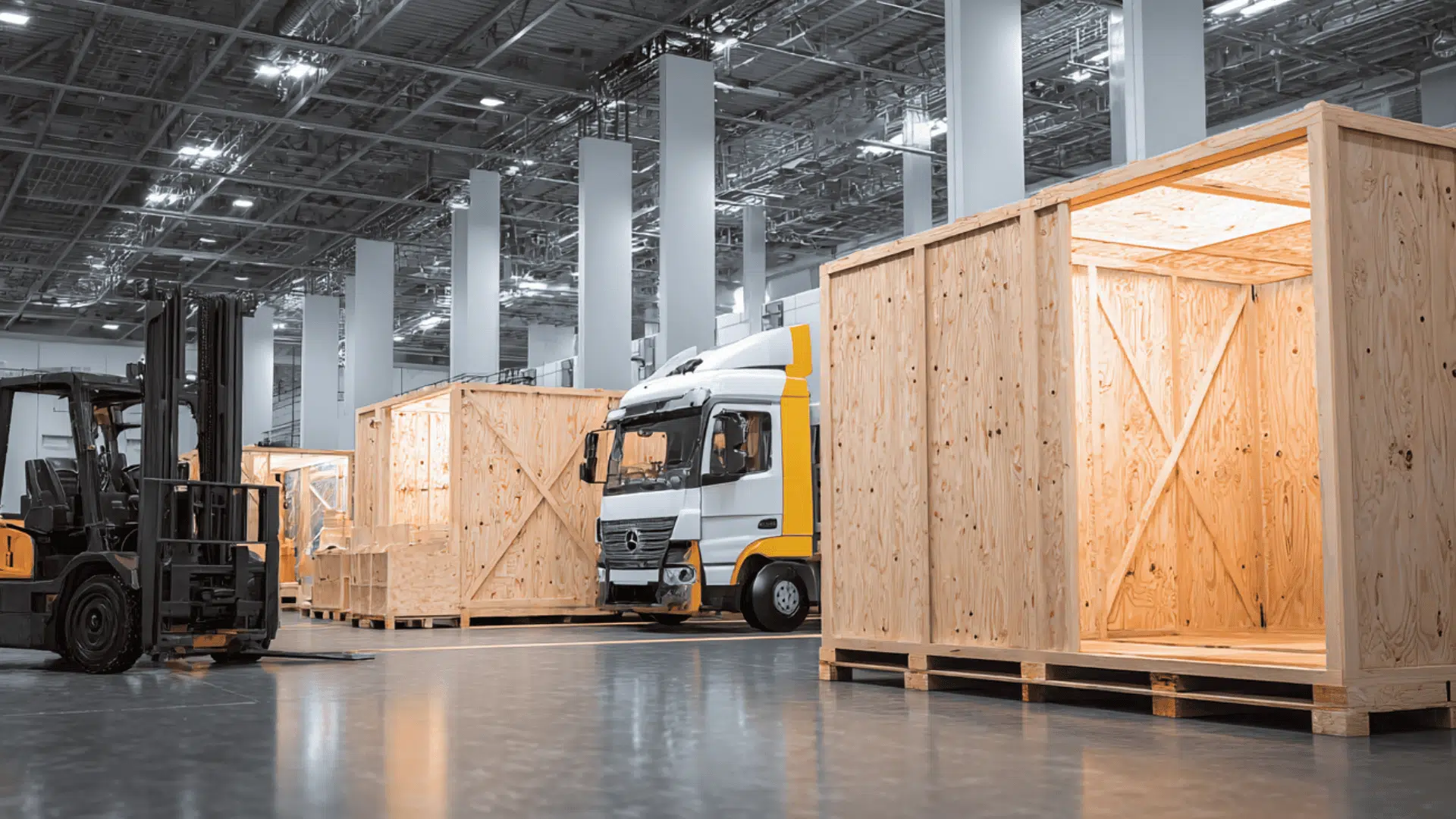
- Fragile parts are packed in a custom-built protective casing
- High-value components follow strict handling protocols
- Temperature and humidity are controlled for sensitive electronics
- Access to critical equipment is tightly managed throughout
7. How Different Teams Stay Coordinated
This operation doesn’t run on one person’s effort. It takes engineers, logistics staff, event organizers, and local authorities all working from the same page simultaneously.
- All departments operate from a shared master timeline
- Engineers communicate equipment needs before departure
- Logistics teams manage routing and arrival coordination
- Local ground teams handle access and setup timing
8. Why Being Late is Never an Option
Being late in Formula 1 doesn’t just cause stress. It directly impacts car setup, practice preparation, and how the entire weekend performs from the very first session.
- Cars and equipment must arrive in the right sequence
- Setting up windows can be as tight as 24 to 48 hours
- One delayed shipment can disrupt several connected tasks
- Smooth logistics give a team its best shot at a strong weekend
The Modes of Transport that Move F1 Around the World

Moving F1 cars across the globe isn’t a single operation. It’s a combination of methods, each chosen based on distance, urgency, and what’s actually being moved. Here’s a look at every mode of transport that makes it happen.
| Transport Method | Used For | Speed | Cost Level | Key Advantage | Limitations |
|---|---|---|---|---|---|
| Air Freight | Cars, equipment for long-haul races | Very Fast | Very High | Essential for global races | Expensive and requires strict timing |
| Charter & Private Jets | Urgent parts, critical components, personnel | Fastest | Extremely High | Immediate delivery when time is critical | Not cost-efficient for regular use |
| Sea Freight | Bulk items like furniture, branding, catering | Slow | Low | Cost-effective for heavy shipments | Requires long-term planning |
| Road Transport | European races (cars, tools, team setup) | Moderate | Moderate | Flexible and efficient within Europe | Limited to nearby locations |
Once It Arrives, What Happens Next?
The moment cargo lands, the clock starts ticking. Every item is cross-checked against inventory lists straight away. Race cars and critical equipment are unloaded first; nothing else takes priority.
Each part is inspected for damage before it’s signed off. Tools, components, and garage equipment go directly to the right crew the moment they’re cleared
There’s no waiting around. Setup begins as soon as the first batch of core equipment is in place.
If anything is missing or damaged, it gets flagged and escalated immediately because at this stage, every hour counts.
Conclusion
Next time a race weekend begins in a new country, it’s hard not to look at the cars a little differently. Just days earlier, it was somewhere else entirely.
Everything had to move at the right time, in the right way, without a single mistake. Sounds intense, right?
Once you start noticing this side of the sport, every race feels a bit different. It’s not just about what happens on track, it’s about everything that makes that moment possible.
Frequently Asked Questions
How much does it cost to transport an F1 team to a flyaway race?
A single flyaway race can cost an F1 team upwards of $1 million in logistics and freight alone.
Do all F1 teams ship their equipment separately?
Each team ships independently cargo contents and timelines vary too significantly for shared freight.
What happens to a car that gets heavily damaged during a race?
Damaged cars are crated and sent straight back to the factory for assessment, repair, or rebuild.