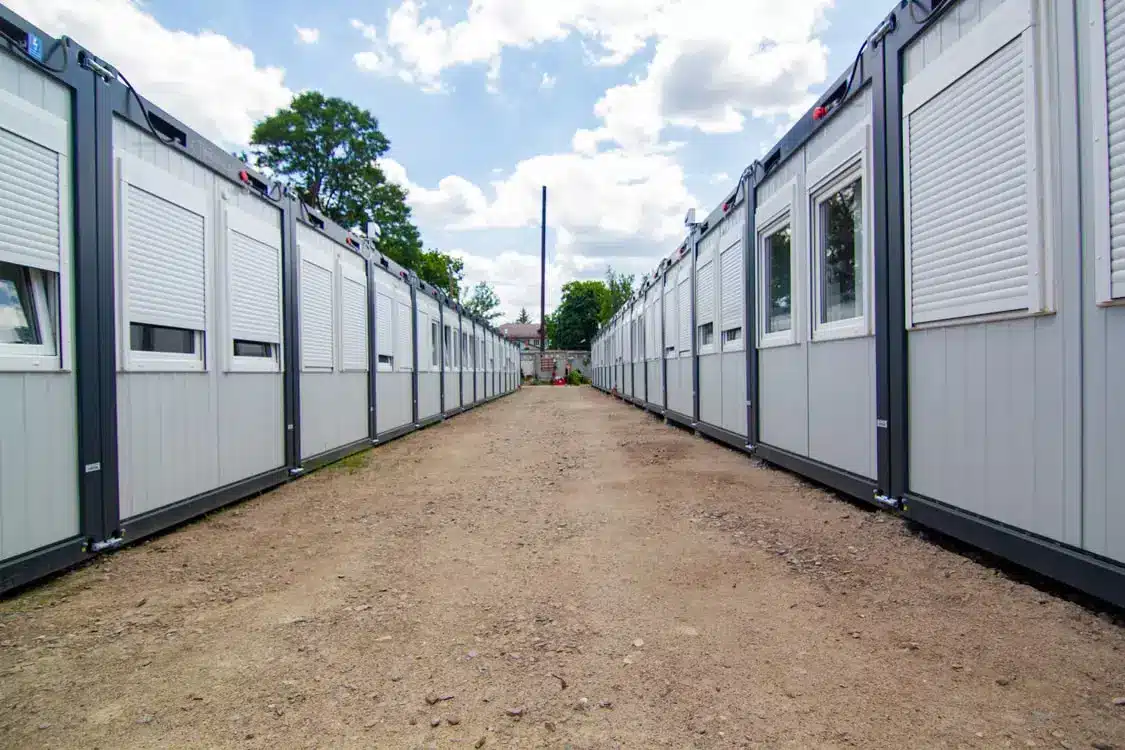
Modular and prefab homes can make homeownership feel more accessible, but the installation process starts long before the home arrives. The property must be ready to support the structure, accommodate delivery equipment, and connect the utilities the home will need from day one.
That means taking care of several important details in advance. Homeowners need to check local requirements, plan for delivery vehicle access, and ensure utility connections are ready when installation begins. Getting these steps right early on can help avoid delays and make the entire project easier to manage.
When the property is prepared in advance, the installation tends to move more smoothly. It also gives contractors the space and conditions they need to do the job safely and efficiently.
Understand Local Zoning, Permits, and Building Requirements
Before any physical work starts, homeowners should confirm that local zoning rules allow a modular or prefab home on the property. These rules can affect where the home can be placed, how close it can sit to property lines, and what kind of foundation may be required.
Building permits are also a key part of the process. They help verify that the foundation plan, utility connections, and structural details meet local construction standards. Permits also give local authorities the opportunity to review the project and ensure the work complies with accepted safety guidelines. Learning more about building permit requirements can help homeowners better understand why approvals and inspections matter before installation begins.
Because permitting rules can vary from one municipality to another, it helps to check local requirements as early as possible. Many homeowners choose to work with contractors or builders who already understand the local permitting process. That familiarity can make it easier to avoid delays and keep the project moving forward.
Plan Access for Delivery Trucks and Installation Equipment
Getting modular home sections to the property often takes more planning than homeowners expect. Since these homes are delivered in large sections, trucks and specialized equipment need a clear and safe route to the installation site.
Start by looking closely at the path from the nearest main road to the property. Narrow driveways, tight turns, low tree branches, and overhead utility lines can all create problems for large delivery vehicles. Addressing those obstacles in advance can make delivery day much simpler.
The site also needs enough room for unloading and placement. In many cases, cranes or other heavy equipment are used to position the modules on the foundation. Those machines need stable ground and enough working space to operate safely.
It is also smart to check the condition of access roads and driveways. Soft soil, steep slopes, or uneven surfaces can make it difficult for heavy trucks to reach the site. Some properties may need temporary gravel or extra ground support before delivery can happen without issues.
A little preparation here can make a big difference. When access concerns are handled early, the installation team can work more efficiently once the home arrives.
Prepare Electrical Connections and Work With Qualified Professionals
Electrical planning is an important part of getting a property ready for a modular or prefab home installation. Before installation day, homeowners should ensure the site is ready for service connections, panel placement, and any other electrical work required once the home sections are set on the foundation.
Electrical work is one of the most technical and safety-sensitive parts of a home installation, which is why it is usually handled by licensed electricians. Proper licensing helps confirm that the work is completed by professionals who are trained to follow current installation practices, safety standards, and code requirements. Because those standards can change over time and vary by state, continuing education often helps electricians stay current. In the Mid-Atlantic, for example, electricians may use programs such as Delaware electrical continuing education to stay informed about updates that can affect residential installations. Electricians in Pennsylvania and Maryland may follow similar continuing education paths, while those in Texas may complete ongoing training through a different structure shaped by local licensing and market demands.
For homeowners, the most important step is ensuring electrical preparation is addressed early and handled by qualified professionals who stay current with the standards in their area. From service connections to final hookups, that preparation helps reduce delays, supports safer installation, and makes it easier to complete the home setup once the modules are in place.
Coordinate Contractors and Schedule Work in Advance
Installing a modular or prefab home usually involves several contractors working within a fairly tight timeline. Excavation teams, electricians, plumbers, and installation crews may all need to complete their work before or shortly after the home sections arrive.
Coordinating those professionals in advance helps keep the project organized and reduces the risk of scheduling conflicts. For example, the foundation typically needs to be completed and inspected before the modular sections can be placed. Utility contractors may also need to complete specific tasks before the installation team can proceed with the final setup.
Homeowners can save themselves a lot of stress by confirming schedules early in the process. That includes reviewing estimated timelines, ensuring equipment access is available, and confirming that required inspections have been arranged. When everyone involved understands the schedule, each stage of the project is more likely to move forward without unnecessary delays.
Clear communication also makes it easier to handle unexpected issues. Weather delays, changes in site access, or inspection timing can affect the schedule. Good coordination helps contractors adjust without causing major disruption.
Perform Final Property Checks Before Installation Day
As installation day approaches, it’s helpful to conduct a final review of the property to ensure everything is ready. These checks can confirm that the site, utilities, and foundation preparation are in place before the equipment is delivered to the property.
Start by verifying that the foundation has been completed in accordance with the project plan and has passed any required inspections. A properly prepared foundation allows installation crews to position the home sections accurately and secure them without avoidable delays.
The surrounding site should also be clear of debris, stored materials, or equipment that could interfere with delivery vehicles or lifting machinery. Having enough working space around the installation area makes it easier for crews to place and secure the home modules safely.
Utility preparation should also be reviewed at this stage. Water lines, electrical service connections, and other essential systems should be accessible and ready for final hookups once the home is in place. Confirming these details ahead of time can help reduce last-minute adjustments that slow the process down.
Homeowners who want more background on preparing land for construction can also review this guide on site preparation basics, which covers common groundwork tasks that support a stable and accessible building area.
Taking the time to complete these final checks can make installation day much more manageable and help contractors focus on placing the home safely on its foundation.
Conclusion
Preparing a property for a modular or prefab home installation involves more than choosing a location and setting a foundation. It requires attention to zoning requirements, site access, utility readiness, and coordination between the contractors handling each phase of the project.
Addressing these details early can reduce delays and help installation crews work more efficiently once the home sections arrive. It also supports safer construction practices and smoother coordination across the project as a whole.
When the property is thoroughly prepared in advance, the installation process becomes easier to manage from start to finish. With the right groundwork in place, homeowners can move forward with more confidence as their modular or prefab home takes shape.