You want your household to run smoothly, don’t you? And that, well, among other things, means that you will want your plumbing system to function perfectly and to remain in good condition for a long time, and throughout the year. Well, there are a lot of factors that can impact how well our plumbing system will perform, but the good news is that there are also things you can do in order to, well, ultimately ensure that this system is functioning perfectly, and that your home is comfortable.
So, to cut right to the chase, you have to take a proactive approach toward this and actually take those necessary steps towards ensuring the proper functioning of these systems, instead of waiting for things to break down and then having to pay for expensive repairs all of a sudden. And, well, if you are ready to learn how to maintain these systems, then you should take a look at the tips offered by One Call Plumbing, a Spartanburg plumbing company, regarding year round home plumbing maintenance. Those tips should help you understand what kinds of maintenance practices you should follow throughout the year, in order to protect your plumbing and ensure the functionality and the efficiency of the systems.
Thus, if you are really looking for some great and useful maintenance tips, you have undeniably come to the right place. Below we are going to share some of those that you can use throughout the year. Without any kind of additional ado, thus, let us get started and help you find out what you have to do in order to ensure the proper year-round functioning of your plumbing systems.
Regular Inspections Are a Must
A lot of people don’t even think about doing any kinds of inspections in order to prevent those plumbing problems before they become serious. Instead, they just completely ignore this system and hope for the best, which is why they are often surprised with some problems that occur seemingly out of nowhere. And, well, this is certainly not a good thing to do, because small issues can be identified early on and on time, meaning that you can prevent bigger problems from arising if you do regular inspections.
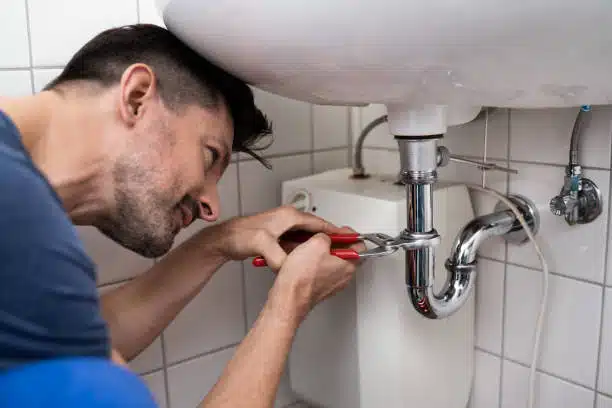
So, to cut right to the chase, you should periodically check those visible plumbing components in your home, such as the pipes under the sinks, the faucets and showerheads, as well as the toilet bases and connections. Furthermore, you should also inspect the water heaters, and the water supply lines behind the appliances. During this process, you should look for warning signs such as moisture, rust, corrosion, slow drainage, unusual noises and similar things. And, well, catching those problems early and on time can prevent water damage, as well as reduce the likelihood of emergency repairs.
If you’re looking for tips on how to prevent leaks, this could help: https://www.thisoldhouse.com/plumbing/how-to-prevent-household-leaks
Ensure That the Drains Are Kept Clean

Clogged drains are definitely among the most common household plumbing issues. Materials such as soap residue, grease, food particles, as well as hair, can all build up inside the pipes over time, and eventually restrict the water flow, forming pipe blockages. To prevent that from happening, you should definitely be mindful of what it is that actually goes down the drain.
So, to be more precise, don’t use the kitchen sinks to dispose of grease oil, fibrous foods, coffee grounds and similar. Then, install those drain strainers in sinks, tubs and showers so as to capture debris before it enters the actual plumbing system. On top of that, regularly flushing the drains with some hot water can definitely help dissolve some minor buildup, so that you should be a maintenance practice you adopt as well.
Checking for Any Kinds of Hidden Leaks Is Important
Everyone understands that water leaks can cause significant damage if they are not addressed quickly. The trouble is, though, that these often tend to be silent, and not really that noticeable at first. But, even a small drip can waste hundreds of gallons of water each year and thus increase utility bills. Homeowners should, therefore, routinely check for any kinds of leaks around the appliances and plumbing fixtures, and especially under the kitchen and bathroom sinks, around the toilets, near washing machines and dishwashers, as well as around water heaters. Addressing those leaks on time will help prevent mold growth, unnecessary water waste, as well as some structural damage.
Monitoring Your Water Pressure Is a Must
Moving on, you should also do your best to monitor water pressure throughout the year. If it is too high, it can place unnecessary strain on the fixtures, joints and pipes, which can eventually lead to leaks, pipe damage, as well as premature failure of plumbing components. So, measure the pressure regularly and maintain proper levels in order to extend the lifespan of your appliances and fixtures, while also conserving water. This useful source can help you learn how to test the water pressure.
Make Sure to Protect Those Pipes During Cold Weather
Now, winter temperatures can undoubtedly pose some serious risk to your plumbing system, and especially so if the pipes are actually exposed to those freezing conditions. Frozen pipes tend to expand and eventually burst, causing extensive water damage inside the home. So, what you can do is take some important steps to prevent frozen pipes, such as insulate the exposed pipes, keep the cabinet doors open during extremely cold weather, allowing faucets to drip slightly during freezing temperatures, and disconnecting and draining outdoor hoses before winter.
Professional Maintenance Is Essential
One final thing to know is that, well, professional maintenance is absolutely necessary. Sure, you can do some things alone. But, you also have to hire professionals to regularly maintain your plumbing system, inspect it and uncover any minor issues before they get more serious. So, take your time to find and choose the right experts in your area for this type of work, and then schedule regular inspections.