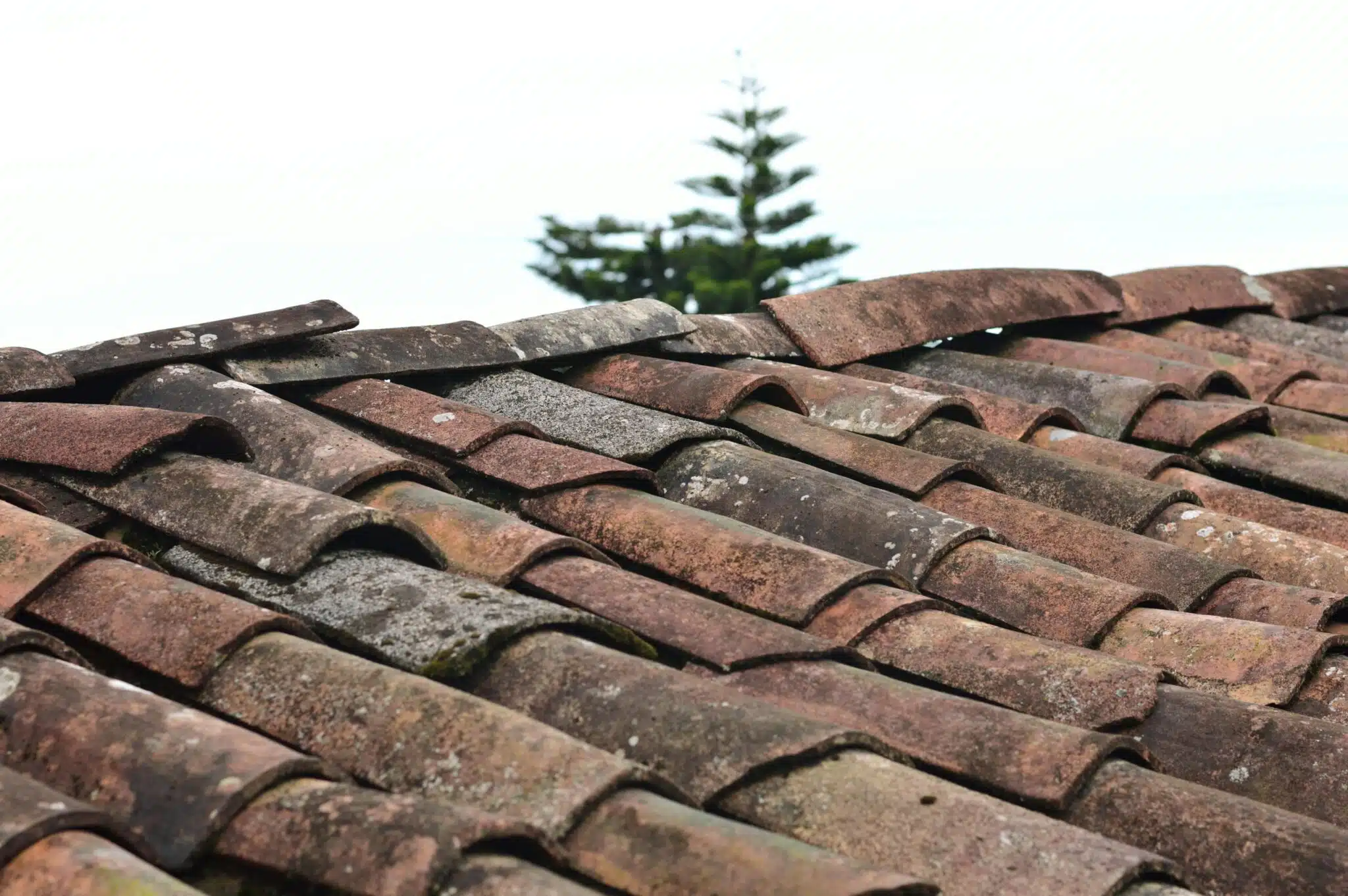
Roof failures start with small issues like a lifted shingle edge, a faint crack, or a loose strip of flashing. These minor damages don’t always stay small; they let moisture into the roof, where it can weaken the layers beneath the shingles. By the time homeowners begin thinking about roof repair, the issue has often moved beyond a surface fix. That’s why routine inspections to detect and prevent this damage are so critical.
Why Roof Problems Often Go Unnoticed
Roofing systems work as layered assemblies. Roof damage develops gradually, often caused by seasonal temperature shifts, wind exposure, and long-term material aging.
Because roofs aren’t at eye level, many homeowners don’t see problems developing and avoid scheduling inspections until the damage worsens. A single cracked shingle or slight edge lifting may not draw attention from the ground. Without an obvious leak or ceiling stain, many homeowners assume the roof is still performing normally.
Shingle Issues That Start Small and Spread
Shingles protect the roof from rain, wind, and sun exposure. When they begin to fail, they allow moisture to move beneath the surface, long before a leak becomes visible indoors.
Cracks, Curling, and Lifting
Hairline cracks may appear as shingles age and become less flexible. They expand during warmer seasons and contract in colder temperatures, but this repetitive strain often leads to separation and damage. A crack may seem minor, but it weakens the protective layer that sheds water. Meanwhile, wind can catch the raised edges, allowing moisture to enter and spread, damaging the surrounding area.
Shingles that no longer lie flat also indicate that the adhesive seal has weakened. When shingles lose their seal, they are likely to shift during storms. What begins as slight lifting can turn into torn or missing shingles and long-lasting structural damage.
Granule Loss Beyond Normal Wear
If you look closely at asphalt shingles, the surface is textured. Those particles sit there for a reason; they take the brunt of sun exposure day after day. Over time, you might see some of these particles washing into gutters. While some shedding is normal, significant changes are more problematic.
If you notice darker areas on your roof or sections where the texture appears thinner, don’t ignore them. At that point, the surface is less forgiving, and a strong storm or impact can do more damage than it would have a few years earlier.
Weak Points Where Water Often Enters the Roof
Roof leaks often occur around chimneys, vents, valleys, or anywhere one material meets another. Roofing companies often look here first for repairs, because there is more movement and water flow than the rest of the surface.
Loose or Damaged Flashing
Flashing sits around chimneys, skylights, and roof valleys. The metal expands and contracts with temperature changes, which can cause fasteners to loosen and sealant to dry out. Even a small, narrow gap along a chimney base can let rain slip underneath during a heavy storm. However, water doesn’t always drip straight down; it can run along the roof deck before entering the house, sometimes several feet from where it might otherwise enter.
Seals Around Vents and Chimneys
Every vent pipe on a roof passes through a rubber or metal collar that is constantly exposed to the sun. After years of heat, rubber hardens and splits, and the sealants can shrink and pull away from the edges. While the opening may look intact from the ground, it could be a small pathway where rain enters your home. This can lead to damage quietly building up in your home’s structure.
Interior Warning Signs Homeowners Miss
Roof damage isn’t always easy to spot. The first clues may appear inside the house, long after water has entered beneath the shingles.
Faint Ceiling Stains
You might notice a light brown ring on the ceiling that develops slowly. It may dry up between storms and look inactive. This stain does not grow right away, so many people assume the problem has resolved itself.
In reality, a stain indicates that moisture has already moved through several layers of the roofing system into the ceiling material. Even a small, dry-looking mark signals that water has entered somewhere, but the stain’s location doesn’t always match the roof’s entry point. Without correction at the source, the problem can return the next time it rains.
Subtle Odors or Humidity Changes
Undetected roof leaks can damage insulation and wood framing. Insulation loses effectiveness when wet, and wood can weaken over time when repeatedly exposed to moisture. These conditions develop out of sight, and by the time they show visible damage, the solution can be costly.
Even the smell can be a sign of a subtle roof issue. Trapped moisture isn’t always visible, but it often has a smell. If you notice a musty scent or persistent humidity in your home’s upper levels, it could indicate hidden dampness.
Subtle Structural Changes That Signal Deeper Problems
Some roof problems don’t appear as cracks or stains. Sometimes the warning sign is a slight shift in shape or alignment. These changes develop slowly, making them difficult to notice.
Slight Sagging or Uneven Rooflines
A roofline should appear straight when viewed from the street. An uneven section may not seem problematic, but sagging often points to structural damage or moisture intrusion. When roof decking absorbs moisture, it weakens and bows.
This structural movement doesn’t happen overnight. It builds after repeated exposure to snow and rain. In cases where the framing itself is compromised or major structural modifications are needed, consulting with professional architects experienced in unique roofing structures like Ralston Architects can ensure that any underlying structural redesign restores both safety and architectural integrity.
This structural movement doesn’t happen overnight. It builds after repeated exposure to snow and rain. Once the decking weakens, roof repair won’t just be about shingles—it could involve significant structural fixes to the underlying framing.
When Professional Evaluation Makes Sense
Some problems stay hidden until materials are lifted and examined closely. This is where experienced roofing companies become so helpful. With their professional experience, a trained inspector can identify weak points before they expand into structural issues.
Waiting until active leaks appear increases both the cost and complexity of the repair work. By addressing concerns early, you can keep the project’s scope under control and protect your home from future problems.
Conclusion
Most large roof problems begin without immediate leaks or sudden collapse. A crack, a lifted edge, or a thin patch between shingles can be all it takes; that’s why professional inspections are so essential. Paying attention to these early signs keeps repairs manageable and protects the layers beneath the shingles that homeowners rarely see but depend on every day. With regular inspections, you can save time, money, and stress while keeping your roof in excellent condition for years to come.