Shipping one heavy item is simple. Shipping a few hundred pounds or several large boxes is definitely not.
That’s where pallet delivery comes in.
Many people think it’s just “big package shipping.” It’s not. It runs on a different system with different rules. Costs and delivery work differently. Even how you wrap the load changes the outcome. If you skip those details, things get expensive or damaged fast.
In this guide, I’ll walk you through how pallet delivery actually works, what affects pricing, how freight moves behind the scenes, and when it’s the wrong choice.
What is Pallet Delivery and When Does It Make Sense?
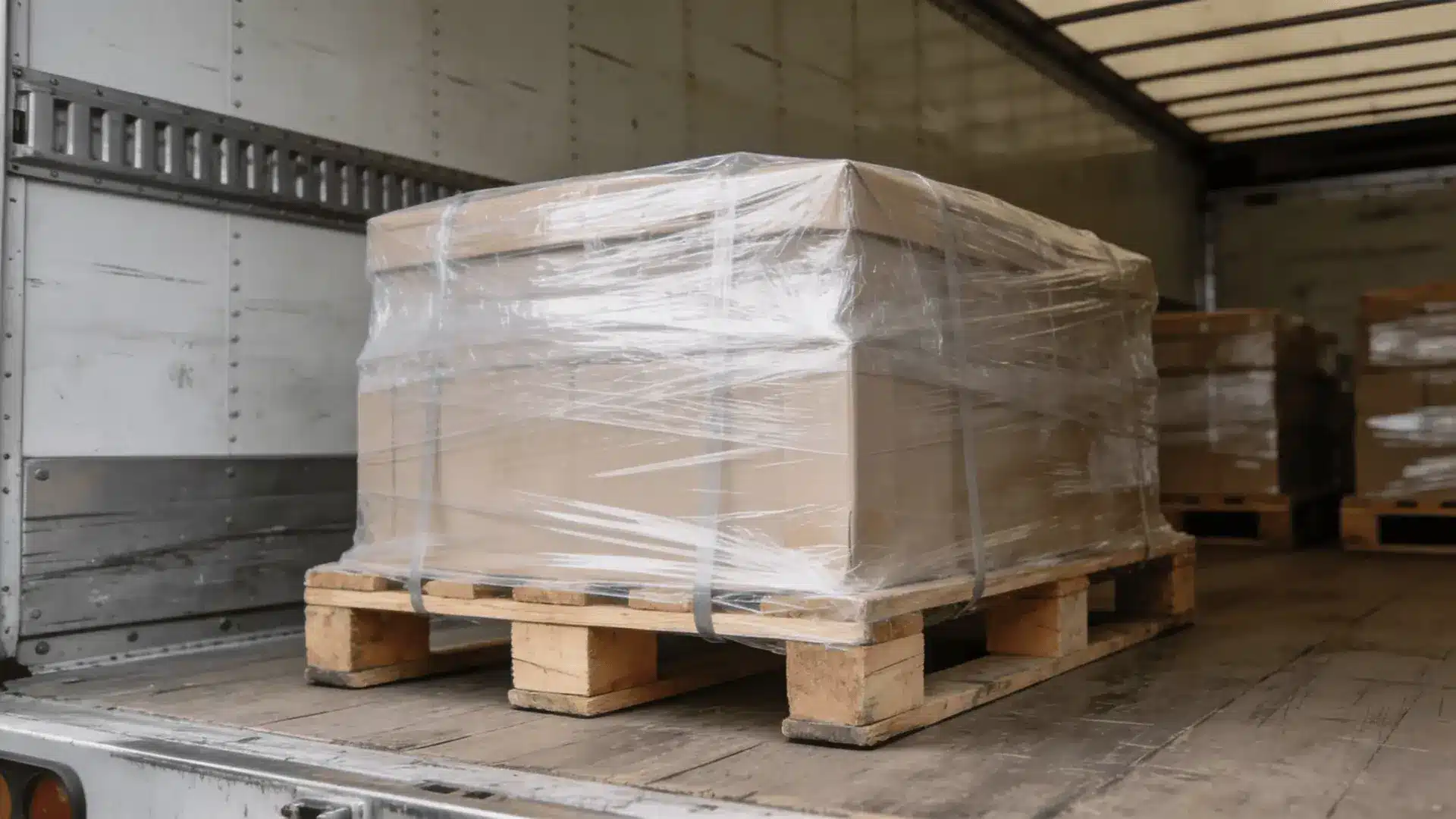
Pallet delivery means your goods are stacked and secured on a wooden or plastic platform called a pallet, then moved through a freight network instead of a parcel network.
Parcel carriers move individual boxes through automated hubs. Freight carriers move pallets using forklifts, terminals, and shared trailers. This system is usually called LTL, which stands for “less than truckload.” Multiple shippers share space in one trailer.
Pallet delivery starts to make sense when:
- Your shipment is heavy, often over 150 pounds
- You have multiple boxes going to the same place
- The size or shape is awkward for parcel systems
- The combined value makes individual parcel shipping expensive
The shift happens because of density and handling. Parcel systems are built for single packages under certain weight and size limits. Freight systems are built for stacked, forklift-ready loads. But it’s not constant.
A 180-pound compact machine might ship well on a pallet. A large but very light item may cost more than expected because pricing also considers size, not just weight.
The common mistake is thinking pallet delivery is just a “bigger box option.” It’s actually a different infrastructure with different handling rules.
How Much Does Pallet Delivery Cost and What Actually Determines the Price?
Most pallet shipments in the U.S. fall somewhere between $150 and $500. Short distances with dense loads can be lower. Long distances, fragile freight, or residential delivery can push it higher.
The pricing works differently from parcel shipping. LTL carriers charge based on a few core factors:
- Weight
- Dimensions
- Density (weight compared to size)
- Distance
- Freight class
- Accessorial services
Density is key. Two pallets can weigh the same but cost different amounts if one is bulky and takes more trailer space.
Freight class is a category tied to density and handling risk. Lower-density or fragile goods often get a higher class, which means a higher price.
Then there are accessorials. These are extra services like:
- Residential delivery
- Liftgate service
- Limited access locations
- Appointment scheduling
This is where pricing varies a lot. A dock-to-dock shipment between two warehouses is usually cheaper than delivery to a home without equipment.
Pallet delivery is often cheaper than sending ten separate boxes because you share trailer space with other shipments. That cost-sharing model lowers the per-pound rate.
But it’s not always cheaper. Very light, compact items may cost less through parcel carriers. And if you nearly fill an entire trailer, full truckload shipping can become more efficient than LTL.
People assume that price depends only on weight. In reality, space and handling complexity matter just as much.
How Pallet Delivery Actually Works Behind the Scenes
From the outside, it looks simple. A truck picks up your pallet and delivers it. But the real movement is more complex.
What Happens After Pickup?
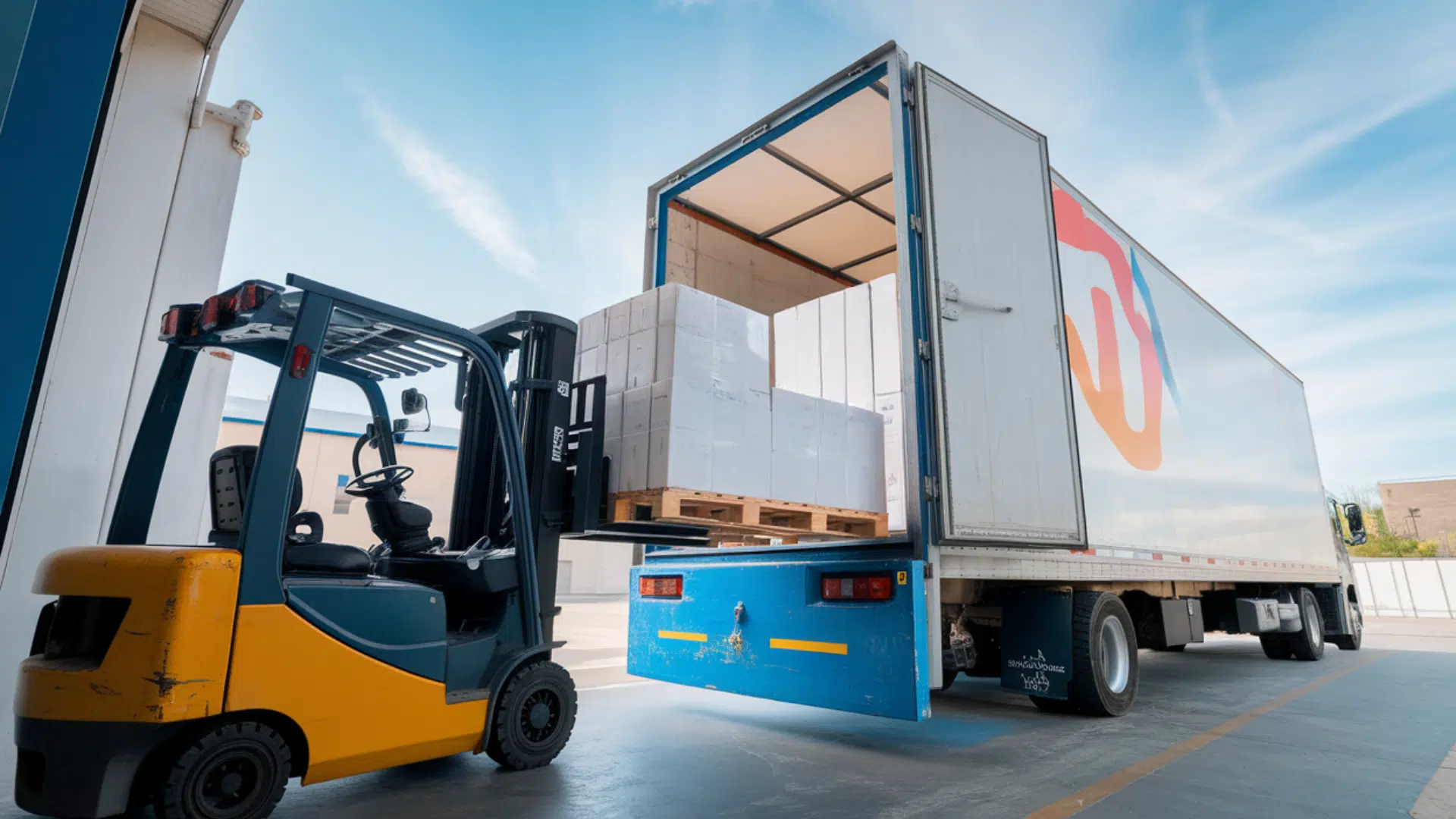
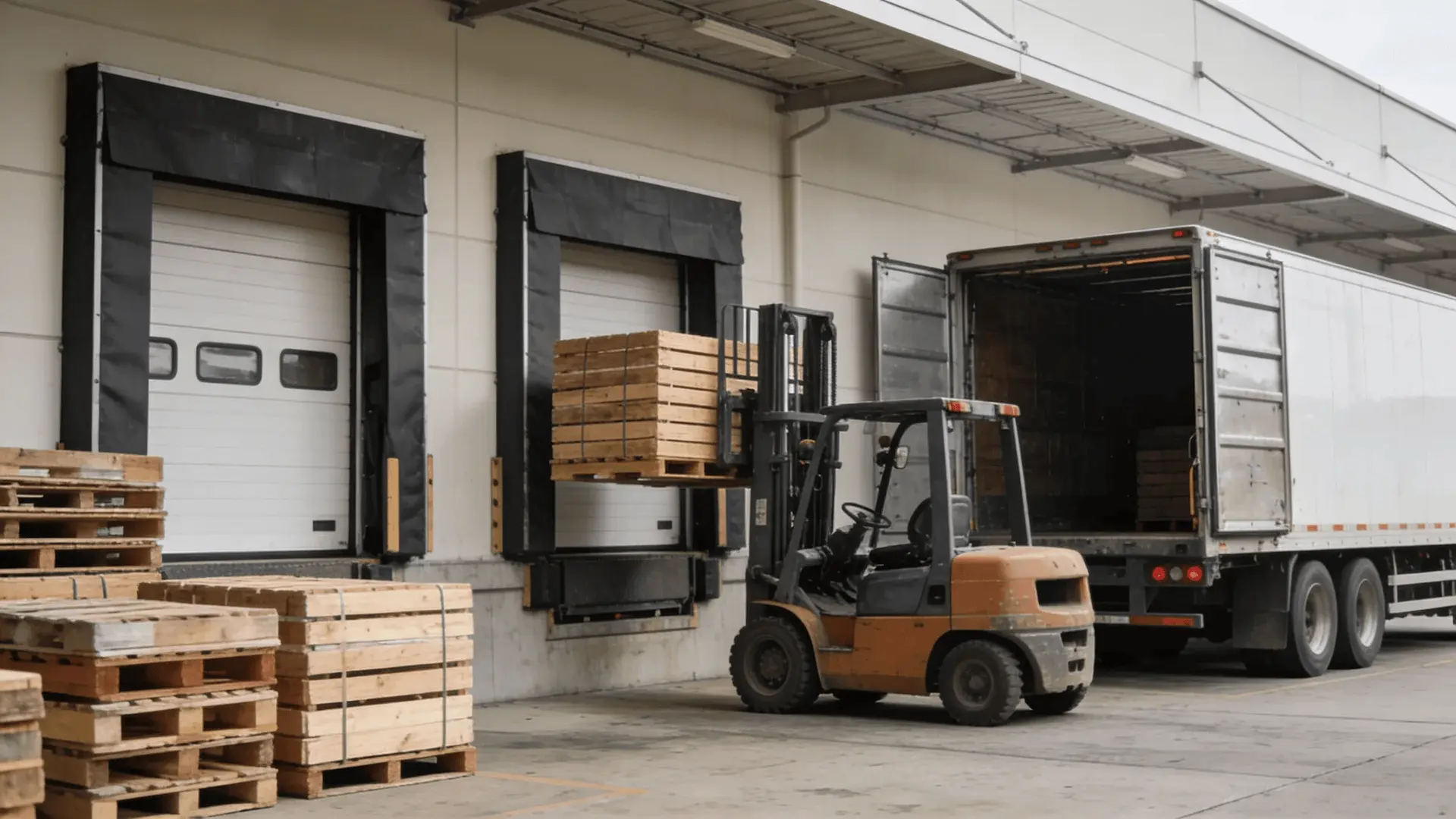
After pickup, your pallet usually goes to a local freight terminal. There, it is unloaded with a forklift and sorted with other shipments.
It does not stay on the same truck.
At the terminal, pallets are grouped by destination region. They are then loaded onto a linehaul trailer going to another terminal closer to the final delivery point.
This process is called cross-docking. Freight moves from one truck to another at terminals along the way. Once it reaches the destination terminal, it is sorted again and placed on a local delivery truck.
That means your pallet may be handled several times before it arrives.
Why Pallets are Handled Multiple Times
Freight networks are built for efficiency across long distances. Sharing trailer space lowers cost, but it requires sorting and regrouping shipments at terminals.
Each handling point introduces variability. Forklift placement, stacking position in the trailer, and trailer vibration all affect the load.
A shipment going 50 miles might be handled once or twice. A cross-country shipment may move through several terminals.
The common misunderstanding is that the pallet stays on one truck the whole way. In most LTL systems, it does not. That’s why packing matters so much.
How Should a Pallet Be Packed to Survive Freight Handling?
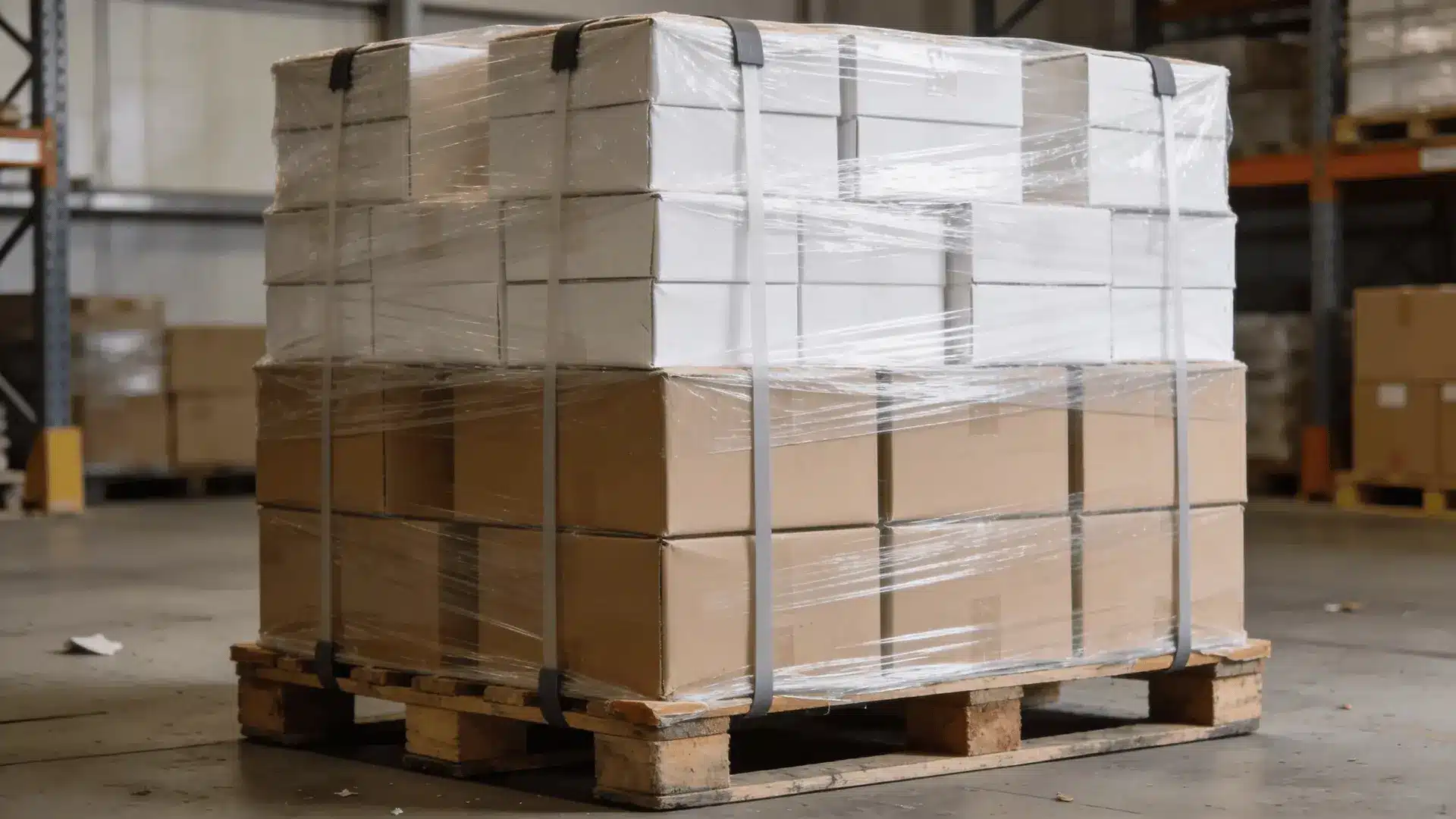
Packing rules are not random. They exist because of how freight is handled at terminals and inside trailers. Here’s what matters most:
- Keep a stable center of gravity: Place heavy items on the bottom and lighter items on top. If the weight is uneven, the pallet can tilt or tip during forklift movement.
- Use shrink wrap correctly: Shrink wrap holds items together, but it does not add structural strength. It keeps boxes from separating, not from collapsing.
- Add banding for compression: Plastic or metal banding adds tension and stability. It helps reduce load shift during braking and turns.
- Avoid overhang: Do not let goods extend past the pallet edges. Overhang absorbs pressure from nearby freight and increases the risk of crushed corners.
- Align with forklift entry points: Pallets are lifted from specific sides. Blocking entry points or stacking unevenly can cause handling issues or instability
Why Overhang and Load Shift Cause Damage
When items extend past the pallet edges, they take direct compression from other freight. That leads to crushed corners and bent frames.
Load shift is another issue. During transport, trucks brake, turn, and accelerate. If items are loosely stacked, inertia pulls them in different directions. Over time, that shift weakens wrap tension and can cause collapse.
The damage may not appear immediately. It often shows up at delivery after multiple handling points.
A tightly wrapped but poorly balanced pallet can still fail. Balance matters as much as wrap.
Labeling and Routing Visibility Requirements
Freight terminals rely on visible labels to route shipments correctly.
Labels should be placed on multiple sides because pallets are moved and turned. If only one label is visible and it faces inward on a trailer, routing errors can happen.
Misrouting adds extra terminal transfers. More transfers increase handling and delay.
Many claim disputes trace back to packaging that could not withstand normal freight handling. Carriers expect pallets to be prepared for multiple moves, not single-truck transport.
What Happens During Residential Pallet Delivery?
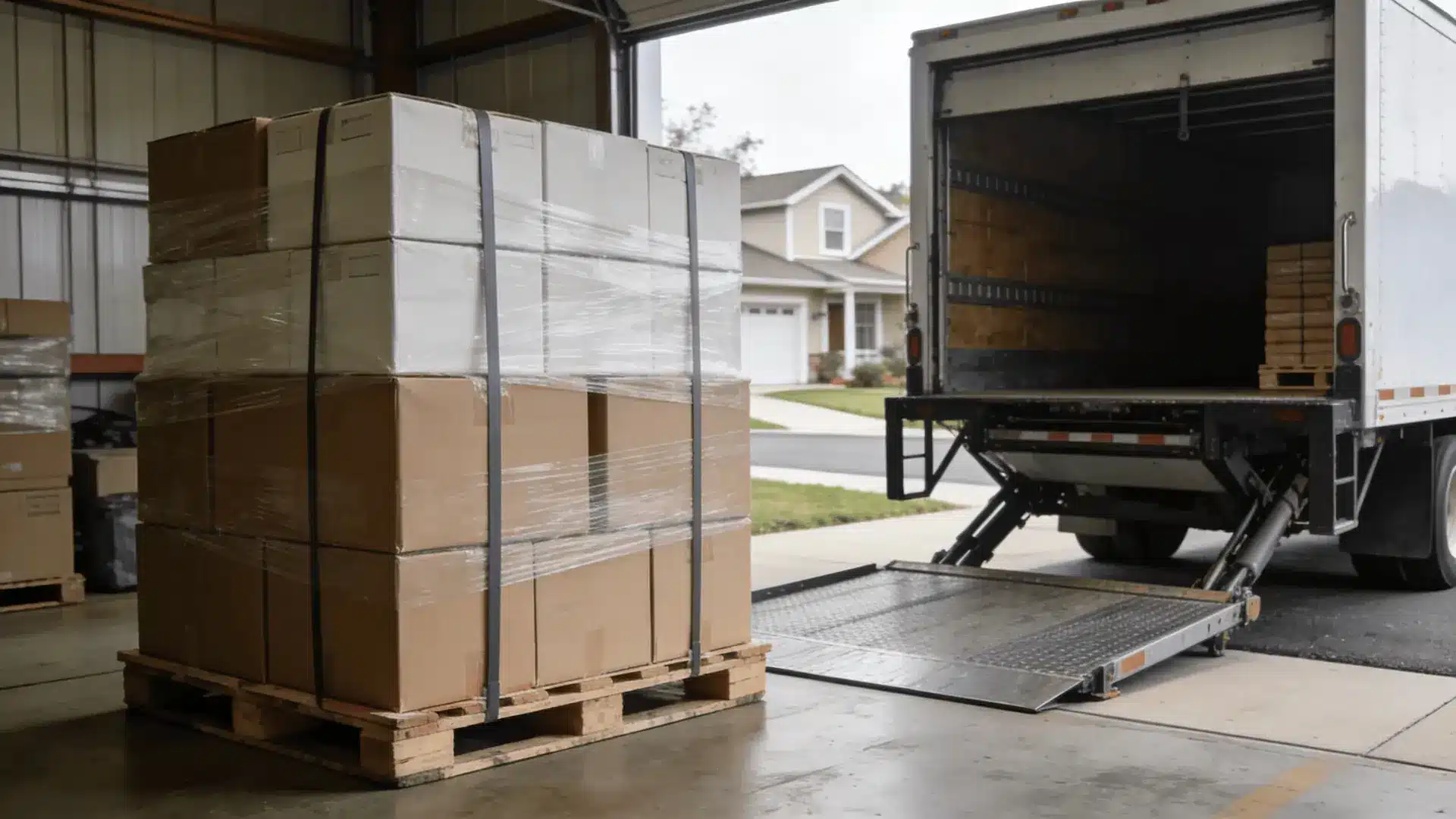
Residential delivery works differently from delivery to a commercial loading dock. Here’s how it typically plays out:
- Freight trucks are built for docks, not homes: These trucks are taller and designed to back into raised loading docks where forklifts unload pallets. Most homes do not have this setup, which creates a gap between freight equipment and residential access.
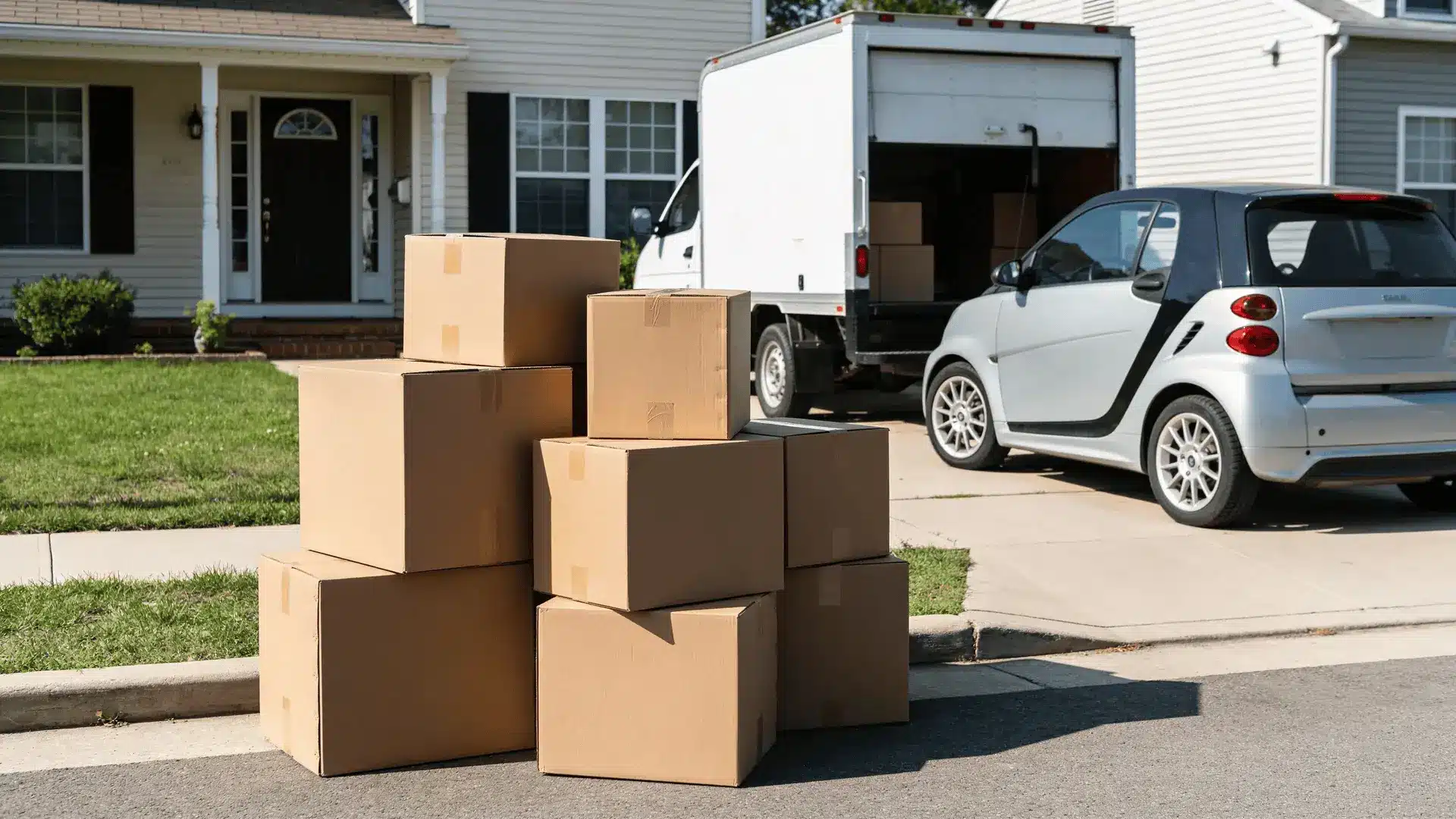
- Delivery is usually curbside or driveway: The driver lowers the pallet safely to ground level, typically at the curb or driveway. They are not required to move it inside a home or garage.
- Appointments are often required: Residential areas may have narrow streets or limited parking. Because access can vary, scheduled appointments help ensure someone is present and space is available.
- Property conditions affect placement: A flat, wide driveway makes unloading easier. A steep slope, gravel surface, or soft ground can limit where the pallet can safely be placed.
Many people assume freight delivery includes indoor setup. In most cases, it does not. Freight service is designed around curbside delivery, not in-home handling.
What is a Liftgate and Why is It Required?
A liftgate is a hydraulic platform attached to the back of a truck. It lowers freight from trailer height to ground level. Without a loading dock, a liftgate is often required to safely unload a pallet.
This service costs extra because:
- It adds equipment weight
- It slows delivery time
- It limits how much freight can be carried
If a liftgate is not requested and the location lacks a dock, delivery can fail and require rescheduling.
Liftgates solve the height difference between trailer floor and ground. They do not replace forklifts or guarantee indoor movement.
What is a Bill of Lading and Why Does It Matter?
A Bill of Lading, often called a BOL, is the legal document for freight shipments.
It serves three main roles:
- Receipt of goods
- Contract between shipper and carrier
- Description of freight
It includes weight, dimensions, freight class, and addresses.
Freight class accuracy matters. If the class is listed incorrectly and the carrier reclassifies the shipment, billing adjustments can occur.
The BOL also defines responsibility. If goods are improperly packed and damage occurs, the carrier may deny a claim based on packaging standards.
This document is not just a label. It sets expectations for handling, pricing, and liability. Errors on the BOL can lead to delays, billing disputes, or claim complications.
When is Pallet Delivery the Wrong Choice?
Pallet delivery is not always the best option. In some situations, another shipping method is safer, simpler, or more cost-effective. It may not be the right fit if:
- The shipment is small and under parcel limits. If you are sending one compact box within standard weight and size limits, parcel shipping is usually easier and often cheaper.
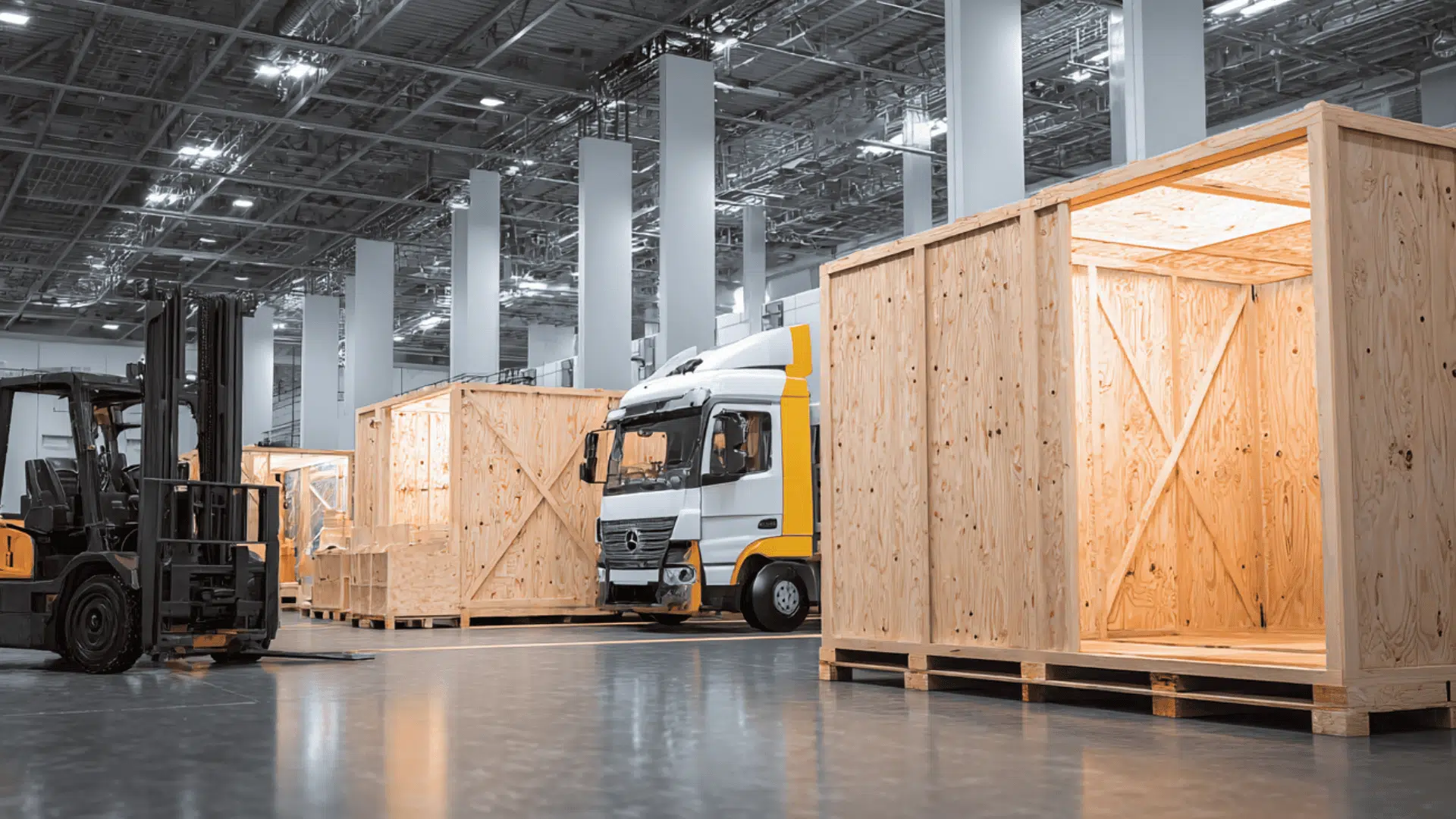
- The item is extremely fragile without proper crating. Freight moves through terminals and forklifts. Very delicate items may need custom crating beyond standard pallet wrapping.
- The shipment nearly fills an entire trailer. If your freight takes up most of the truck, full truckload shipping can reduce handling and lower risk.
- The delivery location cannot safely accept freight. Some residential areas or tight commercial spaces may not accommodate large freight trucks or liftgates.
The biggest misconception is that pallet delivery is always the cheapest option for large items. In reality, the best choice depends on size, density, distance, and how the shipment will be handled from pickup to delivery.
Wrapping Up
Pallet delivery works well when you understand the system behind it. It runs on shared trailer space, terminal transfers, forklift handling, and structured pricing rules.
Once you see how density, packaging, and access conditions shape the outcome, the process feels predictable instead of confusing.
If you are preparing a shipment, focus on stability, accurate details, and realistic delivery expectations. That mindset prevents the most common problems. When used in the right situation, pallet delivery is efficient, secure, and cost-effective.
Frequently Asked Questions About Pallet Delivery
How does pallet delivery work?
Goods are stacked on a pallet, picked up by a freight carrier, moved through terminals using forklifts, then delivered locally. Most shipments change trucks at least once.
How much does it cost to deliver a pallet?
Costs typically range from $150 to $500 depending on weight, size, distance, freight class, and services like liftgate or residential delivery.
Can you have pallets delivered to your house?
Yes, but residential delivery often requires a liftgate and appointment. Delivery is usually curbside, not inside the home.