If you’ve been looking into shipping options, you’ve probably come across the term consolidated freight and wondered if it’s just another name for LTL. A lot of people assume it’s the same thing, and others assume it’s always cheaper. Both ideas miss what’s really happening behind the scenes.
The truth is, consolidation is a load-building strategy that changes how shipments move through a network. That shift affects cost, timing, and risk in ways that aren’t obvious at first glance.
Let’s walk through it clearly, step by step, so you can see what’s actually happening.
What is Consolidated Freight?
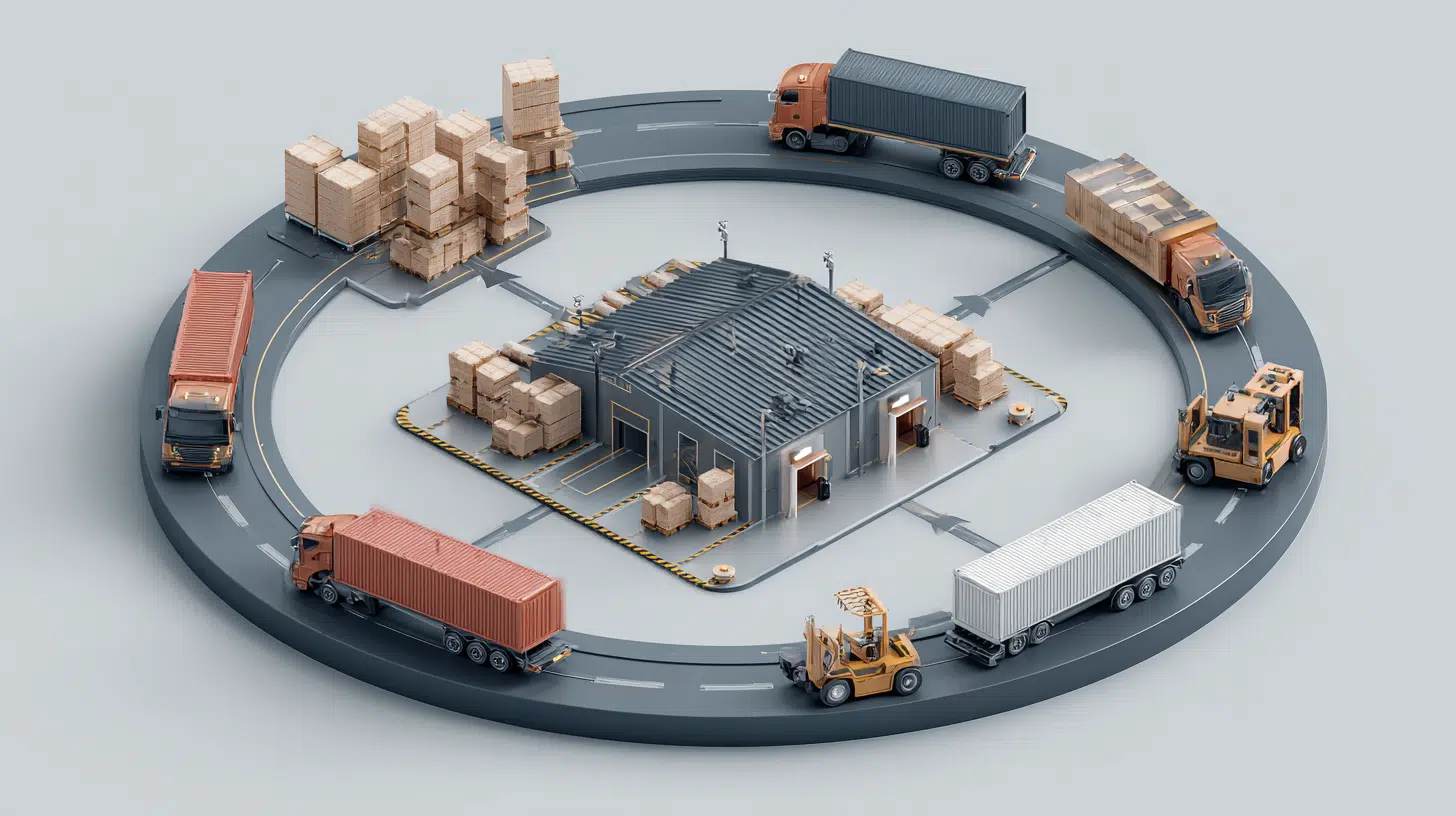
At its core, consolidated freight means combining multiple smaller shipments into one larger load so they can move together for part of the journey.
Instead of shipping several partially filled trucks or containers, shipments are grouped at a hub and built into a fuller load. Once enough compatible freight is gathered, it moves as a single full truckload or full container. Later, it’s separated again and sent to final destinations.
This isn’t just a label. It changes how cost is spread out, how long freight waits before moving, and how often it gets handled along the way.
How It Differs From LTL and FTL
| Shipping Type | How Capacity Is Used | How It Moves | What Makes It Different |
|---|---|---|---|
| LTL (Less-Than-Truckload) | Multiple shippers share truck space | Moves through a carrier’s network in segments, often changing trucks along preset routes | Freight stays in the LTL network and may be transferred several times |
| FTL (Full Truckload) | One shipper fills the entire truck | Direct origin-to-destination route | No batching, no waiting for other freight |
| Consolidated Freight | Multiple smaller shipments are grouped to form a full load | Shipments are batched at a hub, then moved as a full truckload for the long-haul leg | Load is intentionally built before linehaul, then broken apart again at destination |
Consolidated freight can begin as LTL at pickup, but it differs because shipments are deliberately combined to create a full load before the long-distance move.
It’s a strategy layered on top of LTL, not a replacement for it.
Domestic vs. International Consolidation Contexts
In domestic shipping, consolidation often happens at regional hubs. Shipments are gathered from different shippers, built into a full truckload, and then sent to a distribution region.
Internationally, consolidation usually means grouping multiple shipments into one ocean container or air freight unit. Instead of each shipper booking a separate container, several consignments share one.
The mechanism stays consistent in both cases: group small freight, move it as one larger unit, then separate it again.
The scale and documentation requirements change, but the structure is the same.
How Consolidated Freight Works: Step-by-Step Flow
To understand the trade-offs, it helps to see the full lifecycle. The cost and timing effects show up inside the process, not just at the start or the end.
1. Shipment Collection and Hub Aggregation
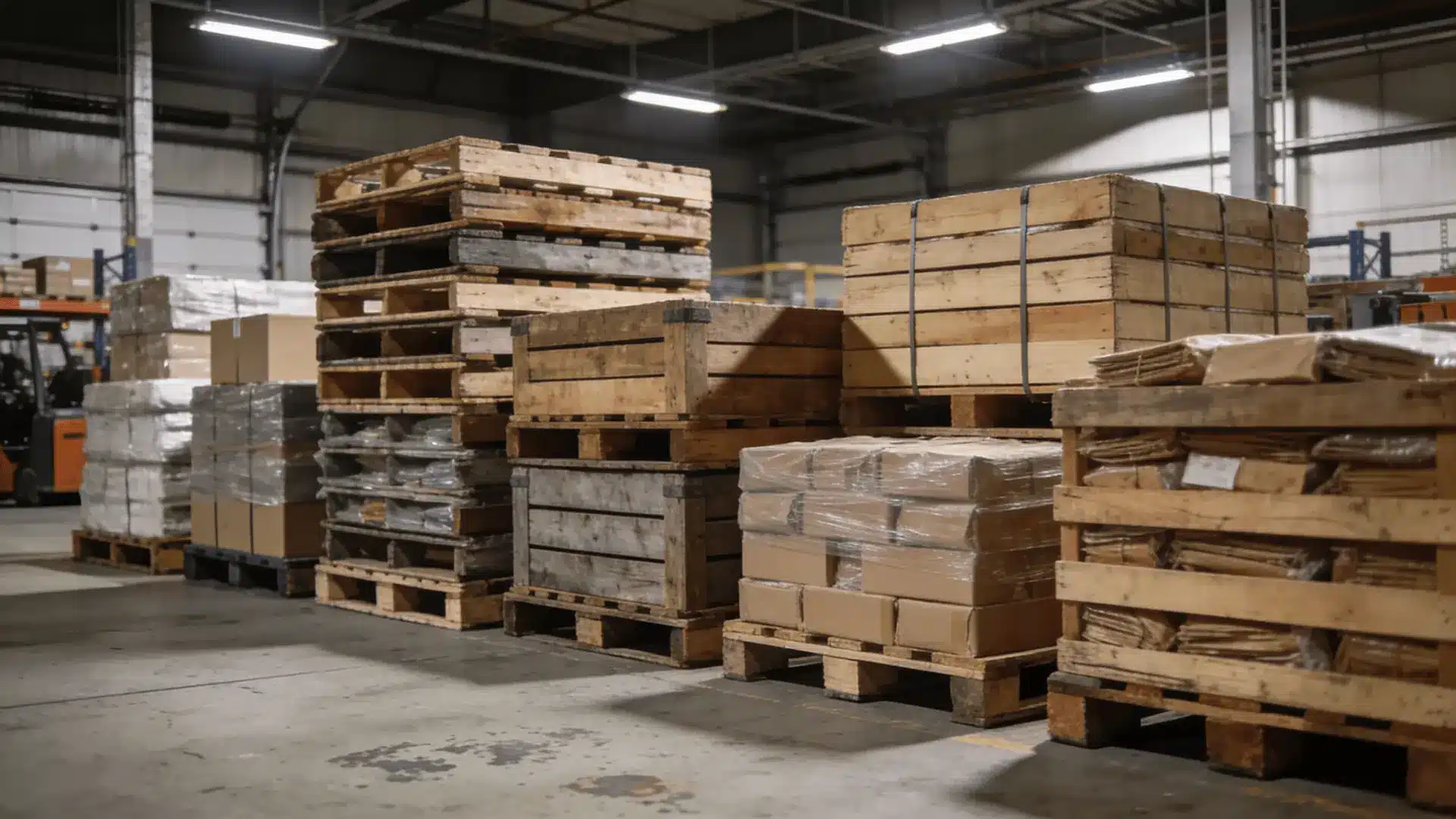
Individual shipments are picked up from shippers. These may be palletized LTL shipments or smaller consignments moving through regional lanes.
They are transported to a consolidation hub, and this is where the key decision happens.
Freight doesn’t leave immediately. It waits until enough compatible shipments arrive to build a full truckload or container. Compatibility usually means a similar destination region, workable weight balance, and a matching timing window.
This waiting period is called dwell time, and it’s one of the biggest drivers of transit variability. If volume is steady, dwell time may be short. If volume fluctuates, freight can sit longer while the load is being built.
That’s the first trade-off. Efficiency comes from batching, but batching requires patience.
2. Linehaul Transport as a Full Load
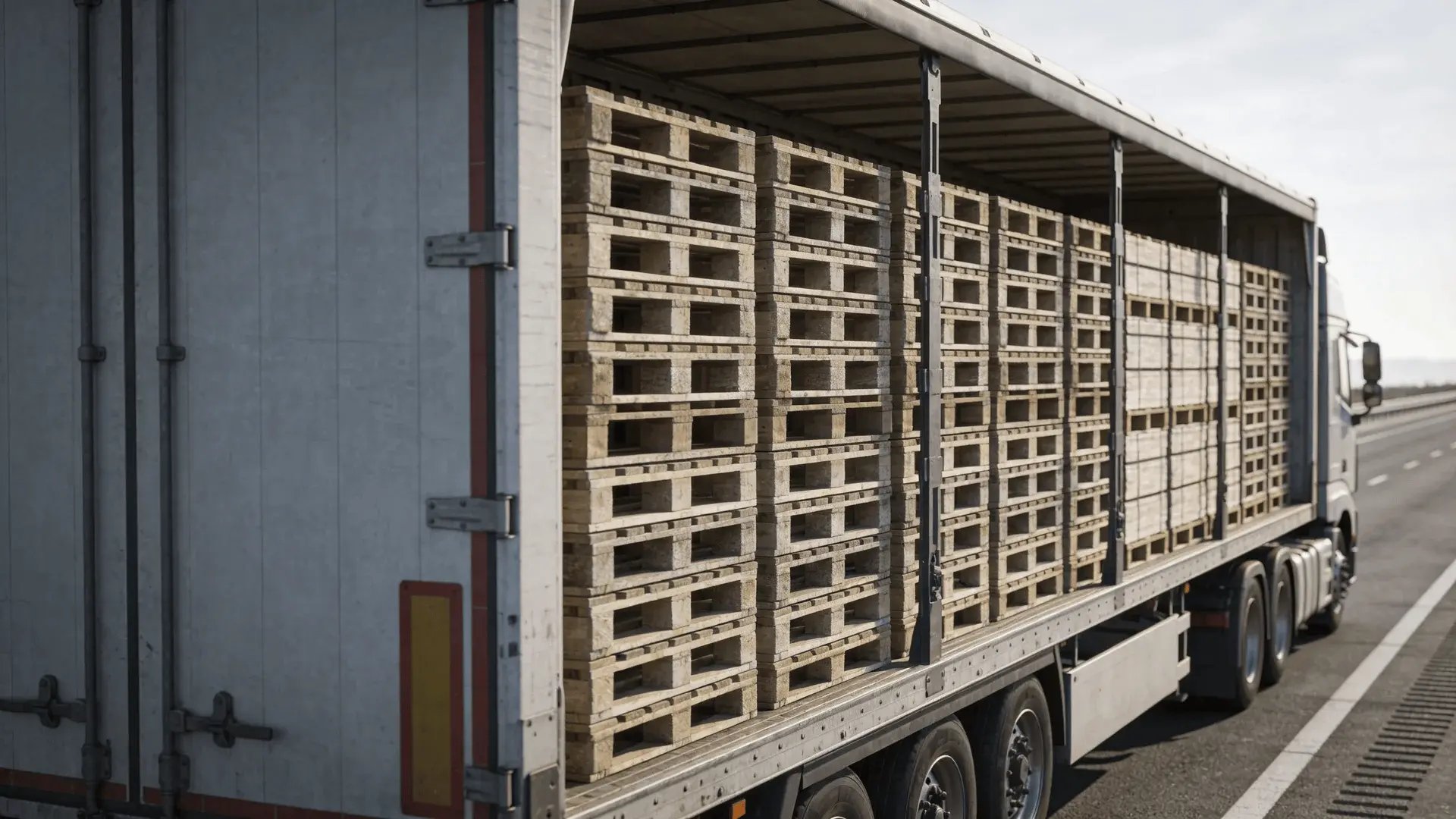
Once enough freight is grouped, it moves as a full truckload or full container. This is the efficiency phase.
Instead of running several partially filled trucks, one fully utilized truck handles the long distance. Fuel use per pallet drops, and cost per mile per shipment drops with it.
This leg is often more direct than standard LTL routing because there are fewer mid-route transfers.
But that efficiency applies mainly to the long-haul segment. It doesn’t erase the waiting time that happened earlier at the hub.
So you end up with a clear contrast:
- More direct and efficient long-haul movement
- Slower departure due to load-building
Both can be true at the same time.
3. Deconsolidation and Final Delivery
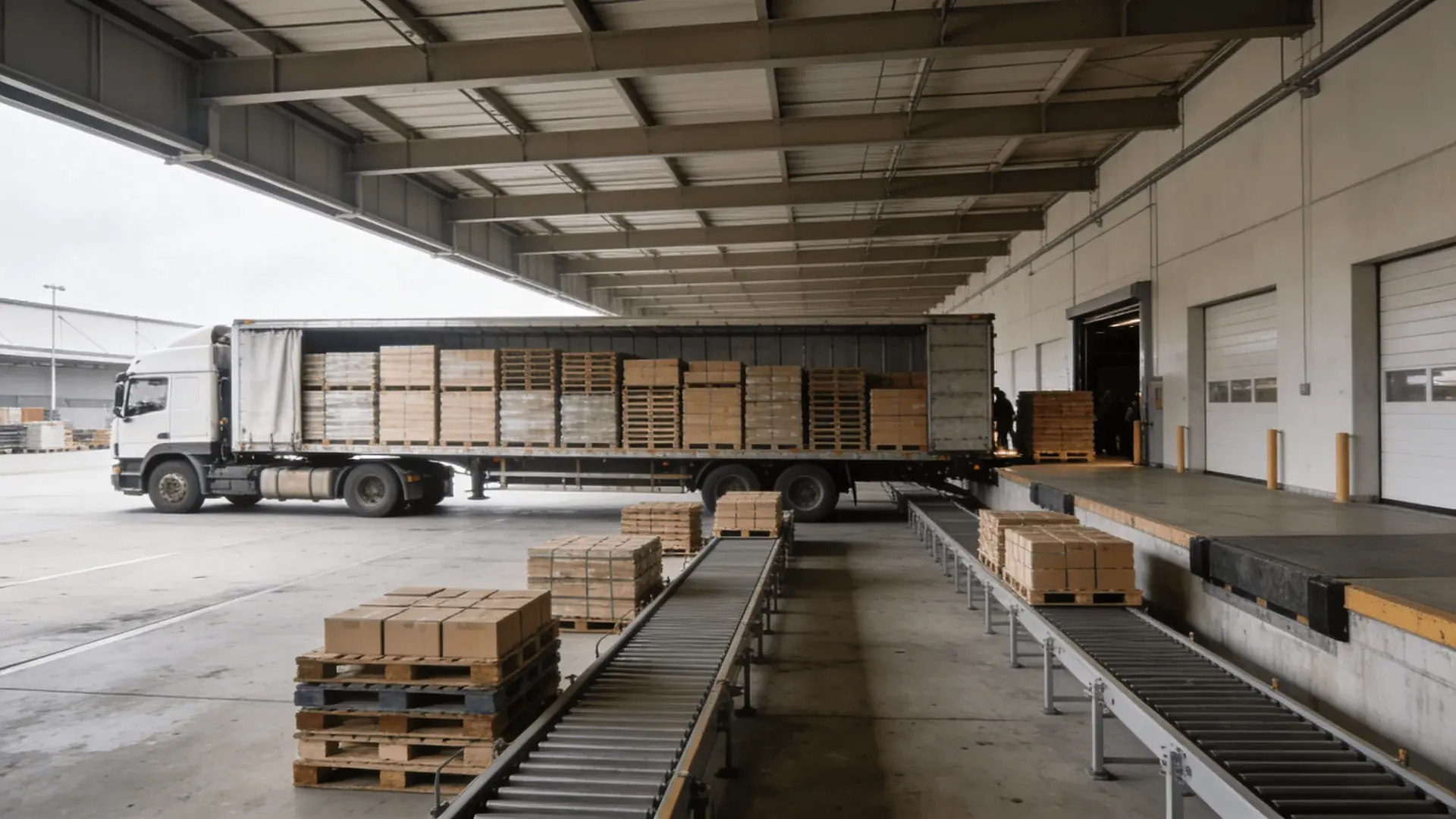
At the destination hub, the full load is broken apart.
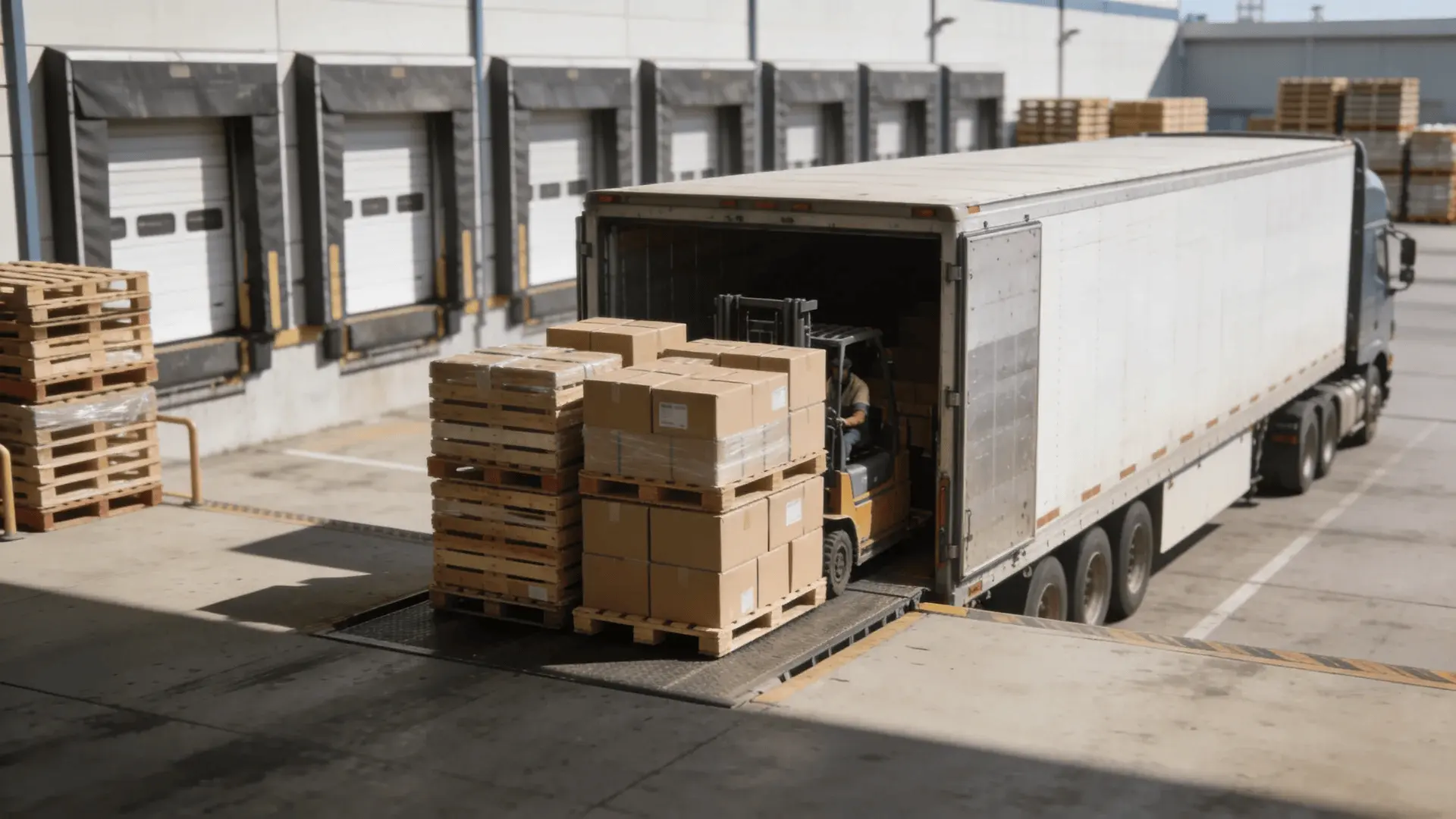
Shipments are sorted, staged, and assigned to final delivery routes. This usually involves cross-docking, which means unloading, scanning, and reloading onto different trucks.
Each of these steps adds a touchpoint. More touchpoints increase two things at once:
- Time variability
- Handling exposure
Once sorted, freight moves through regional delivery networks to reach its final destination.
On paper, the process looks simple. In practice, it’s a cycle of grouping, moving, and regrouping, and that cycle explains most of the trade-offs people notice later.
Why Consolidated Freight Lowers Costs and When It Doesn’t
Many explanations stop at “you share space, so you save money.” That’s only part of the story. The real savings come from how linehaul costs are structured.
1. How Shared Linehaul Reduces Per-Shipment Cost
Long-haul trucking has high fixed costs. The driver, fuel, equipment, and distance cost roughly the same whether the truck is half full or fully loaded.
If one shipper sends a half-full truck, they absorb most of those fixed costs.
When multiple shippers combine freight into one full load, those fixed costs are spread across more shipments. That reduces cost per pallet or per hundredweight in a measurable way.
It’s not magic. It’s cost distribution.
The savings are strongest when shipments are dense, stack efficiently, and move on steady lanes. If the load fills cleanly and regularly, cost per mile per shipment drops in a predictable pattern.
2. Where Handling and Dwell Fees Offset Savings
Now the other side. Consolidation adds hub handling, cross-docking, additional coordination, and waiting time. Each of these steps carries a cost.
If dwell time stretches too long, inventory carrying costs increase. If freight needs extra sorting or special handling, labor costs rise.
In some cases, those added operational costs offset the linehaul savings.
This happens more often when volume is inconsistent. If shipments trickle in rather than arriving steadily, the load takes longer to build, and both delay and overhead grow. So savings depend on volume rhythm, not just shipment size.
2. Scenarios Where Consolidation Increases Total Cost
Consolidation can cost more when shipments are urgent and can’t wait for batching, when freight is fragile and needs special handling, or when volume is too low to fill loads consistently.
It can also increase total cost if inventory delays trigger downstream penalties or missed delivery windows.
So it isn’t “always cheaper.” It’s cheaper under the right structural conditions, and more expensive when those conditions aren’t present.
Pros and Cons of Consolidated Freight
A simple pros-and-cons list only makes sense if we tie each point back to how the system works.
Advantages Explained by Operational Cause
- Lower transportation cost: Fixed long-haul costs are spread across multiple shipments, reducing the cost per pallet or unit.
- Improved equipment utilization: Trucks or containers operate closer to full capacity instead of moving partially filled.
- Reduced fuel per shipment: Fewer underutilized vehicles travel long distances, lowering fuel consumption per load.
- Better alignment for steady, repeat lanes: Predictable volume allows batching to happen quickly and efficiently.
Each advantage comes from load efficiency rather than speed or simplicity.
Disadvantages Explained by Operational Cause
- Longer or less predictable transit time: Freight waits at consolidation hubs until enough compatible volume builds to create a full load, which can delay departure.
- Higher handling exposure: Consolidation requires additional unloading, sorting, staging, and reloading, increasing physical touchpoints.
- Increased coordination complexity: Shipments from multiple shippers must align by destination region, weight distribution, and timing windows.
- More documentation steps in international moves: Grouped shipments require layered documentation, such as master and house bills, adding administrative handling.
The pattern stays consistent: efficiency improves on the long haul, but complexity increases at the nodes.
What Causes Longer Transit Times and Higher Handling Risk?
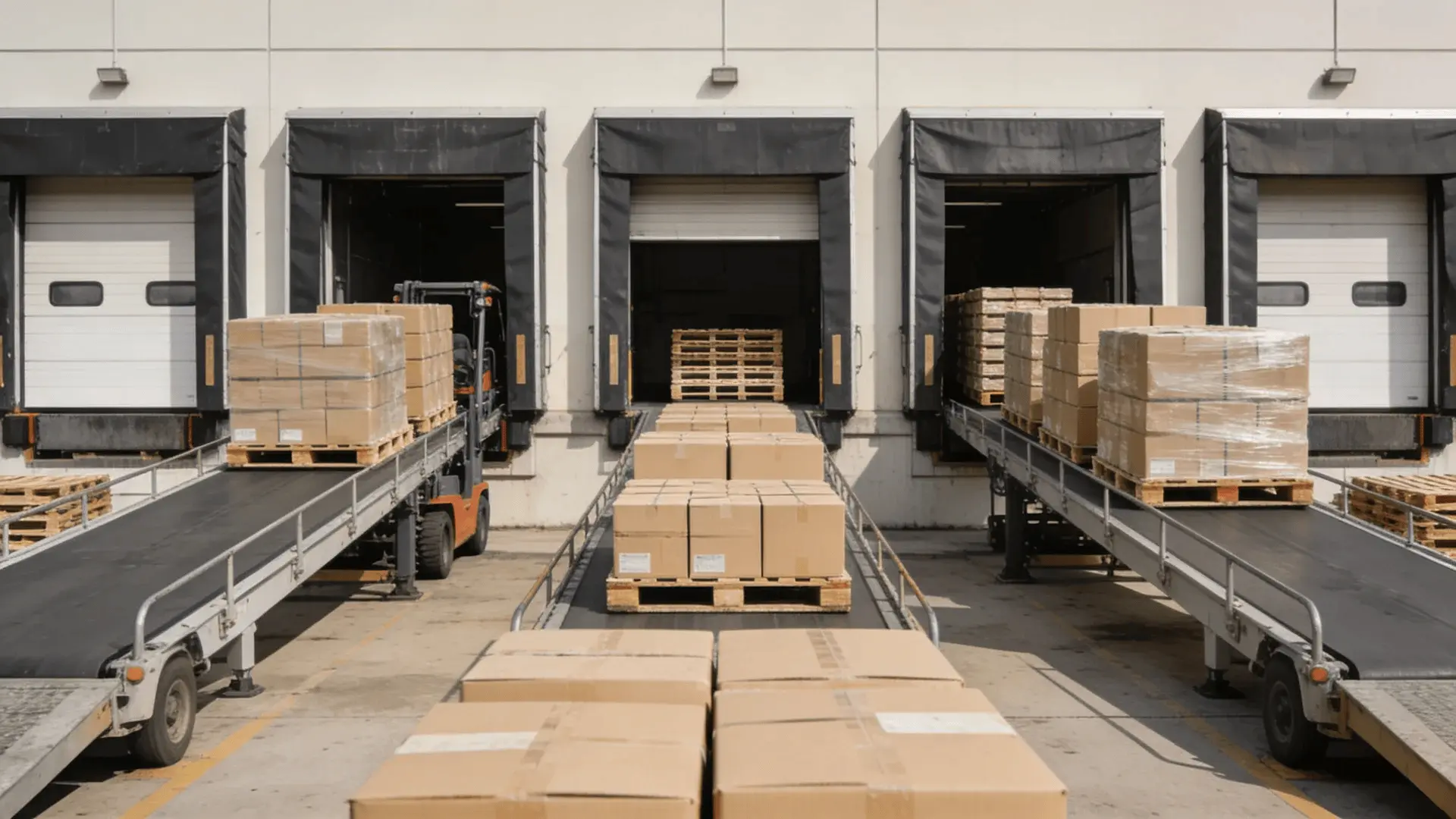
These two concerns come up often, but the cause is usually misunderstood.
Transit time increases because consolidation relies on batching.
Freight doesn’t leave as soon as it arrives at a hub. It waits until enough compatible freight is gathered. If volume is steady, the wait may be short. If volume shifts week to week, dwell time grows.
So transit time isn’t slower because trucks drive slower. It’s slower because departure is delayed.
Handling risk increases because of touchpoints.
Each time freight is unloaded, sorted, re-staged, and reloaded, it passes through another physical touchpoint in the network. There is a chance for shifting, impact, or stacking pressure.
A direct FTL move might involve two handling events: load and unload. A consolidated move can involve several more.
Well-run hubs manage handling carefully, and many shipments move without issue. Still, from a structural standpoint, more touchpoints mean more exposure. That’s the mechanism behind the risk.
When Consolidated Freight Makes Operational Sense
Consolidation works best when your shipping profile aligns with its strengths.
| When It Makes Sense | When It Doesn’t Make Sense |
|---|---|
| Shipments are too small for FTL but move regularly | Shipments are irregular or unpredictable |
| Volume is consistent week to week | Volume fluctuates heavily, causing long dwell times |
| Delivery timing allows flexibility | Shipments are highly urgent with tight delivery windows |
| Freight is palletized and stable | Freight is fragile or highly sensitive to handling |
| Shipments move to similar regions on repeat lanes | Destinations vary widely with no routing overlap |
The key factor is rhythm. Consolidation depends on steady flow. When flow is predictable, batching becomes efficient. When flow is erratic, waiting and complexity increase. So the decision isn’t about size alone. It’s about pattern.
Wrapping Up
Consolidated freight isn’t just a pricing option. It’s a structural approach to moving goods that trades speed at the hub for efficiency on the highway. It spreads fixed costs across more shipments, but it also adds coordination and handling steps along the way.
When volume is steady and timing is flexible, it can work very well. When freight is unpredictable or urgent, the trade-offs become more visible.
If you’re evaluating consolidated freight for your operation, the next step is simple. Look at your shipment rhythm, not just your shipment size. That pattern will tell you whether consolidation truly fits.
Frequently Asked Questions About Consolidated Freight
Is consolidated freight the same as LTL?
No. LTL shares truck space within a carrier network. Consolidation groups multiple shipments to create a full load for the long-haul segment before breaking them apart again.
Is consolidated freight always cheaper?
Not always. It saves money when volume is steady and timing is flexible. If freight is urgent or inconsistent, added handling and delays can offset savings.
Does consolidation mean slower shipping?
It can increase total transit time because freight waits to be grouped. The long-haul leg may be direct, but departure is delayed by batching.
When should a business avoid freight consolidation?
Avoid it when shipments are urgent, fragile, highly irregular, or too low in volume to build loads efficiently without long dwell times.