Packing can seem simple. You grab boxes, start filling them, and assume it will come together later. In reality, that approach leads to lost essentials, chipped dishes, and stacks of boxes labeled “misc.”
After packing without a clear plan during past moves, I saw how quickly it led to wasted time, damaged items, and first-night frustration. That’s when I realized the difference between a smooth move and a chaotic one comes down to structure.
These packing tips follow a clear system that reduces damage, lowers box count, and makes the first night in your new home far less stressful.
Pack for a move by reducing what you own first, then packing in phases: start with non-essentials, work room-by-room, use small boxes for heavy items and large boxes for light ones, eliminate empty space to prevent shifting, label clearly on multiple sides, and prepare a 24-hour essentials box.
How to Pack for a Move: The 8-Phase Plan
Before we get into all the tips, here’s the big picture. Packing works best when you follow a clear order instead of jumping around.
This simple breakdown shows what each phase focuses on and what it helps you avoid:
| Phase | Focus | What It Prevents |
|---|---|---|
| Phase 1 | Reduce what you own | Extra boxes and wasted effort |
| Phase 2 | Pack in the right order | Daily life disruption |
| Phase 3 | Work room-by-room | Unpacking confusion |
| Phase 4 | Control box weight | Injury and box failure |
| Phase 5 | Eliminate empty space | Broken and damaged items |
| Phase 6 | Label with purpose | Lost time and box digging |
| Phase 7 | Prepare a 24-hour essentials box | First-night stress |
| Phase 8 | Pack clothing strategically | Wrinkles and wasted space |
Now that you can see the full system, let’s start with the first and most important step:
Phase 1 – Reduce What You Have to Pack
The simplest way to make moving easier is to pack less.
More stuff means more boxes. More boxes mean more lifting, more labeling, more stacking, and more time unpacking. That chain reaction is what makes a move spiral.
1. Remove Items You Wouldn’t Buy Again
If you wouldn’t spend money on it today, that’s a strong signal. Packing something you already regret owning just doubles the effort. You carry it out, carry it in, unpack it, and still don’t want it.
2. Eliminate Duplicates
Extra spatulas, duplicate tools, three sets of sheets for one bed. Duplicates add volume quietly. One or two extras may make sense, but large piles create box bloat without adding value.
3. Clear Expired or Broken Items
Old spices, dried-out paint, cracked storage bins. These items increase box count yet give nothing back. They also create decision fatigue later when you unpack and face them again.
4. Separate Donation and Trash Immediately
Avoid creating a “decide later” pile. That simply becomes another moving pile. Once something is out, move it fully out so it doesn’t drift back into a box.
When you reduce volume first, every later phase feels lighter. Fewer boxes mean fewer chances for confusion.
Phase 2 – Pack in the Right Order
Packing out of order disrupts daily life faster than people expect. The key is protecting function until the last possible moment.
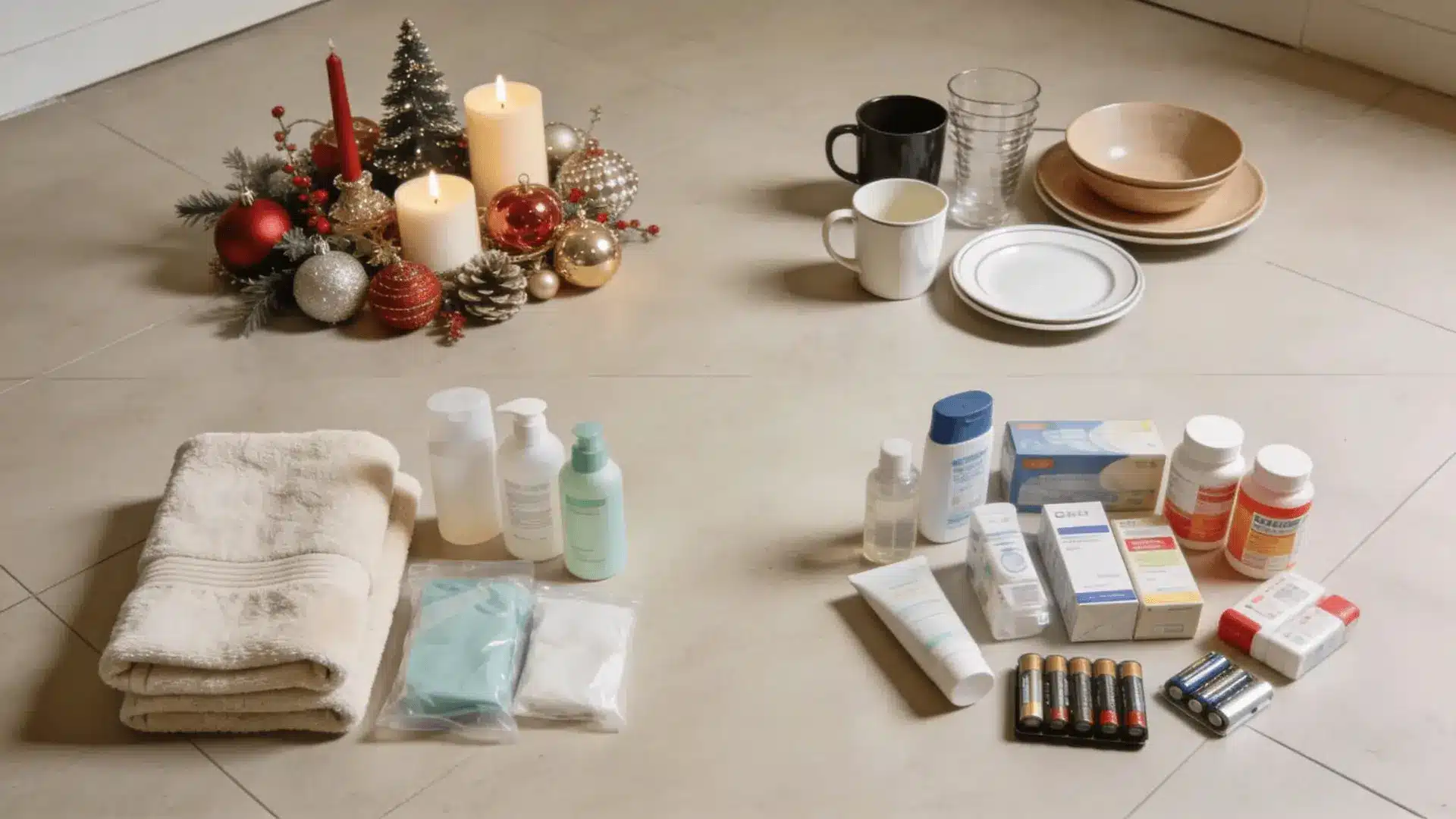
5. Start with Seasonal and Decorative Items
Holiday décor, off-season clothes, display pieces. These don’t affect daily survival. Packing them first clears visual space and builds early momentum.
6. Pack Rarely Used Kitchenware Early
Specialty appliances and extra serving dishes take up space and make cabinets feel fuller than they are. Removing them reduces clutter without affecting everyday meals.
7. Keep Daily-Use Items Accessible
Coffee maker, basic utensils, phone chargers. When these get packed too soon, friction shows up immediately. That friction builds stress quickly.
8. Leave Survival Essentials for Last
Toothbrushes, medications, basic bedding, everyday clothes. Pack these too early and you’ll reopen sealed boxes, which breaks your system and creates disorder.
Order matters because it protects continuity. Random packing collapses your routine early. Strategic packing keeps life functional right up to move day.
Phase 3 – Pack Room-by-Room (Never by Category)
Packing by category feels efficient. All books together. All electronics in one place. But unpacking doesn’t work that way.
Your new home functions room-by-room, not category-by-category.
9. Finish One Room Before Starting Another
Jumping between rooms creates scattered boxes and blurred labels. Later, that turns into mixed stacks and confusion.
10. Keep Hardware and Small Parts with Their Room
If you remove curtain rods or disassemble furniture, keep the screws in a labeled bag inside that room’s box. When hardware gets separated, reassembly slows everything down.
11. Avoid “Miscellaneous” Boxes
A “misc” label is just a postponed decision. Eventually, you’ll open that box and sort it again.
12. Stage Boxes Inside Their Original Rooms
As you pack, stack boxes in the room they belong to. This keeps loading organized and helps anyone assisting know exactly where each box should go later.
Room-based packing reduces mental overload. When you arrive, you drop boxes into the correct room and begin there. No central sorting station needed.
Phase 4 – Use the Right Boxes and Control Weight
Box failure is rarely random. It follows simple physics.
13. Use Small Boxes for Heavy Items
Books, tools, dishes. Heavy items in large boxes create structural stress. The bottom bows, seams split, and lifting becomes risky.
14. Use Large Boxes only For Light Items
Linens, pillows, lightweight décor. Large boxes are built for volume, not weight. Mixing that rule creates strain and breakage.
15. Keep Each Box Liftable by One Person
If you struggle to lift it safely, it’s overloaded. Overloaded boxes increase injury risk and are more likely to tear at the seams.
16. Reinforce the Bottoms of Heavy Boxes
Extra tape across the bottom seams strengthens the base. Heavy loads concentrate force downward, and reinforcement spreads that stress.
Weight distribution is about safety and structure. When boxes fail, it’s usually misuse rather than age.
Phase 5 – Prevent Breakage by Eliminating Empty Space
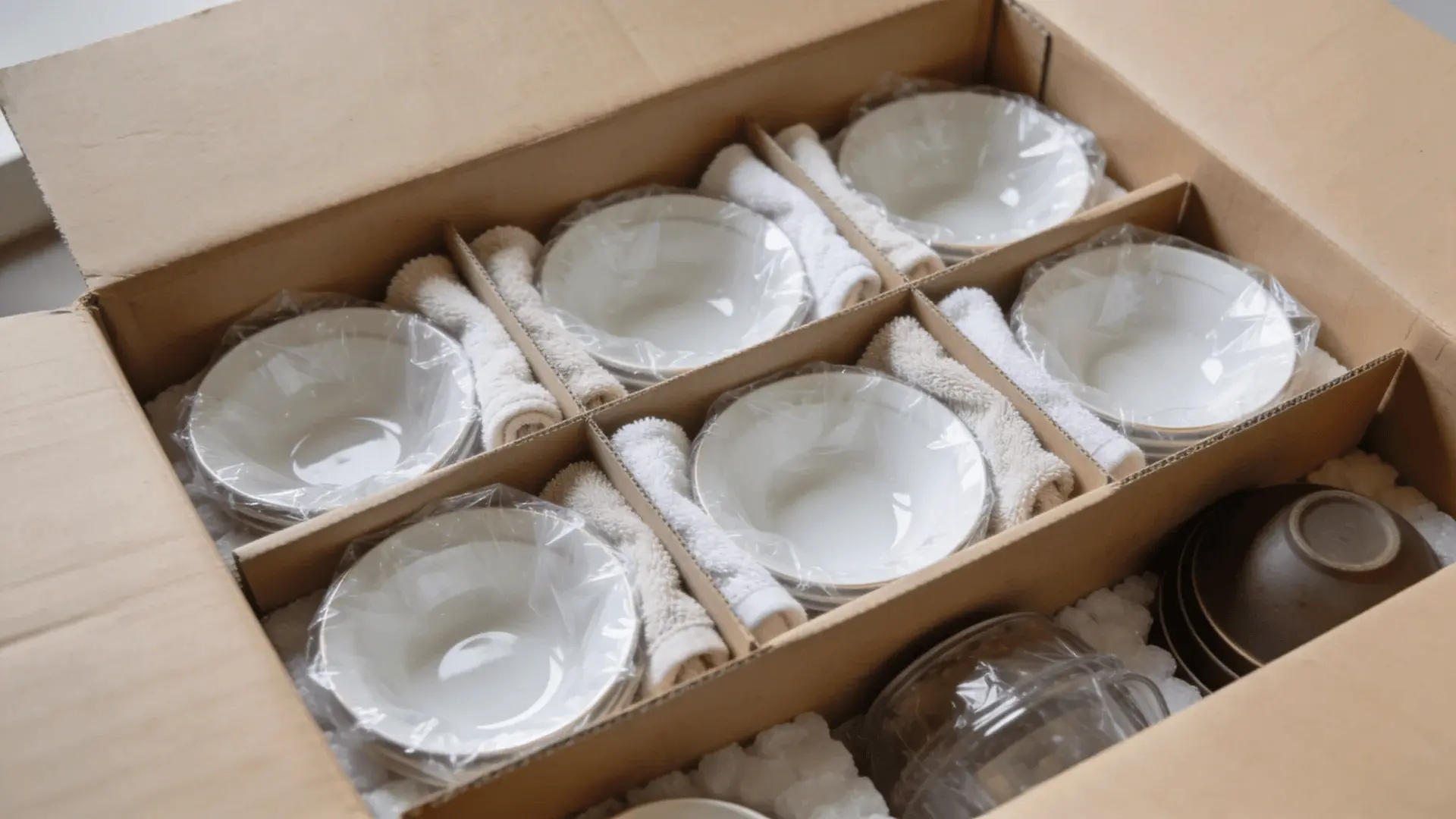
Fragile items don’t break just because they’re delicate. They break because they move.
17. Wrap Fragile Items Individually
Individual wrapping reduces surface impact between objects. When items touch directly, they transfer force into each other.
18. Fill Gaps with Soft Materials
Towels, clothing, paper. Empty space allows movement, and movement allows impact. Filling gaps locks items into place.
19. Keep Heavy Items at The Bottom
Heavy objects create downward force. Placing them on top increases crushing pressure on delicate items below.
20. Seal Boxes Tightly to Reduce Shifting
A loose lid allows internal shifting during loading and driving. Tight sealing stabilizes the interior.
Breakage happens during motion: ramps, sharp turns, sudden stops. When items cannot shift, they cannot collide.
Phase 6 – Label for Controlled Unpacking
Labeling isn’t decoration. It controls workflow.
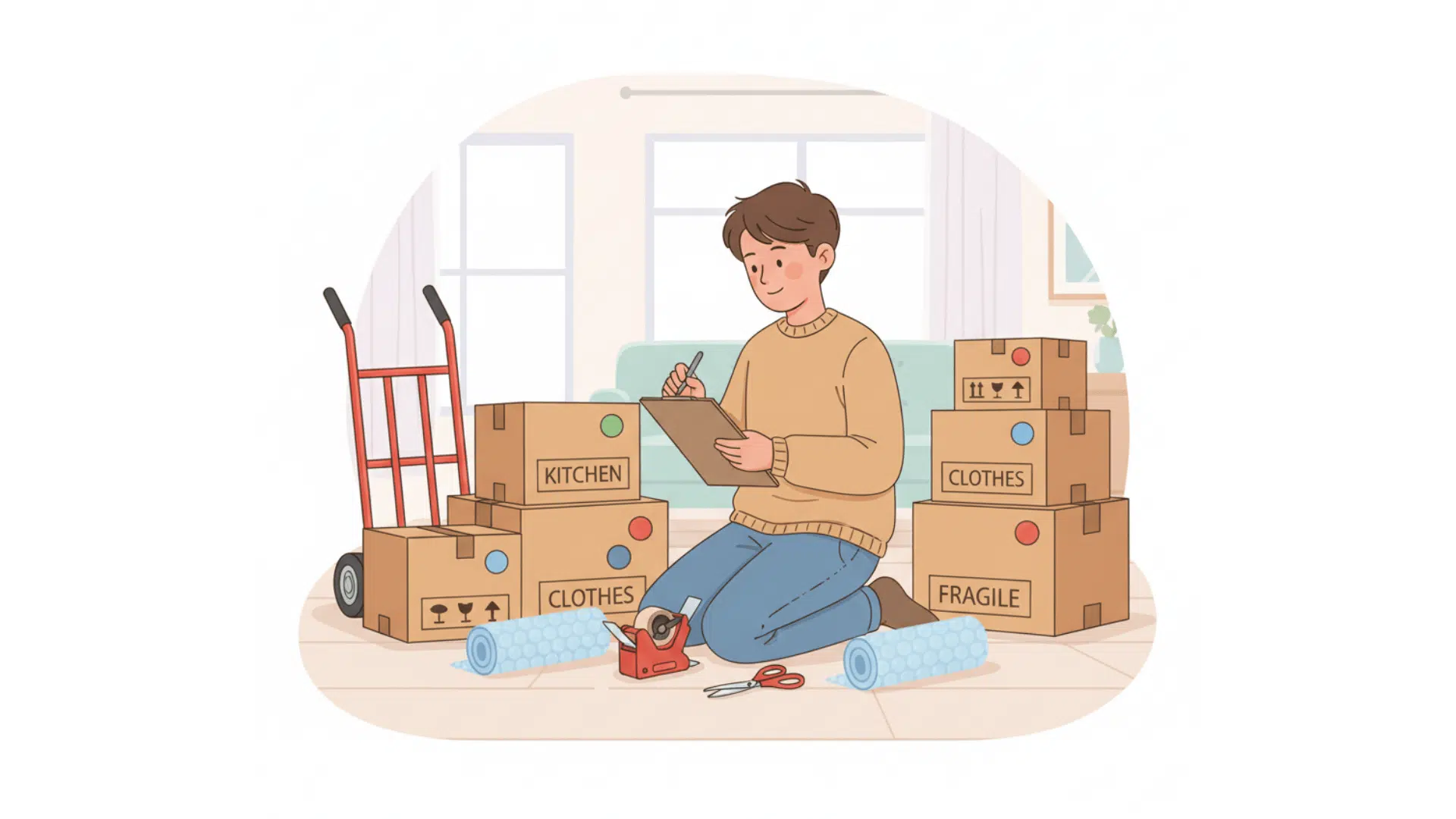
21. Label on At Least Two Sides
Boxes get stacked. If the label sits only on top, you lose visibility. Side labels preserve clarity when boxes are piled.
22. Include Both Room and Contents
“Kitchen – utensils and towels” works better than “Kitchen.” Specific labels reduce unnecessary box opening.
23. Mark Priority Boxes Clearly
If certain boxes must be opened first, mark them clearly. This prevents digging through stacked boxes on the first night.
Clear labeling shortens unloading time and reduces decision fatigue. You aren’t guessing. You’re following a plan.
Phase 7 – Pack a 24-Hour Essentials Box
The first night often sets the tone for the entire move.
24. Include Toiletries and Medications
Access delays to medication create stress and risk. Toiletries prevent late-night searching through sealed boxes.
25. Add Chargers, Documents, and Tools
Phone chargers, important papers, a basic screwdriver. These small items solve common first-day problems quickly.
26. Pack Bedding and Basic Kitchen Items
Sheets, pillows, one pan, basic utensils. Sleeping and eating comfortably reduces exhaustion more than people realize.
This box follows a simple rule: assume every other box is inaccessible for one full day. Pack with that in mind.
Phase 8 – Pack Clothing Based on Space and Access
Clothing packing depends on distance and timing.
27. Leave Hanging Clothes on Hangers when Possible
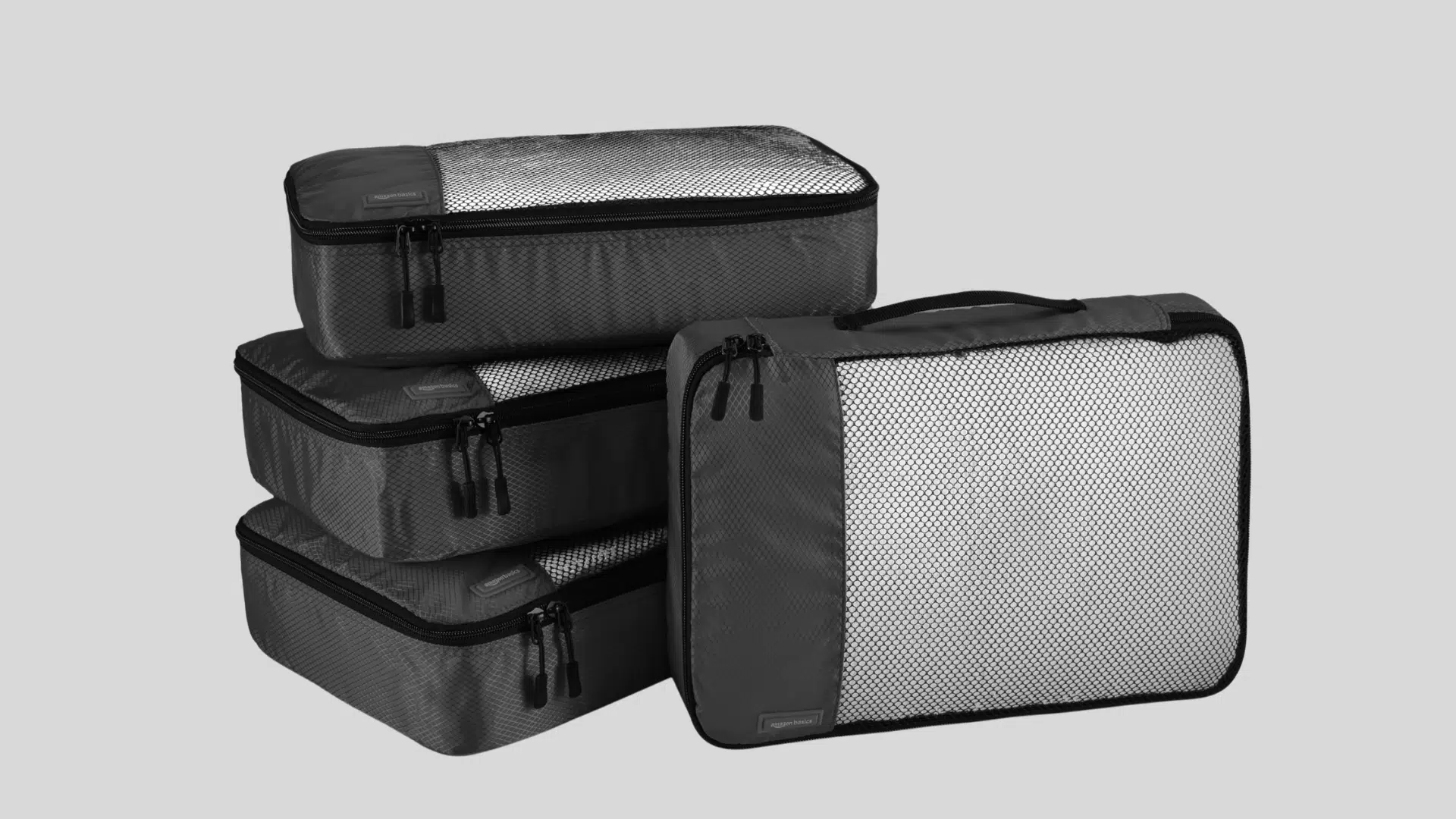
For short, local moves, keeping clothes on hangers saves time and reduces folding. You can group them together for transport and rehang them quickly.
For longer moves, compression bags save space but increase creasing and make items harder to access. Boxes protect shape but use more volume.
The right method depends on distance, access timing, and how quickly you need your wardrobe functional again.
What Not to Pack in Moving Boxes
Not everything should go into a sealed box or the moving truck. Certain items create safety risks, access delays, or damage if packed with the rest of your belongings.
Flammable liquids can leak. Pressurized containers can rupture. Heat-sensitive items may degrade inside a truck. Important documents can get buried under heavier loads and become difficult to retrieve when needed.
Keep these with you:
- Passports and legal documents
- Medications
- Valuables
- Flammable or pressurized items
This isn’t about convenience; it’s about safety, access, and risk control during transit.
Wrapping Up
Packing feels overwhelming when it’s random. It becomes manageable when it follows structure. These tips for packing to move work because they reduce friction at every stage: fewer boxes, safer lifting, less breakage, and faster unpacking.
The goal isn’t perfection. It’s control. When you move through the phases in order, you protect daily function, prevent damage, and avoid first-night chaos. Start by reducing what you own. End with a clearly labeled essentials box. One steady step at a time, and the move feels far more manageable.
Frequently Asked Questions
How early should I start packing?
Start decluttering as early as possible. Begin boxing non-essentials two to three weeks before moving, depending on the size of your home.
Is it better to use bags or boxes for clothes?
For short moves, bags over hangers can work. For longer transport, structured boxes provide better protection.
What is the most effective way to pack for a move?
Reduce what you own first, pack room-by-room, control box weight, eliminate empty space, label clearly, and prepare a 24-hour essentials box.